
Minimum Budget to Start a Clothing Line: A Global Sourcing & Capital Allocation Guide
For ambitious fashion founders, creative directors, and independent apparel entrepreneurs across the world, launching a brand is an incredible creative journey. However, turning initial design concepts into a viable, revenue-generating apparel label requires clear financial planning and strategic capital allocation.
One of the most pressing questions for emerging brands is defining the minimum budget to start a clothing line. While financial requirements vary based on product complexity and business models, establishing a global apparel line without realistic financial benchmarks can quickly lead to cash flow bottlenecks, inventory shortages, or compromised garment quality.
This comprehensive guide breaks down realistic minimum capital tiers for global fashion startups, itemizes essential development costs, and explores how structural garment engineering protects your working capital against high customer return rates.
1. Realistic Minimum Capital Tiers for Global Apparel Startups
The absolute minimum budget required to launch a clothing line depends on your production method, order volume, and sales channels:
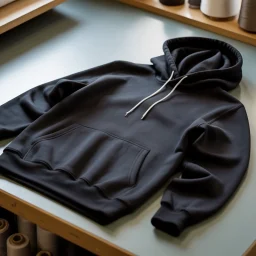
- The Lean DTC Bootstrapping Model ($3,000 – $6,000): This represents the entry-level baseline for launching a focused micro-capsule (e.g., 1 or 2 core styles like hoodies or graphic tees). At this tier, brands rely on low-MOQ (Minimum Order Quantity) stock blank garments or small-batch custom cutting to test market demand while minimizing upfront inventory liability.
- The Custom Cut-and-Sew Label ($10,000 – $25,000): The realistic industry benchmark for launching an independent brand with custom fits, specialized fabric dyeing, and unique trim details across 3 to 5 styles. This budget covers professional tech pack development, custom proto-sampling, bulk manufacturing runs (200 to 500 units per style), e-commerce infrastructure, and initial marketing campaigns.
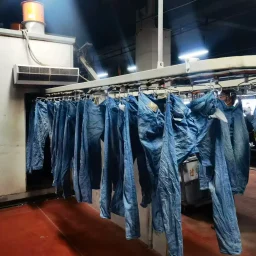
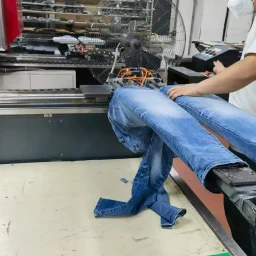
- The Technical or Premium Entry Tier ($30,000 – $75,000+): Required for complex apparel categories—such as tailored outerwear, performance activewear, or custom denim lines—that demand specialized machinery, extensive fabric testing, higher mill fabric MOQs, and dedicated PR agency support.
2. Itemizing the Essential Startup Expenses
To maintain healthy working capital during pre-launch development, founders must allocate their minimum budget across four critical operational areas:
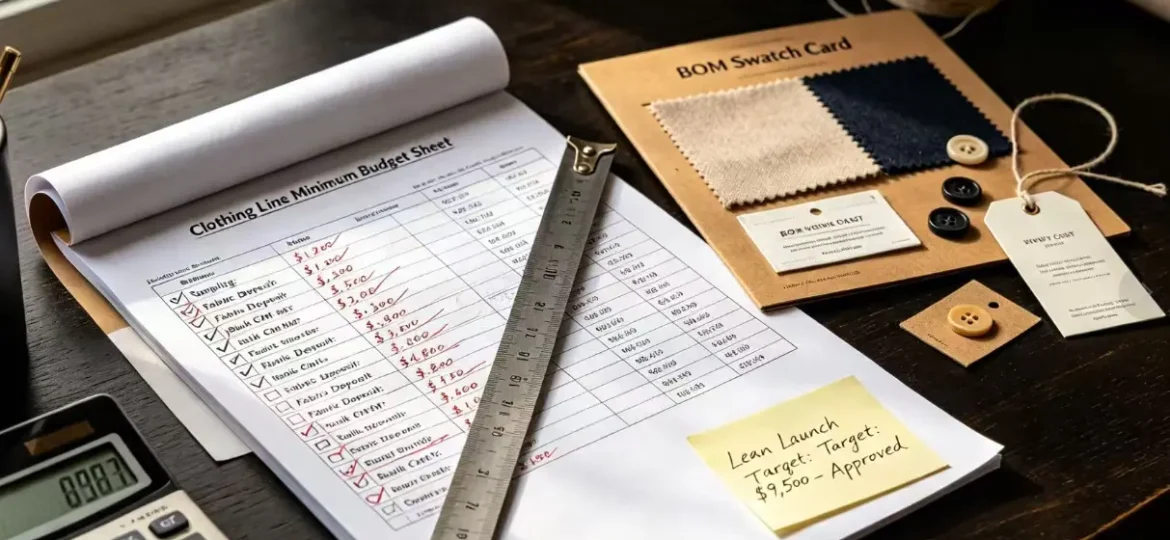
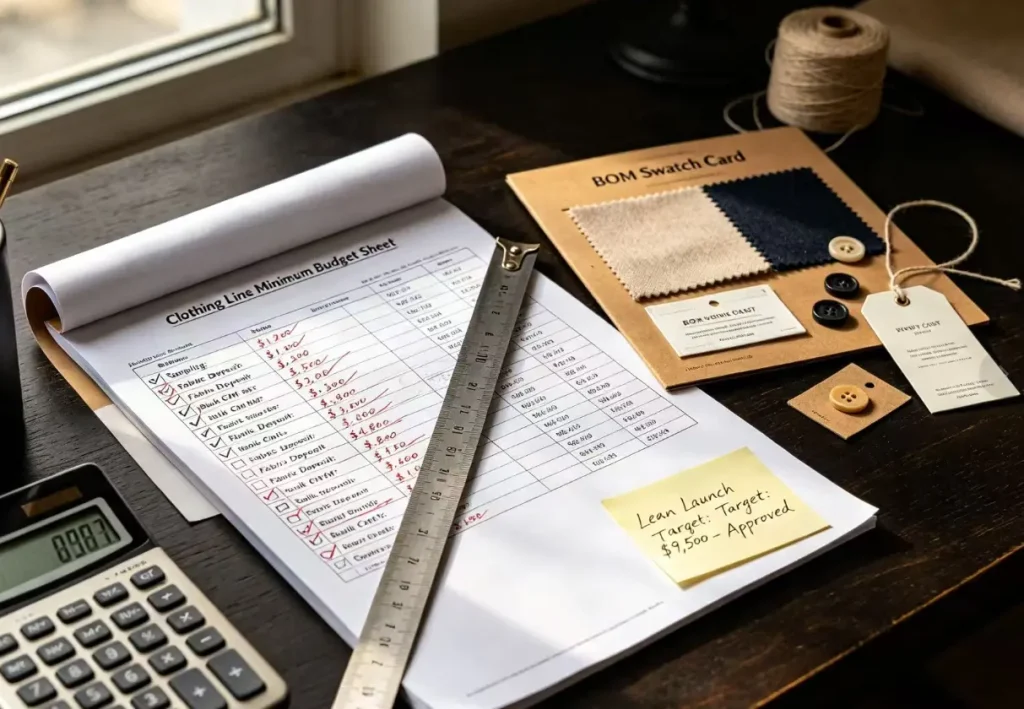
- Design, Tech Packs, and Proto-Sampling (15% – 20%): Translating design sketches into production-ready technical packs ($150 – $400 per style) and funding physical sample iterations ($100 – $300 per sample) to perfect fit, seam structure, and size grading before bulk commitment.
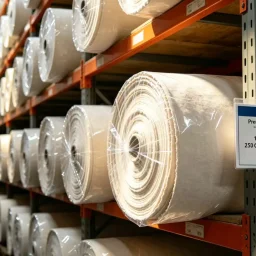
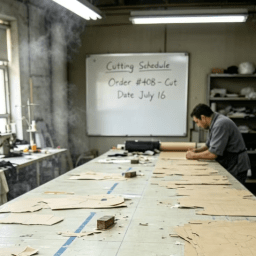
- Raw Materials and Bulk CMT Manufacturing (40% – 50%): The primary production expense, encompassing bulk fabric roll purchases, custom woven neck labels, hangtags, polybags, and Cut-Make-Trim (CMT) labor costs at the factory.
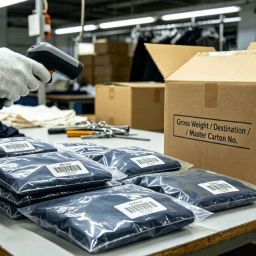
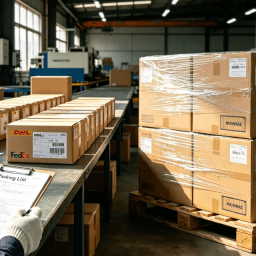
- Logistics, Freight, and Import Customs (10% – 15%): Transporting bulk production from global export hubs to local distribution centers via air or sea freight, covering import duties, VAT/taxes, and third-party pre-shipment quality audits.
- Branding, Digital Storefront, and Initial Marketing (20% – 25%): Building e-commerce storefronts, producing high-resolution editorial lookbooks, funding influencer sample gifting, and running initial customer acquisition campaigns.
3. The Internal Skeleton: Protecting Your Capital and Preventing Product Returns
A major financial pitfall for startup clothing brands operating on a tight minimum budget is sacrificing garment durability to lower initial production costs. To offer lower unit prices, budget factories often use low-tensile synthetic thread or omit high-density stabilization tapes along hidden strain zones like rear necklines, shoulder tracks, and waistband channels.
Under repeated home laundering, unsupported seam joints warp and stretch out of alignment. Necklines sag, shoulder tracks twist, and pocket openings gap, destroying the garment’s silhouette and causing customer return spikes that wipe out startup profit margins.
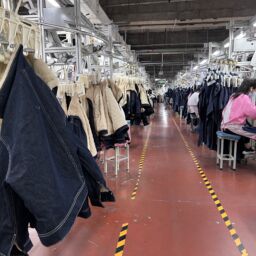
To protect your startup investment and ensure garments maintain their structured silhouette over years of wear, technical specs must mandate high-density cotton internal structural components. Partnering with a specialized global manufacturer like Newasia Garment Supply Chain Solutions provides an unyielding internal skeleton for your clothing line.
Integrating tight, high-density combed cotton bias tape, neck reinforcement, and stabilized seam matrices anchors garment geometry securely. Mandating these premium structural components during tech pack sign-off eliminates synthetic skin irritation, lowers factory scrap rates, and delivers the physical durability required to excel in today’s demanding retail market.
4. Capital Preservation Strategies for Emerging Brands
Maximizing the reach of a lean startup budget requires disciplined supply chain decisions during early development:
- Launch with a Focused Core Capsule: Rather than spreading capital across a broad 15-piece collection, focus your minimum budget on 2 to 4 highly refined, versatile styles to achieve higher factory unit volumes per style.
- Source High-Quality Stock Mill Fabrics: For initial collection drops, select premium stock fabrics available through your factory’s mill partners to avoid heavy custom fabric dyeing and knitting MOQs.
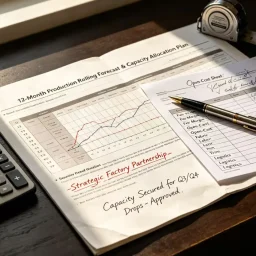
- Establish Itemized Open-Cost Transparency: Request transparent open-cost sheets from your manufacturing partner that break down fabric yields, trim costs, and CMT labor minutes to ensure fair margins and eliminate unexpected surcharges.
5. Essential Risk Control Protocols for Fashion Startups
To safeguard your brand’s capital and ensure bulk production aligns with financial expectations, enforce these technical checkpoints:
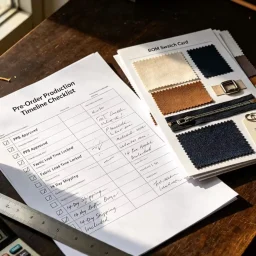
- Build a 14-Day Production and Freight Buffer: Factor extra lead time into your launch schedule to accommodate potential raw material mill delays, customs clearance holds, or port congestion without missing sales launch dates.
- Enforce Ratio-Preserved Size Distribution: Require factory purchase orders to stipulate that any production variances preserve agreed size ratios rather than dumping excess inventory in non-performing extreme sizes.
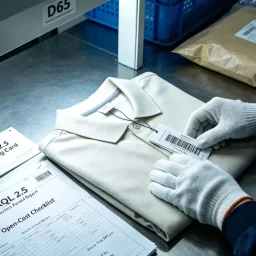
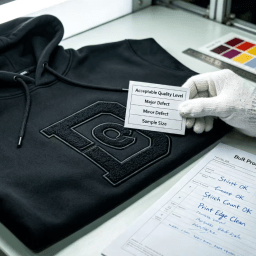
- Tie Balance Releases to AQL 2.5 Inspections: Require final production balance payments to depend on passing an independent Acceptable Quality Limit (AQL 2.5) inspection conducted at the factory gate before dispatch.
To calculate your minimum production budget, optimize garment construction, and launch your global fashion brand with confidence, visit Newasia Garment to streamline your apparel supply chain today.
Read more
- Activewear Fabric Approval Before Bulk: Opacity, Stretch, Recovery and Breathability
- How to Build a Garment Test Plan Before Bulk Production (Complete Guide)
- Apparel Change Control: How to Approve BOM, Material and Construction Revisions
- Denim Quality Control: Testing Methods, Common Defects & Quality Standards
- How Denim Quality Control Reduces E-Commerce Returns