
How Much Does It Cost to Start a Clothing Brand? A Realistic Global Breakdown
For aspiring fashion entrepreneurs, brand directors, and apparel designers, launching a new label is one of the most exciting creative ventures in business. However, moving from initial concept sketches to a revenue-generating apparel brand requires a clear understanding of the financial capital needed to fund development, raw materials, manufacturing, and initial marketing.
One of the most frequent questions in fashion entrepreneurship is: how much does it cost to start a clothing brand? The reality is that there is no single fixed number. Startup capital depends heavily on your brand positioning, production volume, distribution strategy (direct-to-consumer vs. wholesale), and garment complexity.
This comprehensive guide breaks down realistic budget tiers for global apparel startups, itemizes the primary cost drivers in clothing manufacturing, and explores how integrating structural garment engineering early in production safeguards your capital against costly customer returns.
1. Realistic Startup Cost Tiers for Apparel Brands
While budget requirements vary based on business models, initial startup capital generally falls into three operational tiers:
- Lean / Micro-Startup Tier ($2,500 – $7,500): Suitable for boutique direct-to-consumer (DTC) brands launching a limited drop (e.g., 1 to 2 simple styles, such as graphic tees or heavy hoodies) in small quantities (50 to 150 units per style). Operating under this tier requires using low-MOQ (Minimum Order Quantity) stock blank garments or direct-to-garment (DTG) printing to test initial market demand.
- Mid-Tier Independent Label ($10,000 – $35,000): The standard starting range for professional independent labels launching a fully customized seasonal line (3 to 6 styles across custom fits, cut-and-sew constructions, and dedicated fabric colors). This tier covers professional tech packs, custom sampling, bulk manufacturing (300 to 500 units per style), e-commerce website development, and targeted digital marketing campaigns.
- High-End / Premium Market Entry ($50,000 – $150,000+): Designed for brands launching complex garments—such as tailored outerwear, technical activewear, or custom denim lines—supported by custom mill fabric developments, multi-channel marketing campaigns, public relations agencies, and retail showroom placements.
2. Itemized Cost Breakdown: Where Does the Money Go?
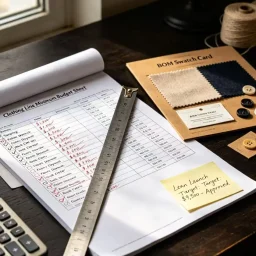
To manage working capital effectively, fashion founders must allocate budget across four distinct operational phases:
- Design and Technical Development (15% – 20% of Budget): Transforming ideas into production-ready specifications requires professional tech packs ($200 – $500 per style), master pattern grading across size scales, and initial sample iterations ($150 – $400 per sample iteration).
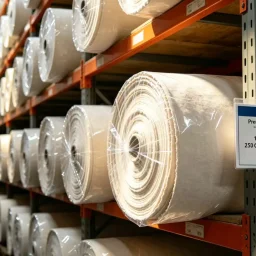
- Raw Materials and Bulk Manufacturing (40% – 50% of Budget): The largest single expense includes purchasing bulk fabric rolls, trims, custom woven labels, hangtags, and paying Cut-Make-Trim (CMT) labor costs. Custom custom-dyed fabrics and specialized washing processes increase unit production expenses.
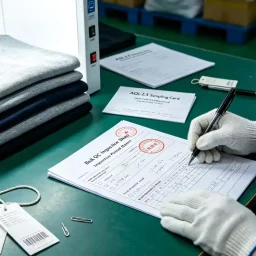
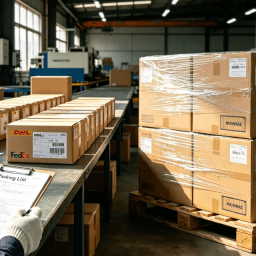
- Logistics, Shipping, and Quality Control (10% – 15% of Budget): Shipping bulk inventory from export factories to local distribution hubs via air or sea freight, paying customs duties and import taxes, and funding independent pre-shipment quality control audits.
- Branding, E-Commerce, and Marketing (20% – 25% of Budget): Creating professional brand identity assets, setting up an e-commerce platform, funding lookbook photoshoots, sending influencer gifting kits, and running initial customer acquisition ads.
3. The Internal Skeleton: Protecting Capital and Preventing Return Spikes
A critical mistake made by new clothing brands is focusing entirely on front-end aesthetics while overlooking back-end garment durability. To cut initial sampling and manufacturing costs, factories may use low-grade synthetic thread or omit high-density stabilization tapes along hidden strain zones like rear necklines, shoulder tracks, hood attachments, and waistband channels.
Under the kinetic friction of home washing machines and commercial drying cycles, unsupported seam joints buckle and stretch out of alignment. Necklines sag, shoulder tracks twist, and pocket openings gap, destroying the garment’s silhouette and resulting in high return rates that erode small profit margins.
To protect your startup investment and ensure garments maintain their structured silhouette over years of wear, technical specs must mandate high-density cotton internal structural components. Partnering with a specialized global manufacturer like Newasia Garment Supply Chain Solutions provides an unyielding internal skeleton for your clothing line.
Integrating tight, high-density combed cotton bias tape, neck reinforcement, and stabilized seam matrices anchors garment geometry securely. Mandating these premium structural components during tech pack sign-off eliminates synthetic skin irritation, lowers factory scrap rates, and delivers the physical durability required to excel in today’s demanding retail market.
4. Cost-Saving Strategies for Emerging Fashion Brands
Protecting your startup runway requires strategic financial discipline during early development stages:
- Focus on a Focused Anchor Line: Rather than launching a 20-piece collection, launch with 2 to 4 highly refined, versatile styles to minimize initial sampling expenses and fabric MOQs.
- Utilize Existing Factory Stock Fabrics: For your first collection, select high-quality stock fabrics available at your factory’s partner mills rather than paying for expensive custom knit-to-order fabric runs.
- Leverage Digital 3D Sampling: Using 3D digital garment simulation reduces physical proto-sample iterations by up to 50%, saving hundreds of dollars per style during line development.
5. Essential Risk Control Safeguards for Clothing Startups
To protect your brand’s capital and ensure bulk manufacturing aligns with financial expectations, implement these contractual controls:
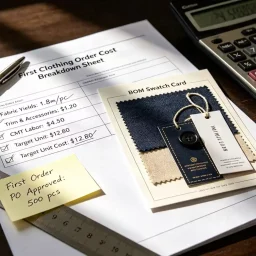
- Negotiate Itemized Open-Cost Sheets: Request open-cost sheets from your factory breaking down fabric yields, trim costs, and CMT labor minutes to ensure transparent pricing.
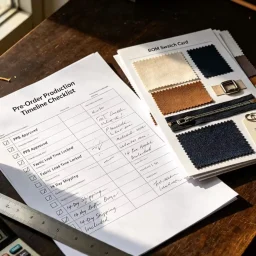
- Build 14-Day Buffer Windows into Seasonal Calendars: Factor potential shipping, customs clearance, and raw material mill lead-time variations into your master launch schedule to protect drop dates.
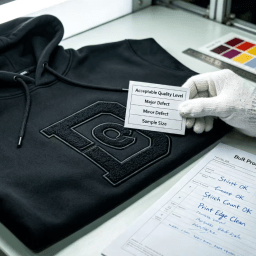
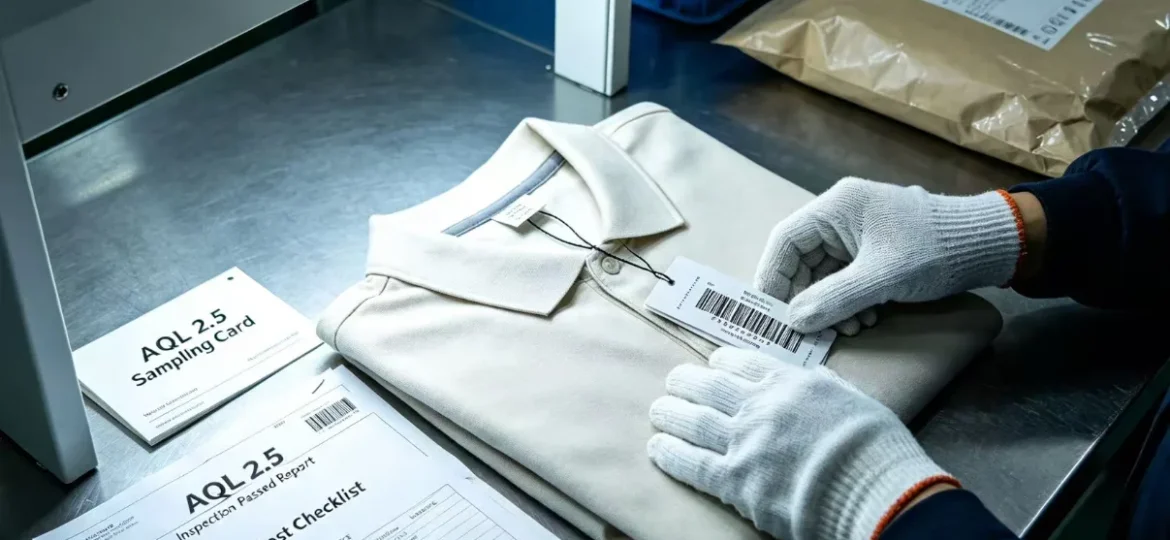
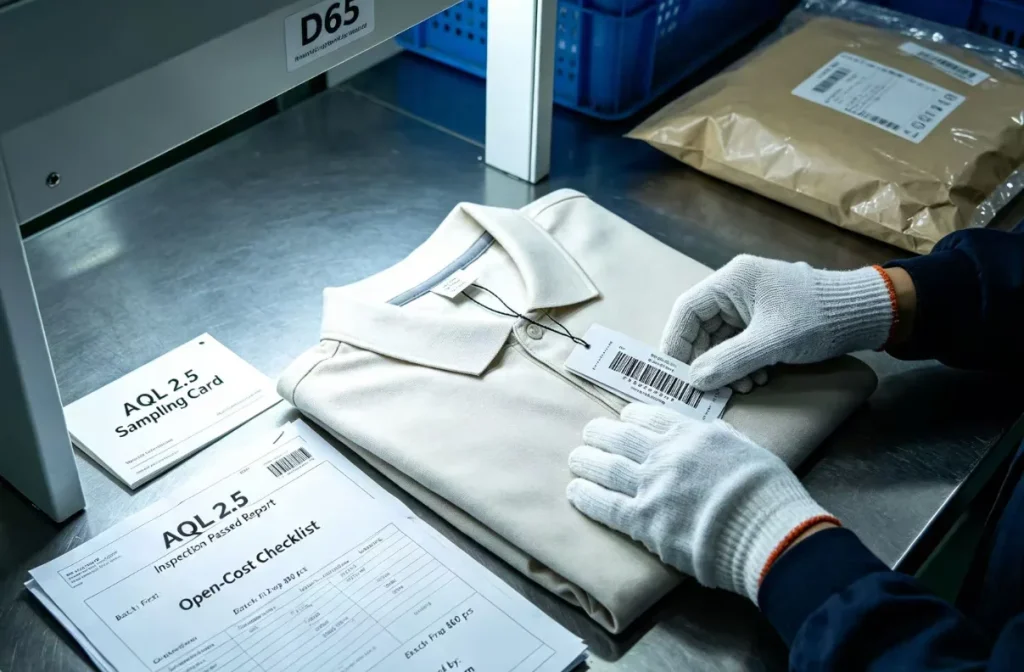
- Tie Balance Payments to AQL 2.5 Quality Audits: Require final balance releases to depend on passing an independent Acceptable Quality Limit (AQL 2.5) inspection conducted at the factory gate before dispatch.
To build an agile, structurally sound, and transparent apparel supply chain for your new label, visit Newasia Garment to calculate your startup production costs and source your custom collection today.
Read more
- Activewear Fabric Approval Before Bulk: Opacity, Stretch, Recovery and Breathability
- How to Build a Garment Test Plan Before Bulk Production (Complete Guide)
- Apparel Change Control: How to Approve BOM, Material and Construction Revisions
- Denim Quality Control: Testing Methods, Common Defects & Quality Standards
- How Denim Quality Control Reduces E-Commerce Returns