

1986
Manufacturing Since
6
Manufacturing sites & facilities
12,000+
Skilled Employees
30M+
Pieces Annual Capacity
WHAT WE MANUFACTURE
Core Apparel Manufacturing Categories
Start with the product category closest to your project. Each dedicated manufacturing page covers the product-specific fit, fabric, construction, finishing and production requirements in greater detail.
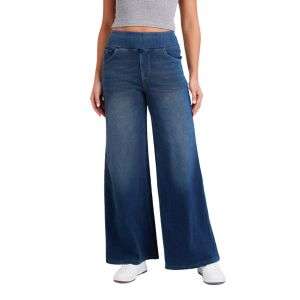
Custom Jeans
Custom jeans development covering fit, rise, denim fabric, wash, pockets, hardware, measurements and scalable bulk production.
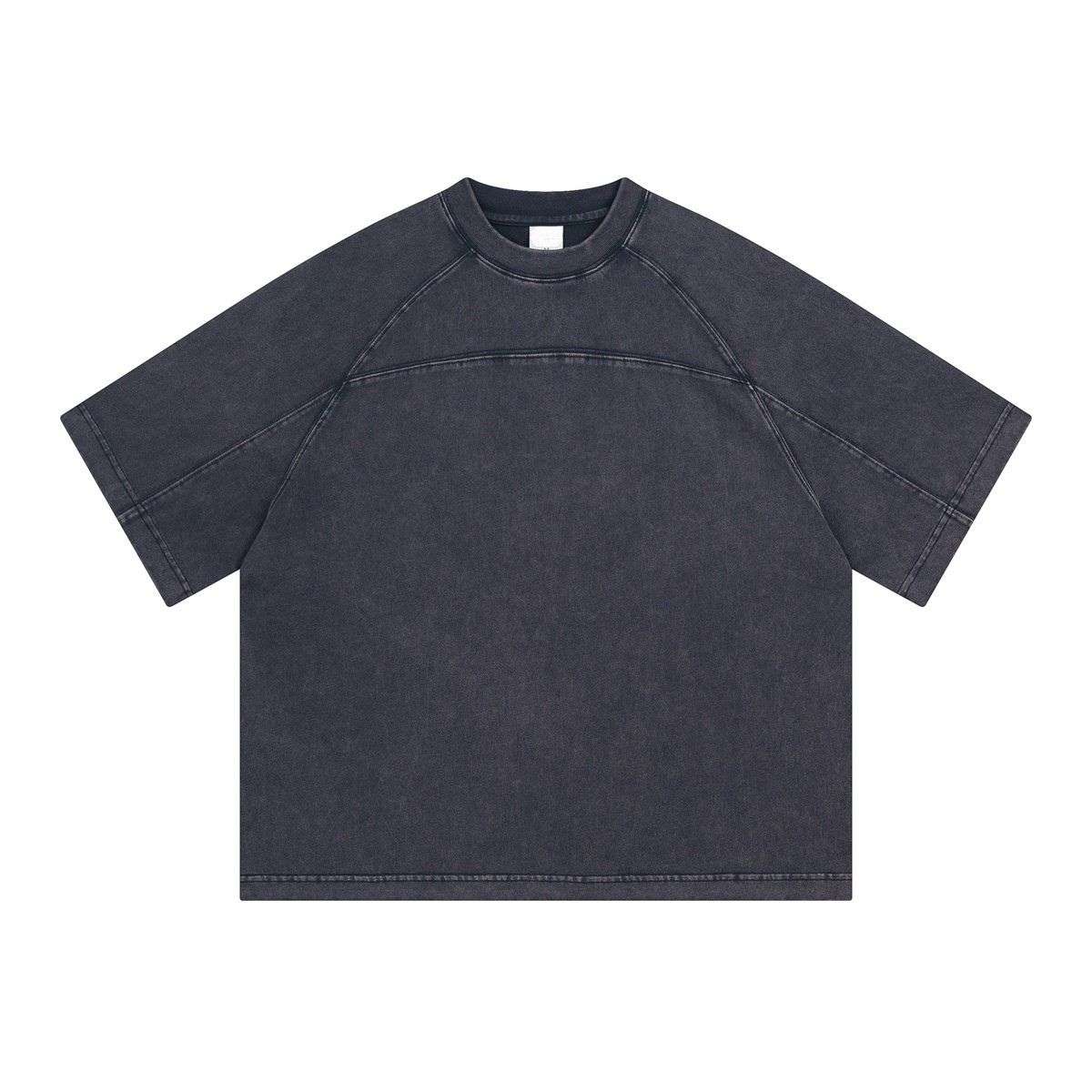
Custom T-Shirts
Custom T-shirt development covering fabric, GSM, fit, construction, printing, embroidery, garment finishing and bulk production.
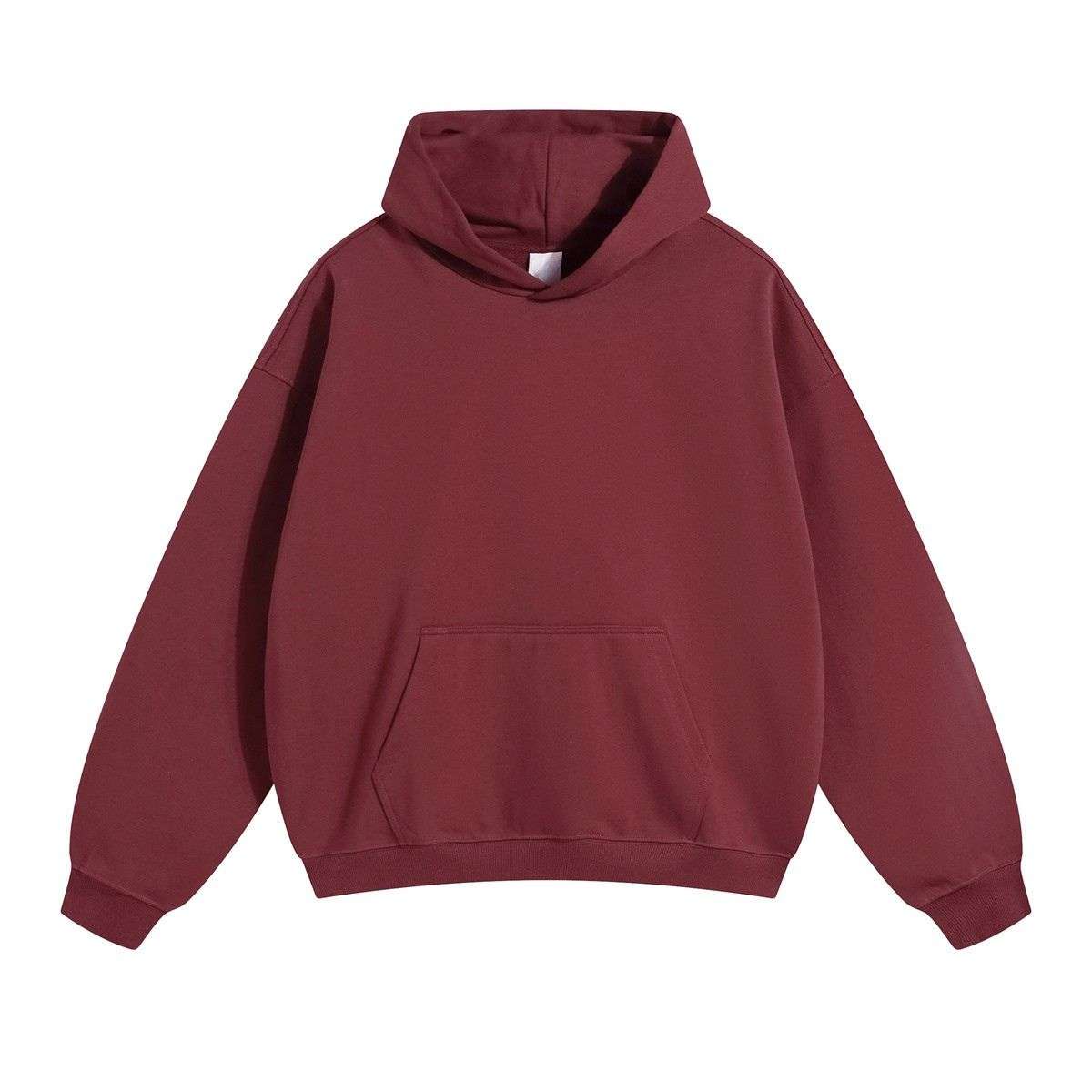
Custom Hoodies
Custom hoodie development covering fleece and jersey fabrics, garment weight, fit, construction, printing, embroidery, washing and bulk production.
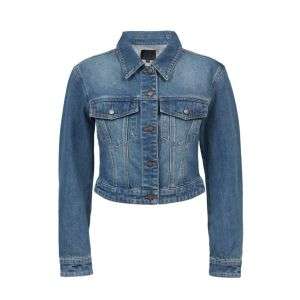
Denim Manufacturing
Dedicated denim manufacturing capability covering fabric selection, fit development, wash approval, garment construction, finishing and quality control.
Where Is Your Apparel Project Starting?
Different projects require different levels of product development and manufacturing support. Choose the route that best matches what you already have and how much development work is still required.
OEM Production
Use your tech pack, measurements, materials, artwork and construction requirements as the basis for product development and manufacturing.
ODM Development
Develop a product concept toward a manufacturable garment through design interpretation, material selection, technical development and sampling.
Private Label
Build a branded program around suitable existing product bases with eligible customization, labels, trims, packaging and brand requirements.
Startup Manufacturing
Plan product readiness, sampling, MOQ, budget and production risk through a clearer first-order manufacturing pathway.
A Practical Apparel Manufacturing Process
The exact workflow varies by garment, material, wash, customization and order requirements, but most commercial apparel projects move through the following stages.
01
Project Brief & Feasibility
Review garment type, target quality, quantity, construction, customization requirements and delivery expectations.
02
Material & Product Development
Confirm suitable fabrics, trims, colors, finishing direction and technical requirements for the intended garment.
03
Sampling & Approval
Develop samples, review fit and execution, complete necessary revisions and establish the approved production standard.
04
Pre-Production Confirmation
Confirm approved specifications, materials, quantities, branding, packaging and production requirements in writing.
05
Bulk Production
Move the approved product into planned commercial production using controls appropriate to the garment and order.
06
Quality Control, Packing & Shipment
Complete applicable inspection, packing and shipment preparation according to the confirmed order requirements.
MOQ, Sampling and Production Timing
There is no universal MOQ for every garment. The figures below are common planning points and should be confirmed according to the style, color, fabric, wash, trims, customization and production route.
Common MOQ Starting Points
| Project Type | Common Starting Point |
|---|---|
| Selected in-stock products | No MOQ |
| Existing style customization | From 50 pcs |
| T-shirts / Hoodies / Sweatpants | From 100 pcs / color |
| Garment-dyed programs | From 150 pcs / color |
| Denim & other fashion garments | From 300 pcs / style |
Selected in-stock products generally refer to ready-stock products without production customization. Existing-style customization and all custom-production minimums remain subject to the selected product and actual project requirements.
Typical Planning Windows
5–10 days
15–30 days
Bulk production commonly takes 15–30 days after sample approval and material readiness.
Final MOQ, price, timing, specifications and commercial terms should be confirmed in writing for the actual order.
Verify the Manufacturing System, Not Just the Sales Claim
A reliable supplier assessment should include current first-party evidence of production, quality control and order traceability. The examples below show the types of manufacturing evidence that can be reviewed during project discussion and supplier qualification.
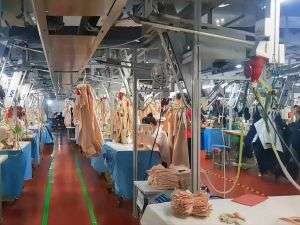
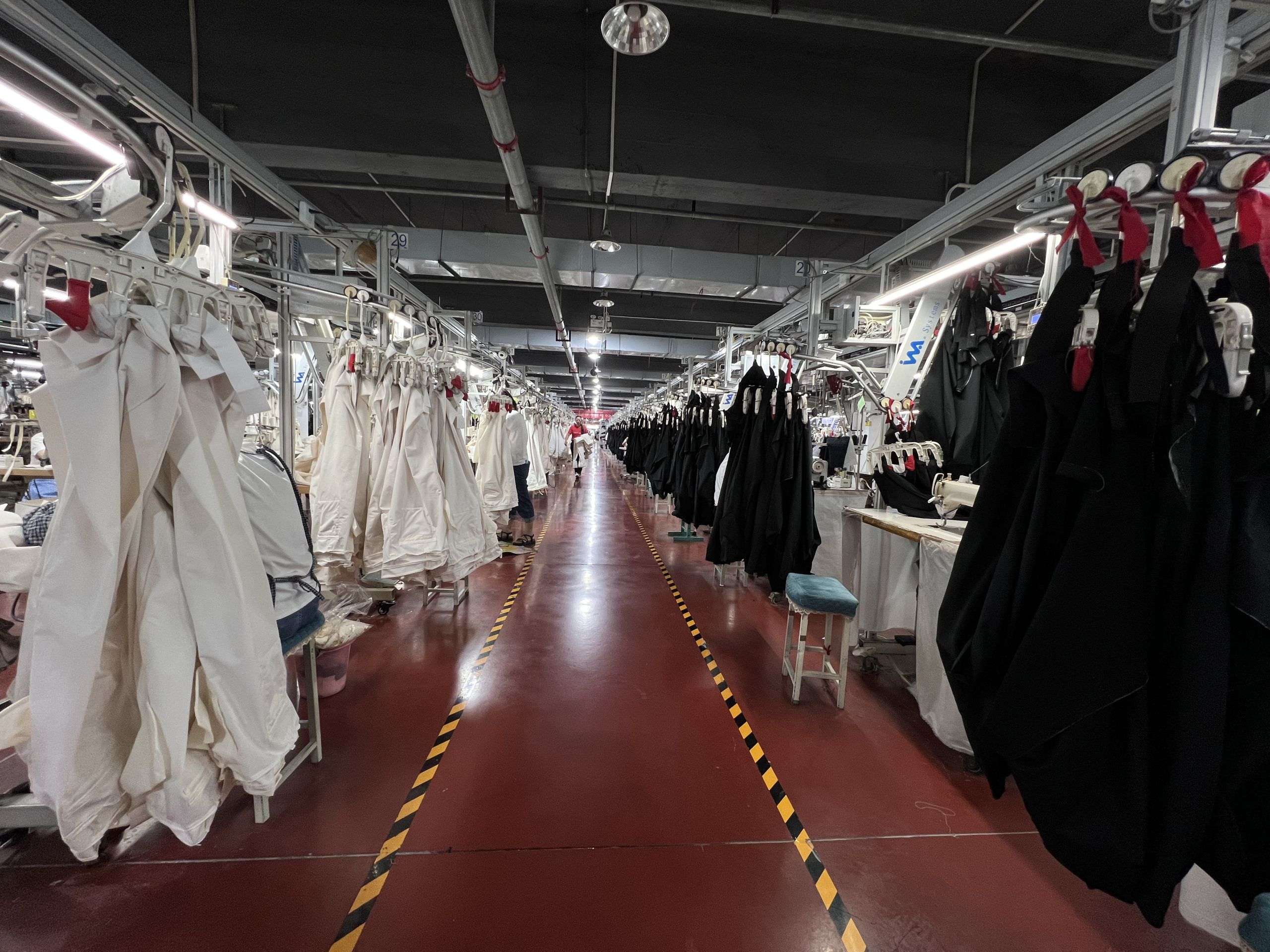
Garment Production in Operation
Current factory-floor evidence can show cutting, sewing, finishing, packing and other production activities relevant to the garment or project being reviewed.
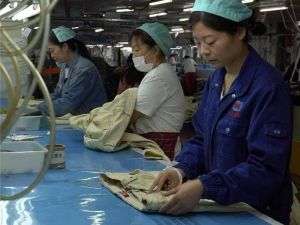
Inspection & Approval Records
Quality-control evidence may include measurement checks, sample approvals, inline inspection records and finished-garment inspection checkpoints relevant to the actual order.
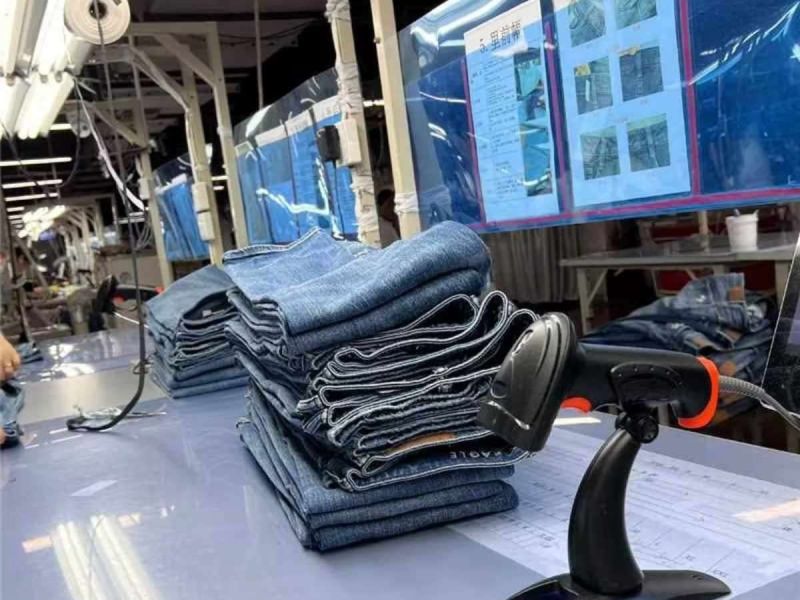
Production Traceability & Documentation
Traceability records may include garment tracking, fabric or shade-lot control, production status records and packing specifications used to support order-level traceability.
Selected Brands New Asia Has Served
Over the years, New Asia has supported apparel programs for international brands and retailers across different markets.
The brands shown below are selected examples from our historical customer portfolio and reflect New Asia’s experience working with established apparel businesses across different periods of our manufacturing history.


Historical customer relationships are shown for reference and do not necessarily represent current commercial relationships.
Quality Recognition
2018 Eagles Eye Quality Award — American Eagle
New Asia received the 2018 Eagles Eye Quality Award from American Eagle, providing third-party recognition of our quality performance during our historical cooperation.
What Should Buyers Verify Before Ordering?
Whether you are evaluating New Asia or another clothing manufacturer, supplier qualification should focus on the manufacturing details that directly affect your garment and order rather than relying on one certificate, one sample or one price quotation.
Product Experience
Can the manufacturer demonstrate relevant experience with the garment category, material, wash, construction or finishing process you require?
Sample-to-Bulk Control
How are approved samples, specifications and revisions transferred into commercial production?
Material Documentation
Which fabric, trim, transaction or order-specific records can be reviewed for the actual program?
Quality Checkpoints
Which inspection stages are appropriate to the garment, and what quality records can be reviewed?
MOQ & Capacity Fit
Does the planned quantity make commercial and production sense for the product, color, fabric, wash and manufacturing route?
Commercial Confirmation
Are final specifications, pricing, MOQ, timing, packaging and delivery terms confirmed in writing?
Manufacturing Experience Built Around Commercial Apparel Programs
New Asia Garment has supported commercial apparel manufacturing since 1986, working with fashion brands, retailers and sourcing teams across product development, sampling, manufacturing and quality control.
Our China operations combine product development, manufacturing capability, quality management and customer coordination to support both new product programs and repeat production. Project suitability should always be evaluated against the actual garment, quantity, materials, technical requirements and documentation required by the buyer.
Management Systems & Compliance References
Applicable management-system, certification and compliance documents can be reviewed during supplier qualification.
GB/T 19001/ISO 9001
GB/T 24001/ISO 14001
GB/T 45001/ISO 45001
BSCI
KCB-TE-OCS
SC-KCB-TE
Products, Capabilities and Buyer Resources
Use the homepage as the commercial starting point, then move into the dedicated product, manufacturing and sourcing hubs for product-specific or purchasing information.
Common Questions Before Starting Production
Which apparel manufacturing routes does New Asia support?
New Asia supports OEM production, ODM development, private-label programs and startup-oriented manufacturing routes. The appropriate route depends on whether you already have a complete product specification, a product concept, an established garment base or a first-order project that still requires development and commercial planning.
What is New Asia Garment's MOQ?
There is no single MOQ for every garment. Selected in-stock products may have no MOQ, while existing-style customization may start from 50 pieces where applicable. Common planning points include 100 pieces per color for T-shirts, hoodies and sweatpants, 150 pieces per color for garment-dyed programs, and 300 pieces per style for many denim and other fashion-garment projects. Final MOQ must be confirmed for the actual product and order.
How long does sampling and bulk production usually take?
Sampling commonly takes 5–10 days after key product and material requirements are confirmed. Bulk production commonly takes 15–30 days after sample approval and material readiness. Product complexity, fabric availability, washes, trims, approval rounds and production scheduling can affect the total project timeline.
What information should I send for a manufacturing quote?
Send the garment type, target quantity, size range, color requirements, fabric or material direction, artwork or branding requirements, reference images and any available tech pack. Where relevant, also include your target delivery window and destination market.
How should a B2B buyer verify a clothing manufacturer?
Review relevant product-category experience, current production evidence, sample-to-bulk controls, quality checkpoints, applicable certificates and order-specific documentation. Final specifications, pricing, MOQ, timing, packaging and delivery terms should be confirmed in writing before production.
Planning an Apparel Production Project in China?
Share your product category, target quantity, material direction, customization requirements and target timing. Our team can then review the project and recommend the appropriate development and manufacturing route based on the actual garment and order requirements.