

ODM Clothing Manufacturer in China for Fashion Collection Development
Bring us your target market, customer profile, product category, style references and commercial goals. New Asia Garment helps turn that direction into production-ready apparel through concept development, fabric sourcing, pattern engineering, sampling, bulk production and quality control.
You do not need a complete tech pack to begin. An ODM project can start from an idea, mood board, reference garment, product photos or an existing development direction — then move through product development, sample approval and scalable manufacturing.
What Is an ODM Clothing Manufacturer?
An ODM (Original Design Manufacturer) clothing partner contributes to product design and development as well as manufacturing. Instead of requiring the buyer to arrive with a finished production specification, an ODM project can begin with a market need, reference, mood board, product category or collection direction.
The development team helps convert that commercial direction into a manufacturable garment through material selection, pattern and fit development, technical clarification, physical sampling and production-feasibility review. The buyer remains responsible for brand direction, commercial targets and final product approval.
Is ODM Clothing Development Right for Your Brand?
ODM is most useful when you know what market and customer you want to serve, but the product still needs manufacturer-assisted development before it is ready for bulk production.
You Have a Product Idea
You know the category and customer, but still need support turning the concept into a production-ready garment.
You Have References
You have product photos, a mood board or a reference garment and want to translate the direction into your own product.
You Need a Faster Starting Point
You want to use an existing development base where appropriate instead of rebuilding every early technical element from zero.
You Need Product Engineering Support
You need help with fabric choice, fit, pattern, sample revisions, trims and production feasibility before approval.
What Do You Have Today?
You do not need to arrive at the same development stage as every other buyer. Tell us what you already have, and we can determine the most realistic next step.
I Only Have an Idea or Mood Board
Useful inputs
- Mood board or inspiration
- Product category
- Target customer and market
- Preferred quality / retail position
- Estimated quantity
We review the commercial direction and recommend a suitable starting concept, material direction and development route.
I Have Product Photos or a Reference Garment
Useful inputs
- Reference garment or photos
- What you like / want to change
- Fabric or fit preference
- Brand direction
- Expected quantity
We evaluate whether the reference can lead to an adapted development or should move into a deeper co-development process.
I Want to Start From an Existing Development
Possible adjustments
- Fabric and color
- Fit and selected measurements
- Wash / print / embroidery
- Trims and construction details
- Labels and packaging
We confirm which existing development can be used as a technical starting point and what level of modification is commercially realistic.
Two Practical ODM Development Routes
The buyer's current starting point does not automatically determine the final development route. We separate ODM projects by how much existing product development can realistically be reused.
Factory-Developed Starting Point
Begin from an existing New Asia development base and adapt it to your target market and brand direction.
- Review an existing development direction
- Adjust eligible fabric, color and fit details
- Develop applicable wash, decoration or trim direction
- Confirm brand details and packaging
- Approve the customized sample
Best when speed and lower early-stage development complexity are priorities.
Co-Developed Collection
Start from your market brief or references and develop a more distinct product direction with deeper factory development input.
- Define target market and product goal
- Develop silhouette, material and detail direction
- Create or adjust pattern and fit
- Prepare production-ready technical requirements
- Build, revise and approve physical samples
Best when the brand needs meaningful product-development support before manufacturing.
Why ODM Can Reduce Early Product Development Time
ODM can reduce early development work when a usable base pattern, construction or product direction already exists and can be adapted instead of being recreated entirely from scratch.
Depending on the project, that may reduce some work associated with:
What “faster” should mean in practice
- Reuse valid development work where it genuinely fits the new project
- Avoid unnecessary early prototype cycles
- Confirm fabric and construction feasibility sooner
- Move faster toward a physical approval sample
- Keep the approved garment repeatable in bulk production
Speed should come from reducing unnecessary development work — not from skipping sample approval or quality control.
What You Define — What New Asia Develops
Market & Brand Direction
- Target customer and market
- Product category or collection goal
- Mood board, references or inspiration
- Target quality / retail position
- Expected order quantity
- Launch or delivery window
- Branding direction
- Final approvals
Product Development & Manufacturing
- Concept and development review
- Fabric and trim direction / sourcing
- Pattern and fit development
- Technical specification development
- Sample making and revisions
- Production feasibility review
- Bulk manufacturing and QC
- Labels, packing and shipment preparation
Apparel Categories We Can Develop Through ODM
These categories can provide product-development starting points, but they are not presented here as generic stock or white-label products. Availability and development depth are reviewed project by project.
Denim & Jeans
- Development focus
- Fit, denim weight, stretch, wash direction, pockets, hardware and finishing.
- Possible starting point
- Existing development, reference garment or co-developed concept.
- Explore
- Explore Jeans Production →
Hoodies & Sweatshirts
- Development focus
- Silhouette, fleece / French terry, GSM, rib details, dye or wash, graphics and trims.
- Possible starting point
- Existing knit development or deeper co-development.
- Explore
- Explore Hoodie Production →
T-Shirts & Knit Tops
- Development focus
- Fabric hand feel, GSM, neckline, fit, garment dye, graphics and brand details.
- Possible starting point
- Base knit development, reference direction or co-developed product.
- Explore
- Explore T-Shirt Production →
Streetwear & Casualwear
- Development focus
- Proportion, silhouette, fabric, graphics, trims and garment finishing.
- Possible starting point
- Market brief, reference direction or adapted existing development.
- Explore
- Explore Washed T-Shirts →
Explore Casual Shorts →
Dresses & Skirts
- Development focus
- Silhouette, length, fit, drape, fabric behavior and construction details.
- Possible starting point
- Reference garment, existing pattern base or co-development.
- Explore
- Explore Dresses →
Explore Denim Skirts →
Pants, Jackets & Seasonal Styles
- Development focus
- Category-specific pattern, construction, material, trim and finishing direction.
- Possible starting point
- Existing development or product-specific co-development.
- Explore
- Explore Sweatpants →
Explore Jackets →
How We Turn Product Direction Into a Production-Ready Garment
The core value of ODM is the development work that happens before bulk manufacturing. New Asia connects market direction with design visualization, material evaluation, pattern and fit development, physical sampling and production-feasibility review.
Market & Concept Review
Review the target customer, references, quality position, seasonal direction and commercial purpose of the style.
3D Design & Early Visualization
3D garment design software helps our development team visualize brand-aligned styles and make faster early revisions before physical sampling.
Fabric & Material Direction
Evaluate appearance, hand feel, weight, stretch, wash behavior, availability, MOQ and target product cost.
Fabric Testing & Evaluation
A dedicated fabric testing center supports material evaluation during development and production for applicable project requirements.
Pattern & Fit Development
Translate silhouette and measurement direction into a pattern and physical sample that can be reviewed and revised.
Technical Development
Clarify construction, stitching, trims, measurements, artwork and other production requirements before bulk approval.
Sample & Revision
Check fit, proportion, fabric behavior, workmanship and design direction before the production standard is closed.
Production Feasibility
Review the approved style against material readiness, process complexity, quantity and factory scheduling before bulk production.
How Much Can You Customize an ODM Clothing Design?
ODM can support meaningful product changes, but not every project belongs in the same development route. This table helps buyers understand when an adaptation remains ODM and when the project is moving toward fully buyer-defined production.
| Product element | Typical ODM flexibility | Development note |
|---|---|---|
| Fabric | High | Composition, weight, stretch and hand feel can be changed subject to sourcing and material minimums. |
| Color | High | Depends on fabric availability, dye route and color minimums. |
| Fit & measurements | High | Patterns and measurements can be adjusted after fit review. |
| Wash / finishing | High for applicable products | Especially relevant to denim and garment-washed casualwear. |
| Print / embroidery | High | Artwork, placement, scale and technique can be developed around the garment. |
| Trims | Medium–High | Buttons, zippers, rivets, drawcords and other components depend on the product route and minimums. |
| Labels & packaging | High | Can be integrated after product approval without turning the page into a branding-first service. |
| Construction details | Medium–High | Feasible when changes remain compatible with product and manufacturing route. |
| Major silhouette redesign | Project review required | Extensive changes may require new pattern development and deeper co-development. |
| Complete buyer-defined specification | Better handled as OEM | If you already define every product and technical detail, use the dedicated OEM production page. |
What Should You Send Us to Start an ODM Project?
You do not need a finished tech pack. A useful ODM brief should explain the commercial and product direction well enough for our team to recommend the correct development route.
Our 9-Step ODM Clothing Development & Manufacturing Process
Brand & Market Brief
Review target customer, product category, references, quantity, quality position and launch objective.
Development Route
Determine whether the project should use an existing development starting point or deeper co-development.
Design Direction
Define silhouette, details and initial product direction for technical development.
Fabric & Trim Direction
Evaluate materials against appearance, performance, cost, availability and MOQ.
Pattern & Technical Development
Translate the garment into pattern, measurements, construction and production-ready requirements.
Sample Development
Develop the physical sample for fit, fabric, construction and design review. Typical sampling is 5–10 days after key inputs are confirmed.
Fit & Design Approval
Incorporate buyer comments until the approved sample reflects the agreed production standard.
Bulk Production & QC
Bulk production typically takes 15–30 days after approval and material readiness, with production quality checks integrated into manufacturing.
Branding, Packing & Shipment
Apply approved labels and packing requirements before shipment preparation and international delivery coordination.
ODM MOQ, Development Cost & Production Timing
MOQ and development workload depend on the product, material, customization depth and development route. The current production minimums and timing below provide a practical starting point for project planning.
In-Stock Styles
No MOQSelected ready-stock products without production customization.
Existing Styles With Customization
From 50 pcsSelected existing styles with eligible product or brand customization.
Custom T-Shirts, Hoodies & Sweatpants
From 100 pcs/colorFor selected custom knit and casualwear programs.
Garment-Dyed Products
From 150 pcs/colorMOQ depends on fabric and garment-dye requirements.
Denim & Other Fashion Garments
From 300 pcs/styleTypical for more complex custom fashion development.
What Determines ODM Development Cost?
- Whether a usable development base already exists
- Depth of design and silhouette changes
- New pattern and grading requirements
- Fabric development or sourcing complexity
- Number of sample and revision rounds
- Wash, dye, print or embroidery development
- Custom trims, labels and packaging
- Any agreed exclusivity or special design-right arrangement
Standard Production Timing
ODM Design Ownership, Brand Assets & Exclusivity
Design ownership should not be assumed in an ODM project. A manufacturer-developed starting point can have different rights from a buyer-funded exclusive development, so expectations should be agreed before substantial development or production.
ODM Base Design
A factory-developed base may remain available to other buyers unless a separate exclusivity arrangement is agreed.
Your Logo & Artwork
Your own brand assets, logos and artwork are separate from the ownership question surrounding the ODM base design.
Exclusive Development
If exclusivity, territory restrictions or ownership transfer are required, the scope, duration and commercial terms should be agreed in writing.
Quality Control From ODM Sample to Bulk Production
Starting from an existing development does not remove the need for bulk-production quality control. The approved sample and confirmed specifications become the reference standard for manufacturing.
1. Material Review
A dedicated fabric testing center supports material evaluation, while fabric, trims and key components are reviewed against the approved development direction before production use.
2. Pre-Production Confirmation
The approved sample, measurements, construction, finishing and packing requirements establish the production reference.
3. In-Line Inspection
Workmanship, selected measurements and construction are reviewed during production so issues can be identified early.
4. Final Garment Inspection
Finished garments are reviewed against the confirmed product and order requirements before packing.
5. Packing Verification
Labels, packaging, quantities and confirmed packing details are checked before shipment preparation.
From 3D Product Development to the Production Floor
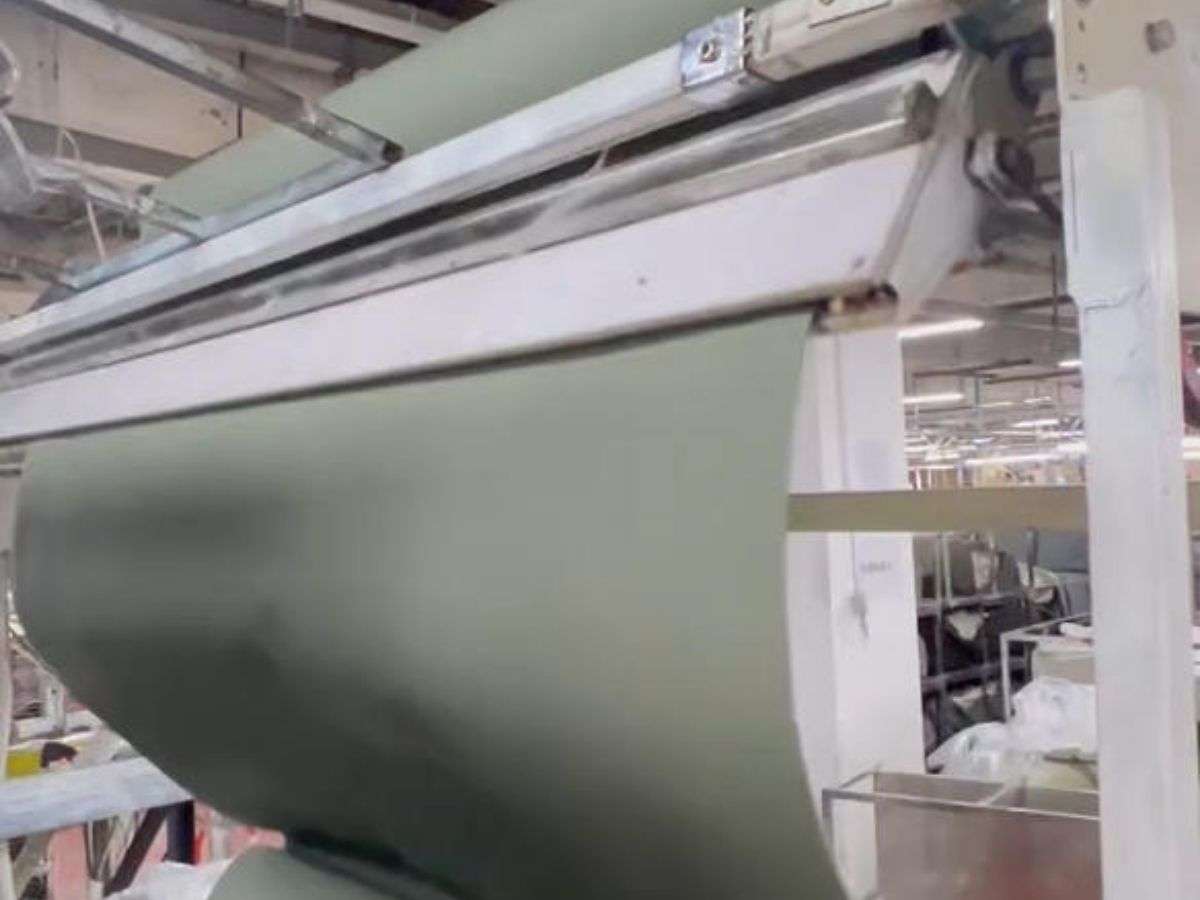
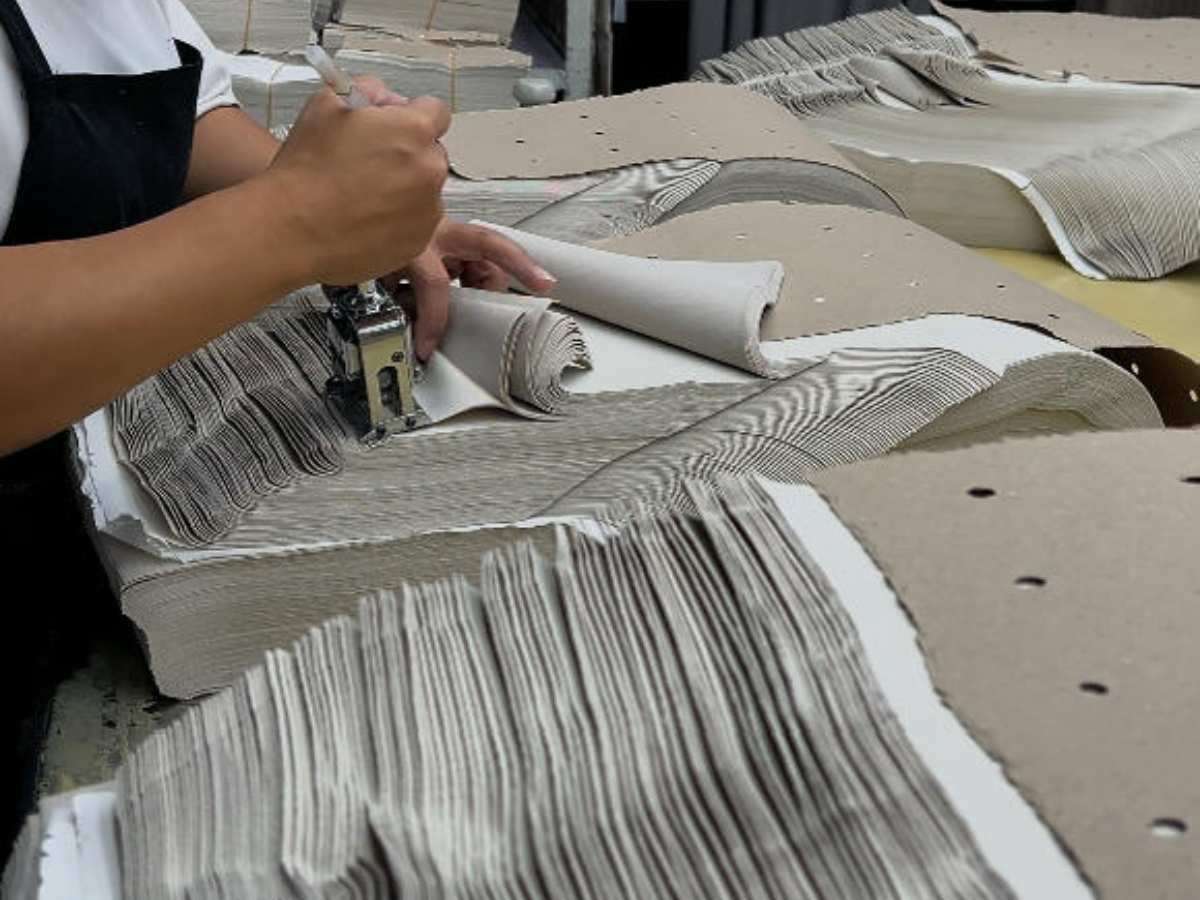
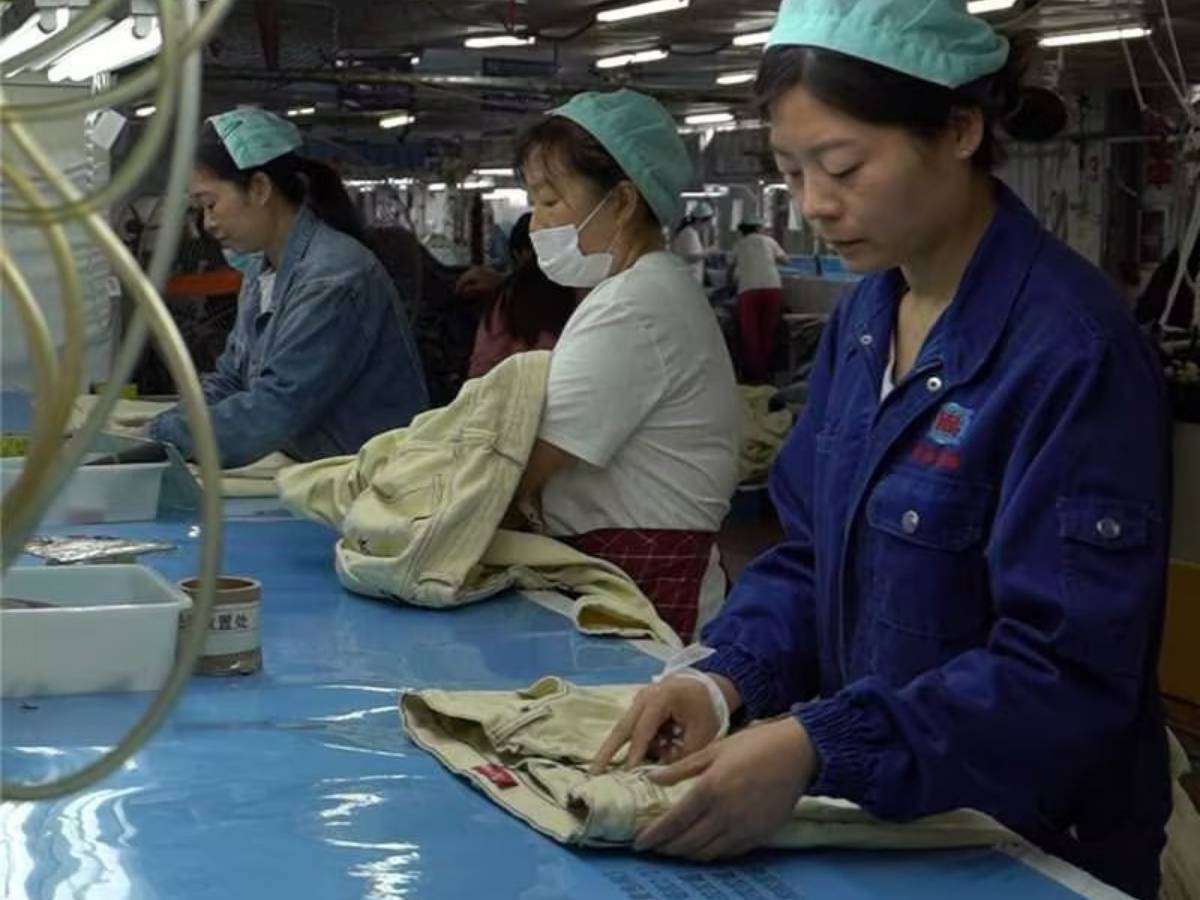
ODM requires more than sewing capacity. Buyers need evidence that a manufacturer can visualize and develop the product, evaluate materials, revise physical samples and then reproduce the approved standard in bulk production.
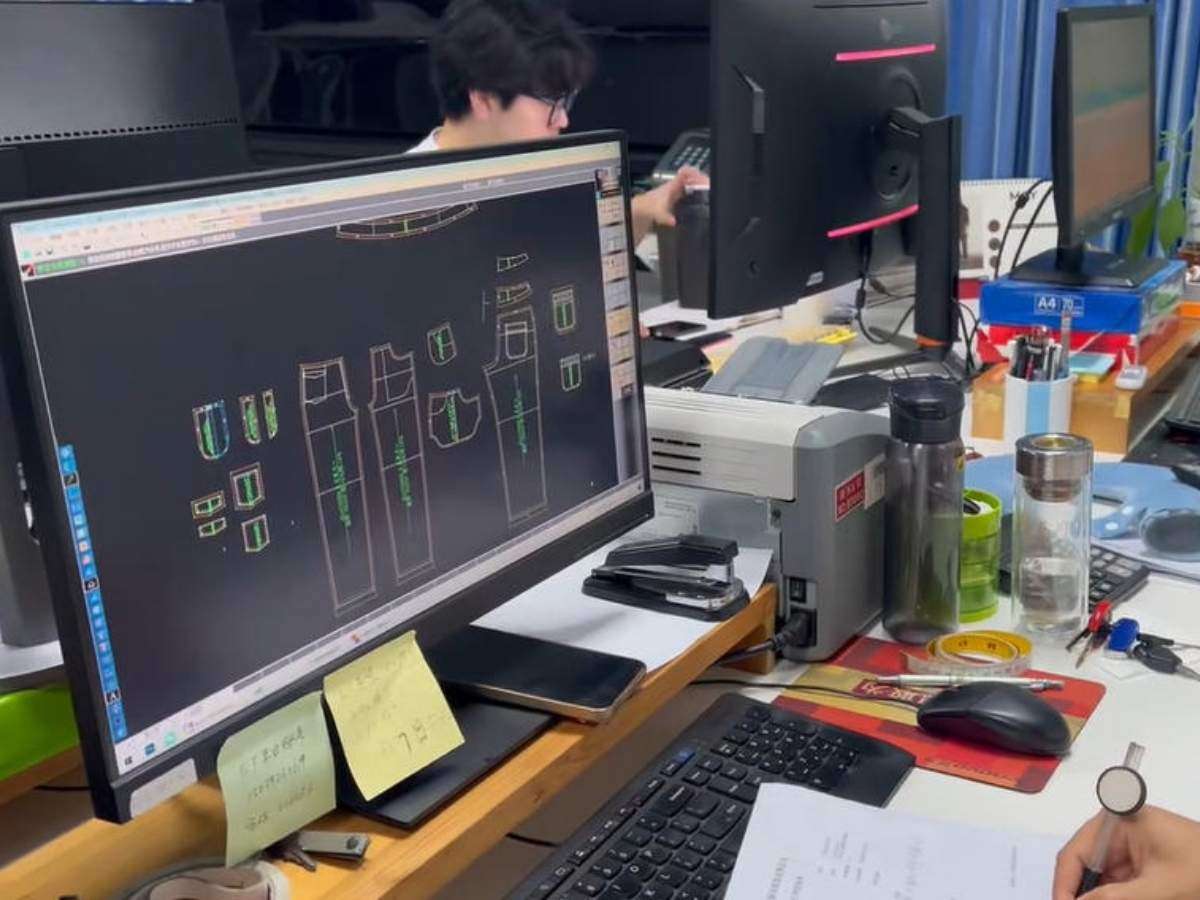
3D Garment Design
3D design software supports early visualization of brand-aligned styles and faster design revisions before physical sampling.
Fabric Testing Center
A dedicated fabric testing center supports material evaluation during product development and production.
Integrated Production System
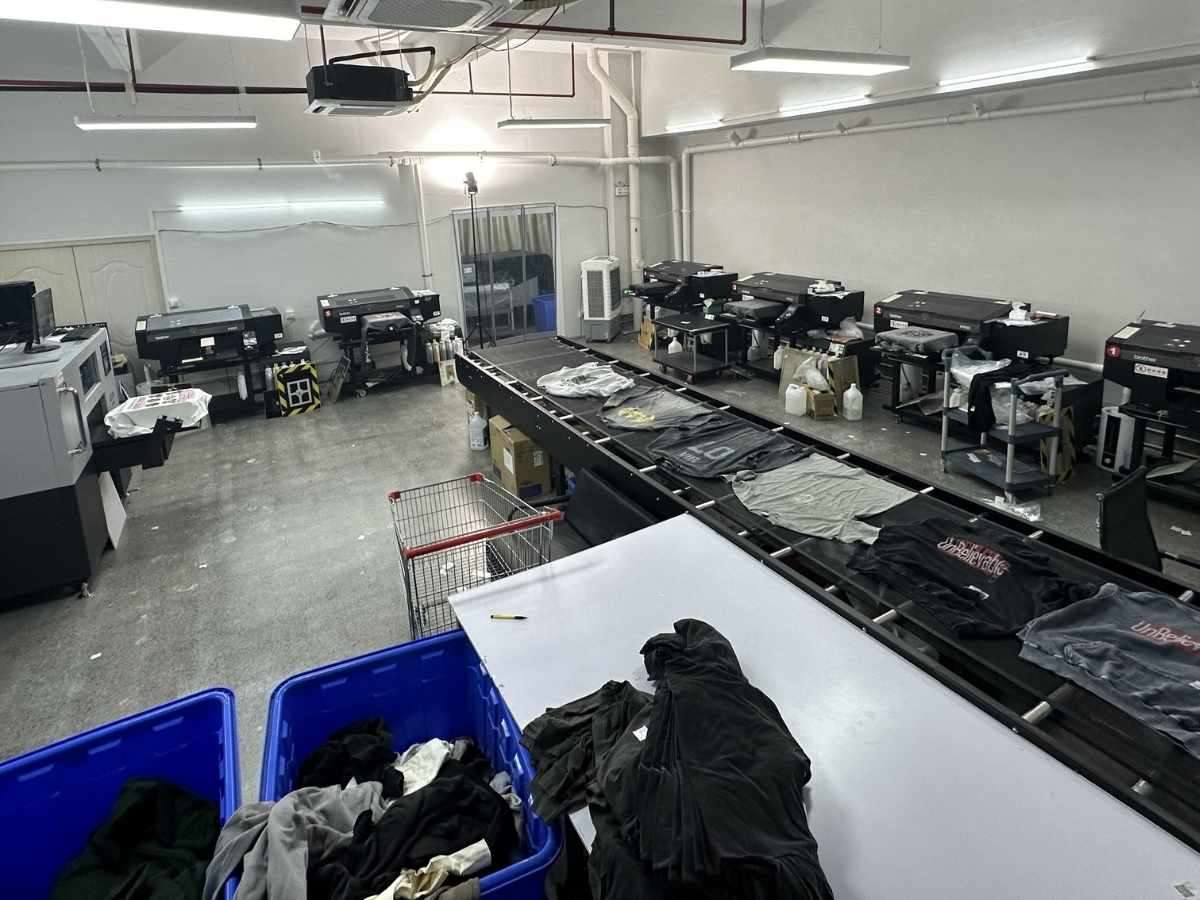
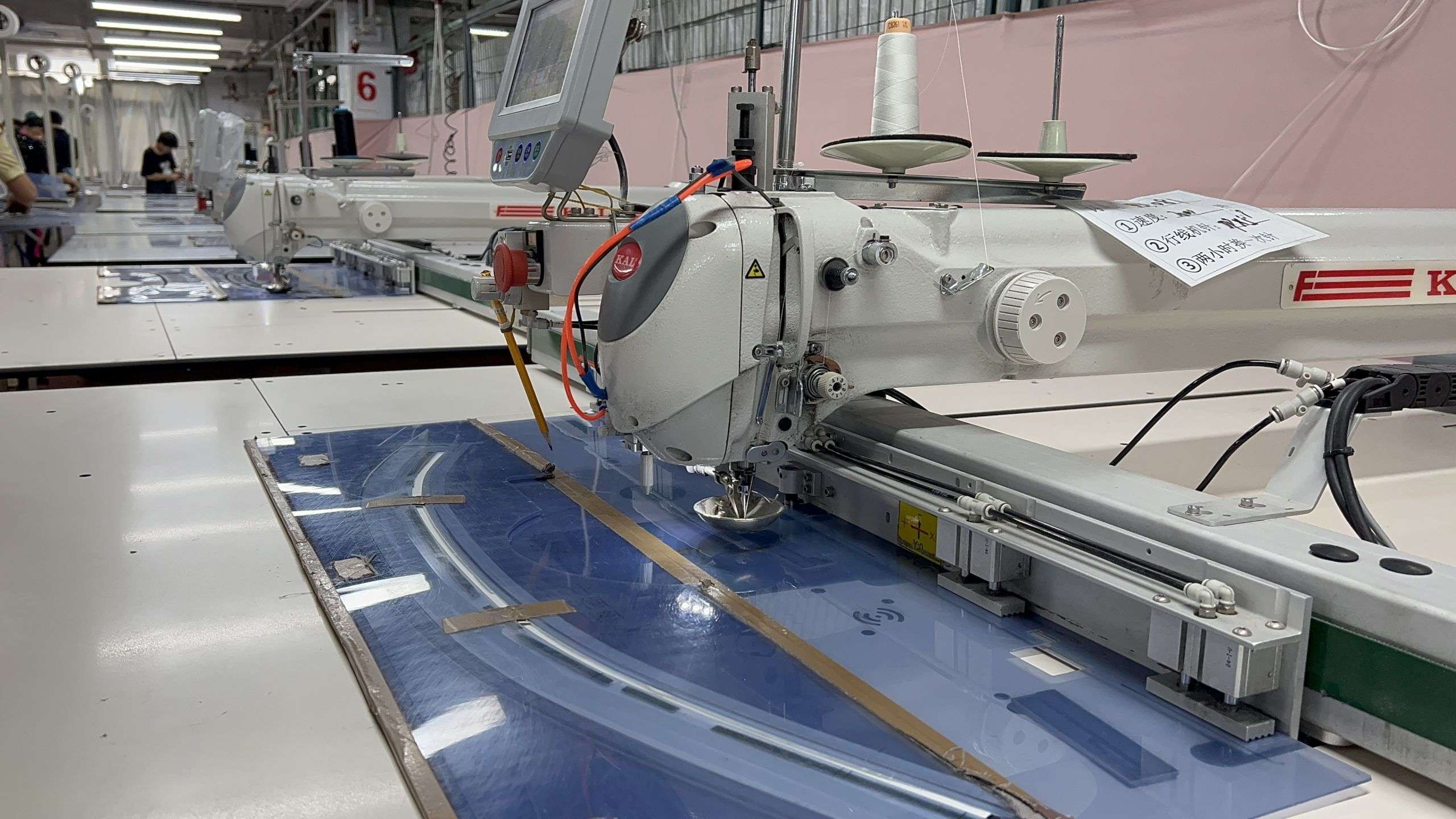
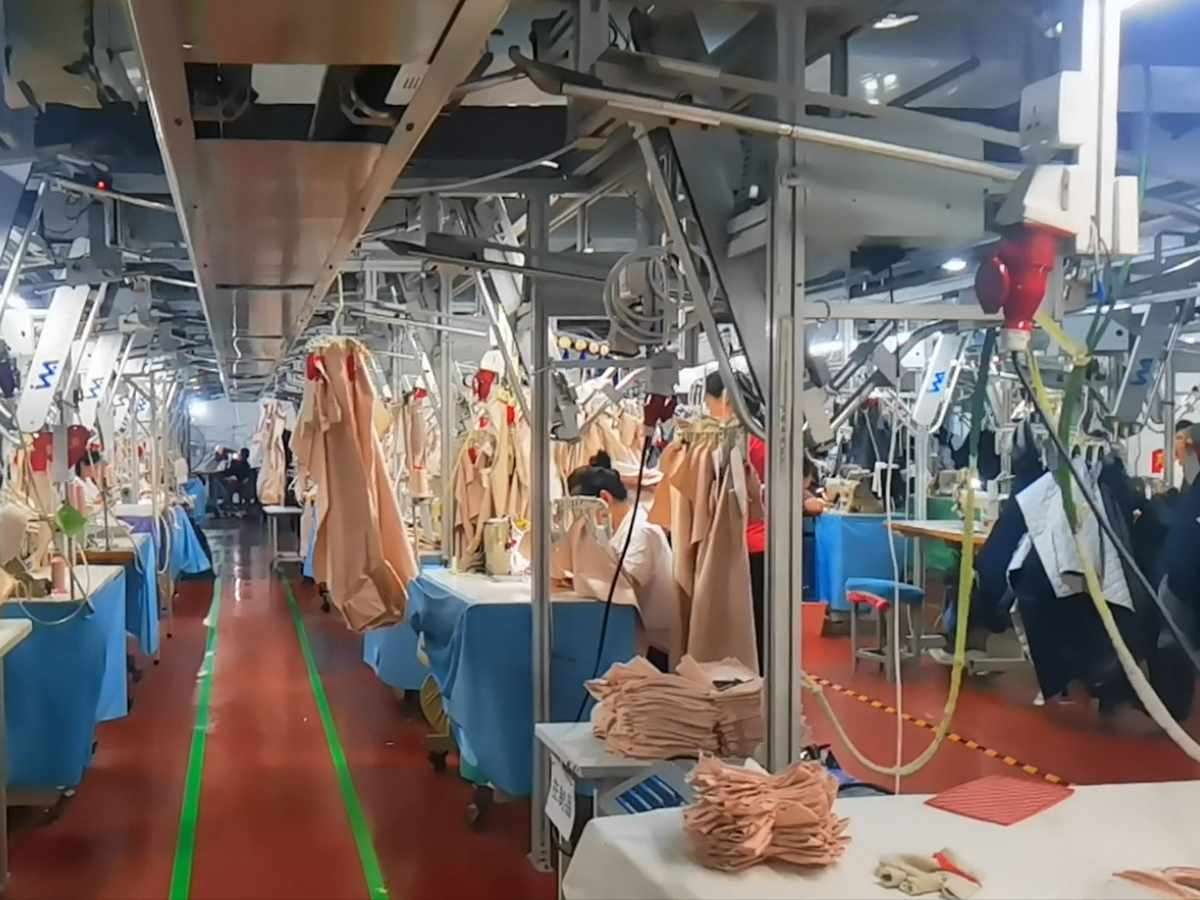
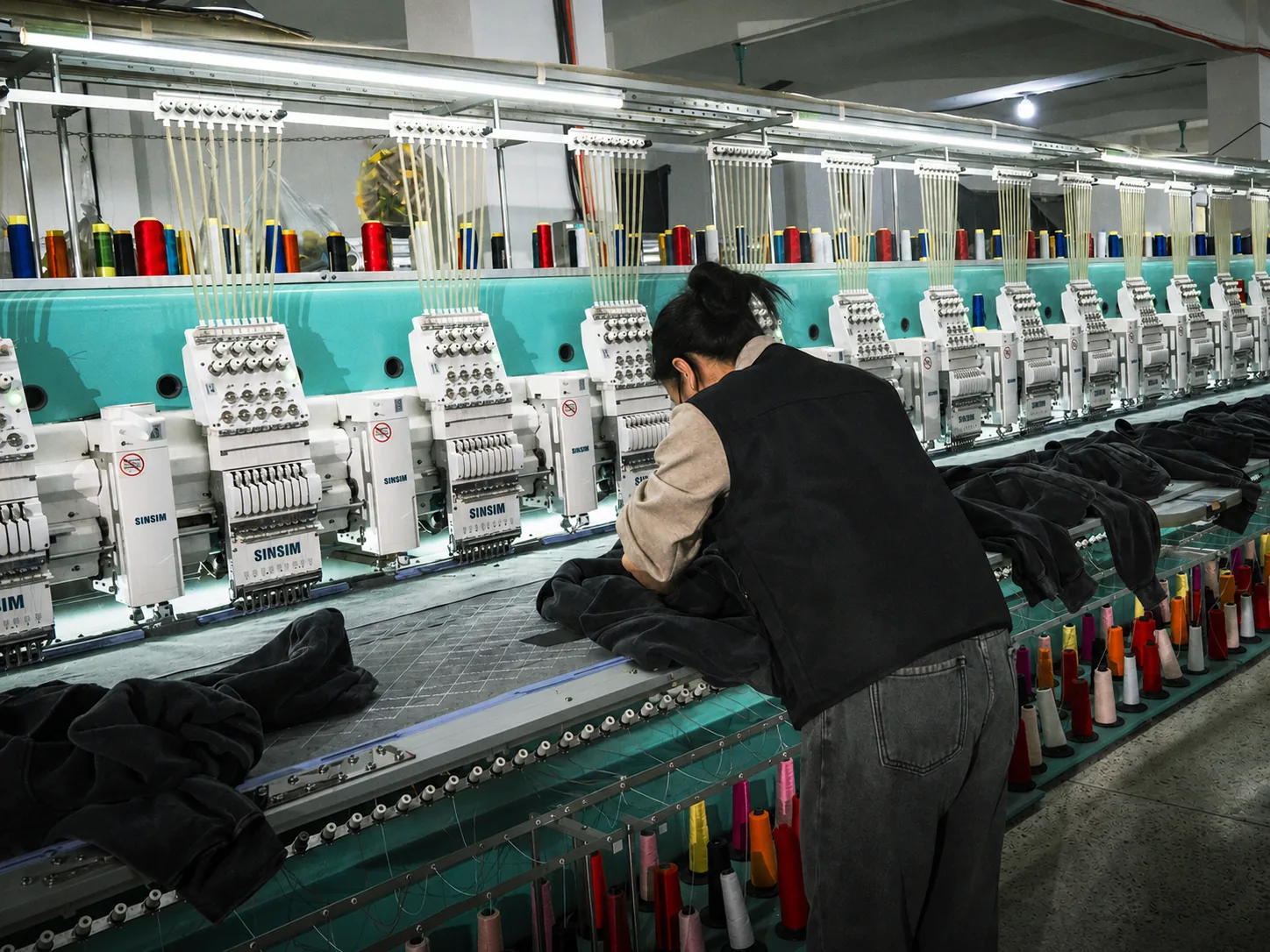
Product development is connected with garment manufacturing and supporting processes so production feasibility can be considered before bulk.
Development Experience
New Asia's development history includes a Hong Kong design studio established in 2001 to support customer and seasonal product development.
Management Systems & Compliance Support
Current management-system and compliance references can be provided for applicable buyer qualification and project review.
GB/T 19001 / ISO 9001
Quality management system reference.
GB/T 24001 / ISO 14001
Environmental management system reference.
GB/T 45001 / ISO 45001
Occupational health and safety management system reference.
BSCI
Social-compliance reference for buyer qualification.
KCB-TE-OCS
Certification / compliance documentation available for applicable buyer review.
SC-KCB-TE
Certification / compliance documentation available for applicable buyer review.
ODM vs. OEM vs. Private Label: Which Route Fits Your Project?
These models represent different starting points and levels of product-development responsibility. Choose the route according to how much of the product is already defined and how much development support is still required.
| Model | Your starting point | Manufacturer role | Best fit | Next page |
|---|---|---|---|---|
| ODM | Market direction, references, idea or incomplete product definition | Product-development support + engineering + manufacturing | Brands that need help turning commercial direction into a production-ready garment | Continue With ODM Development |
| OEM | Defined design, tech pack, approved sample or detailed specification | Manufactures to buyer-controlled product requirements | Brands that already define the product | OEM Service |
| Private Label | Existing or adapted product + brand identity | Applies eligible product changes, labels, branding and packaging | Brands prioritizing simpler product development and branding | Private Label Service |
Why Brands Use New Asia for Design-to-Production Apparel Development
The value of an ODM partner is the ability to reduce the gap between a commercial product direction and a repeatable garment that can be manufactured at scale.
3D Design Before Physical Sampling
3D garment design supports faster early visualization and revision of brand-aligned product direction before a physical sample is made.
Material Evaluation During Development
A dedicated fabric testing center supports the material decisions that influence fit, hand feel, appearance and manufacturing feasibility.
Development & Manufacturing Connected
An integrated production system connects development decisions with garment manufacturing and supporting processes.
Product Development Experience
New Asia's development history includes a Hong Kong design studio established in 2001 to support customer and seasonal product development.
Multiple Apparel Categories
Denim, knit tops, hoodies, casualwear and selected fashion categories can be routed through relevant development and production capabilities.
Scale After Product Approval
Once a stable product standard is approved, 6 specialized manufacturing sites, 12,000+ skilled employees and 30M+ pieces of annual capacity support repeat and larger-volume planning.
Continue With the Resource That Matches Your Next Decision
Use the links below to prepare your collection, compare manufacturing routes, review product-specific development or evaluate factory and supplier requirements.
Prepare Your ODM Collection
Organize your market direction, references, product category, quantity, material preferences and development priorities.
Choose the Right Starting Model
Use a different route when the product is already fully specified, mainly needs branding, or your first order needs startup-stage planning.
Explore Product-Specific Manufacturing
Go deeper into the fit, fabric, construction and quality decisions that are unique to your garment category.
Review Development & Production Evidence
Evaluate how the approved garment moves from product development into material review, bulk manufacturing and quality control.
China Sourcing & Vendor Review
Use procurement resources when your questions extend beyond product development into supplier evaluation and documentation.
See the Production System Behind Development
Review manufacturing capability, production infrastructure and the systems used after an ODM product is approved for bulk.
ODM Clothing Manufacturing FAQs
What is an ODM clothing manufacturer?
An ODM clothing manufacturer contributes to product design and development as well as production. A buyer can begin with a market direction, reference, mood board or product concept instead of a finished technical specification, and the manufacturer helps develop the garment into an approved production standard.
Do I need a tech pack to start an ODM project?
No. A finished tech pack is not required at the beginning of an ODM project. It is more useful to send your target market, product category, references, desired quality level, quantity, customization needs and launch target.
What is the difference between ODM and OEM clothing manufacturing?
ODM starts with more manufacturer involvement in product development. OEM is more suitable when the buyer already controls the design, tech pack, approved sample or detailed product specification and mainly needs manufacturing execution.
Is ODM the same as private label clothing?
Not necessarily. Private label is typically branding-first and often starts from an existing product or established base. ODM involves more manufacturer contribution to product development before the garment reaches an approved production standard.
What is your MOQ for ODM clothing?
Selected in-stock styles have no MOQ. Existing styles with customization can start from 50 pieces. Custom T-shirts, hoodies and sweatpants can start from 100 pieces per color. Garment-dyed products can start from 150 pieces per color. Denim and other fashion garments typically start from 300 pieces per style. Final MOQ depends on product, material and customization requirements.
How long does ODM sample development take?
Sample development typically takes 5–10 days after the key product direction, materials and development inputs are confirmed. Complex fabrics, special washes or multiple revision rounds may require additional time.
How long does ODM bulk production take?
Bulk production typically takes 15–30 days after sample approval, order confirmation and material readiness. Complex fabrics, special washes, custom trims or larger programs can affect the total project calendar.
How much can I customize an ODM design?
Depending on the project, customization can include fabric, color, fit, measurements, wash, printing, embroidery, trims, labels and packaging. Major silhouette or construction changes may require deeper co-development or a different production route.
Can an ODM design be exclusive to my brand?
Exclusivity should be agreed rather than assumed. A factory-developed base may be non-exclusive unless a separate agreement covers design rights, territory, duration or ownership.
Who owns my logo and artwork?
Your own brand assets, logos and artwork are separate from the ownership question surrounding an ODM base design. If your project has special intellectual-property or confidentiality requirements, discuss them before development begins.
Can you sign an NDA before I share my collection idea?
If your project requires an NDA or special confidentiality terms, discuss them with our team before sharing sensitive product, artwork or commercial information so the requirements can be reviewed first.
Can I start with ODM and later move to a fully buyer-defined OEM product?
Yes, depending on the project. A brand may use ODM to establish or test a category and later move to a buyer-defined production route when it has clearer specifications, sales data or proprietary product requirements.
What information should I send to start an ODM project?
Send what you have today, your product category, target customer and market, references, preferred material direction, estimated quantity, desired customization, quality or retail position and target timeline.
Turn Your Product Direction Into an ODM Apparel Collection
Send us your idea, mood board, reference garment, product photos or existing development direction together with your target market, category, quantity and customization requirements.
We will review what you already have and determine whether the project is best suited to a factory-developed starting point or a deeper co-development route.
Idea / Mood Board / Reference · Market · Category · Quantity · Material · Customization · Timeline