

Clothing Sourcing From China for Fashion Brands & B2B Buyers
Sourcing apparel from China is not mainly about finding the lowest quotation. It is about choosing the right production capability, verifying the supplier, approving the product, controlling quality and understanding the true cost and timeline before bulk production.
New Asia Garment supports international buyers through direct apparel production, material sourcing, sampling, manufacturing, quality control and shipment preparation within an established production network.
What Does Clothing Sourcing From China Actually Involve?
Apparel sourcing from China includes identifying a suitable production route, evaluating supplier capability, confirming materials and specifications, developing and approving samples, agreeing commercial terms, controlling bulk-production quality, and coordinating packing and international shipment.
Finding a supplier is only the first step. The real sourcing job is to make sure the supplier, product specification, commercial terms, quality standard and delivery responsibilities remain aligned from quotation to shipment.
Why Do Apparel Brands Source From China?
China can be competitive when buyers evaluate total supply-chain capability, development speed, material access, production scalability and quality-control infrastructure — not labor cost alone.
Supply-Chain Depth
Fabric, trims, printing, embroidery, washing, finishing and packaging can often be coordinated within mature apparel supply networks.
Category Specialization
Different regions and suppliers specialize in different product categories, materials and manufacturing processes.
Production Scalability
A suitable supplier can support sampling, initial production, repeat orders and larger-volume planning after the product is proven.
Customization Infrastructure
Fabric development, pattern work, garment finishing, branding and packaging can be integrated according to project requirements.
Export Experience
Established suppliers may already understand international buyer documentation, communication, packing and shipment preparation.
Commercial Flexibility
Buyers can compare different production routes instead of assuming one supplier model or MOQ fits every product.
6 Questions to Answer Before You Contact a Chinese Clothing Supplier
Key Apparel Sourcing Regions in China
There is no single best city for every clothing project. Buyer fit depends on category specialization, material access, factory capability, development depth and required production scale.
Manufacturer vs. Trading Company vs. Sourcing Agent
No supplier model is automatically right or wrong. The key is knowing who actually controls production, what service layer you are paying for and where technical responsibility sits.
| Supplier type | Main advantage | Potential risk | Best fit |
|---|---|---|---|
| Direct Manufacturer | Direct technical and production communication | May be more specialized by category or process | Buyers with clear product requirements and repeat-production goals |
| Trading Company | Broader category coverage and supplier coordination | Production chain may be less visible | Multi-category sourcing where one commercial interface is useful |
| Sourcing Agent | Local supplier search, coordination and communication support | Adds another service layer and fee structure | Buyers unfamiliar with the Chinese supplier landscape |
| Wholesale Market | Fast style discovery and low-commitment stock purchasing | Limited customization and repeat consistency | Retail testing, stock buying and rapid assortment research |
How Should B2B Buyers Find Clothing Suppliers in China?
Supplier discovery can begin through search engines, B2B marketplaces, trade shows, referrals, local markets, sourcing specialists or direct factory research. The important step is to move quickly from “finding names” to verifying actual production capability.
Use discovery channels to build a shortlist, then compare product specialization, MOQ, sample quality, documentation, communication and factory evidence before committing to bulk production.
8 Checks Before You Approve a Clothing Supplier in China
What Should a Chinese Clothing Factory Be Able to Show You?
Good supplier evidence is specific, current and relevant to the product you are actually buying. A factory should be able to connect its commercial claims with verifiable company, production and quality evidence.
Company Identity & Operating Footprint
Legal company details, business identity, relevant production sites and a clear explanation of where commercial and manufacturing activities take place.
Production Evidence
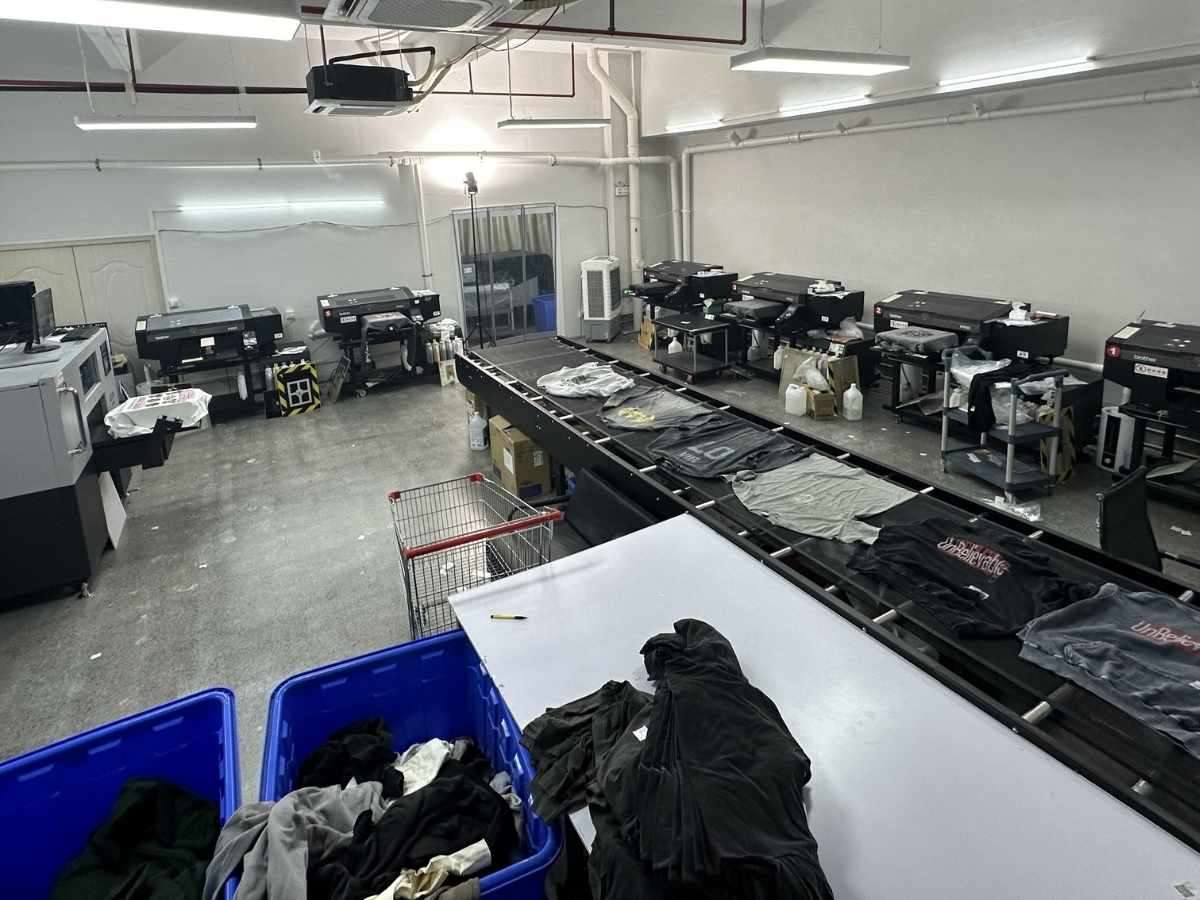
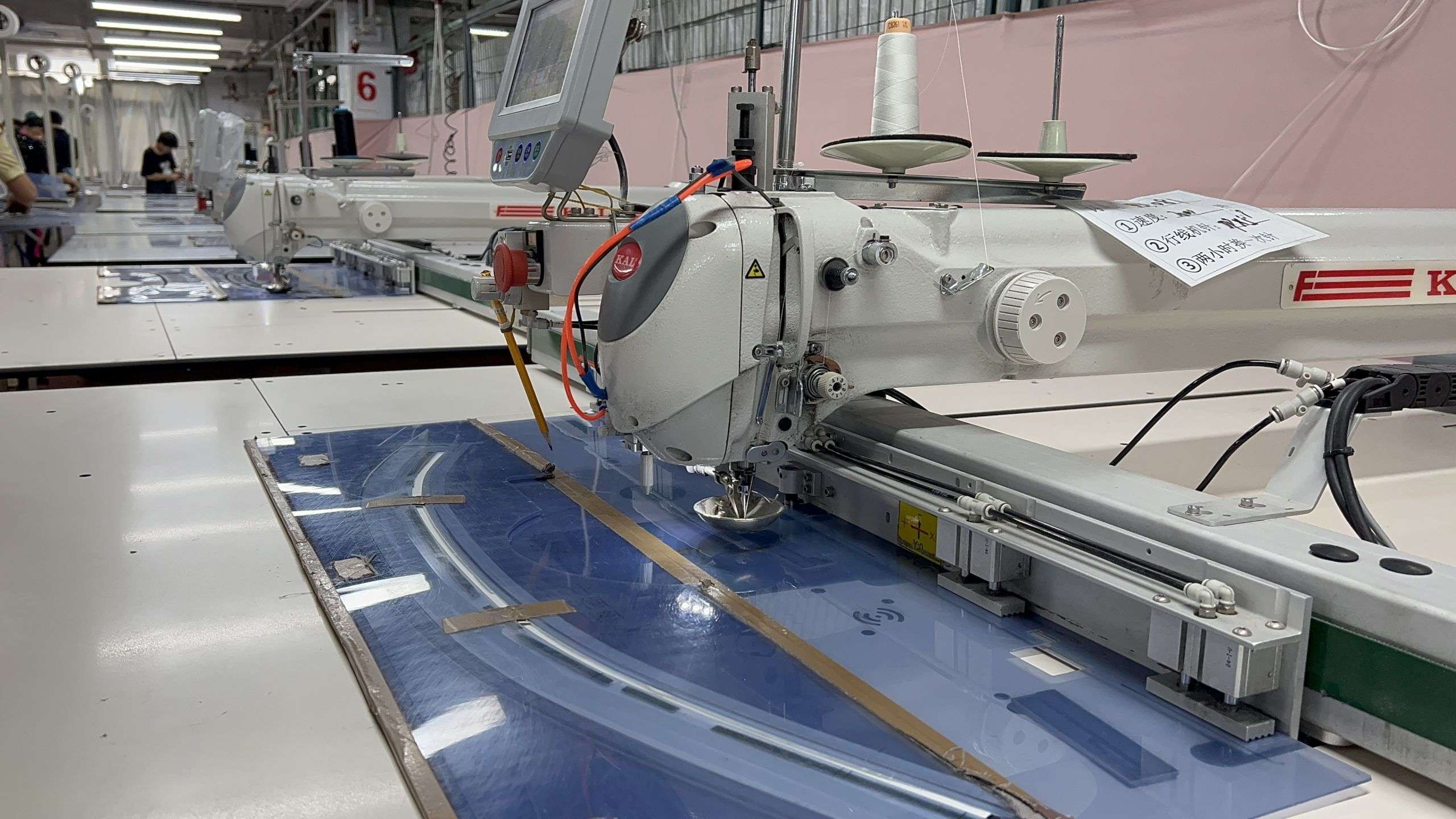
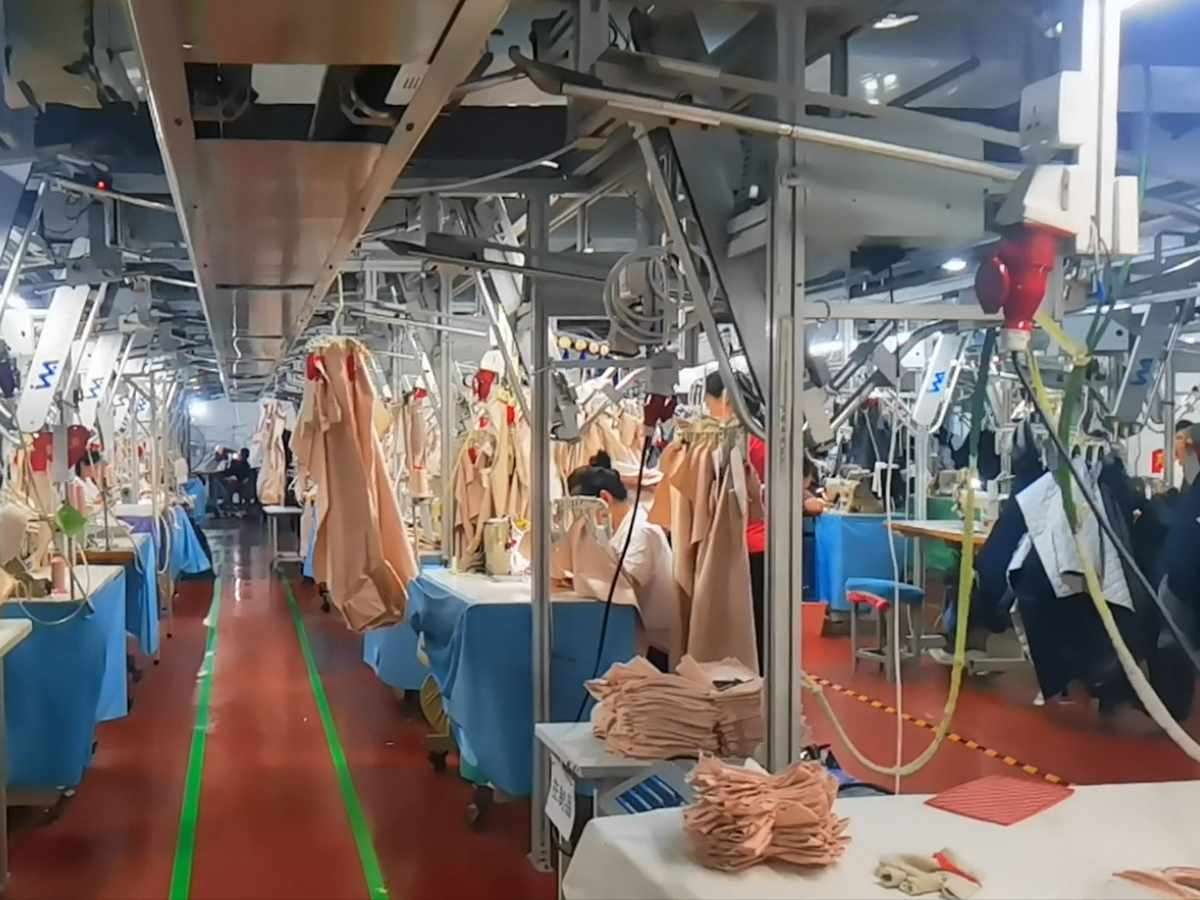
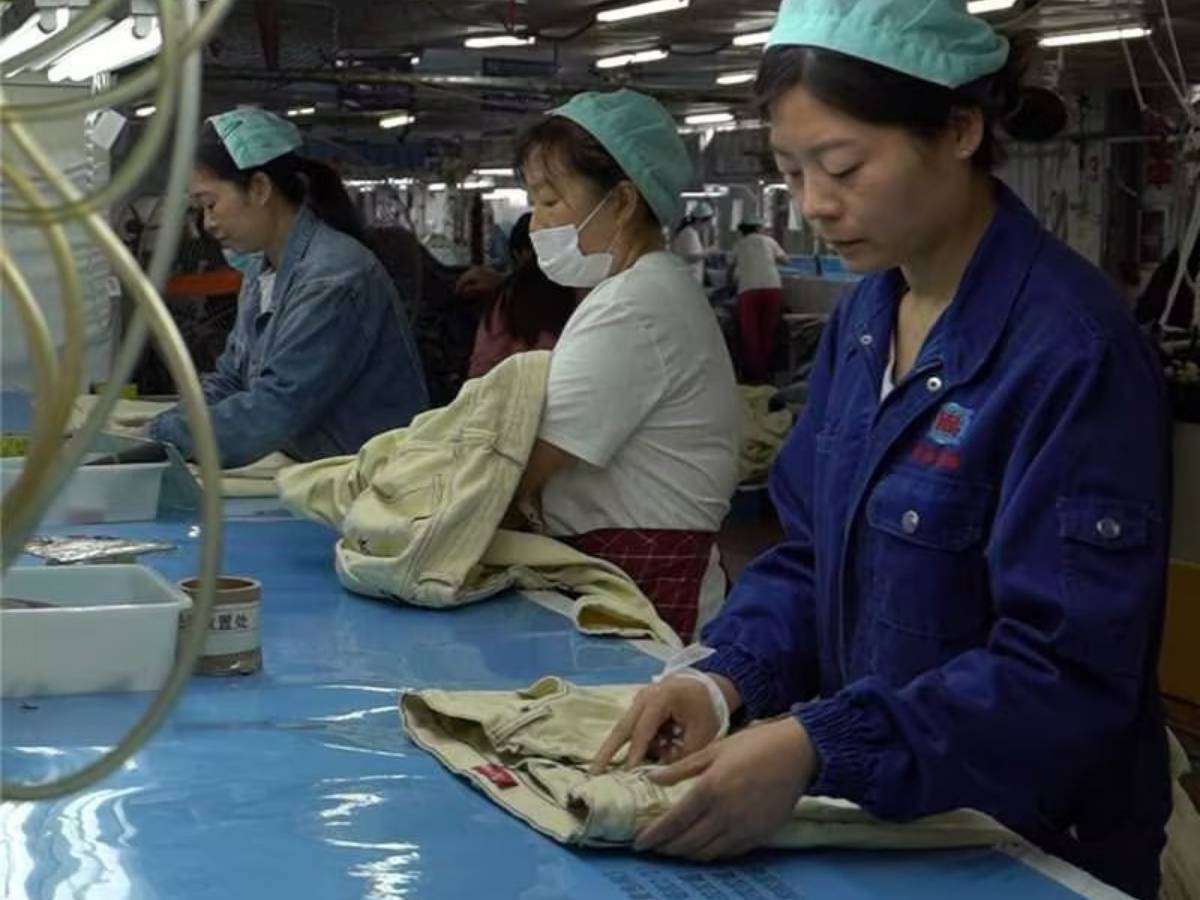
Real workshop photos or video, relevant machines, production lines and category-specific manufacturing work.
Development Capability
Sample room, fabric review, technical development and product-approval processes relevant to the order.
Quality Evidence
Inspection checkpoints, measurement records, traceability systems and the approved standard used for bulk production.
Compliance Documentation
Current certificates with the legal entity, site, scope, issuer and validity information needed for buyer qualification.
Commercial Clarity
MOQ, lead time, quotation scope, payment terms, packing and shipping responsibility stated in writing before production.
What Should You Prepare Before Requesting a China Apparel Sourcing Quote?
The best sourcing inquiries do not need to be perfect, but they should give the supplier enough information to understand the product, order size, quality level and delivery expectations.
Why Some Sourcing Quotations Are More Accurate Than Others
| RFQ quality | Buyer provides | Quotation reliability |
|---|---|---|
| Low | “How much for 500 hoodies?” | Very low — fabric, construction, decoration, quality and delivery assumptions are unknown. |
| Medium | Product photo + quantity + basic fabric direction | Useful for rough feasibility, but final cost can still move after sampling and specification review. |
| High | Specification or reference + fabric + quantity + customization + quality + market + timeline | Much stronger basis for comparing suppliers and planning the real project. |
How MOQ Affects China Apparel Sourcing
MOQ is not only a supplier preference. It can be created by fabric minimums, color minimums, printing or embroidery setup, wash processes, custom trims and production-line economics.
In-Stock Styles
No MOQ
For selected ready-stock products without production customization.
Existing Styles With Customization
From 50 pcs
For eligible existing styles and applicable customization routes.
T-Shirts, Hoodies & Sweatpants
From 100 pcs/color
For selected custom knit and casualwear programs.
Garment-Dyed Products
From 150 pcs/color
Depending on fabric and garment-dye requirements.
Denim & Other Fashion Garments
From 300 pcs/style
Typical for more complex fashion production routes.
How to Compare Clothing Factory Quotations
Do not compare two supplier quotations only by unit price. First confirm that both factories are pricing the same product and the same commercial responsibility.
Product Scope
Fabric composition, GSM / weight, construction, wash, decoration and trims.
Branding & Packaging
Labels, hangtags, packing materials, carton marks and retail presentation.
Development Costs
Sample fees, pattern or development charges, wash trials and artwork setup where applicable.
Quality & Testing
Inspection scope, measurement tolerances, third-party testing or buyer-specific requirements.
Commercial Terms
MOQ, payment schedule, quotation validity and order-change conditions.
Incoterm & Freight
EXW, FOB, CIF or DDP responsibility can materially change what the quoted price includes.
Factory Price vs. Total Landed Cost
A factory unit price is only one part of the buying decision. International buyers should estimate the cost of getting sellable goods to the final destination.
Product Cost + Sampling / Development + Packaging + Inspection / Testing + Freight + Insurance + Import Duty / Tax + Customs / Brokerage = Total Landed Cost
The exact responsibility depends on the Incoterm, destination market and formal quotation. Buyers should avoid assuming that a shipping term automatically includes every customs, tax or delivery cost.
EXW vs. FOB vs. CIF vs. DDP in Apparel Sourcing
| Term | Supplier responsibility | Buyer responsibility | Useful when |
|---|---|---|---|
| EXW | Goods made available at the agreed origin point | Most export, freight and import coordination | Buyer has strong logistics control |
| FOB | Export-side delivery to the agreed port / shipment point | Main freight, import and destination costs | Common for experienced importers |
| CIF | Cost, insurance and freight to the agreed destination port under the quoted terms | Import clearance and destination-side costs | Buyer wants supplier-arranged main freight to port |
| DDP | Broader delivery responsibility as specifically quoted | Reduced logistics coordination, subject to the formal agreement | Buyer wants a more bundled delivery arrangement |
Why Sampling Matters Before a China Production Order
A sample is not only a product-development step. It is also a practical test of the supplier's ability to understand requirements, source materials, communicate clearly and reproduce the agreed quality standard.
Fabric
Does the supplier understand the required composition, weight, hand feel and appearance?
Fit & Construction
Can the sample meet measurements, proportions and workmanship expectations?
Decoration & Finishing
Are wash, printing, embroidery, labels or trims executed as approved?
Communication
Does the supplier document changes, answer questions and manage revision feedback reliably?
How Should B2B Buyers Control Quality When Sourcing From China?
Quality control works best when the approved standard is defined before production, checked during manufacturing and verified again before shipment.
Before Production
Close the approved sample, specifications, measurements, tolerances, materials, branding and packing requirements.
During Production
Check key materials, workmanship, measurements and production progress while problems can still be corrected.
Before Shipment
Review finished goods, quantities, labels, packaging and order-specific quality requirements.
Corrective Action
Define how non-conformities are documented, corrected and rechecked before goods are released.
Red Flags When Sourcing Clothing From China
China Apparel Sourcing Checklist Before You Place an Order
Company
- Legal identity confirmed
- Address confirmed
- Contract / payee consistency checked
Factory
- Workshop or production evidence reviewed
- Capacity discussed
- Product specialization verified
Product
- Fabric confirmed
- Sample approved
- Specifications documented
Commercial
- MOQ confirmed
- Quotation scope clear
- Payment and Incoterm agreed
Quality & Compliance
- QC process defined
- Tolerances agreed
- Certificates / scope / validity reviewed
Delivery
- Production timing confirmed
- Packing requirements closed
- Shipping responsibility documented
Our 10-Step China Apparel Sourcing & Production Workflow
01 — Project Requirements
Define product, quantity, quality level, target market and delivery goal.
02 — Production Route Review
Determine how defined the product is and which development / production route fits.
03 — Product & Material Feasibility
Review fabric, construction, finishing, branding and MOQ constraints.
04 — Quotation
Prepare pricing based on the confirmed scope rather than an undefined reference alone.
05 — Sample Development
Create and revise the sample according to the selected product route.
06 — Buyer Approval
Close product, measurements, materials, appearance, branding and packing standards.
07 — Order & Material Confirmation
Confirm quantity, commercial terms, materials and production readiness.
08 — Bulk Production
Manufacture according to the approved product and order requirements.
09 — Quality Inspection
Check agreed quality points before shipment release.
10 — Packing & Shipment Coordination
Verify packing and coordinate shipment preparation under the agreed commercial terms.
Source Through an Established Apparel Manufacturing Network in China
Direct sourcing works best when the buyer can connect commercial communication with product development, material control, production planning, quality evidence and a clear operating footprint.
China Operating Footprint
New Asia maintains company and business operations across Henan, Shanghai, Guangzhou and Zhejiang, supported by additional design and commercial resources.
Digital Order & Workshop Management
Order-planning and workshop-management systems track production output, quality, labor time and other operating data during manufacturing.
Material Coding & Barcode Management
Raw materials such as fabrics, trims and yarns are managed with standardized coding, while purchased materials can be handled through barcode-supported receiving, movement and inventory processes.
Material & Product Review
Evaluate materials, construction, customization and production feasibility before committing the project to bulk manufacturing.
Sampling & Approval
Create a physical product standard that both the buyer and production team can use during bulk manufacturing.
Long Operating Experience
Over its operating history, New Asia has served more than 600 companies and brands across different apparel programs and buyer requirements.
How Buyers Should Review Factory Certificates & Compliance Documents
Certificate logos are not enough. Buyers should review the document against the legal entity, factory or site, scope, issuing body, validity period and the product or material claim being made.
GB/T 19001/ISO 9001
Quality management system reference.
GB/T 24001/ISO 14001
Environmental management system reference.
GB/T 45001/ISO 45001
Occupational health and safety management system reference.
BSCI
Social-compliance reference for applicable buyer qualification.
KCB-TE-OCS
Current certification documentation available for applicable buyer and material review.
SC-KCB-TE
Current certification documentation available for applicable buyer and material review.
What Buyers Can Review Before Building a Long-Term Relationship With New Asia
Supplier due diligence is stronger when company identity, operating presence, product development, manufacturing and quality systems can be reviewed together rather than as separate marketing claims.
China Operating Presence
Company and business operations across Henan, Shanghai, Guangzhou and Zhejiang, with additional design and commercial resource support.
Production Planning Systems
Digital order and workshop-management systems support production planning and operating-data visibility.
Material Traceability
Standardized material coding and barcode-supported purchasing and warehouse movements help connect material information with production.
Garment-Level Traceability
Each garment can carry a traceable barcode linked to production operations and responsible personnel.
Continue With the Resource That Matches Your Next Sourcing Decision
Use the resources below to find suppliers, verify factories, understand Chinese manufacturing regions, compare commercial terms or move from sourcing research into the correct production route.
Where to Find Apparel Suppliers
Review marketplaces, trade shows, referrals, regional channels and direct factory research before building a shortlist.
Verify the Supplier Before Ordering
Review legal identity, production evidence, samples, quality systems, capacity and compliance documentation before committing an order.
Guangzhou & Apparel Sourcing Regions
Use city- and region-specific guides when market access, fabric networks or local production clusters matter to your sourcing plan.
Commercial Planning
Compare MOQ, quotation scope, order size and the difference between factory price and total landed cost.
Approve the Product Before Bulk
Use the sample and written product requirements to create a production standard before the order moves into bulk manufacturing.
Move From Sourcing Research to Production
Once the supplier-selection question is resolved, continue to the manufacturing route that matches your actual starting point.
Clothing Sourcing From China FAQs
What does clothing sourcing from China involve?
It involves identifying a suitable supplier and production route, confirming product and material requirements, developing and approving samples, agreeing commercial terms, controlling quality during bulk production and coordinating packing and shipment.
How do I find clothing suppliers in China?
Buyers can use B2B marketplaces, trade shows, referrals, sourcing specialists, regional markets, search engines and direct factory research. The important next step is verifying real production capability rather than relying only on a supplier profile.
How do I verify a Chinese clothing factory?
Confirm the legal entity, factory location, product specialization, sample capability, MOQ and capacity, quality-control process, compliance documentation and export communication. Ask for current evidence relevant to the product you plan to buy.
Is a manufacturer better than a trading company?
Not automatically. Direct manufacturers offer more direct technical and production communication, while trading companies can offer broader category coordination. The right choice depends on product complexity, supplier transparency, category breadth and how much local coordination you need.
What MOQ should I expect when sourcing apparel from China?
At New Asia, selected in-stock styles have no MOQ, existing styles with customization can start from 50 pieces, selected custom T-shirts, hoodies and sweatpants from 100 pieces per color, garment-dyed products from 150 pieces per color, and denim or other fashion garments typically from 300 pieces per style.
How long does sampling take?
Sampling typically takes 5–10 days after key product and material inputs are confirmed. Complex development, custom fabrics or multiple revisions can extend the complete approval calendar.
How long does bulk apparel production take?
Bulk production typically takes 15–30 days after sample approval, order confirmation and material readiness. Product complexity, fabric, finishing and order size can affect the full production schedule.
What should I send to get an accurate factory quotation?
Send the product category, starting point, quantity, fabric requirements, customization, quality level, target market, delivery target and shipping destination. A tech pack or clear reference can improve quotation accuracy where available.
How should I compare quotations from different factories?
Compare the same fabric, construction, decoration, labels, packaging, quality requirements, sample costs, testing scope, Incoterm, freight responsibility and payment terms. Unit price alone does not show whether two quotations cover the same product.
What is landed cost?
Landed cost is the total cost of getting sellable goods to the final destination. It may include product cost, development, packaging, inspection, testing, freight, insurance, import duty, tax and customs or brokerage charges depending on the commercial arrangement.
Should I use FOB or DDP?
FOB can suit experienced importers who manage main freight and import responsibilities, while DDP may suit buyers who want a more bundled delivery arrangement. The best choice depends on destination, logistics capability and the exact responsibilities written in the quotation.
What are common red flags when sourcing clothing from China?
Common red flags include unclear production location, unexplained unusually low pricing, repeatedly changing MOQ, differences between sample and bulk materials, certificate logos without current documents, inconsistent payment identity, lack of written production standards and suppliers claiming unlimited capability without evidence.
Which Chinese region is best for apparel sourcing?
There is no single best region for every project. Guangdong, Zhejiang, Jiangsu, Fujian and Henan have different apparel, textile and production strengths. Supplier capability and product fit matter more than choosing a city name alone.
Move From Supplier Research to a Production-Ready Apparel Project
Send your product category, reference or specification, quantity, fabric requirements, quality level, customization, target market and delivery window.
We will review supplier fit, MOQ, sampling requirements, production feasibility and the next step toward a formal quotation.