

Denim Manufacturer in China for Fabric, Wash & Garment Production
New Asia Garment supports fashion brands from denim fabric selection and fit development through pattern making, sample approval, cutting, sewing, custom washing, finishing, quality control and scalable bulk production.
Denim production is not only cut-and-sew. Fabric behavior, shrinkage, wash development, hardware, post-wash measurements and batch consistency all influence whether an approved sample can be reproduced reliably in bulk.
What Is Denim Manufacturing?
Denim manufacturing is the coordinated process of converting denim fabric and garment requirements into finished apparel through fabric evaluation, pattern and fit development, cutting, sewing, hardware application, washing, finishing and quality control.
Unlike basic cut-and-sew apparel, denim can change significantly after washing and finishing. Fabric shrinkage, stretch recovery, shade, wash intensity and finishing can all affect final measurements and appearance. That makes pre-wash planning, wash approval and post-wash quality control critical parts of the production system.
Choose the Right Commercial Route for Your Denim Project
Denim is the product vertical. The correct manufacturing model depends on how much of the product you already define.
I Have a Defined Product
You have a complete design, tech pack, approved sample or detailed specification and need manufacturing execution.
I Have References or a Collection Direction
You know the target customer, fit direction, wash reference or collection concept but need more development support.
I Want to Adapt an Existing Product for My Brand
You want an established garment base and focus on eligible product changes, branding, labels and packaging.
Denim Garment Categories We Produce
Denim production requirements change by garment category. For jeans, fit, rise, pockets, hardware and finished-garment measurements require additional product-specific decisions; jackets, skirts, shorts and dresses have their own construction and wash considerations.
Jeans
Fit, rise, leg shape, fabric, wash, stitching, pockets, rivets, buttons and final post-wash measurements are coordinated as one production system.
Denim Jackets
Fabric weight, seam construction, collar and pocket structure, hardware, wash direction and finished hand feel are reviewed together.
Denim Shorts
Waist, rise, inseam, hem finishing, distressing and wash effects require post-wash measurement and appearance approval.
Denim Skirts
Silhouette, waistband, slit or hem construction, fabric recovery and finishing influence both fit and visual appearance.
Denim Dresses
Fabric drape, weight, shrinkage, seam construction and wash behavior must align with the intended silhouette.
Denim Vests & Fashion Garments
Selected products can combine structured construction, hardware, patches, washes and brand-specific finishing.
Choosing the Right Denim Fabric for Your Product
Denim fabric is not a background material choice. Composition, weight, stretch, shade and shrinkage directly affect fit, sewing behavior, wash development and the final garment appearance.
| Fabric variable | What to define | Why it matters |
|---|---|---|
| Composition | Cotton, stretch blend or verified specialty direction | Hand feel, recovery, wash behavior and product positioning. |
| Weight | Preferred oz / GSM range | Structure, drape, sewing, seasonality and wash response. |
| Stretch | Stretch % and recovery expectation | Fit engineering, pattern allowance and post-wash stability. |
| Construction | Twill / surface character / fabric structure | Appearance, durability and finishing result. |
| Shade | Indigo direction or target washed tone | Starting point for wash development and batch control. |
| Shrinkage | Expected before / after wash behavior | Pattern planning and finished measurements. |
| Hand Feel | Rigid, structured, soft or comfort-focused | Product positioning and finishing route. |
| Surface / Finish | Raw, washed, coated or verified special finish | Can change cutting, sewing, washing and QC. |
Rigid Denim
Best when structure and authentic denim character are priorities. Fit and shrinkage planning are especially important because there is less stretch recovery.
Stretch Denim
Useful for comfort-focused products, but stretch percentage and recovery must be controlled because they influence fit stability after wear and washing.
Specialty Denim
Selvedge, recycled-content, organic-content or other specialty materials should be discussed against real availability, MOQ and order-specific documentation.
Denim Fabric Production Since 1995
New Song Denim Fabric was established in 1995 to support denim development and supply. The company profile reports annual denim fabric output of more than 30 million meters.
Multiple Denim Constructions
Company-profile fabric capabilities include mercerized, stretch and warp-and-weft slub denim constructions for different product and wash directions.
Dedicated Fabric Testing Center
A dedicated fabric testing center supports material evaluation during development and production before the approved fabric moves into bulk garment manufacturing.
What Denim Specifications Should You Confirm Before Sampling?
A denim sample is more useful when fabric, fit and wash variables are defined before the first development round.
Denim Fit, Pattern & Shrinkage Engineering
Denim fit cannot be controlled only at the sewing stage. The finished garment is affected by fabric shrinkage, stretch recovery, wash intensity and the allowances built into the pattern before washing.
Denim Garment Construction & Reinforcement
Construction decisions affect durability, wash behavior and the visual language of the finished denim garment. The goal is not only to assemble the garment, but to reproduce the approved construction consistently after finishing.
Seam Construction
Seam type and allowance should suit fabric weight, garment stress and wash route.
Topstitching
Thread color, stitch density and visual consistency contribute strongly to denim appearance.
Pocket Construction
Pocket shape, placement, reinforcement and lining choices affect function and brand identity.
Bartacks & Reinforcement
High-stress points such as pocket openings and belt loops require reliable reinforcement.
Waistband & Belt Loops
Alignment, attachment and post-wash stability influence fit and durability.
Buttons, Rivets & Zippers
Hardware should match construction, brand direction and final finishing conditions.
Patch & Brand Details
Patches, woven branding and other trims should be approved before bulk application.
Hem & Edge Finishing
Standard hem, raw edge, fray or other finishing affects appearance and wash durability.
Denim Washing & Finishing Capabilities
The wash is one of the most visible parts of a denim product, but it also changes hand feel, shade, surface character and garment measurements. Every wash should therefore be treated as a controlled product-development variable rather than a cosmetic afterthought.
How Do We Approve a Denim Wash Before Bulk Production?
A written description such as “medium vintage wash” is not enough for consistent bulk production. The approved physical sample should become the visual and measurement reference.
1. Define the Wash Reference
Provide a photo, physical garment or visual target showing shade, contrast, fade, distressing and overall hand feel.
2. Develop the Wash Sample
Apply the proposed washing and finishing route to the selected denim and garment construction.
3. Review Appearance & Measurements
Check shade, contrast, hand feel, distressing and dimensional changes caused by washing.
4. Approve the Standard
Confirm the physical reference sample and relevant measurements before bulk production.
5. Control Bulk Batches
Compare production lots with the approved standard instead of relying only on process settings.
6. Final Shade & Appearance Review
Check finished garments for acceptable wash consistency before packing and shipment.
Why Can Denim Wash Shades Vary Between Batches?
Denim is a process-sensitive material. Fabric lot, indigo shade, wash load, process time, temperature, chemical or enzyme conditions, drying and finishing can all influence the final appearance.
The goal of quality control is not to claim that every garment will be visually identical under all conditions. A better production system defines an approved wash standard and acceptable tolerance, then compares bulk batches against that reference.
What Should You Send for a Denim Manufacturing Quote?
The more clearly you define the fabric, fit, wash and hardware direction, the faster our team can evaluate the project and recommend the correct production route.
Our 10-Step Denim Manufacturing Process
01 — Project Review
Confirm product type, target market, quantity, development route and commercial requirements.
02 — Denim Fabric Selection
Review composition, weight, stretch, shade, shrinkage and material availability.
03 — Pattern, Fit & Shrinkage Planning
Build expected wash behavior into the development pattern and finished measurement target.
04 — Sample Development
Create the initial garment sample for construction, fit and wash testing.
05 — Wash Development & Approval
Develop and approve wash appearance, hand feel and post-wash measurement standard.
06 — Pre-Production Confirmation
Close fabric, hardware, construction, wash standard, labels, packing and order details.
07 — Cutting & Sewing
Bulk garments are cut and sewn according to the approved construction and pattern requirements.
08 — Washing, Finishing & Hardware
Apply the approved wash / finish and complete required hardware and brand details.
09 — Denim Quality Control
Review fabric, measurements, sewing, hardware, wash shade and finished-garment consistency.
10 — Packing & Shipment Preparation
Verify final packing and prepare approved goods for shipment.
Denim MOQ, Manufacturing Cost & Lead Time
Denim projects are influenced by fabric minimums, wash setup, hardware, pattern development and production complexity. The production minimums below provide a practical starting point for project planning.
In-Stock Styles
No MOQ
For selected ready-stock products without production customization.
Existing Styles With Customization
From 50 pcs
Where an established style and applicable customization route support it.
Denim & Other Fashion Garments
From 300 pcs/style
Primary MOQ benchmark for custom denim garment production.
What Determines Denim Manufacturing Cost?
- Denim composition, weight and specialty material choice
- Order quantity and color / wash breakdown
- Pattern and fit development complexity
- Seam, pocket and reinforcement construction
- Wash and finishing complexity
- Manual distressing or laser effects where applicable
- Buttons, rivets, zippers, patches and hardware
- Brand labels, hangtags and packaging
- Project-specific testing or compliance requirements
Standard Production Timing
Denim Quality Control From Fabric Lot to Finished Garment
Denim quality control must cover more than sewing. Fabric behavior, shrinkage, construction, hardware, wash conditions and shade all influence the finished garment, so the approved standard is controlled across multiple production stages.
1. Fabric Testing & Inspection
A dedicated fabric testing center supports material evaluation, while fabric appearance, shade direction and relevant project requirements are reviewed before cutting.
2. Shrinkage & Fabric Behavior
Evaluate how the selected denim changes through the relevant wash or finishing route before approving finished measurements.
3. Pattern & Measurement Review
Check the relationship between pre-wash construction and the approved finished garment measurements.
4. Sewing & Reinforcement
Inspect seams, pockets, bartacks, belt loops and other high-stress construction points during production.
5. Hardware & Brand Details
Verify buttons, rivets, zippers, patches, labels and other approved components before final completion.
6. Lot-Color & Wash Consistency
Lot-color control is managed from fabric through final garment inspection, while finished wash batches are compared with the approved physical reference.
7. Garment-Level Traceability
Each garment is assigned a traceable barcode that can be used to trace production operations and responsible personnel.
8. Final Inspection & Packing
Review finished measurements, workmanship, shade, hardware, branding and packing according to the agreed product and inspection requirements.
Environmental Management Behind Denim & Garment Finishing
Denim and garment finishing can involve water, energy and chemical-management requirements. New Asia's company profile documents operating infrastructure and management tools that support these areas.
On-Site Solar Power
Factory operations include on-site solar photovoltaic power generation, with surplus electricity able to feed into the local grid according to the company profile.
Higg FEM Management Tool
Higg FEM is used as an environmental-management tool covering areas such as energy, water, chemicals, wastewater and air emissions.
ZDHC Participation Since 2019
The company profile states participation in ZDHC since 2019 as part of chemical and wastewater management.
Own Wastewater Treatment Station
The 2025 company profile reports approximately 5,423 m³/day of wastewater generation, stable treatment capacity of 8,000 m³/day and a 3,500 m³ emergency pool at the relevant facility.
Wastewater Testing
The company profile states that treated wastewater is tested against ZDHC requirements twice each year.
Project-Specific Material Claims
Recycled-content, organic-content or other material claims should be confirmed against the documentation for the actual fabric and order rather than assumed from a general factory claim.
Management Systems & Compliance Support
Current management-system and compliance references can be provided for applicable buyer qualification and denim project review.
GB/T 19001 / ISO 9001
Quality management system reference.
GB/T 24001 / ISO 14001
Environmental management system reference.
GB/T 45001 / ISO 45001
Occupational health and safety management system reference.
BSCI
Social-compliance reference for buyer qualification.
KCB-TE-OCS
Certification / compliance documentation available for applicable buyer review.
SC-KCB-TE
Certification / compliance documentation available for applicable buyer review.
Denim Capability From Fabric Development to Finished Garments
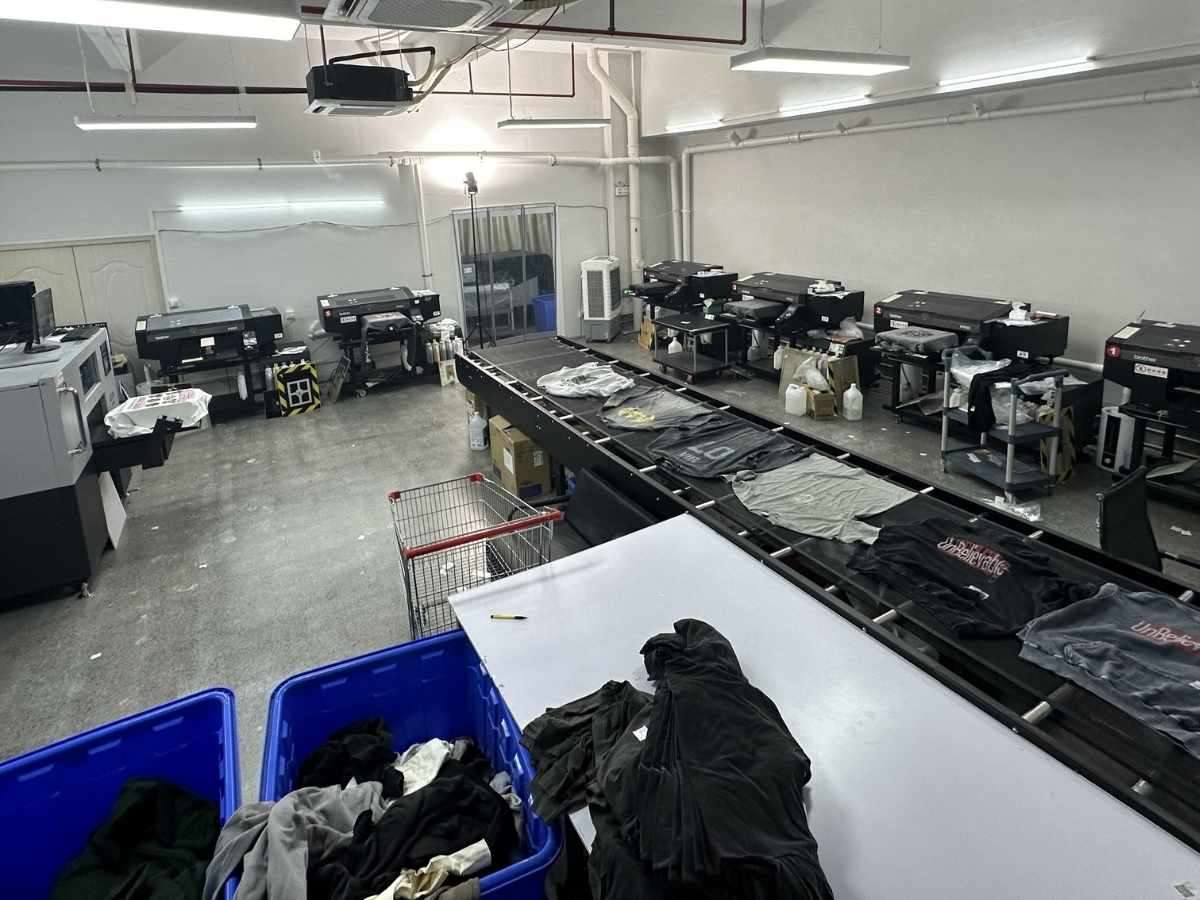
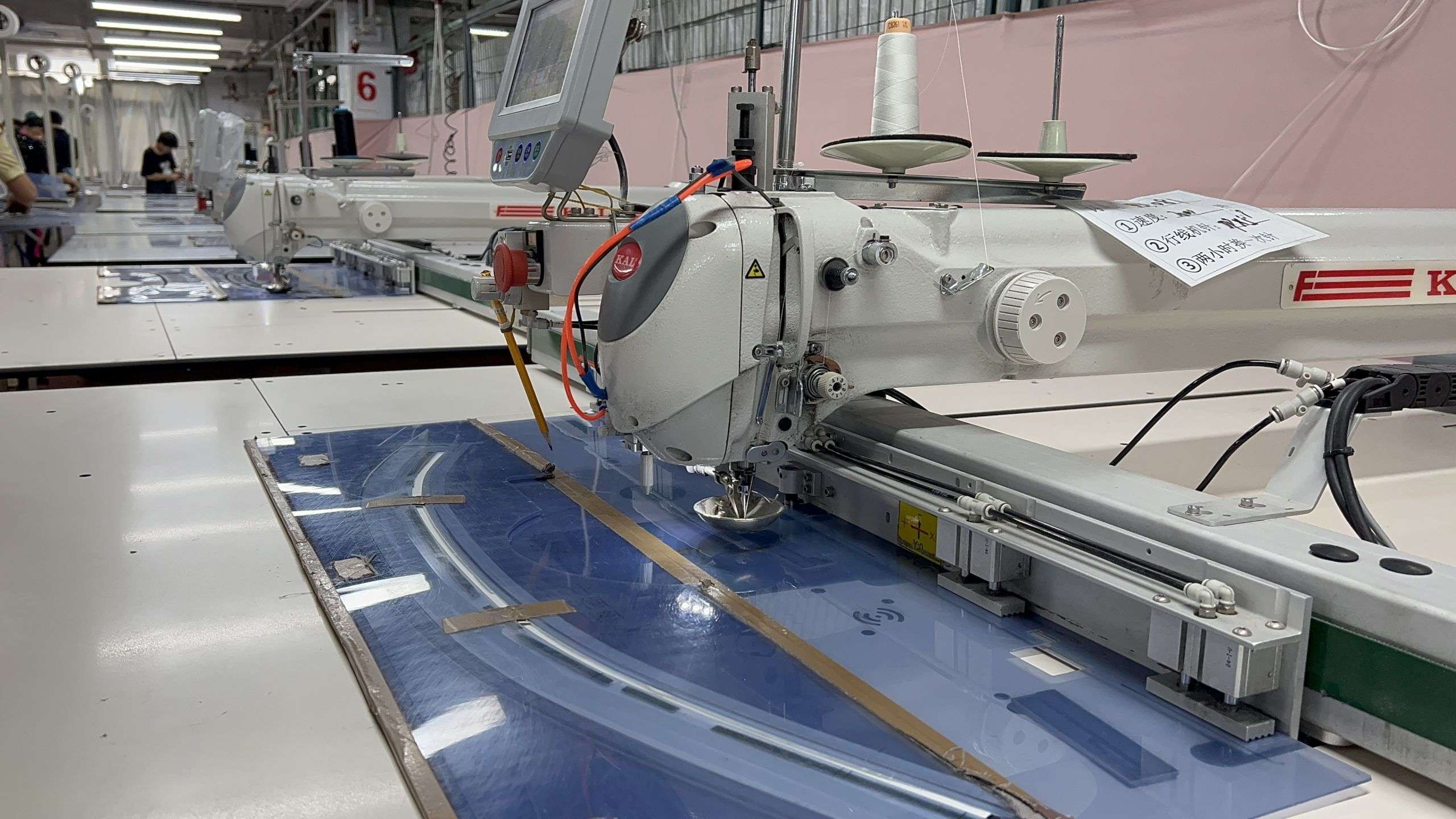
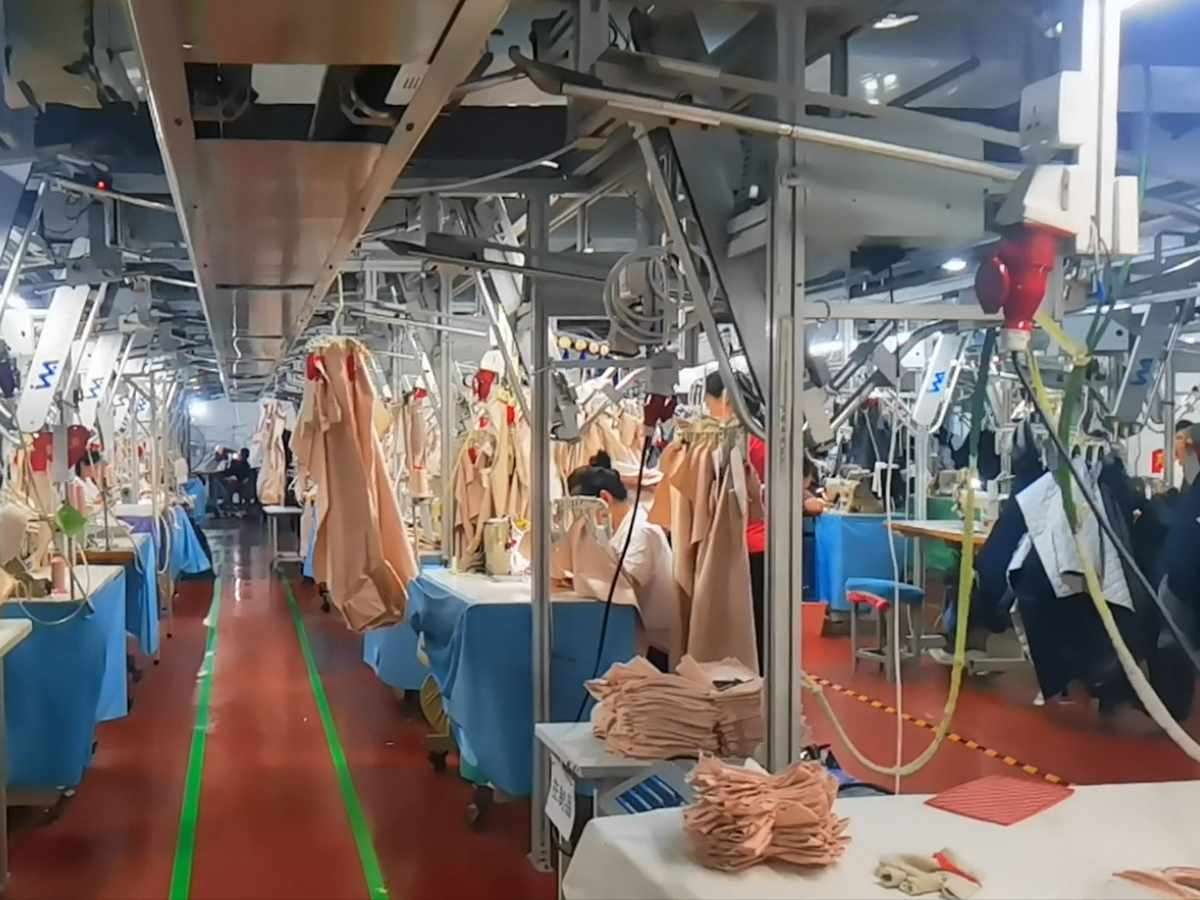
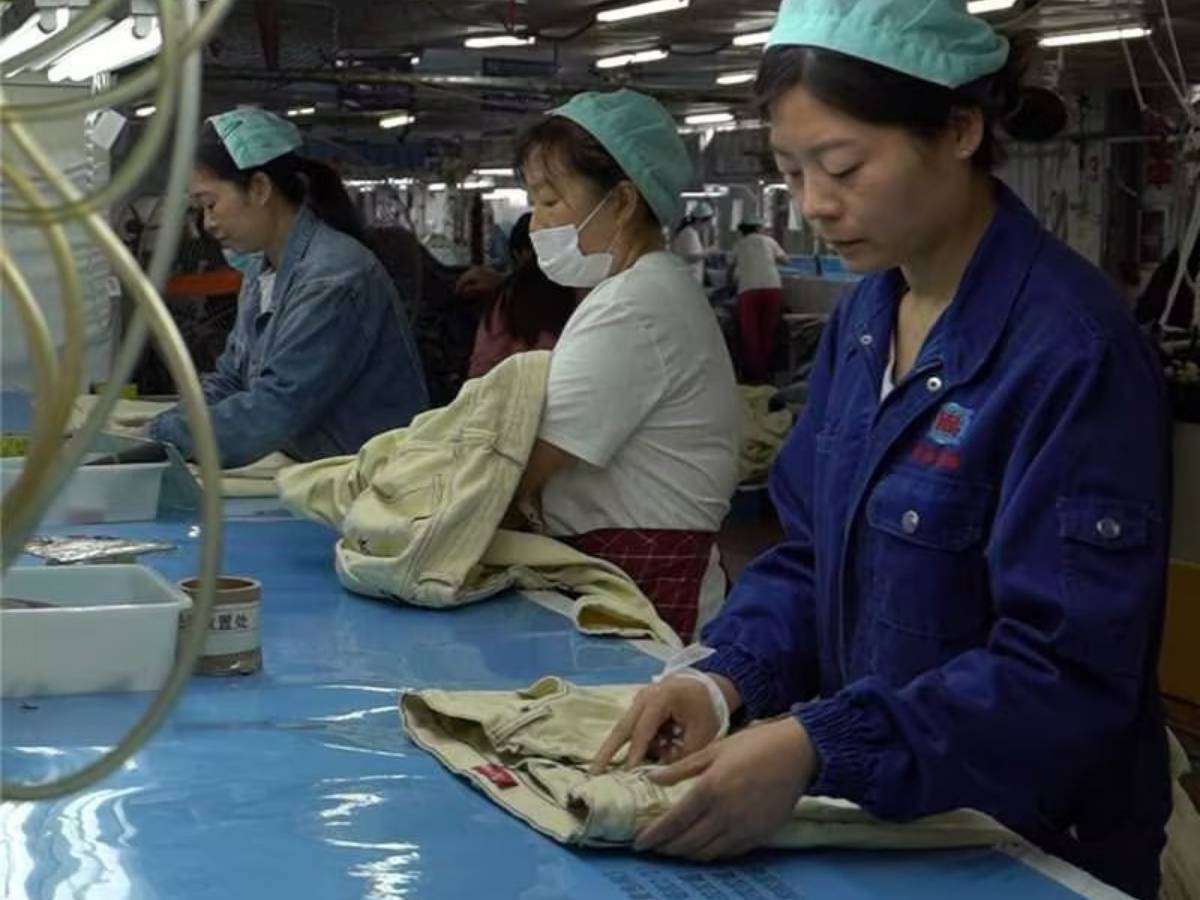
New Asia's denim capability combines a long denim-textile operating history with garment development, washing and finishing, fabric testing, quality control and scalable apparel production.
New Song Denim Fabric — Since 1995
New Song Denim Fabric was established in 1995. The company profile reports annual denim fabric output of more than 30 million meters.
Approx. 13.5M Denim Garments
The company-profile capacity mix allocates approximately 13.5 million pieces to denim wear, including jeans and jackets.
Fabric Testing + Lot-Color Control
A dedicated fabric testing center supports material evaluation, while lot-color control continues from fabric through final inspection.
Wash, Dye & Laser Capability
Garment washing, garment dyeing and selected laser-finishing capabilities support relevant denim development and production programs.
Why Brands Use New Asia for Denim Development & Production
Denim programs benefit from a manufacturer that can connect material behavior, garment construction, wash development and finished-garment quality instead of treating them as separate decisions.
Denim Textile Capability Since 1995
New Song Denim Fabric provides a long-running denim-material capability with more than 30 million meters of annual output reported in the company profile.
Fabric Testing Before Bulk
A dedicated fabric testing center supports material evaluation before the selected denim moves through garment development and production.
Fit + Shrinkage + Wash as One System
Pattern, finished measurements and wash behavior are reviewed together because changes in one can affect the final garment.
Wash & Finishing Capability
Garment washing, garment dyeing and selected laser-finishing capabilities support different denim aesthetics and product requirements.
Lot-Color & Traceability Controls
Lot-color control from fabric through final inspection and garment-level barcodes support bulk consistency and production traceability.
Scale After Approval
Approximately 13.5 million pieces of the company-profile capacity mix are allocated to denim wear, within a total annual garment capacity of 30M+ pieces.
Continue With the Resource That Matches Your Denim Decision
Use the resources below to review fabric, fit, construction, wash, quality, product options or supplier-qualification requirements for your denim program.
Denim Fabric
Review fabric weight, stretch, shade, shrinkage and material behavior before sampling.
Fit, Pattern & Shrinkage
Control the transition from pre-wash construction to the approved finished garment.
Fit & Shrinkage Engineering
Finished Wash & Measurement Approval
Wash & Finishing
Develop the target shade and surface effect against a physical standard before bulk.
Construction & Quality
Review seams, reinforcement, hardware, lot color, traceability and finished-garment QC.
Specific Jeans Styles
Browse jeans when your next decision is the finished fit, rise, silhouette, pockets, hardware or product style.
Supplier Evaluation
Review broader supplier qualification, sourcing, documentation and factory-verification questions.
Denim Manufacturing FAQs
What is denim manufacturing?
Denim manufacturing is the process of turning denim fabric and garment requirements into finished apparel through fabric evaluation, pattern and fit development, cutting, sewing, hardware application, washing, finishing and quality control.
What is the MOQ for denim garment production?
Denim and other fashion garments typically start from 300 pieces per style. Existing styles with customization can start from 50 pieces where the selected product and route support it. Final MOQ also depends on fabric, wash, hardware and construction requirements.
How long does denim sampling take?
Sample development typically takes 5–10 days after the product, fabric, fit and wash direction are confirmed. Additional wash trials, specialty materials or complex development can extend the total sampling calendar.
How long does denim bulk production take?
Bulk production typically takes 15–30 days after sample approval, order confirmation and material readiness. Complex wash programs, specialty fabrics or custom hardware can affect the full project timeline.
Why is shrinkage important in denim manufacturing?
Denim can change dimensionally during washing and finishing. Shrinkage must therefore be considered when developing the pattern so the finished garment reaches the approved after-wash measurements.
What denim fabric information should I provide?
Useful information includes composition, weight, stretch and recovery, shade direction, shrinkage expectations, hand feel, preferred source if applicable and specialty material documentation requirements.
How is a denim wash approved before bulk production?
Start with a visual or physical wash reference, develop a wash sample, review shade, contrast, hand feel and measurement change, then approve a physical standard. Bulk wash batches should be compared with that approved reference.
Why can denim wash shades vary between batches?
Fabric lot, indigo shade, wash load, time, temperature, chemical or enzyme conditions, drying and finishing can influence final appearance. Quality control therefore uses an approved wash standard and acceptable tolerance rather than assuming every garment will look identical.
What denim wash and finishing techniques can be used?
Depending on fabric, garment construction and project requirements, finishing may include rinse or clean wash, enzyme wash, stone wash, stronger contrast effects, vintage fading, laser effects, whiskering, distressing, tinting or other approved finishes.
What should I send to get a denim manufacturing quote?
Send the product type, starting point, fabric composition and weight, fit direction, wash reference, hardware requirements, branding, estimated quantity, target market and timeline. Uploading a tech pack, reference garment photos or wash references can improve the review.
How do you control denim quality after washing?
Quality control should include after-wash measurements, seam and reinforcement checks, hardware verification, wash shade comparison, finished appearance and packing review against the approved production standard.
Where can I browse specific jeans styles?
Browse the Jeans production category when you need finished-product options such as straight, baggy, wide-leg, flare or other silhouettes. Denim development on this page focuses more broadly on fabric, construction, wash, finishing and production control.
Turn Your Denim Fabric, Fit & Wash Requirements Into Bulk Production
Send your product type, fabric direction, fit requirements, wash reference, hardware, quantity and target timeline. We will review the development route, MOQ, sample requirements and next production step.
Product · Fabric · Fit · Wash · Hardware · Quantity · Branding · Market · Timeline