

Clothing Manufacturer for Startups in China: From First Sample to Scalable Production
Your first production run has different risks from an established brand's repeat order. New Asia helps early-stage fashion brands choose a realistic product route, approve samples, control first-order quantity and build a production standard that can scale if the product succeeds.
You do not need to start with the largest possible custom order. You need the smallest production route that still fits your product, brand and quality requirements.
What Does a Startup-Friendly Clothing Manufacturer Actually Do?
A startup-friendly clothing manufacturer helps a new brand reduce production risk before it has stable demand, repeat orders or an established product-development process.
That means explaining realistic MOQs, helping the buyer choose the correct development route, producing an approval sample, documenting changes, controlling the first bulk order and creating a repeatable standard for future orders.
Are You Ready to Contact a Clothing Manufacturer?
You do not need every detail finished before contacting a factory, but you should know which parts are clear and which parts still need development.
Where Are You Today?
The same factory conversation should not be used for every startup. Your current stage determines what you need next.
Which Manufacturing Route Fits Your Startup?
I Only Have an Idea or Mood Board
You need product-development support before the garment can become a production-ready standard.
I Have a Tech Pack or Finished Specification
You have already defined the product and need a factory to execute it accurately.
I Want to Brand or Adapt an Existing Product
You want an established product base with eligible product changes, labels, branding and packaging.
I Need to Test the Market First
You may be better suited to selected in-stock or existing-style routes before committing to deeper custom development.
A Startup Production Ladder Based on Real MOQ Requirements
The best MOQ is not always the lowest number. It is the lowest production quantity that still supports the fabric, construction, finishing and brand requirements of the product you want to sell.
Why SKU Count Matters More Than MOQ Alone
A startup can technically meet a low MOQ and still create too much inventory complexity. The real planning question is often: styles × colors × sizes × units.
More SKUs mean more sampling decisions, size allocation, photography, packaging, quality checks, inventory tracking and reorder decisions. A focused first collection is often easier to sample, inspect, market and reorder than a wide collection filled with unproven variations.
More Styles
More patterns, samples and product-specific production decisions.
More Colors
More fabric / dye minimums, color approvals and inventory splits.
More Sizes
More grading, size allocation, packing and sell-through complexity.
The 5 Risks in a Startup's First Clothing Order
What Should a Startup Clothing Budget Include?
A first production budget should include more than the bulk garment unit price.
Product Development + Samples + Bulk Garments + Labels / Packaging + Testing / Inspection if required + Freight / Import + Contingency = First Production Budget
Development
Pattern, sample, artwork, wash or technical development depending on the product route.
Production
Fabric, trims, garment construction, finishing, branding and packing.
Delivery & Risk
Freight, import costs, inspection or testing where required, plus a realistic contingency.
Does a Low MOQ Mean a Low Startup Cost?
Not necessarily. A low order quantity can still carry high setup cost if the project uses custom fabric, multiple colors, embroidery, special washing, custom hardware, packaging or repeated sample revisions. MOQ should be evaluated together with product complexity and the complete first-order budget.
Your First Sample Is a Decision Tool, Not Just a Prototype
The first sample should help you decide whether the product is ready for investment, not simply whether it “looks close enough.”
Product
Does the final garment look and function like the product you intended to sell?
Fit
Does the size and silhouette suit the target customer?
Material
Does the hand feel, weight and appearance match the intended retail positioning?
Construction
Can the seams, details and workmanship be repeated consistently in production?
Branding
Do labels, logo placement, hangtags and packaging work with the product?
Cost
Is the approved product still commercially viable after materials and finishing are confirmed?
Marketing
Can the approved sample support photography, pre-launch content or buyer presentations?
How to Give Sample Feedback Like a Production Buyer
Clear sample comments reduce repeated development and make it easier for the factory to understand exactly what changed.
Be Measurable
Replace “make it slightly bigger” with specific measurement changes where possible.
Consolidate Feedback
Review fit, fabric, branding and construction together instead of sending scattered revisions over several days.
Version the Samples
Use V1, V2 and Approved so the final production standard is not confused with an older sample.
Confirm Material Changes
If fabric or trim changes, identify the approved replacement clearly.
Confirm Artwork Changes
Logo size, position and print / embroidery changes should be documented.
Close Final Changes in Writing
Do not rely on memory or chat history when bulk production begins.
How Many Sample Rounds May Be Needed?
There is no fixed number. Fewer revisions are usually needed when the product specification, reference, fabric and fit direction are clear. More revisions may be required for idea-only projects, new fits, special washes, new fabrics or complex trims.
Choose Products by Development Complexity, Not Only by Trend
Different products create different material, fitting, finishing and MOQ decisions. Keep the first assortment focused, then use the relevant product page when you are ready to go deeper.
T-Shirts
Useful for graphic, basics and fit-focused launches. Complexity rises with custom fabric, wash, print and labeling.
Hoodies & Sweatshirts
Fabric weight, shrinkage, fit, trims, printing and embroidery can materially affect the first-order budget.
Jeans & Denim
Fabric, pattern, wash, hardware and post-wash measurement make denim a more technical development route.
Streetwear, Sweatpants & Casualwear
Useful for streetwear and coordinated casual collections, but style count, color count, fabric weight, wash and decoration should still be controlled carefully.
Jackets & Fashion Garments
More construction, trims, lining or finishing can increase development complexity and first-order cost.
Which Product Decisions Increase Development Complexity?
| Variable | Lower development complexity | Higher development complexity |
|---|---|---|
| Product base | Existing style / proven construction | New construction or product architecture |
| Fabric | Stock / established fabric | New custom fabric or specialty sourcing |
| Color | Existing color | Custom dye or multiple new colors |
| Fit | Existing fit | New fit / pattern / grading |
| Decoration | Simple print or label | Multiple processes or complex artwork |
| Trims | Standard components | Custom hardware or components |
| Wash / finish | None or basic | Complex garment wash or specialty finishing |
| Packaging | Standard packing | Custom retail packaging system |
Your First Production Run: 9 Steps
1. Define the Product Goal
Clarify who the product is for, what it should do and the target commercial position.
2. Choose the Right Production Route
Decide whether you need product development, buyer-defined execution, brand adaptation or market testing.
3. Confirm MOQ & Initial Budget
Match order size and product complexity to a realistic first-order budget.
4. Prepare Product Inputs
Collect references, measurements, artwork, fabric direction and branding requirements.
5. Develop the Sample
Create the first physical version and close major fit, material and construction questions.
6. Review & Approve
Consolidate changes and confirm the final production standard in writing.
7. Confirm the First Bulk Order
Close quantity, colors, sizes, labels, packing, payment and delivery expectations.
8. Production & QC
Manufacture against the approved sample and agreed quality standard.
9. Launch, Learn & Plan Reorder
Use sell-through and customer feedback to improve the next order instead of expanding blindly.
Build Your Launch Date Backward From Delivery
“I want to launch next month” is not a production plan. Build the timeline backward from when inventory must actually be available.
Customer Launch Date
When does the product need to be live and available to sell?
Inventory Arrival
When must finished goods reach the warehouse or fulfillment point?
Shipping & Final QC
Allow time for inspection, packing, freight and destination handling.
Bulk Production
Typically 15–30 days after approval and material readiness.
Buyer Review / Revision
Leave realistic time to review samples and close changes.
Sample Development
Typically 5–10 days after key product and material inputs are confirmed.
Product Brief
Product direction, quantity, materials and brand requirements start the calendar.
What Should a Startup Check Before Approving Its First Bulk Order?
First-order QC should answer one question: Can this product become the standard for the next order?
Measurements
Are key garment measurements within the approved tolerance?
Fabric
Does bulk material match the approved composition, weight, hand feel and appearance?
Color / Finish
Does the bulk appearance match the approved standard?
Workmanship
Are seams, construction and finishing consistent enough for repeat production?
Decoration
Are print, embroidery, wash or other effects correct?
Labels
Are wording, size, position and product information accurate?
Packing
Are folding, bags, stickers, quantities and carton details correct?
Your First Order Is Also the Standard for Your Second Order
Repeat orders should start from an approved production record, not from memory.
Final Measurement Chart
Keep the approved finished dimensions and tolerances.
Approved Fabric
Record composition, weight, source and relevant material details.
Approved Color / Finish
Keep the final standard used for production.
Labels & Artwork
Save final artwork, size, position and supplier details.
Construction Standard
Preserve the approved garment details and workmanship expectations.
Packing Standard
Keep the approved folding, bagging, labeling and carton requirements.
QC Findings
Record issues discovered in production and how they were corrected.
Buyer Feedback
Use real sell-through and customer feedback to improve the next version.
What Happens When Your Startup Product Starts Selling?
Scaling should increase production confidence, not simply increase SKU count.
Repeat
Reorder proven products using the approved production record.
Consolidate
Reduce weak colors or low-performing variations before adding new complexity.
Improve
Use customer feedback to refine fit, material or details where needed.
Scale
Increase production volume only after the product and demand are better understood.
Expand
Add new products gradually instead of rebuilding the entire collection each season.
What Should a Startup Look for in a Manufacturer?
MOQ Fit
The minimum should match the product's real material and production requirements, not simply be the lowest advertised number.
Category Fit
The factory should have relevant capability in the product you are actually developing.
Development Fit
The supplier should be able to fill the specific gaps you have, whether technical, material or sample-related.
Communication
Clear answers, documented changes and realistic limitations matter more than fast sales promises.
Quality System
A small first order still needs an approved standard and inspection process.
Scaling Fit
If a product grows from a small launch into repeat orders, the factory should be able to support the next stage.
How Should a Startup Verify a Clothing Manufacturer in China or Asia?
A startup should not choose an overseas supplier only because the MOQ or quotation looks attractive. Before committing to sampling or bulk production, verify the company, the factory evidence, the development route, the quality system and the documentation that applies to your actual order.
1. Verify the Company & Operating Footprint
Confirm the supplier's company identity, operating history and where its business and manufacturing activities are actually based.
2. Verify Product-Specific Capability
Ask for evidence related to the product you want to make — such as sample development, fabric testing, printing, embroidery, sewing, washing or finishing where relevant.
3. Verify the Sample & Approval Process
Understand how references, measurements, materials, artwork and revisions become the approved standard used for bulk production.
4. Verify Production & Quality Controls
Look for documented production planning, workshop management, in-process checks, finished-garment inspection and repeat-order controls.
5. Verify Current Documentation
Review current certificates and applicable material or product documentation by holder, site, scope and validity instead of relying on broad claims.
6. Verify Commercial Fit
Confirm the actual MOQ, sample timing, bulk timing, pricing assumptions and which product route applies before you place the first order.
Warning Signs Before You Place Your First Order
“We Can Make Anything”
The supplier cannot explain real category specialization or limitations.
Quote Before Requirements Are Understood
A firm price appears before fabric, construction, quantity and customization are clear.
MOQ Without Explanation
The supplier cannot explain whether the minimum comes from fabric, color, process or production setup.
Pressure to Start Bulk Early
The factory encourages bulk production before the sample and production standard are approved.
No Revision Record
Sample changes exist only in chat and are not consolidated for production.
Too Many SKUs Too Early
No one discusses how style, color and size expansion affects inventory and production complexity.
Automatic Sustainability Claims
Material or certification claims are made without order-specific documentation.
No Reorder Control
The supplier cannot explain how approved materials, measurements and QC standards are saved for repeat production.
Tell Us Where You Are Today
A useful startup inquiry explains your current stage, product, quantity and main challenge so the project can be routed to the right development and manufacturing path.
Startup Production Minimums and Standard Timing
Selected In-Stock Styles
No MOQ
Useful for very early validation without production customization.
Existing Styles With Customization
From 50 pcs
Where the selected product and customization route support it.
T-Shirts / Hoodies / Sweatpants
From 100 pcs/color
For selected custom knit and casualwear programs.
Garment-Dyed Products
From 150 pcs/color
Depending on fabric and garment-dye requirements.
Denim & Other Fashion Garments
From 300 pcs/style
Typical for more complex custom fashion production.
Sampling
5–10 days after key product and material inputs are confirmed.
Bulk Production
15–30 days after sample approval and material readiness.
How Should a Startup Review Ethical, Responsible & Compliance Claims?
If responsible or ethical manufacturing matters to your brand, verify the actual company, current factory documentation, applicable material evidence, production controls and project-specific requirements instead of relying on broad sustainability claims.
GB/T 19001/ISO 9001
Quality management system reference.
GB/T 24001/ISO 14001
Environmental management system reference.
GB/T 45001/ISO 45001
Occupational health and safety management system reference.
BSCI
Social-compliance reference for applicable buyer qualification.
KCB-TE-OCS
Current certification documentation available for applicable buyer and material review.
SC-KCB-TE
Current certification documentation available for applicable buyer and material review.
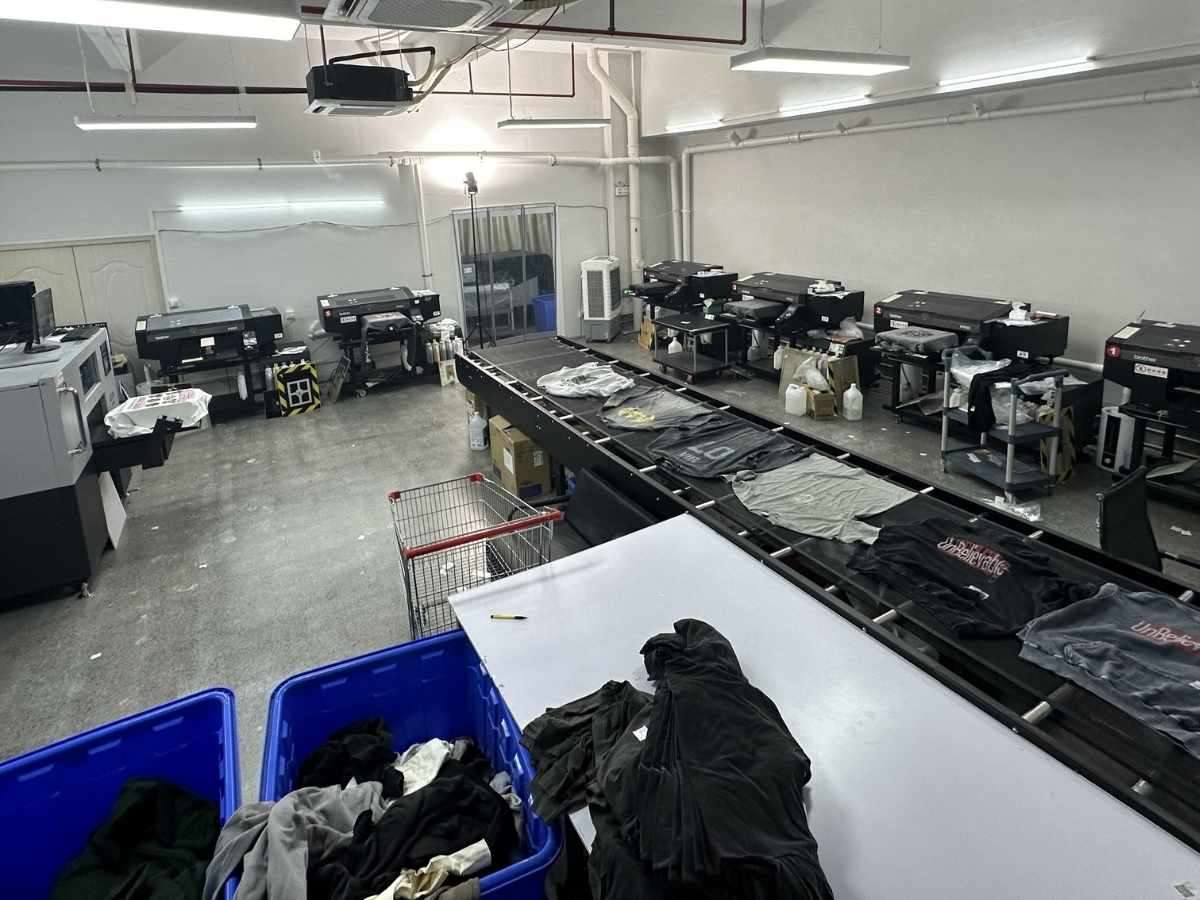
Startup Orders Can Use the Same Structured Development, Testing & Production Controls
A startup does not need enterprise-sized complexity, but the first order still benefits from disciplined development, material evaluation, production planning and documented approval standards.
3D Design & Early Visualization
Where the development route calls for it, 3D garment design can help visualize brand-aligned styles and make revisions earlier before physical sampling.
Dedicated Fabric Testing Center
Material evaluation can begin before bulk production, helping the development team review fabric behavior against the product direction.
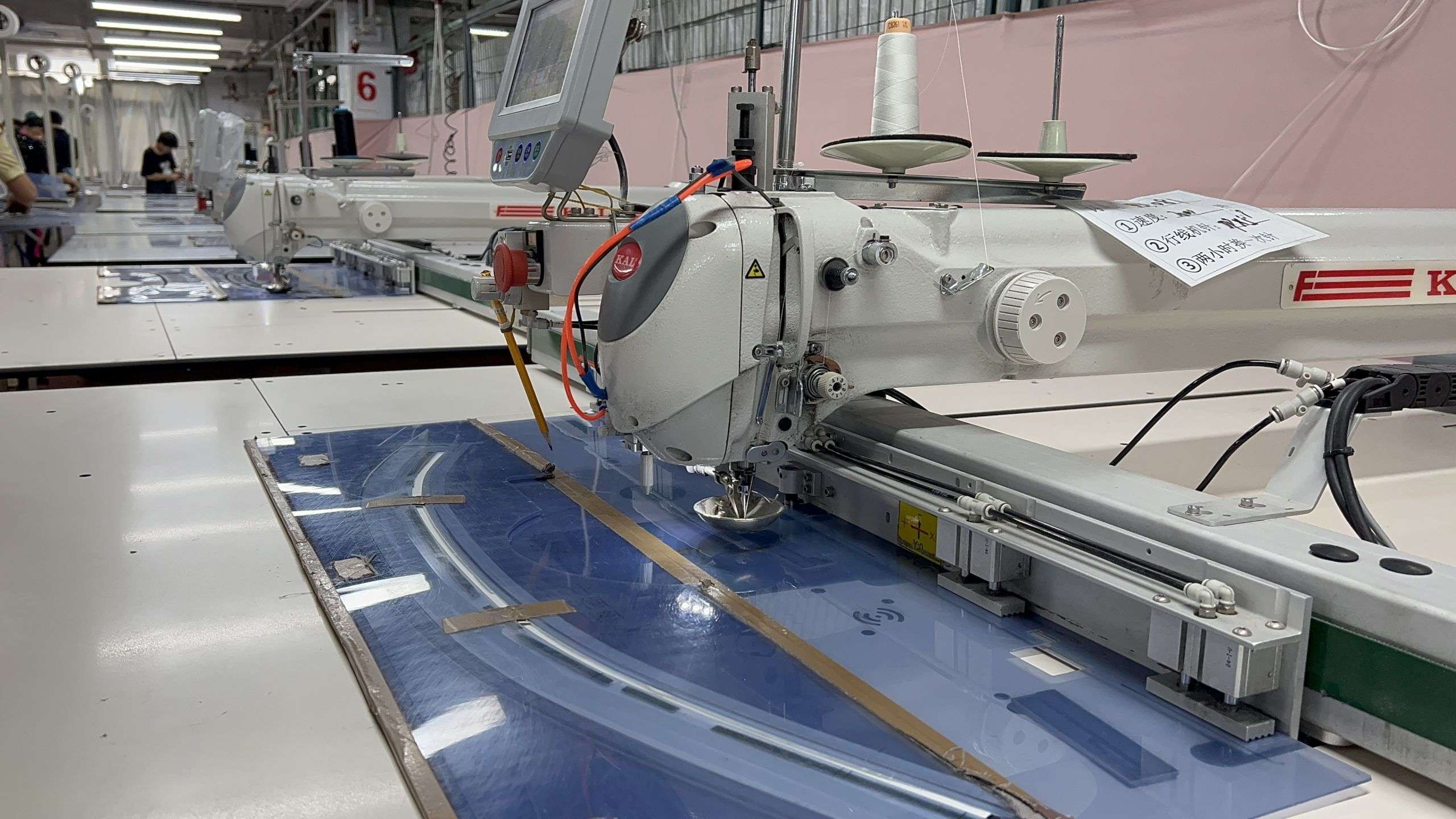
Digital Order & Workshop Planning
Order-planning and workshop-management systems support production coordination and track output, quality and other operating data during manufacturing.
Current Buyer Qualification References
Current management-system and compliance references can be provided for applicable buyer review when a startup needs supplier documentation.
Why New Brands Use New Asia for Their First Production Programs
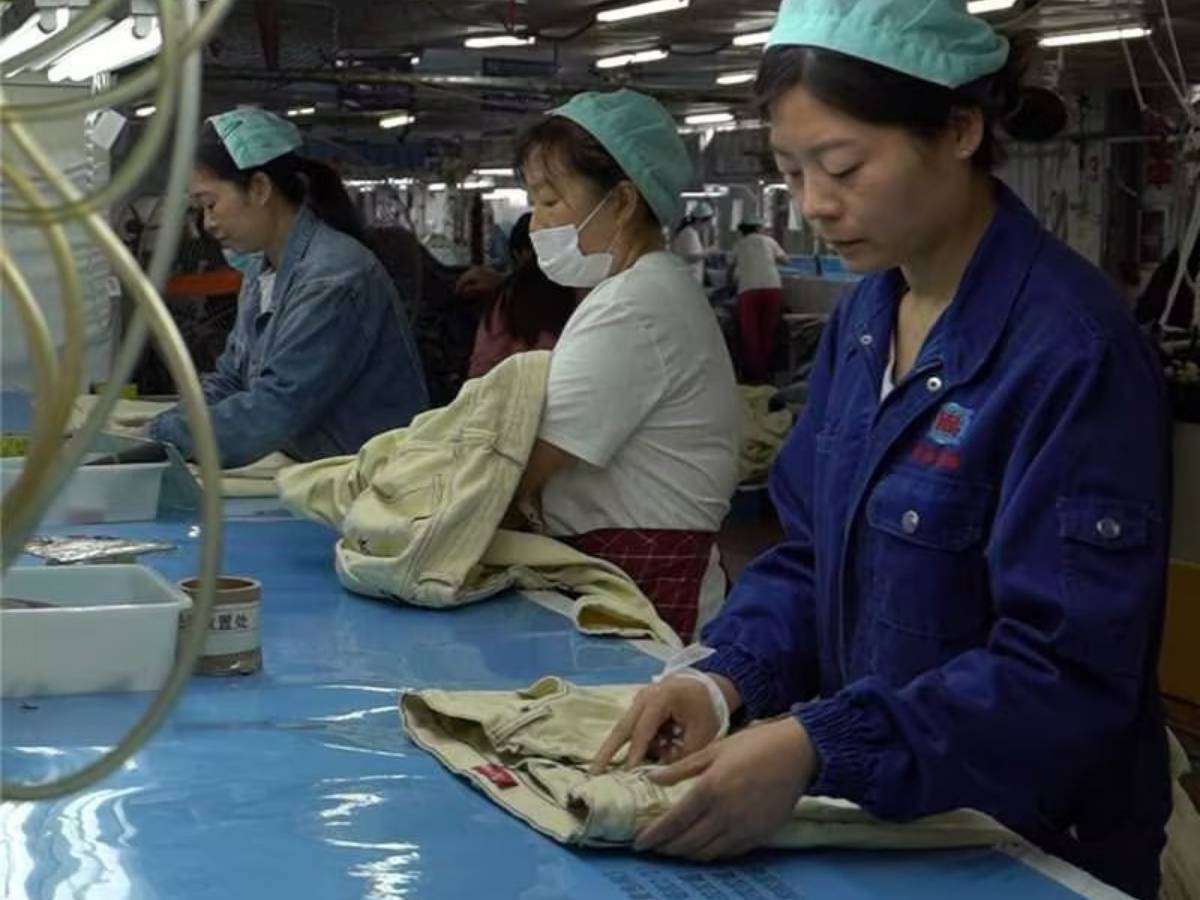
The first order needs a manufacturer that can match the production route to the brand's real level of readiness while keeping product development, material review and bulk execution controlled.
Multiple Starting Routes
Idea-stage, buyer-defined, established-style and in-stock routes allow a startup to begin from its actual product readiness instead of forcing every project into one model.
3D Development Support Where Appropriate
For projects that need deeper development, 3D garment design can support earlier visualization and revision before physical sampling.
Fabric Testing Before Bulk
A dedicated fabric testing center supports material evaluation when fabric behavior or project-specific requirements need review.
Flexible Commercial Entry Points
MOQ changes by product and customization route instead of forcing one universal minimum on every startup.
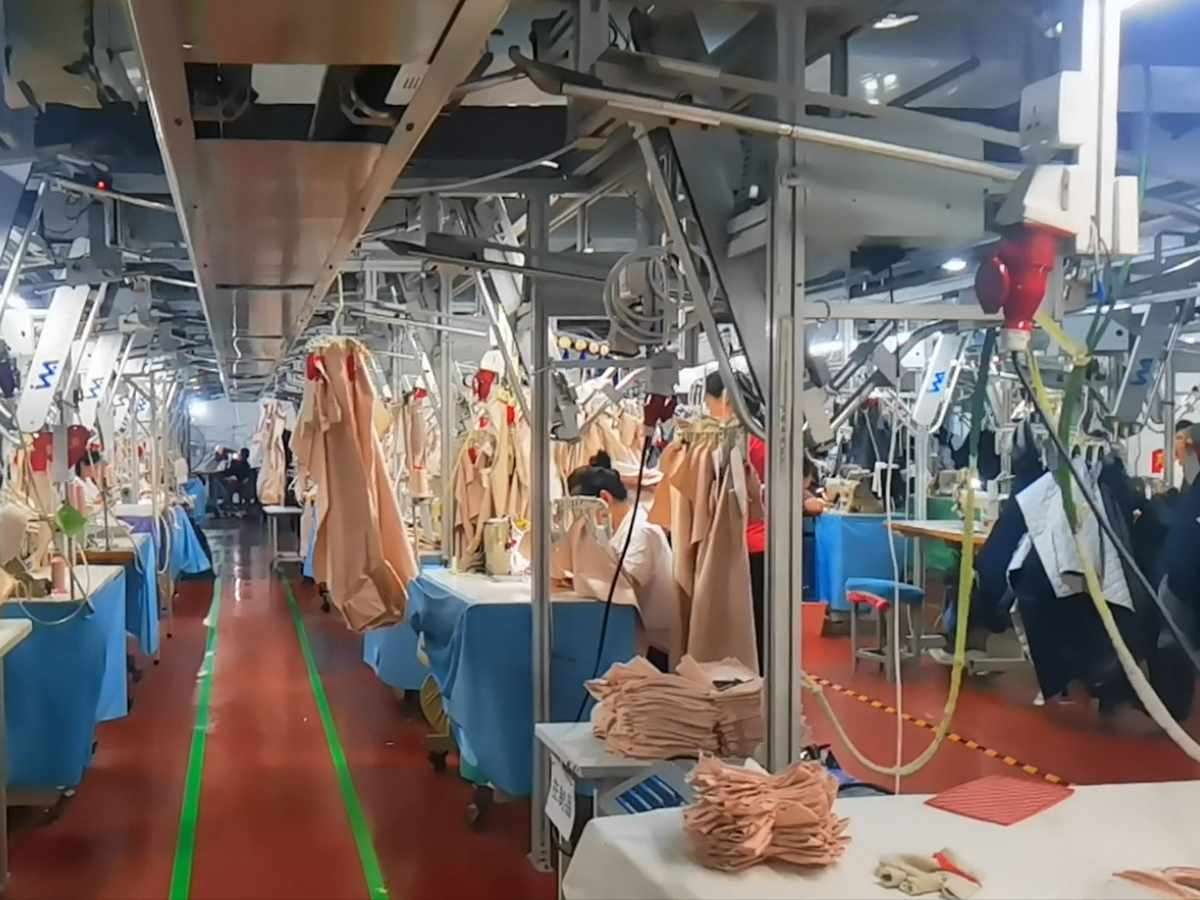
Structured Production Planning
Digital order and workshop-management systems support the transition from approved sample to controlled bulk production.
China Operating Footprint
Company and business operations across Henan, Shanghai, Guangzhou and Zhejiang are supported by additional design and commercial resources.
Continue With the Resource That Matches Your Next Decision
Use the resources below to move from first-product planning into sampling, MOQ and budget decisions, the right manufacturing route or supplier evaluation.
Prepare Your Product for Manufacturing
Start with the information you already have, then identify what still needs to be defined before sampling.
Approve the Product Before Bulk
Use sample development to confirm fit, material, construction, branding and cost before committing to inventory.
Choose a Realistic First Production Level
Use MOQ together with style count, color count, product complexity, launch budget and inventory risk.
Choose the Right Development & Production Model
Move to the route that matches how much of the garment is already defined.
Explore Product-Specific Manufacturing
Once the first category is selected, use the relevant product page for deeper fabric, construction and style decisions.
Check Factory Fit Before You Commit
Use supplier and capability pages when the main question becomes verification, factory depth or long-term manufacturing fit.
Clothing Manufacturing FAQs for Startups
What is a startup-friendly clothing manufacturer?
A startup-friendly manufacturer helps reduce first-order risk by explaining realistic MOQs, helping the buyer choose the correct production route, creating an approval sample, documenting changes, controlling the first bulk order and creating a repeatable standard for future orders.
What MOQ should a startup clothing brand expect?
Selected in-stock styles have no MOQ. Existing styles with customization can start from 50 pieces. Custom T-shirts, hoodies and sweatpants can start from 100 pieces per color. Garment-dyed products can start from 150 pieces per color. Denim and other fashion garments typically start from 300 pieces per style.
Do I need a tech pack to contact a manufacturer?
Not always. You can start from an idea, reference, existing product, sample or finished specification. The correct production route depends on how much of the product is already defined.
Do you provide clothing prototyping and sample development for startups?
Yes. Depending on the project starting point, a startup can move from an idea, reference garment, existing style or technical specification into physical sample development. Typical sampling is 5–10 days after the key product and material requirements are confirmed. Complex products, special fabrics, washing, decoration or additional revision rounds can extend the full development calendar.
How long does startup clothing sampling take?
Sampling typically takes 5–10 days after key product and material inputs are confirmed. Complex development or additional revision rounds can extend the full approval calendar.
How long does bulk production take?
Bulk production typically takes 15–30 days after sample approval and material readiness. Shipping, buyer review and sample revisions are outside that bulk-production window.
Does low MOQ always mean low startup cost?
No. A small order can still require custom fabric, multiple colors, decoration, custom packaging, special finishing or several sample rounds. MOQ should be evaluated together with the full product and launch budget.
Should a startup launch many styles at once?
Not necessarily. More styles, colors and sizes create more SKUs, sample decisions, inventory splits, quality checks and reorder complexity. A focused first collection can be easier to validate and scale.
How should I give sample feedback?
Use specific measurements or approved references, consolidate comments, version samples clearly and confirm final changes in writing before bulk production.
How many sample rounds are needed before bulk?
There is no fixed number. Clear product specifications and approved materials can reduce revisions, while idea-stage products, new fits, special washes or new fabrics may need more development rounds.
What should I check before approving the first bulk order?
Check measurements, fabric, color or finish, workmanship, decoration, labels and packing against the approved sample and written production standard.
What information should I send for a startup production review?
Send your brand stage, product category, number of styles and colors, estimated quantity, target market, retail position, fabric priorities, branding needs, launch date, shipping destination and main challenge. Upload sketches, references, a tech pack or logo if available.
How do I scale after my first order starts selling?
Start from the approved production record, repeat proven products, reduce weak SKUs, improve based on customer feedback, increase volume carefully and add new products gradually.
What should I look for in a manufacturer as a startup?
Look for realistic MOQ fit, category capability, development support, clear communication, a documented quality system and the ability to support repeat orders if the product grows.
How should I verify a clothing manufacturer in China or Asia?
Verify the company identity, product-specific factory capability, sample and approval process, production and quality controls, current documentation, MOQ and commercial terms. Ask for evidence that applies to the actual product and supplier entity rather than relying on broad claims.
Plan Your First Production Run With a Clearer Path to Reorder
Send your current brand stage, product references, estimated quantity, target market, fabric priorities, branding needs and launch date.
We will review which production route fits your project, the applicable MOQ, sample requirements and the next step toward a controlled first bulk order.