
Building a Cult Following: The Ultimate Guide to Choosing a Streetwear Clothing Manufacturer
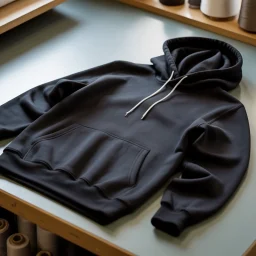
In the modern fashion global landscape, streetwear has evolved from a niche subculture into a dominant force driving luxury fashion and direct-to-consumer (DTC) apparel markets. What separates a viral streetwear brand with high customer retention from a short-lived drop is rarely just the graphic design on the surface—it comes down to product execution. The weight of the fleece, the drape of the heavy drop-shoulder silhouette, the precise wash effect, and the durability of the seams define your brand’s perceived value.
Finding the right streetwear clothing manufacturer is the single most critical supply chain decision you will make. Unlike fast-fashion sourcing, custom streetwear production demands specialized heavyweight fabric milling, complex garment dyeing techniques, and rigid structural integrity capable of handling oversized fits.
This comprehensive guide breaks down the technical requirements, manufacturing pitfalls, and material specifications required to produce world-class streetwear on a global scale.
1. Mastering the Silhouette: Heavyweights, Oversized Patterns, and Draping
Streetwear aesthetics rely heavily on architecture, fit, and proportion. Standard off-the-shelf blanks with lightweight, slim fits will fail to satisfy discerning streetwear consumers.
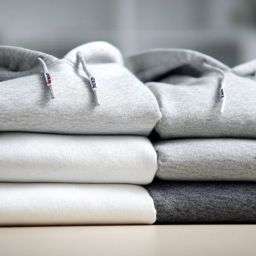
- Heavyweight Fabric Metrics: True streetwear hoodies typically start at a dense 400 GSM (grams per square meter) and can scale up to 500 GSM or 600 GSM heavy loopback French Terry or brushed fleece. Oversized boxy tees require heavy ring-spun combed cotton ranging from 240 GSM to 300 GSM.
- Pattern Geometry and Drop Shoulders: Executing a natural drop-shoulder silhouette requires precise CAD pattern drafting. The armhole curve, chest width, and shoulder slope must be balanced so that the extra fabric drapes cleanly over the arm without bunching up under the armpits.
- Shrinkage Control in Heavy Fabrics: Heavyweight cotton knit fabrics undergo significant shrinkage during washing and dyeing. A capable manufacturer pre-shrinks fabric rolls or adjusts CAD pattern markers prior to bulk cutting to ensure your final graded size chart remains accurate after laundering.
2. Advanced Surface Embellishments: Prints, Embroidery, and Patches
Streetwear branding relies on mixed-media techniques to build visual depth and tactile contrast across heavy fabrics.
- Puff Print and High-Density Screen Printing: For dimensional branding, puff printing creates a raised, 3D rubberized effect on top of heavy fleece. High-density screen inks require specialized curing ovens to ensure the print does not crack when stretched across heavy fabric panels.
- Tactile Chenille Patches and Appliqué: Oversized collegiate graphics and varsity jackets use heavy chenille patches, felt letters, or laser-cut raw-edge denim appliqués. These elements must be double-stitched along the perimeter to survive heavy wear without lifting.
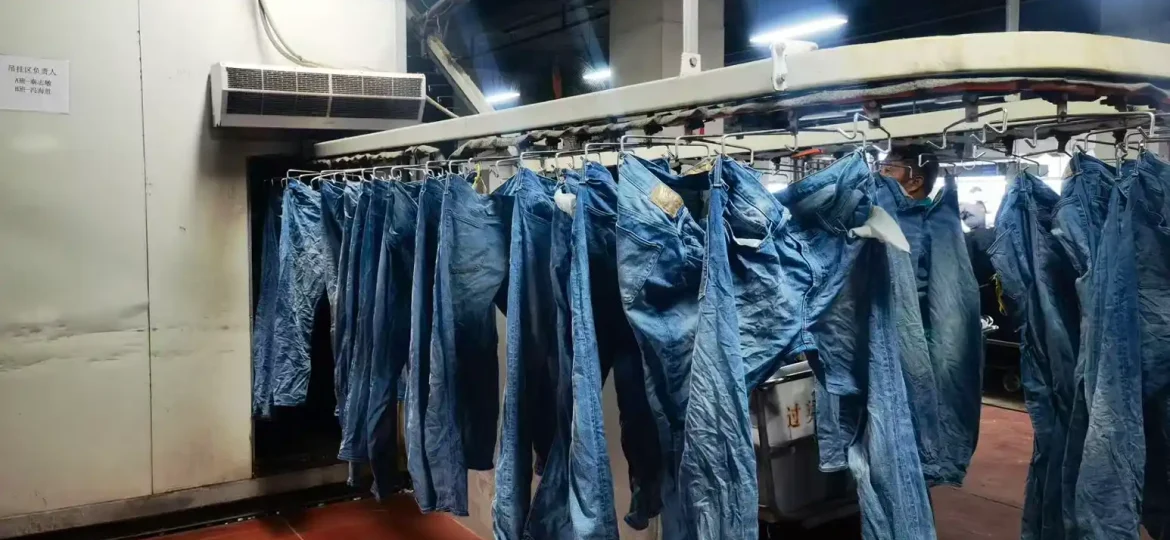
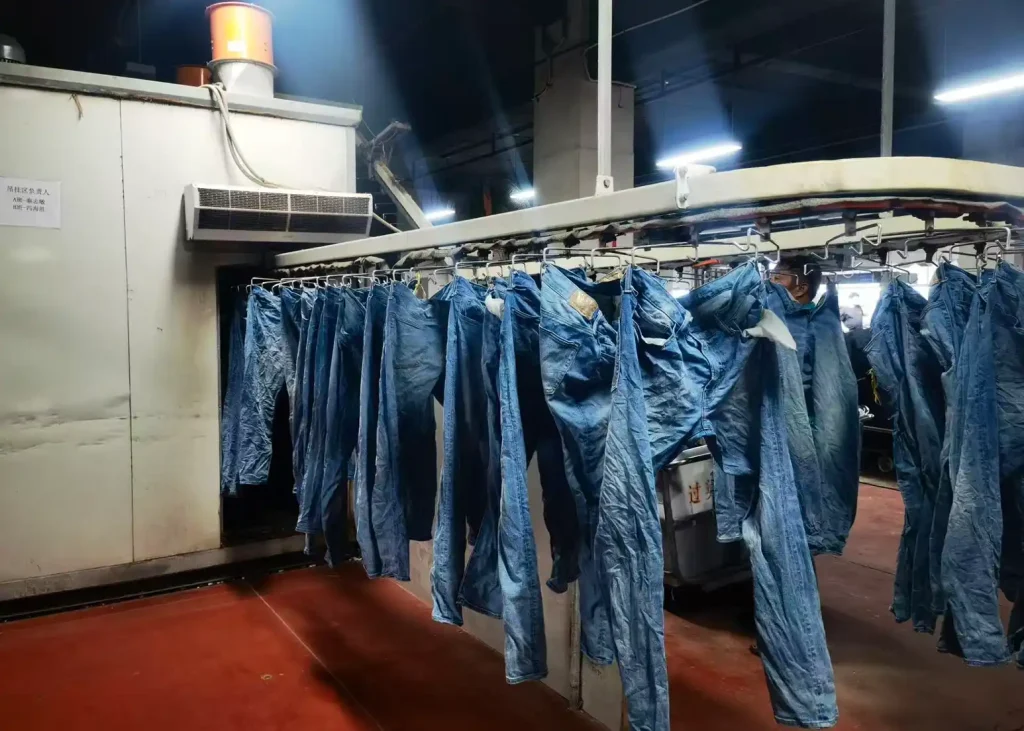
- Distressing, Grinding, and Vintage Washes: Achieving a genuine vintage acid wash, snow wash, or pigment dye requires specialized laundry vats. Skilled technicians perform targeted hand-grinding along cuff edges, pocket openings, and hems to deliver an authentically worn aesthetic without ruining seam integrity.
3. The Internal Skeleton: Preserving Structural Integrity in Heavywear
While bold prints and vintage washes dominate exterior aesthetics, the long-term lifespan of a streetwear garment depends entirely on hidden internal engineering. Under repeated commercial laundering, aggressive garment dyeing, and daily heavy wear, weak seams contract, stretch, and split open.
Low-end factories frequently save production costs by using weak synthetic threads or completely omitting seam stabilizers inside hidden zones, such as rear necklines, shoulder tracks, hood seams, and pocket channels.
Under the kinetic stress of heavy garment washes and tumbling, these unstable internal joints buckle. This forces the outer heavy fleece to warp, resulting in wavy “bacon” collars, twisted side seams, and sagging hoods that destroy your silhouette and lead to costly customer returns.
To pass rigorous quality audits and maintain a structured boxy silhouette through years of wear, your technical specifications must mandate high-density cotton internal structural components. Partnering with a specialized manufacturer that integrates Newasia Garment Heavyweight Premium Industrial Cotton Lining Textiles provides a durable, rigid internal skeleton for your clothing line.
This tight, high-density combed cotton weave acts as an unyielding structural anchor behind internal neck seams, shoulder tracks, and pocket edges. It locks the garment’s dimensions true even through aggressive acid-washing and high-heat drying vats. By incorporating this premium cotton lining matrix into hidden seams, you eliminate rough, chafing synthetic edges against the skin, delivering an instantly recognizable luxury hand-feel.
4. Hardware Engineering and Custom Brand Accents
Streetwear hardware provides the subtle touchpoints that signal custom manufacturing rather than generic blank-printing.
- Heavy-Duty Custom Zippers: Oversized hoodies and outerwear require heavy two-way metal zippers (such as #8 or #10 gauge brass or matte black nickel zippers). Zippers must feature custom-branded pull tabs and smooth-running tracks that do not snag on thick fleece.
- Custom Eyelets and Metal Aglets: Ditch cheap plastic drawstring ends. High-tier streetwear uses heavy metal eyelets pressed into hood channels, paired with custom-engraved metal aglets (drawstring tips) that match your zip finishes.
- Woven Labels and Rubberized Patches: Internal neck branding should feature high-density damask woven tags, high-build silicone labels, or raw-edge leather back patches. Every label must be stitched with high-torque equipment to ensure it remains smooth and flat.
5. Scaling Supply Chain and Sample-to-Bulk Consistency
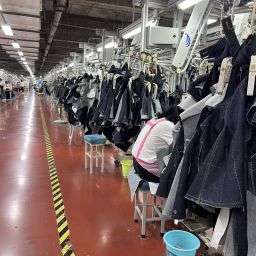
Managing a global streetwear supply chain requires strict quality control protocols from initial prototype development to final warehouse delivery.
- Pre-Production Golden Samples: Before greenlighting a full production run, your manufacturer must supply a fully finished pre-production sample featuring all final prints, custom washes, internal linings, and custom hardware. Once approved, this sample acts as the binding quality baseline for bulk inspection.
- Factory-Level Tagging and Packaging: Modern DTC streetwear labels streamline fulfillment by consolidating labeling at the factory level. Every garment should arrive fully tagged, folded, and sealed inside frosted, custom-branded zip-lock polybags equipped with SKU barcode labels for immediate warehouse scanning.
To build your streetwear brand on a foundation of technical precision, absolute pattern stability, and direct-factory manufacturing execution, visit Newasia Garment.com to request a comprehensive production review today.
Read more