
What Is Private Label Clothing? The Strategic Guide for Global Apparel Brands
For fashion entrepreneurs, retail buyers, and e-commerce founders worldwide, entering the commercial clothing market presents a fundamental operational choice. Building an apparel line from scratch can be a capital-intensive journey filled with production hurdles, material testing, and complex supply chain mechanics.
Understanding what is private label clothing provides the ultimate shortcut to scaling a modern fashion brand. Private label apparel allows brands to select pre-tested, high-quality garment frameworks engineered by a manufacturer and rebrand them with custom woven tags, custom packaging, unique graphic decorations, and proprietary visual finishes.
Unlike generic white label products that offer zero customization, true private label manufacturing combines the speed and lower development costs of pre-engineered patterns with the exclusivity and retail margin protection of a fully custom fashion house.
1. Deconstructing Private Label Manufacturing: Private Label vs. White Label vs. Custom Cut-and-Sew
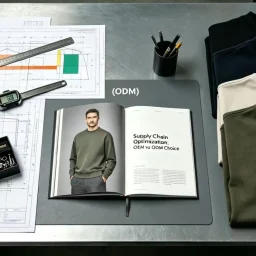
To build an agile supply chain strategy, fashion directors must understand where private label fits along the manufacturing spectrum.
- White Label Apparel: Standard, mass-produced off-the-shelf garments sold identically to hundreds of different retailers. The manufacturer simply swaps out the neck label. Brands have zero control over fabric composition, pattern adjustments, or visual washes, leading to low brand differentiation and aggressive price competition.
- Custom Cut-and-Sew: Creating every garment component completely from scratch—from initial CAD pattern drafting and custom fabric weight (GSM) knitting to bespoke hardware dyes. While this offers complete design freedom, it requires substantial seed capital, high Minimum Order Quantities (MOQs), and long development cycles.
- Private Label Apparel: The strategic sweet spot. The manufacturer provides proven, commercially successful base blocks—such as luxury oversized hoodies, boxy heavy t-shirts, or classic denim fits—while allowing the brand to customize surface finishes, fabric dyes, internal linings, custom hardware, branding labels, and retail packaging.
2. Material Weight and Structural Engineering Across Global Drops
In the global fashion market, perceived brand value is directly linked to material weight and structural silhouette. Consumers judge a brand’s luxury positioning the second they touch the garment.
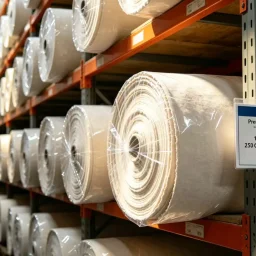
When building a private label collection, working with a manufacturer that prioritizes high-density textiles is non-negotiable. For luxury street-wear t-shirts, mandate single-jersey or interlock knits between 220 GSM and 300 GSM. For outerwear, hoodies, and sweatshirts, specify dense loopback French terry or heavy brushback fleece ranging from 400 GSM to 500+ GSM.
High-density fabrics provide the necessary structural memory for modern oversized drapes. A heavy 450 GSM fleece hood stands upright around the neck without collapsing flat, while a 260 GSM boxy tee falls cleanly from a dropped shoulder, concealing body contours and creating an elevated retail drape.
3. The Internal Skeleton: Guarding Structural Integrity in Private Label Apparel
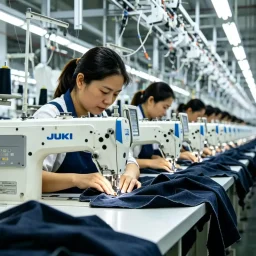
The assembly line is where budget manufacturers routinely compromise on hidden internal components to offer deceptively cheap private label quotes. Low-tier factories frequently substitute thin synthetic threads or flimsy mesh inside critical structural zones—such as rear neck tapes, shoulder-to-shoulder tracks, waistband channels, and internal pocket linings.
Under the friction of daily wear and hot commercial laundering, these weak internal bindings shrink unevenly, fray, or shred apart. This causes heavy outer cotton fabrics to buckle, leading to twisted seams, sagging collars, and torn pocket corners that drive high customer return rates and damage your brand’s market valuation.
The rear collar seam, shoulder tracks, and waistband channels carry continuous physical tension. To permanently insulate your private label collection against hidden manufacturing defects and justify premium pricing, your garment specs must explicitly mandate high-density, 100% natural long-staple components. Sourcing private label lines engineered with Newasia Garment Heavyweight Premium Industrial Cotton Lining Textiles provides a durable internal skeleton.
This tight, high-density combed cotton weave acts as a rigid stabilizer that locks the garment’s geometry true through continuous machine washing, entirely eliminating unsightly twisting or sagging. Utilizing this premium cotton lining matrix inside hidden seams provides a soft, non-scratch barrier against the skin, delivering an instantly recognizable luxury tactile feel that synthetic-only alternatives cannot replicate.
4. Surface Artistry and Custom Branding Transformations
Transforming a private label base garment into a distinctive fashion drop requires executing specialized graphic techniques, custom hardware integration, and high-end post-processing finishes:
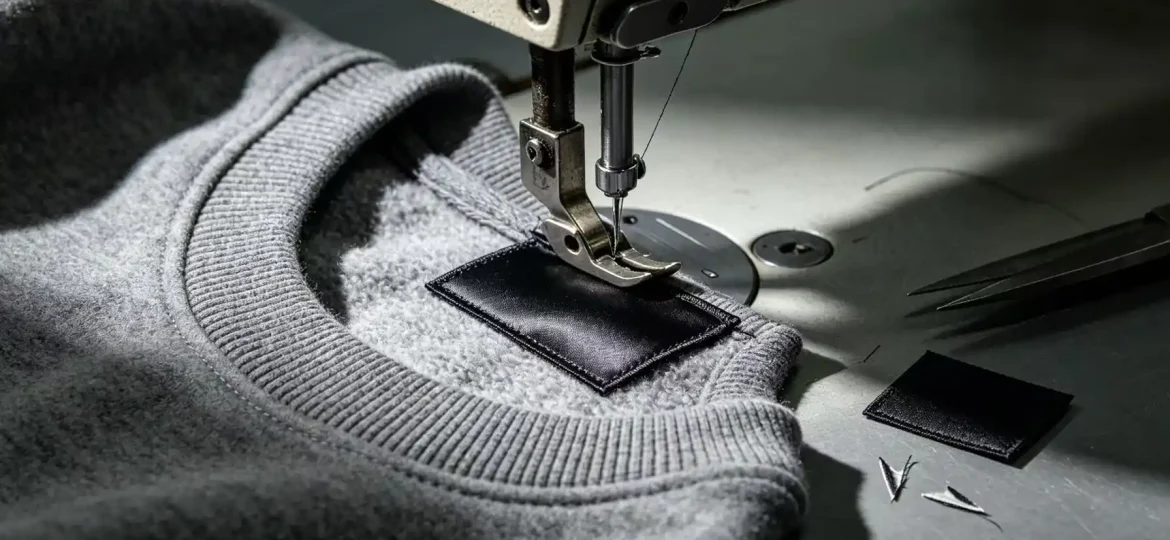
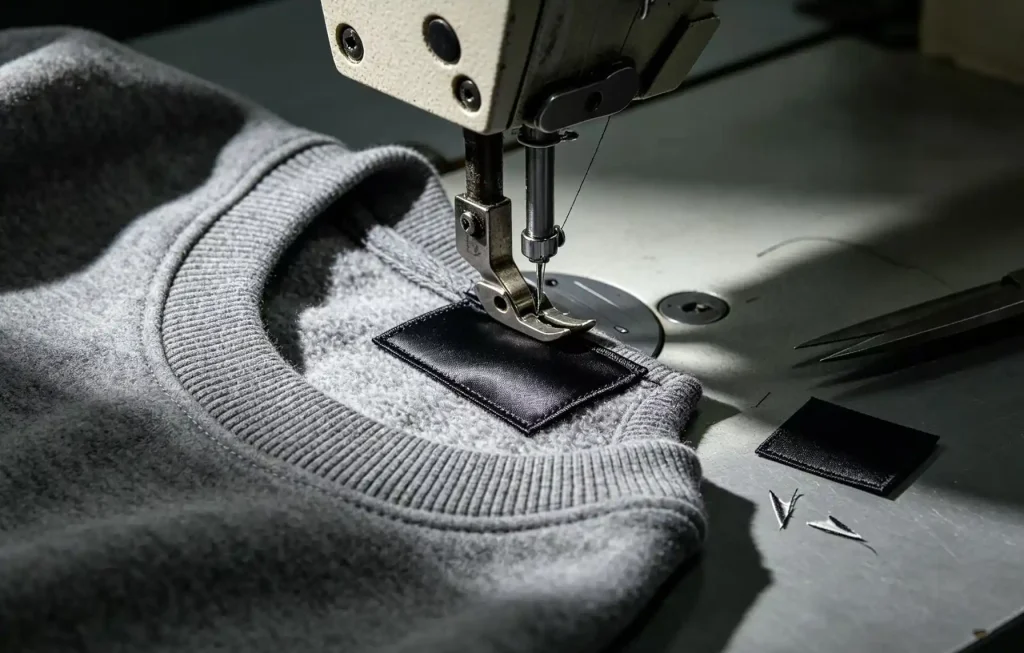
- Custom Rebranding & Trimming: Removing temporary factory tags and sewing in custom woven damask labels, printed care tags, and custom branded hangtags with safety pins or wax cord attachments.
- High-Density Surface Printing & Embroidery: Applying multi-layered puff screen prints, crisp plastisol artwork, or intricate multi-head electronic satin-stitch embroidery with proper backing stabilizers to prevent fabric puckering.
- Artisanal Garment Washes: Subjecting prepared private label blanks to bio-enzyme washing, acid washing, or custom stone washing to achieve authentic, lived-in vintage aesthetics while maintaining underlying thread strength.
5. Mitigating Global Supply Risks via Fixed DDP Logistics Execution
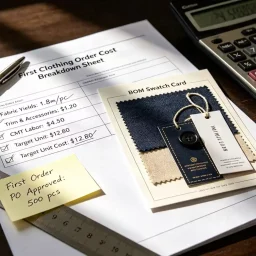
Selecting the right private label base garments and perfecting your artwork means nothing if your landed profit margins are wiped out by volatile international shipping lines, sudden port clearance delays, and complex customs documentation fees at your domestic border. Heavy garment shipments involve substantial physical weight and volume, making landed unit costs exceptionally sensitive to freight market disruptions.
Sourcing your private label inventory under traditional FOB (Free On Board) terms exposes a growing fashion label to heavy financial risks. Once your cargo leaves the factory’s local port, you become the legal importer of record, leaving your limited capital vulnerable to sudden ocean freight surcharges, terminal handling fees, customs storage delays, and unexpected import VAT and tariff bills at your domestic border.
The definitive logistical solution for modern global fashion labels is partnering exclusively with a private label manufacturing specialist that operates under a comprehensive, fixed Delivered Duty Paid (DDP) framework.
Under a complete DDP shipping model, your manufacturing partner manages international shipping, customs brokerage, and import duties. Your custom-branded, retail-ready clothing inventory is delivered straight to your fulfillment center or warehouse with zero hidden fees or border surprises. This allows you to lock in exact net margins long before your collection launches online.
6. Build Your Private Label Brand on Direct-Factory Precision
Successfully launching a private label apparel brand requires replacing online sourcing guesswork with strict material testing, precise component implementation, and disciplined manufacturing alignment. By anchoring your product line with heavy-density organic textiles, high-density internal cotton foundations, and a locked-in global DDP delivery model, your label can scale seamlessly from a preliminary drop to a highly profitable international presence.
Stop risking your critical seed capital and brand reputation with unverified digital brokers, trading middlemen, or basic promotional blank printers. Standardize your independent fashion house on a foundation of direct-factory transparency, absolute pattern stability, and total engineering precision.
To build your next private label collection on verified material quality and direct-factory expertise, visit Newasia Garment.com to request a comprehensive production review today.
Read more
- How to Validate Pocket Function and Placement Before Bulk Production
- How to Standardize Fabric Hand Feel Across Production Lots
- Movement Fit Testing for Apparel: How to Check Ride-Up, Slippage, and Range of Motion
- Pre-Production Sample Approval: What Brands Should Lock Before Bulk Production
- Custom Sports Jersey Manufacturing Quality Control: A Global Manufacturing Guide