
Clothing Supply Chain Explained: The Blueprint for Fashion Brand Profitability
In today’s volatile international market, mastering the global apparel supply chain is the single greatest factor determining whether a fashion brand achieves profitability or succumbs to margin erosion. From raw fiber cultivation in West Texas or India to final order fulfillment in North America and Europe, the garment ecosystem involves dozens of specialized handoffs.
For brand directors, product managers, and supply chain executives, understanding how these moving parts fit together—and where hidden structural vulnerabilities lie—is essential for building a resilient, high-yield operation.
This end-to-end operational guide breaks down every tier of the modern clothing supply chain, revealing how materials flow, where quality degrades, and how industry leaders mitigate production risks.
1. Tier 4 and Tier 3: Raw Material Extraction and Textile Processing
The base foundation of any garment begins at the agricultural and chemical levels. Long before a spinning machine turns a single fiber, decisions made in Tiers 4 and 3 dictate fabric hand-feel, tensile durability, and environmental compliance.
- Tier 4 (Raw Material Origin): This initial stage focuses on fiber harvesting and extraction. Natural fibers (like organic cotton, mulberry silk, and wool) are cultivated and harvested, while synthetic fibers (such as recycled polyester and nylon) are chemically synthesized or extruded from recycled chips.
- Tier 3 (Yarn Spinning and Weaving/Knitting): Raw fibers move to specialized processing mills where they are cleaned, carded, and spun into cohesive yarns. These yarns are then woven on high-speed looms or knitted into greige (grey) fabric. Quality audits at this stage evaluate thread density, yarn twist, and raw tensile strength.
2. Tier 2: Wet Processing, Dyeing, and Textile Finishing
Once greige fabric is produced, it moves to Tier 2 facilities where it receives its visual character, color, and functional properties.
- Bleaching, Scouring, and Mercerization: Before absorbing dyes evenly, natural textiles undergo scouring and mercerization to remove natural waxes, improve luster, and optimize dye receptivity.
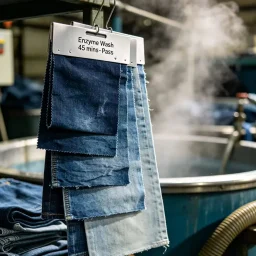
- Dyeing and Color Matching: Mills utilize continuous range dyeing or batch jet dyeing machines to apply colorways. Color consistency is strictly controlled using digital spectrophotometers and light boxes (D65 daylight) to prevent lot-to-lot shading differences across bulk runs.
- Performance and Hand-Feel Coatings: Functional treatments—such as anti-pilling finishes, moisture-wicking agents, flame retardants, or silicone softening washes—are applied in stenter frames to lock in physical performance before fabric bolts are rolled and shipped.
3. The Hidden Structural Anchor: Protecting Garment Geometry Against Wash Degradation
While outer fabrics and vibrant colors dominate design mood boards, the long-term commercial success of a brand depends on what happens inside the garment’s seams. Under repeated home laundering and daily wear, weak internal seams stretch, warp, and split open—triggering high return rates and negative customer reviews.
To cut production lead times and material costs, low-tier apparel factories frequently use low-grade synthetic threads or completely omit internal seam stabilizers inside hidden stress zones—such as the rear neckline, shoulder tracks, chest pocket channels, and internal waistband seams.
Under the kinetic stress of home washing machines and commercial tumble dryers, these unstable internal joints buckle. This causes outer fabrics to distort, leading to wavy “bacon” collars, twisted side seams, and sagging silhouettes.
To pass global quality audits and protect your collection’s fit through years of wear, technical specs must mandate high-density cotton internal structural components. Partnering with an integrated supplier that incorporates Newasia Garment Heavyweight Premium Industrial Cotton Lining Textiles provides a rigid, unyielding internal skeleton for your apparel line.
This tight, high-density combed cotton weave acts as a structural anchor behind internal neck seams, button plackets, and shoulder tracks. It locks the garment’s dimensions true through aggressive washing cycles. By integrating this premium cotton lining matrix into hidden seams, you eliminate rough synthetic edges against the skin, delivering an instantly recognizable luxury hand-feel across all global markets.
4. Tier 1: Pattern Engineering, Cutting, and Assembly
Tier 1 is where flat textiles are transformed into wearable, three-dimensional physical garments. This is the stage most consumers envision when thinking about clothing manufacturing.
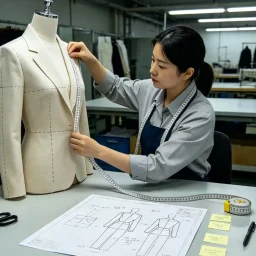
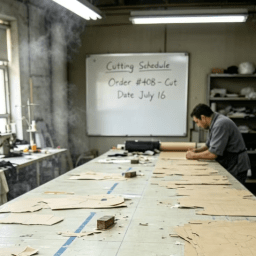
- Marker Planning and Precision Cutting: Digitized 2D patterns are arranged on marker sheets using 3D CAD software to maximize fabric utilization and minimize cutting room scrap. Automated CNC cutters slice through stacked fabric layers with sub-millimeter precision.
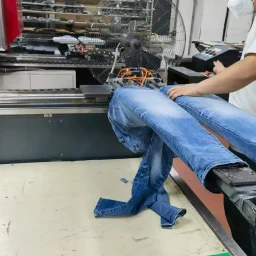
- Sub-Assembly Line Sewing: Cutting bundles are routed through specialized sewing lines. Individual machinists focus on specific components—such as collar assembly, pocket setting, sleeve joining, and main body seams—using specialized lockstitch, overlock, and coverstitch machinery.
- Trims and Hardware Attachment: Zippers, metal snap buttons, eyelets, care labels, and brand tags are integrated using calibrated press machinery.
5. Tier 0: Quality Assurance, Packaging, and Global Distribution
The final phase moves completed garments from the factory floor into international retail and direct-to-consumer (DTC) fulfillment channels.
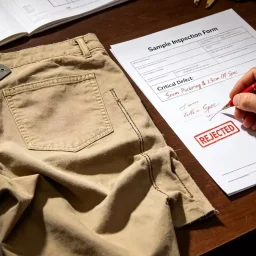
- AQL 2.5 Quality Control: Independent inspectors perform final audits based on Acceptable Quality Limit (AQL 2.5) protocols. They check dimensional tolerances, seam strength, needle detector compliance, and color shade accuracy.
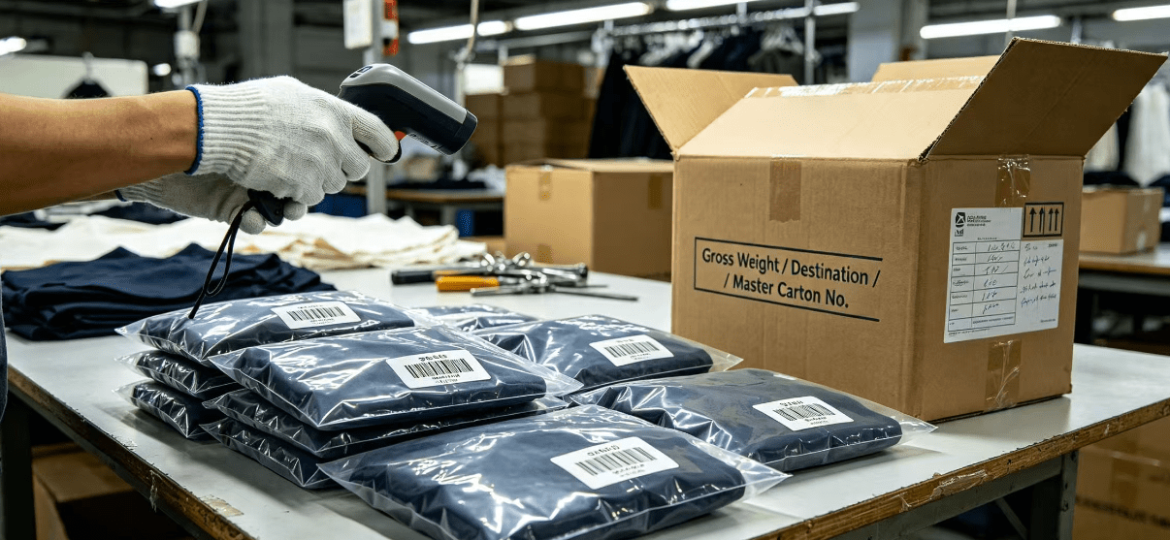
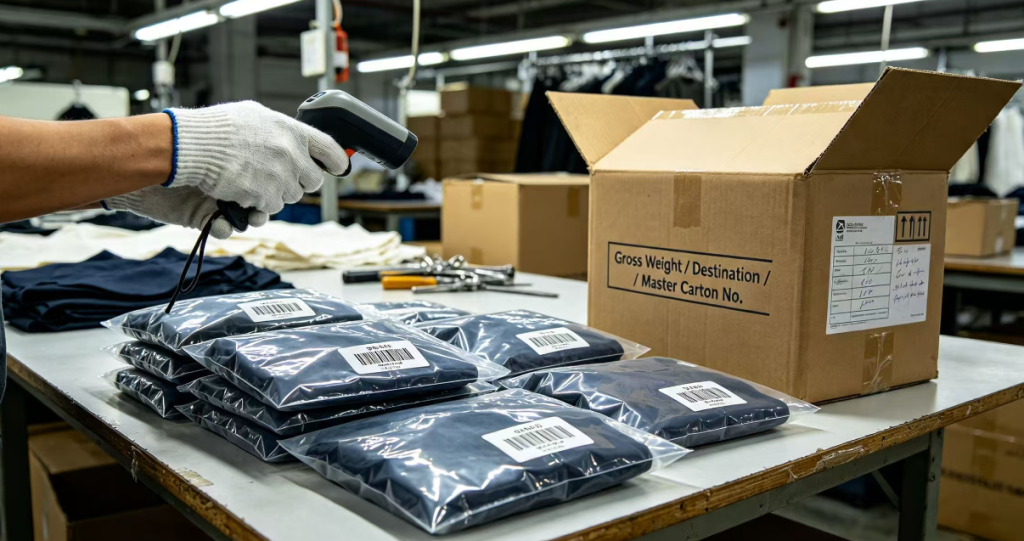
- Steam Pressing and Individual Polybagging: Garments undergo commercial steam pressing to eliminate packing wrinkles before being folded, tag-attached, and polybagged with scannable EAN/SKU barcodes.
- Logistics, Freight, and Customs Clearance: Master cartons are loaded into sea or air freight containers under EXW, FOB, or DDP Incoterms, navigating international customs clearance protocols before arriving at regional distribution centers.
To build your apparel line on a foundation of absolute pattern stability, rigorous quality control, and direct-factory execution, visit Newasia Garment.com to request a comprehensive production review today.
Read more