

The Hidden Costs of Bottom-Dollar Sourcing: Why Choosing the Cheapest Clothing Manufacturer is a High-Risk Strategy
In the fast-paced global fashion and apparel industry, the pressure to maximize gross margins and lower Cost of Goods Sold (COGS) is a constant operational challenge. For emerging brands, established labels, and procurement directors alike, the allure of an ultra-low Cut, Make, and Trim (CMT) quote from a foreign supplier can be exceptionally tempting. On paper, cutting unit production costs from $12 to $4 appears to be an instant win for profitability.

However, in global garment manufacturing, exceptionally cheap quotes rarely represent true operational efficiency. Instead, bottom-dollar pricing usually masks severe operational shortfalls, material compromises, compliance evasions, and structural risks. When a quote falls far below global market averages, the true cost is almost always deferred—paid later through ruined production runs, cancelled orders, brand reputation damage, or total financial loss.
The Anatomy of Ultra-Low Factory Pricing
To understand why extreme low-cost manufacturing poses an immense risk, buyers must analyze how a factory achieves prices that defy standard economics. Legitimate garment production involves fixed baseline costs: raw fiber cultivation, milling, dyeing, labor wages, machinery maintenance, overhead, and compliance audits. When a supplier undercuts market rates by a wide margin, they are forced to retrieve their profit margins through high-risk shortcuts.
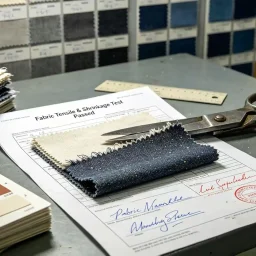
- Material Manipulation and Substandard Fabrics: The most common tactic is switching specified high-grade fabrics for inferior alternatives after deposit payments are secured. Factories may use low-staple cotton prone to heavy pilling, poorly dyed textiles that bleed upon washing, or non-pre-shrunk fabrics that result in severe garment warping post-laundering.
- Unregulated Subcontracting: To reduce overhead, bottom-tier vendors accept bulk orders beyond their physical capacity and quietly outsource production to unvetted, informal home workshops or secondary facilities. These secondary shops lack quality management systems, needle detection protocols, and basic safety standards.
- Unfair Labor Practices and Compliance Breaches: Stripping costs down to absolute minimums often relies on wage exploitation, unpaid overtime, or severe health and safety violations. Brands tied to such facilities face catastrophic public relations crises and potential import bans under international labor and forced-labor legislation.
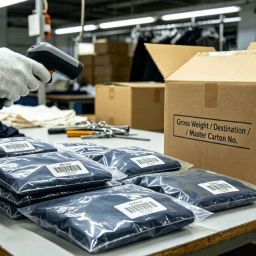
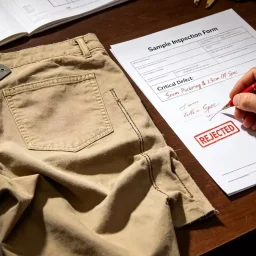
- Lack of Technical Quality Assurance: Low-cost operators routinely eliminate essential Quality Control (QC) checkpoints. They bypass Inline Inspections, During-Production (DUPRO) checks, and Final Random Inspections (FRI), pushing defective cut panels, inconsistent stitching, and incorrect measurement tolerances straight into export cartons.
- Unexpected Surcharges and Financial Hostage Tactics: Ultra-cheap suppliers frequently use low upfront quotes as “bait.” Once mass production is underway or raw materials are cut, the vendor introduces hidden fees for packaging, trims, export documentation, or local transport, holding the goods hostage until additional funds are wired.
The Cascade Effect: How Cheap Manufacturing Destroys Brand Equity
Sourcing from the cheapest supplier creates a domino effect that impacts every level of an apparel business:
- Massive Defect Rates and Inventory Loss: When bulk shipments arrive with crooked plackets, uneven hemline drops, failing seam strength, or severe color shading variations, the entire lot may become unsellable. Sorting, repairing, or liquidating defective stock rapidly wipes out any initial unit-cost savings.
- Severe Delivery Delays and Missed Seasons: Low-cost factories prioritize higher-paying clients whenever production bottlenecks occur. Your order gets pushed back, causing missed retail launch windows, broken delivery contracts with wholesale stockists, and lost seasonal revenue.
- Excessive Customer Returns and Churn: Modern consumers expect durability, fit consistency, and comfort. Delivering garments with fraying seams, bleeding dyes, or deformed collars leads to high return rates, negative digital reviews, and irreversible loss of customer trust.
Building a Sustainable Sourcing Framework: Value Over Base Price
Transitioning away from a “cheapest-at-all-costs” mindset does not mean overpaying for manufacturing; it means evaluating suppliers based on Total Cost of Ownership (TCO). True procurement success balances fair unit pricing with technical expertise, reliability, and risk mitigation.
- Prioritize Transparency and Direct Communication: Partner with direct manufacturing facilities that provide clear breakdowns of fabric GSM, yarn quality, trim specifications, and labor standards. Transparent suppliers welcome buyer audits and openly communicate production timelines.
- Enforce Strict Multi-Stage Inspection Protocols: Implement non-negotiable approval stages for Pre-Production (PP) samples and Top-of-Production (TOP) samples. Require independent third-party inspections based on standard Acceptable Quality Limit (AQL) 2.5/4.0 benchmarks before authorizing final balance payments.
- Work with Verified Quality-Driven Manufacturers: Sustainable brand growth requires production partners who view manufacturing as a long-term technical collaboration. Professional manufacturers like Newasia Garment focus on verifiable manufacturing standards, transparent OEM/ODM workflows, and strict quality control protocols from initial tech pack review through export shipping. Investing in a reliable, quality-focused manufacturing partner safeguards product integrity, protects brand equity, and ensures long-term profitability.
Read more
- How to Validate Pocket Function and Placement Before Bulk Production
- How to Standardize Fabric Hand Feel Across Production Lots
- Movement Fit Testing for Apparel: How to Check Ride-Up, Slippage, and Range of Motion
- Pre-Production Sample Approval: What Brands Should Lock Before Bulk Production
- Custom Sports Jersey Manufacturing Quality Control: A Global Manufacturing Guide