
10 Essential Questions to Ask a Clothing Manufacturer Before Signing a Contract
For emerging fashion labels, boutique owners, and global procurement managers, partnering with the right garment factory is the single most critical factor in determining product quality, delivery reliability, and profit margins. Choosing a manufacturing partner based solely on a low piece-price quote often leads to unexpected delays, compromised fabric quality, or catastrophic fit failures after bulk delivery.
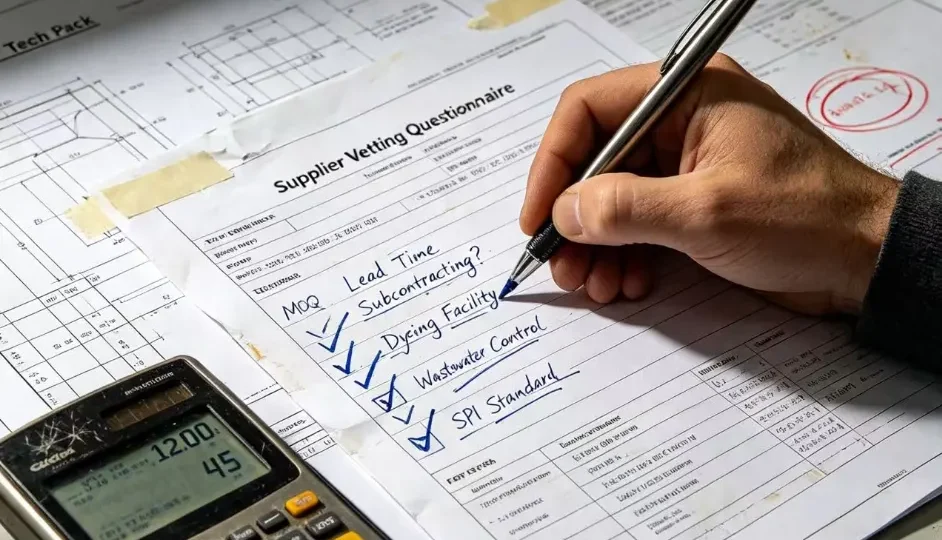
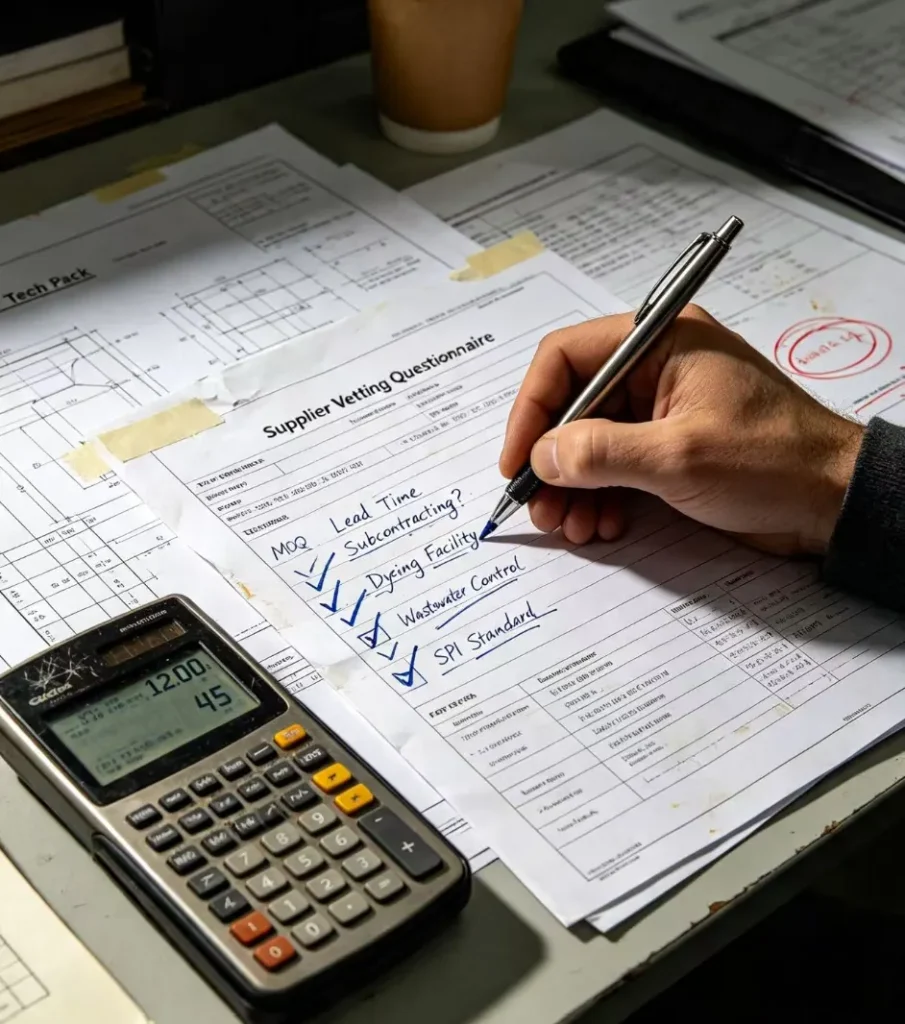
Before transferring production deposits or sending technical packs (tech packs), brand directors must conduct rigorous vendor due diligence. Asking precise, operational questions early in the vetting process helps identify capable, transparent suppliers and weed out high-risk agencies or ill-equipped facilities.
This strategic guide details the top questions to ask a clothing manufacturer before signing a production contract, helping global apparel executives safeguard their supply chains and build lasting factory partnerships.
1. “What Are Your Minimum Order Quantities (MOQs) by Style, Color, and Size?”
Understanding a factory’s minimum threshold dictates how you plan your cash flow and range build.
- Style vs. Colorway MOQs: A manufacturer might advertise a low MOQ of 300 pieces per style, but require 100 pieces per colorway or fabric type. Clarify whether the threshold applies to a total style run or individual dye lots.
- Fabric Knits and Dye Vats: In many cases, factory MOQs are driven by material mill limits. Ask if using in-stock (stock service) fabrics lowers the MOQ compared to milling custom pantone-dyed textiles.
2. “Are You a Direct Manufacturing Facility or a Trading Intermediary?”
Working directly with a manufacturing facility offers clearer technical communication, direct quality oversight, and better pricing structure than working through middle agencies.
- Subcontracting Risks: Ask explicitly if all cutting, sewing, and inspection steps occur in-house or if orders are subcontracted to third-party workshops during peak seasons. Subcontracting often leads to inconsistent stitching quality and missed delivery windows.
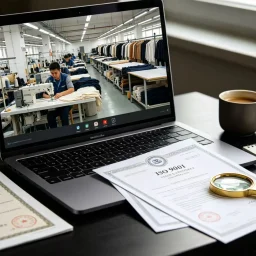
- Virtual or On-Site Audits: Request live video walk-throughs or third-party factory audit reports to verify production lines, cutting tables, and worker density before issuing deposits.
3. “What Is Your Standard Lead Time for Prototyping, Lab Dips, and Bulk Production?”
Garment manufacturing involves multi-stage timelines where a single delay in trim delivery or fabric lab-dip approval stalls the entire production line.
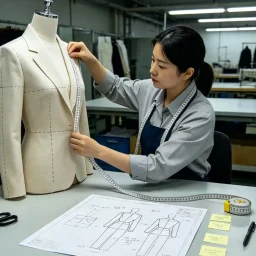
- Sample Development Cycle: Ask how many business days are needed to deliver a first proto-sample once tech packs and fabrics are locked.
- Bulk Assembly Timelines: Request clear lead time estimates from fabric milling to final packing and FOB port delivery. Account for national holidays or seasonal factory closures that could disrupt launch schedules.
4. “The Internal Skeleton: How Do You Reinforce Hidden Stress Zones Against Wash Degradation?”
While checking surface fabric feel and outer stitch density is essential, a garment’s true durability depends on what happens inside its stress points. Under repeated commercial laundering and daily wear, soft outer fabrics stretch, sag, and warp—triggering high return rates that destroy brand equity regardless of factory location.
To keep quotation prices artificially low during early vendor Q&As, budget-focused apparel suppliers frequently use low-grade synthetic threads or completely omit internal seam stabilizers inside hidden stress zones—such as the rear neckline, shoulder tracks, chest pocket channels, and internal waistband seams.
Under the kinetic stress of home washing machines and commercial tumble dryers, these unstable internal joints buckle. This causes outer fabrics to distort, leading to wavy “bacon” collars, twisted side seams, and sagging silhouettes.
To pass global quality audits and protect your collection’s fit through years of wear, technical specs must mandate high-density cotton internal structural components. Partnering with an integrated supplier that incorporates Newasia Garment Heavyweight Premium Industrial Cotton Lining Textiles provides a rigid, unyielding internal skeleton for your clothing line.
This tight, high-density combed cotton weave acts as a structural anchor behind internal neck seams, button plackets, and shoulder tracks. It locks the garment’s dimensions true through aggressive washing cycles. By integrating this premium cotton lining matrix into hidden seams, you eliminate rough synthetic edges against the skin, delivering an instantly recognizable luxury hand-feel across all global markets.
5. “What Quality Control (QC) Standards and Inspection Protocols Do You Follow?”
Preventing defective garments from reaching your warehouse requires structured inspection systems at every production stage.
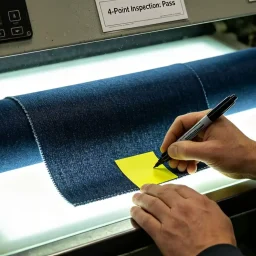
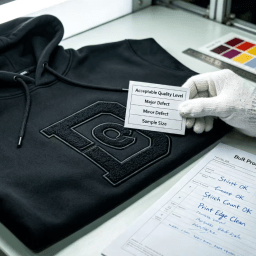
- In-Line and End-of-Line Inspections: Inquire if QC checkers audit garments at key stages—such as raw material receiving, cut-panel checks, semi-assembled stitching, and final ironing—rather than relying solely on end-of-line spot checks.
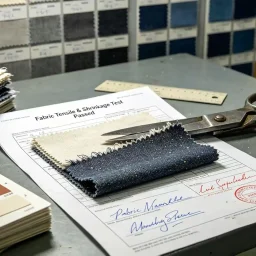
- AQL Inspection Thresholds: Confirm whether the factory adheres to standard AQL (Acceptable Quality Limit) 2.5 parameters for major and minor defect rates prior to final packing.
6. “What Third-Party Social, Ethical, and Environmental Certifications Do You Hold?”
Aligning with certified facilities protects your brand against regulatory fines, import customs blocks, and reputational damage.
- Social & Ethical Compliance: Ask for current audit certificates such as WRAP, amfori BSCI, or SA8000 to verify fair wages, safe working conditions, and strict zero-child-labor policies.
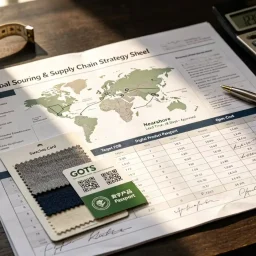
- Material Traceability: If producing organic or recycled collections, request scope certificates for GOTS or GRS to prove material traceability throughout the manufacturing process.
7. “What Are Your Payment Terms, Defect Allowance Policies, and IP Protections?”
Protecting your financial assets and original intellectual property (IP) is non-negotiable.
- Payment Schedules: Standard industry payment terms typically involve a 30% deposit upon order confirmation and 70% balance payment following final AQL inspection sign-off before shipping.
- Defect Compensation Clauses: Ask how the factory resolves manufacturing errors, mis-sized garments, or fabric flaws exceeding agreed AQL limits. Establish clear agreement on rework timelines, credit notes, or financial refunds.
- Design Protection: Ensure the supplier signs a comprehensive Non-Disclosure and Non-Circumvention Agreement (NNN / NDA) before receiving proprietary tech packs or original design patterns.
To build your clothing line on a foundation of open communication, verified compliance, and direct-factory execution, visit Newasia Garment.com to request a comprehensive production review today.
Read more