
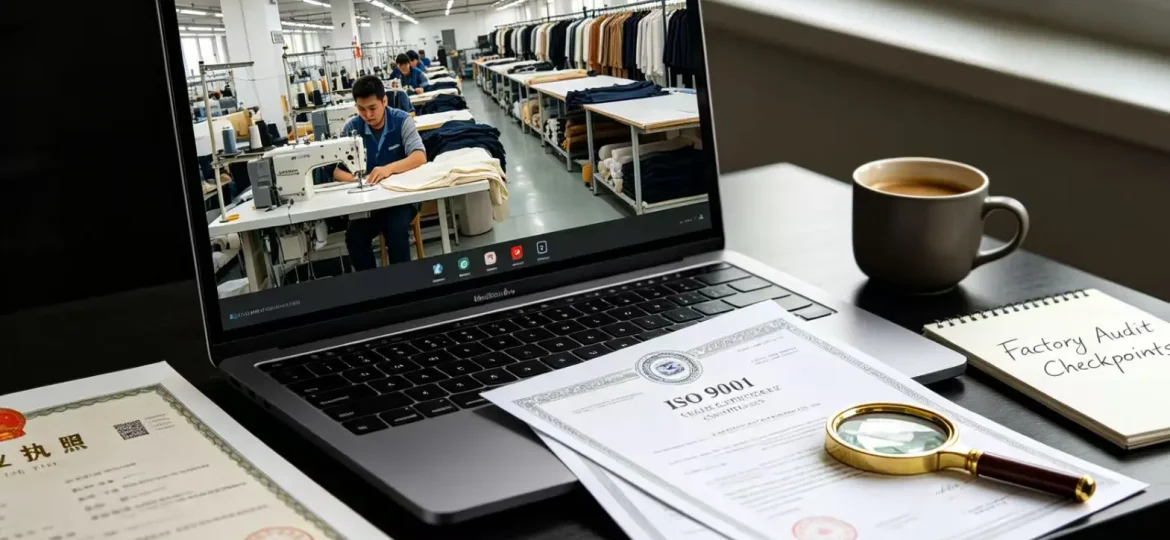
Unmasking the Middleman: How to Tell if a Clothing Factory Is Legit
For global apparel brand founders, product managers, and sourcing directors, finding a reliable manufacturing partner is one of the most critical operational milestones. However, the international apparel supply chain is notoriously opaque. E-commerce platforms, directory listings, and social media channels are filled with middlemen, trading companies posing as direct factories, and outright scam operators waiting to collect sample fees or bulk production deposits before disappearing.
Sending thousands of dollars overseas to an unverified entity carries severe risks—from delayed delivery timelines and inferior product quality to complete loss of working capital.
Mastering the mechanics of remote factory verification, conducting structured audit procedures, and identifying subtle operational red flags are essential skills for any apparel brand operating on a global scale. This technical guide outlines the exact verification steps required to separate legitimate garment manufacturers from fraudulent operators or unauthorized sourcing agents.
1. Verifying Business Registration and Legal Compliance
A legitimate apparel manufacturing facility operates within a recognized legal framework. Before entering price negotiations or signing production contracts, request foundational legal credentials:
- Official Business License and Manufacturing Scope: Request the factory’s official government business registration certificate. Verify that the registered scope explicitly includes garment manufacturing, cutting, or sewing, rather than merely “trading,” “export agency,” or “wholesale listing.”
- Bank Account Alignment: Ensure that all payment instructions link directly to an official corporate bank account carrying the exact legal business name found on the business license. Be extremely cautious if a supplier asks for wire transfers to personal account names, third-party remittance accounts, or unrelated offshore holdco entities.
- Tax ID and Export Certification: Legitimate export-oriented apparel factories hold valid national tax identification numbers and official customs export declaration permits. Cross-reference these registration details using public corporate registry databases.
2. Conducting Remote Physical Audits and Equipment Checks
Trading companies often curate polished websites using stock imagery or stolen studio photos from other real manufacturers. To verify that a factory physically exists and owns actual production equipment, perform a live physical audit:
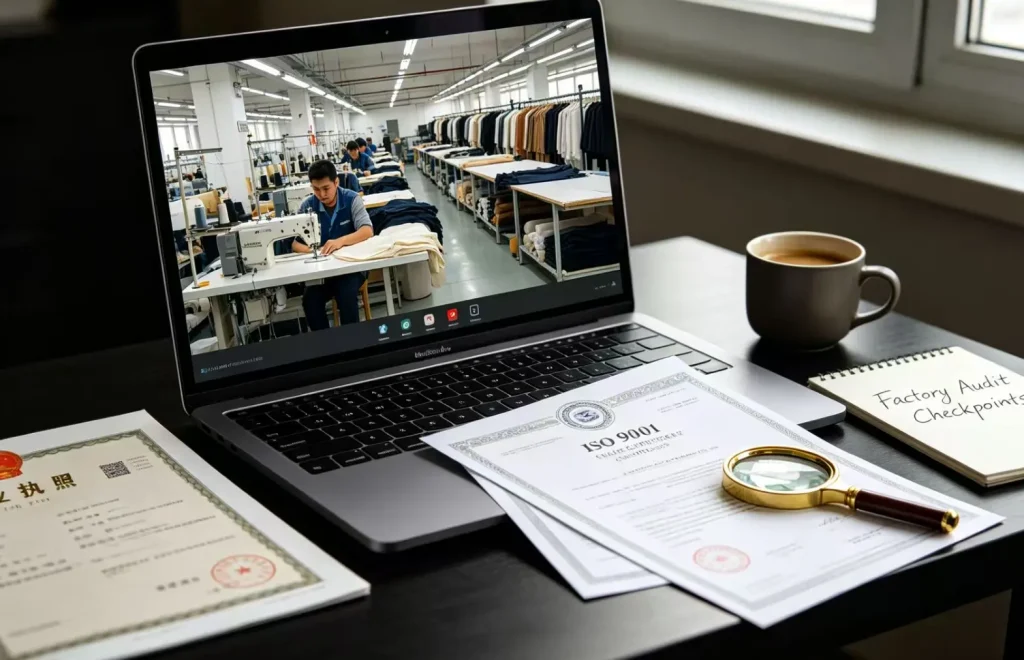
- Request an Unscripted Live Video Tour: Schedule a live video call via WeChat, WhatsApp, or Zoom during local factory operating hours. Ask the representative to walk from the front gate directly onto the cutting floor, sewing lines, and finishing departments without cutting the video stream.
- Inspect Machinery and Active Workstations: Pay attention to operating machinery during the call. A real garment factory will display specialized equipment—such as automatic spreading tables, computerized lockstitch machines, pattern cutters, and industrial steam presses. Look for active workers on assembly lines rather than empty, pristine rooms.
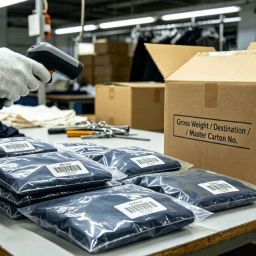
- Check Live Production Orders: During the video walk-through, ask to see current production lines in action. Real factories will have active client cut panels, physical tech packs hanging at sewing stations, and bulk fabric rolls stacked in organized staging areas.
3. Reviewing Technical Certifications and Social Audits
Established apparel manufacturers serving global markets invest heavily in international compliance certifications, safety audits, and environmental standards:
- Social and Ethical Compliance Audits: Ask for current third-party audit reports from recognized international bodies, such as WRAP (Worldwide Responsible Accredited Production), BSCI (Business Social Compliance Initiative), or Sedex SMETA.
- Quality Management Certifications: Verify if the facility holds an ISO 9001 quality management system certification. Request a PDF copy of the certificate and verify the certificate number directly on the issuing registrar’s website.
- Material and Environmental Standards: If your brand requires organic, recycled, or OEKO-TEX certified fabrics, request official Scope Certificates (SC) and Transaction Certificates (TC) issued under the factory’s legal name.
4. Assessing Technical Competence and Sampling Protocols
A genuine factory’s technical team speaks the language of garment engineering. You can quickly test a supplier’s legitimacy by evaluating how they handle technical design parameters:
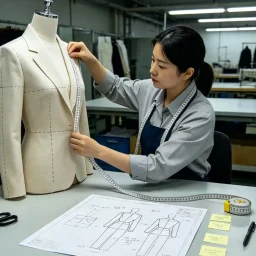
- Evaluate Tech Pack Comprehension: Send a detailed technical package containing complex construction notes, graded measurement charts, and fabric specs. A legitimate manufacturer will review the tech pack thoroughly, raise practical engineering questions, and flag potential production issues early. An illegitimate middleman will often accept every spec instantly without technical review.
- Audit Sample Quality and Fit Reports: Pay close attention to the execution of your pre-production samples. True direct manufacturers provide detailed sample comments, physical fabric swatches, and clear measurement tolerance feedback.
- Partnering with Established Manufacturing Groups: To bypass trading risks entirely, work with proven, transparent manufacturing partners. Partnering with an established global apparel producer like Newasia Garment gives brands direct access to verified factory-floor capabilities, transparent unit costing, and strict AQL quality control standards across all bulk runs.
5. Red Flags to Watch For Before Paying a Deposit
Protect your working capital by watching for these critical warning signals during initial communications:
- Refusal to Sign Non-Disclosure Agreements (NDAs): A real factory respects intellectual property and routinely signs standard NDAs or Manufacturing Agreements before receiving proprietary tech packs.
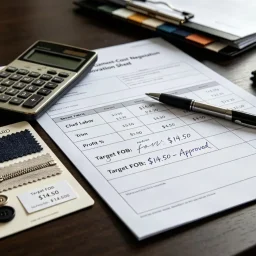
- Unrealistic Minimum Order Quantities (MOQs) or Pricing: If a supplier offers complex custom garments at unreasonably low unit prices or accepts 10-piece custom orders with zero setup fees, they are likely either a reseller or an unverified scam operator.
- Inconsistent Contact Information: Beware of suppliers using generic free email accounts (e.g., Gmail, Yahoo) instead of dedicated company domain emails, or representatives who refuse to provide fixed factory landline numbers and physical street addresses.
To safeguard your supply chain, verify factory credentials, and partner with a trusted global apparel manufacturer, visit Newasia Garment to begin your production process today.
Read more
- How to Validate Pocket Function and Placement Before Bulk Production
- How to Standardize Fabric Hand Feel Across Production Lots
- Movement Fit Testing for Apparel: How to Check Ride-Up, Slippage, and Range of Motion
- Pre-Production Sample Approval: What Brands Should Lock Before Bulk Production
- Custom Sports Jersey Manufacturing Quality Control: A Global Manufacturing Guide