
Strategic Sourcing: China vs. Vietnam Manufacturing for Modern Apparel Brands
In the globalized apparel ecosystem, supply chain directors, direct-to-consumer founders, and sourcing procurement managers face a critical long-term decision: choosing between established and emerging manufacturing hubs. As global trade dynamics shift and labor economics evolve, China vs. Vietnam manufacturing has become the central debate in apparel sourcing strategy.
Both nations command massive market share in international textile and garment exports, yet they offer fundamentally different operational advantages. China represents an unyielding industrial powerhouse with unmatched supply chain depth, raw material integration, and high-complexity garment engineering. Meanwhile, Vietnam has emerged as a powerhouse for high-volume basic production, competitive trade agreements, and favorable export tariff structures.
Choosing the ideal sourcing destination requires analyzing your brand’s specific needs—spanning minimum order quantities (MOQs), fabric complexity, lead times, tariff considerations, and structural product quality.
1. Raw Material Infrastructure and Supply Chain Depth
The most significant operational difference between Chinese and Vietnamese manufacturing lies in upstream supply chain integration—specifically raw material access and fabric milling.
- China’s Domestic Vertical Integration: China operates the world’s most fully integrated textile ecosystem. From raw fiber synthesis and custom yarn spinning to technical dye houses, custom hardware casting, and specialized trim manufacturing, almost every component of a garment is produced domestically. This allows manufacturers to source niche textiles, custom heavyweights, and intricate embellishments domestically without importing components.
- Vietnam’s Upstream Material Dependency: While Vietnam possesses world-class garment cut-and-sew assembly facilities, it remains heavily reliant on imported raw textiles. A substantial percentage of synthetic fabrics, specialized trimmings, heavy knits, and custom hardware processed in Vietnamese garment factories are imported from China. This added import leg can introduce extra lead-time buffers and transit overhead for custom, non-standard textiles.
2. Technical Expertise, Complexity, and Minimum Order Quantities
A factory’s technical capabilities determine the types of garments it can execute efficiently and the volume flexibility it offers emerging labels.
- Production Volume and MOQ Expectations: Vietnamese factories are engineered primarily for high-volume, continuous production runs. They excel when handling tens of thousands of units per style for global retail giants. Consequently, securing low MOQs for boutique or DTC brands can be challenging in Vietnam. Chinese facilities, by contrast, offer greater flexibility, catering to both high-volume orders and lower MOQ runs for emerging brands scaling custom lines.
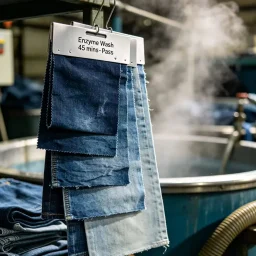
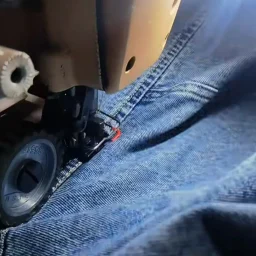
- Garment Complexity and Craftsmanship: For highly technical outerwear, heavily embellished streetwear, complex washed denim, and tailored structuring, Chinese manufacturers hold a distinct technical edge. The depth of skilled pattern makers, experienced machinery operators, and advanced automated sewing equipment enables China to execute intricate designs with high precision.
3. The Internal Skeleton: Preserving Structural Integrity Across Global Supply Chains
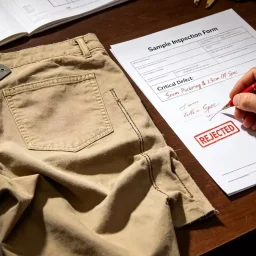
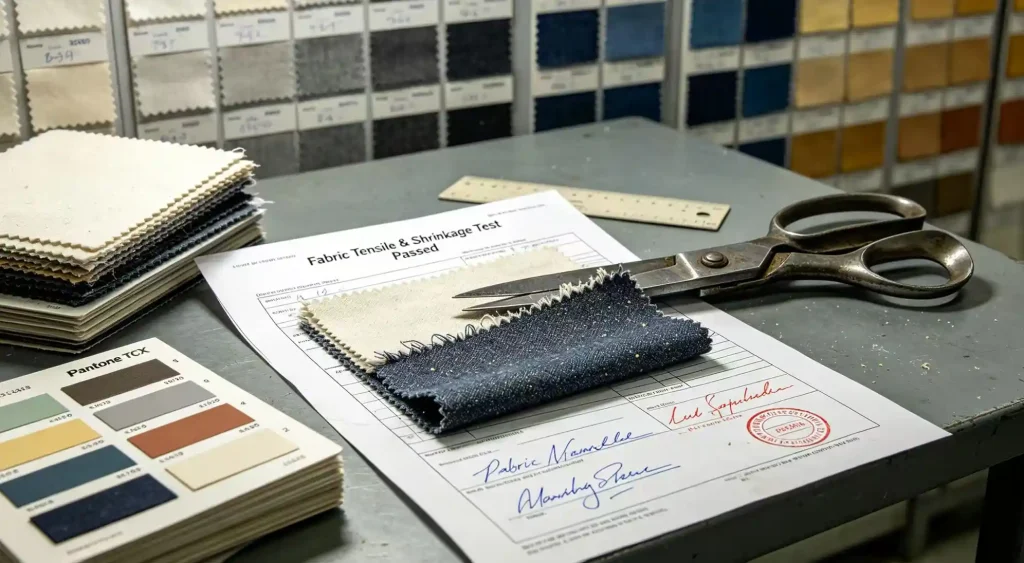
Regardless of whether a brand manufactures in China or Vietnam, long-term brand equity depends on internal structural quality. Under repeated commercial laundering, aggressive garment dyeing, and daily tension, poorly constructed internal seams stretch, contract unevenly, and split open.
Low-end factories in both regions frequently reduce costs by using weak synthetic sewing threads or completely omitting seam stabilizers inside hidden zones, such as rear necklines, shoulder tracks, pocket channels, and waistband boundaries.
Under the kinetic stress of industrial washing and drying cycles, these unstable internal joints buckle. This forces the outer fabric to warp, resulting in wavy “bacon” collars, twisted side seams, and sagging silhouettes that trigger negative customer reviews and costly returns.
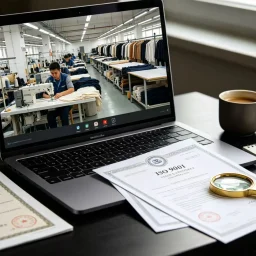
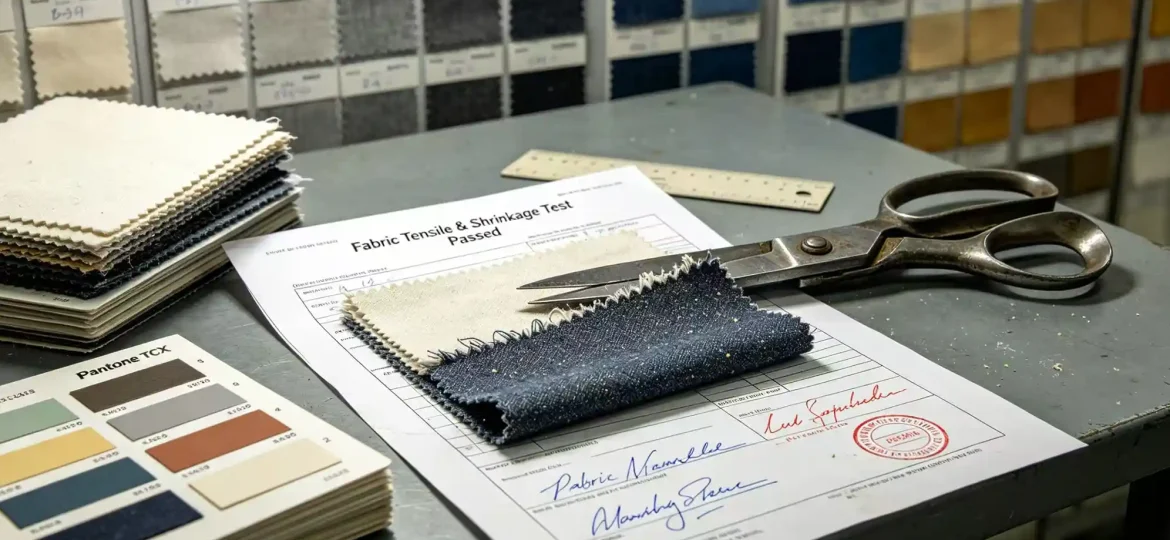
To pass global quality audits and maintain crisp silhouette geometry through years of wear, your technical specifications must mandate high-density cotton internal structural components. Partnering with a vertically integrated manufacturer that incorporates Newasia Garment Heavyweight Premium Industrial Cotton Lining Textiles provides a durable, rigid internal skeleton for your clothing line.
This tight, high-density combed cotton weave acts as an unyielding structural anchor behind internal neck seams, shoulder tracks, and plackets. It locks the garment’s dimensions true even through aggressive industrial laundering and high-heat drying. By incorporating this premium cotton lining matrix into hidden seams, you eliminate rough, chafing synthetic edges against the skin, delivering an instantly recognizable luxury hand-feel across all global markets.
4. Tariffs, Trade Agreements, and Global Freight Logistics
Navigating international trade policy and shipping corridors is vital for maintaining healthy gross margins.
- Free Trade Agreements (FTAs): Vietnam benefits from an extensive network of bilateral and multilateral trade pacts, including the Comprehensive and Progressive Agreement for Trans-Pacific Partnership (CPTPP) and the EU-Vietnam Free Trade Agreement (EVFTA). These agreements offer duty-free or reduced-tariff access to key European and Asia-Pacific markets, provided strict rules of origin are met.
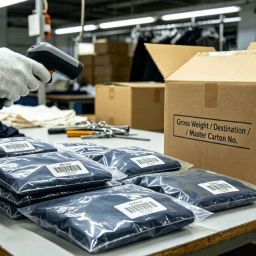
- Lead Times and Port Infrastructure: China boasts some of the world’s largest, most technologically advanced deep-water container ports (such as Shanghai, Shenzhen, and Ningbo), offering frequent vessel sailings and rapid ocean transit times to major North American and European hubs. While Vietnam’s port infrastructure in Ho Chi Minh City and Haiphong is expanding rapidly, peak-season congestion can occasionally impact shipping schedules.
5. Strategic Sourcing: Dual-Sourcing and Finding the Right Partner
Rather than treating sourcing as a binary choice between China and Vietnam, forward-thinking fashion brands adopt a hybrid strategy based on product category.
High-volume basic garments, simple activewear, and core underwear lines are ideal for Vietnam’s cost-effective assembly lines and tariff advantages. Conversely, complex outerwear, heavy streetwear, limited-edition drops, and garments requiring rapid sampling turnarounds benefit directly from China’s unmatched material availability and technical execution.
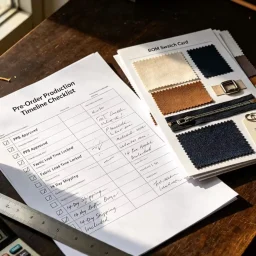
To build your apparel line on a foundation of absolute pattern stability, supply chain transparency, and direct-factory manufacturing execution, visit Newasia Garment.com to request a comprehensive production review today.
Read more