
Spotting the Warning Signs: 7 Critical Clothing Factory Red Flags to Avoid
For global apparel brand founders, sourcing managers, and procurement directors, selecting the right manufacturing partner is a high-stakes operational decision. A seamless manufacturing partnership leads to consistent product quality, predictable delivery schedules, and healthy profit margins. Conversely, partnering with an unvetted or sub-par facility can result in ruined fabric runs, missed seasonal launch dates, and catastrophic financial loss.
In the global apparel supply chain, factories rarely announce their operational shortcomings upfront. Instead, warning signs manifest subtle communication gaps, vague technical responses, and evasive pricing structures during initial negotiations.
Learning to identify these physical and operational red flags before signing contracts or transferring bulk deposits is an essential risk-management capability for any growing brand. This technical guide breaks down the critical warning signs during factory evaluations and explains how to safeguard your production pipeline.
1. Extreme Price Undercutting and Unrealistic Lead Times
When a potential manufacturing partner quotes a unit cost or production timeline that appears significantly lower than the global industry average, it usually indicates hidden compromises:
- Bait-and-Switch Pricing: Low upfront quotes are often used to secure initial deposits. Once production begins, the supplier may introduce surprise charges for pattern grading, fabric inspection, or export packaging.
- Subcontracting Without Authorization: Unreasonably low quotes frequently mean the factory intends to farm out your order to unvetted, low-cost third-party workshops with no quality oversight.
- Impractical Delivery Promises: Promising a 10-day turnaround for complex, fully custom garments usually signifies poor production scheduling, which invariably leads to delayed shipments and missed retail windows.
2. Evasive Communication and Resistance to Live Video Audits
Transparent communication is the cornerstone of successful foreign manufacturing. A complete lack of responsiveness or resistance to basic verification checks should immediately raise concern:
- Refusal to Conduct Unscripted Live Facility Walkthroughs: Legitimate manufacturers proudly showcase their active cutting tables, sewing lines, and finishing departments. If a supplier refuses a live video call or offers only pre-recorded promotional clips, they may be a trading intermediary posing as a direct facility.
- Generic Communication Channels: Be cautious if key representatives interact solely through free personal messaging accounts or refuse to provide fixed landline numbers, official company domains, or physical street addresses.
- Slow Technical Responses: Delays in answering basic questions regarding fabric sourcing, GSM specifications, or machine capabilities indicate a lack of direct factory-floor control.
3. Inability to Pass Standard Technical Pack Audits
A factory’s technical comprehension dictates how accurately your tech packs translate into physical products on the production line:
- Blindly Accepting Specs Without Questions: Experienced factory technicians meticulously review construction notes, tolerance tables, and seam specifications before quoting. A supplier that accepts complex tech packs instantly without asking clarifying questions often lacks technical design experience.
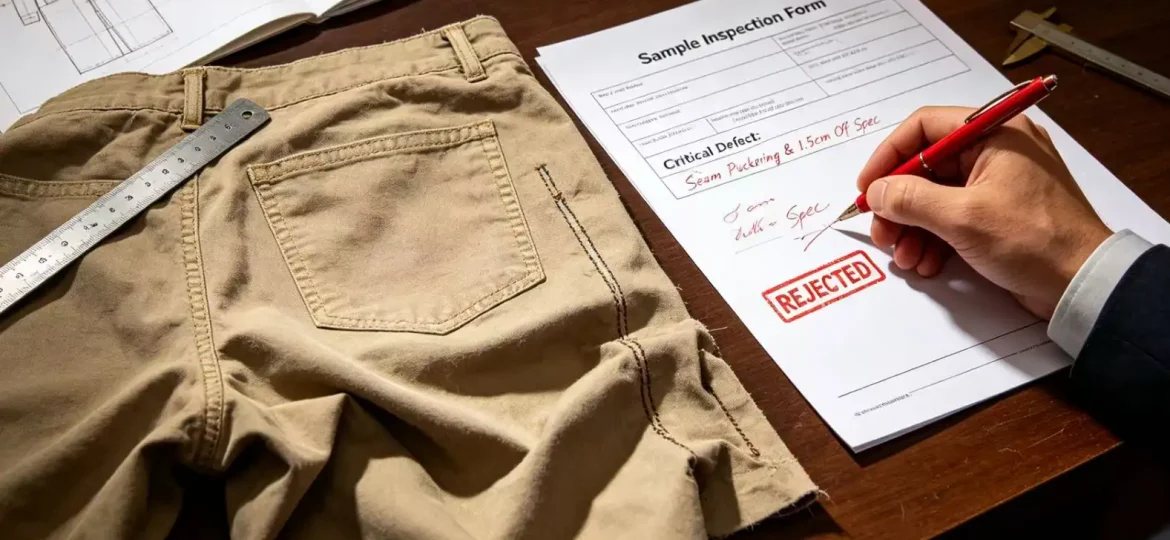
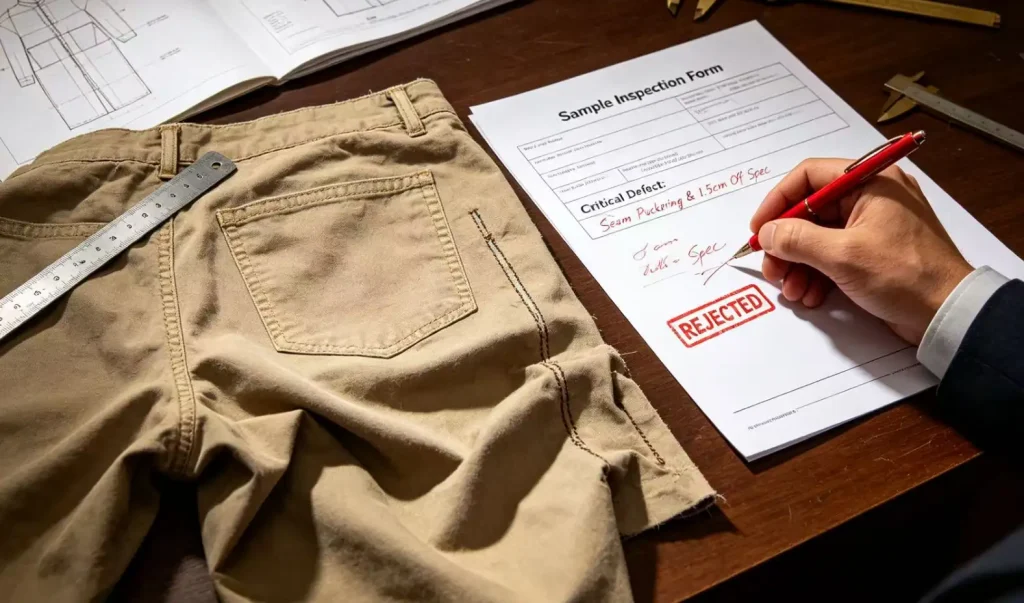
- Poor Sample Execution and Measurement Deviations: If initial pre-production samples show significant measurement variance or poor stitching quality without detailed technical feedback from the factory, bulk production will likely suffer from even higher defect rates.
- Resistance to Fit Comments: A professional manufacturing partner works collaboratively with your technical designers to resolve pattern grading or construction challenges, rather than pushing back on reasonable spec corrections.
4. Resistance to NDA Signing and Missing Quality Certifications
Intellectual property protection and regulatory compliance are non-negotiable standards when scaling an international clothing brand:
- Hesitation to Sign Proprietary Agreements: Legitimate factories regularly execute Non-Disclosure Agreements (NDAs) and Manufacturing Services Agreements to protect client designs, proprietary patterns, and custom print artwork.
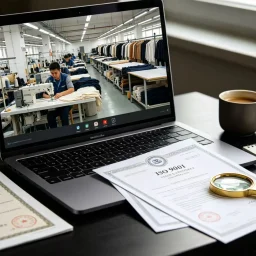
- Lack of Valid Third-Party Compliance Audits: Reliable factories maintain active social compliance and quality management certifications, such as BSCI, WRAP, or ISO 9001.
- Partnering with Transparent Manufacturing Operators: To bypass hidden supply chain risks entirely, establish direct relationships with established production facilities. Partnering with a proven global producer like Newasia Garment gives your brand access to verified factory-floor capabilities, standardized AQL quality control procedures, and transparent production tracking from fabric sourcing to final export.
5. Financial Red Flags and Irregular Payment Demands
How a factory manages financial transactions reflects its legal standing and operational stability:
- Demanding 100% Upfront Payment: Standard global manufacturing terms typically involve a deposit prior to production and the remaining balance upon passing final quality inspection. Demanding full payment before fabric cutting is a major financial red flag.
- Payments to Unrelated Third-Party Accounts: Never wire funds to personal bank accounts, unrelated offshore entities, or beneficiary names that do not match the official business registration license.
- Vague Contract Terms: Avoid suppliers that refuse to define clear Acceptance Quality Limits (AQL), defect return policies, or financial penalties for unscheduled delivery delays in writing.
To safeguard your brand, streamline production, and partner with a transparent global apparel manufacturer, visit Newasia Garment to start your development workflow today.
Read more
- How to Validate Pocket Function and Placement Before Bulk Production
- How to Standardize Fabric Hand Feel Across Production Lots
- Movement Fit Testing for Apparel: How to Check Ride-Up, Slippage, and Range of Motion
- Pre-Production Sample Approval: What Brands Should Lock Before Bulk Production
- Custom Sports Jersey Manufacturing Quality Control: A Global Manufacturing Guide