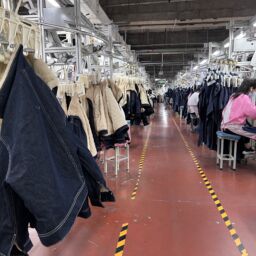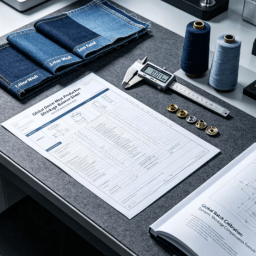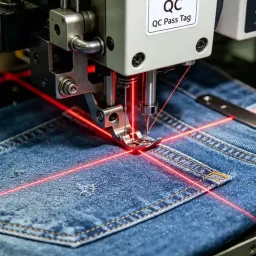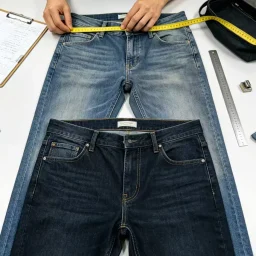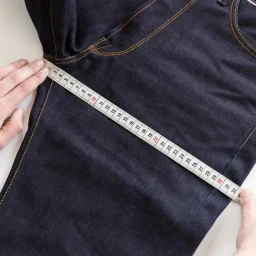


In the global apparel industry, denim manufacturing is celebrated for its unique aesthetic finishes and heavy-duty structural performance. However, two persistent quality issues frequently trigger customer complaints and bulk cargo rejections: off-gassing odours and excessive fabric shedding (linting/pilling). When a consumer opens a package to find an overpowering chemical smell or experiences dark indigo fluff transferring onto tops and upholstery, brand reputation takes an immediate hit.
Eliminating these defects requires strict process control across the wet processing plant, laundering units, and finishing lines. This technical guide explores how professional denim manufacturing facilities manage chemical neutralization, fabric surface stabilization, and pre-shipment quality assurance on a global scale.
1. Common Odour Sources in Denim Production
Odour issues in finished denim garments rarely stem from the cotton fiber itself; rather, they are byproduct gases trapped during complex chemical processes:
- Sulphur Dye Residues: Sulphur black and dark indigo dyeing processes rely on reducing agents like sodium sulphide. Incomplete washing allows residual sulphur compounds to oxidize over time, releasing a distinct “rotten egg” hydrogen sulphide gas during storage.
- Resin and Formaldehyde Off-Gassing: Anti-wrinkle, stiffening, or 3D-crinkle resin finishes often utilize formaldehyde-based cross-linking agents. If curing temperatures are insufficient or chemical ratios are unbalanced, unreacted formaldehyde off-gasses inside sealed polybags.
- Biological and Volatile Organics (VOCs): High-humidity storage, residual wash oils, or improper water treatment in the laundry facilities can foster bacterial growth or leave unpleasant VOC traces on heavy denim fibers.
2. Wash Chemicals and Neutralisation Protocols
Proper chemical neutralization during wet processing is the first line of defense against chemical odours and fabric degradation:
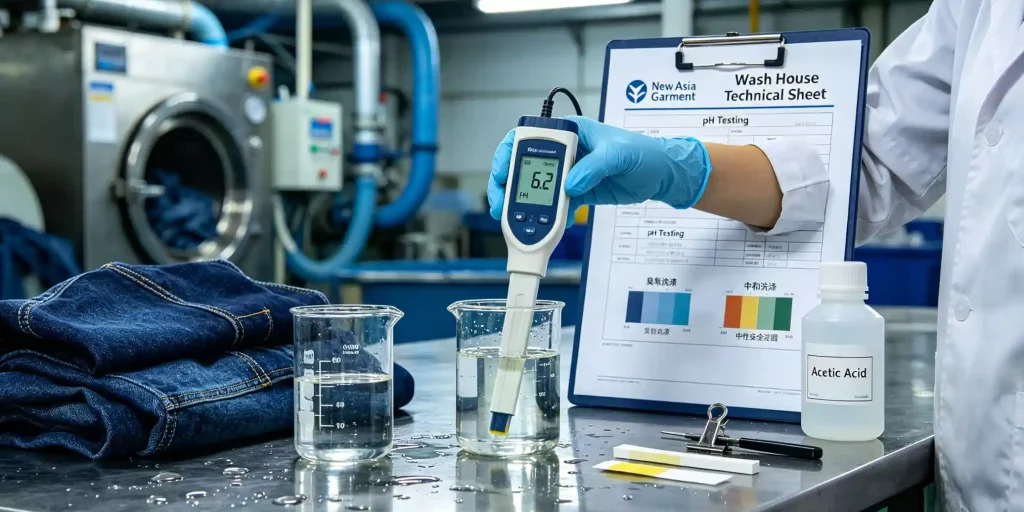
- pH Balancing with Acetic Acid: Following alkaline treatments like mercerisation or desizing, the fabric’s pH must be brought back to a neutral human-skin-friendly range (pH 5.5 to 6.5). Controlled acetic acid or citric acid baths neutralize alkaline residues effectively.
- Ozone and Hydrogen Peroxide Oxidation: Modern eco-friendly wash plants utilize ozone bleaching and hydrogen peroxide neutralization cycles. Ozone oxidizes volatile organic molecules and neutralizes sulphur odours without destroying cotton fiber strength.
- Thorough Overflow Rinsing: Factories must enforce multi-stage overflow rinsing post-bleach and post-dyeing. Rinsing cleanses residual chemical surfactants from the core of thick cotton yarns, preventing latent off-gassing.
3. Drying, Storage, and Packaging Optimization
Moisture retention inside dense denim weaves creates an ideal breeding ground for mildew and chemical trapping:
- Controlled Oven Curing Temperatures: Resins require exact temperature curves (typically 150°C to 170°C) for complete polymer cross-linking. Fully cured resins eliminate free formaldehyde and prevent post-packaging chemical smells.
- Moisture Management Before Packing: Denim garments must cool completely after drying and maintain a strict moisture content below 8% before entering the folding line. Packing warm or damp denim traps residual moisture and intensifies chemical concentration inside polybags.
- Desiccant and Breathable Packaging: Utilizing micro-perforated polybags alongside non-toxic silica gel or anti-mold stickers absorbs ambient humidity during maritime shipping across tropical trade routes.
4. Brushing, Finishing, and Fabric Shedding Control
Fabric shedding—manifested as loose fibers, lint, or surface pilling—occurs when short cotton staple fibers break free from the yarn structure during mechanical finishing:
- Singeing and Bio-Polishing: Passing grey fabric through a high-speed gas singeing flame burns off loose surface fuzz. In the laundry, cellulase enzyme washing (bio-polishing) selectively hydrolyzes protruding short micro-fibers, smoothing yarn surfaces.
- Controlled Mechanical Brushing and Suction: When creating brushed or fleece-back denim, factories must utilize heavy-duty vacuum suction units directly behind the wire brushing rollers to extract loose fiber dust immediately before it settles into the weave.
- Tumble De-Dusting Cycles: High-airflow industrial tumbler drying cleanses mechanical lint from pockets and seams, dramatically reducing initial shedding during consumer wear.
5. Fabric Surface Stability and Shedding Tests
To quantify linting and surface stability, quality assurance laboratories perform standardized mechanical friction tests:
- Martindale and ICI Pilling Resistance Tests: Denim swatches undergo rotational rubbing cycles against abrasive surfaces (ISO 12945-2). Passing standards require a minimum Grade 3-4 rating before bulk production approval.
- Lint Transfer and Tape Friction Tests: A standardized adhesive tape or white cotton rubbing fabric is applied under fixed pressure across denim surfaces to measure fiber shed density, ensuring dark indigo lint will not rub off on light clothing.
- Tensile and Tear Retention Evaluation: Because aggressive bio-polishing enzymes can weaken denim, labs continuously test warp/weft tear strength to balance smooth shedding resistance with fabric durability.
6. Pre-Shipment Sensory Checks and Quality Audits
Visual inspection alone cannot detect chemical off-gassing. Advanced factories conduct standardized olfactory and sensory audits before sealing export cartons:
- Sniff Testing Protocol (ISO 17299 / AATCC Standards): Trained QC inspectors sample 3% to 5% of packed garments from sealed polybags, placing them in closed glass jars or sniffing test chambers to detect sulphur, formaldehyde, or petroleum odours.
- Moisture Meter Verification: Digital needle moisture meters verify that waistband and pocket-bag moisture levels remain strictly under 8%.
- Shake-Down and Lint Sweep Audit: Inspectors vigorously shake sample garments over clean white inspection tables to confirm that no visible fiber dust or loose thread particles drop from inner pockets or felled seams.
7. Buyer Prevention Checklist for Denim Sourcing
Global apparel buyers and sourcing managers can mitigate odour and shedding risks by embedding strict technical parameters into their Tech Packs and factory SOPs:
- Specify Eco-Friendly Dyeing & Resin Systems: Mandate ZDHC-compliant (Zero Discharge of Hazardous Chemicals) dye auxiliaries and low-formaldehyde or formaldehyde-free finishing resins.
- Incorporate Strict pH & Odour Tolerances: Set acceptable garment pH limits (5.5–7.0) and require zero-detectable sulphur/chemical odour pass criteria in final inspection protocols.
- Require Pre-Production Lint Standards: Require garment suppliers to submit certified Martindale pilling test reports and crocking/lint transfer test results prior to fabric cutting.
- Audit Laundry Operations: Verify that factory partners possess modern water treatment, automated chemical dosing, and dedicated vacuum de-dusting systems.
Partnering with experienced apparel manufacturing partners like New Asia Garment ensures that technical quality standards are strictly maintained across all production stages. By combining automated washing technology, eco-friendly chemical management, and rigorous pre-shipment sensory checks, professional manufacturing facilities eliminate chemical odours and fabric shedding, delivering premium denim collections to global markets.
Eliminating odour and fabric shedding in denim production is a science of balance, requiring control over chemical chemistry, mechanical finishing, and storage environments. By addressing root causes at every stage—from sulphur neutralization to automated vacuum de-dusting—garment manufacturers and international brands can protect product quality, satisfy consumer expectations, and build lasting market trust.
Read more