
Building a Long-Term Relationship with Your Apparel Manufacturer: The Strategic Growth Engine for Fashion Brands
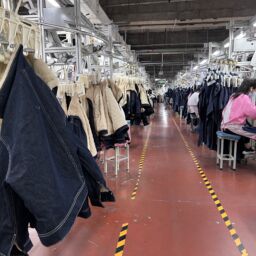
For fashion brand directors, supply chain executives, and apparel founders, managing garment production is often framed as a series of transactional negotiations—securing the lowest Cut-Make-Trim (CMT) rate or chasing tight seasonal spot delivery windows. However, in an increasingly volatile global market, treating suppliers as disposable vendors creates supply chain friction, high reject rates, and unpredictable shipping delays.
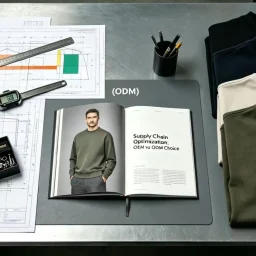
Cultivating a long-term relationship with your manufacturer is one of the most powerful risk-mitigation strategies and growth levers available to fashion brands today. Moving from transactional vendor trading to a true strategic partnership unlocks line capacity, improves garment quality consistency, and optimizes production costs over time.
This comprehensive guide breaks down the competitive advantages of long-term manufacturing partnerships, operational protocols for building trust across global supply chains, and how collaborative structural garment engineering safeguards your brand’s physical durability.
1. The Strategic Advantages of Manufacturer Retention
Transaction-focused brands often switch factories to save a few cents per unit, only to lose far more in poor quality control, missed sales windows, and development delays. Establishing a long-term partnership yields multi-faceted operational benefits:
- Priority Line Capacity Allocation: During peak seasonal rushes, factories prioritize production lines for long-term partners with steady demand over one-off buyers, protecting your launch dates during high-demand retail cycles.
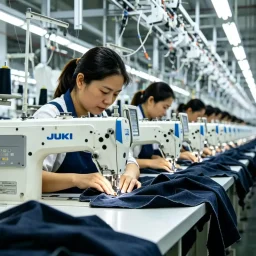
- Production Curve Efficiency and Cost Optimization: As a factory’s sewing technicians become familiar with your brand’s specific fit parameters, seam construction standards, and fabric behaviors, sewing efficiency increases. This efficiency gains allow manufacturers to offer better margin flexibility without compromising worker wages.
- Collaborative Innovation & Material Sourcing: Long-term partners proactively share raw material innovations, excess fabric stock opportunities, and advanced sustainable finishing techniques, giving your design team early access to cutting-edge development.
2. Operational Frameworks for Nurturing Supply Chain Trust
Building a reliable global manufacturing relationship requires structured communication, operational transparency, and mutual accountability:
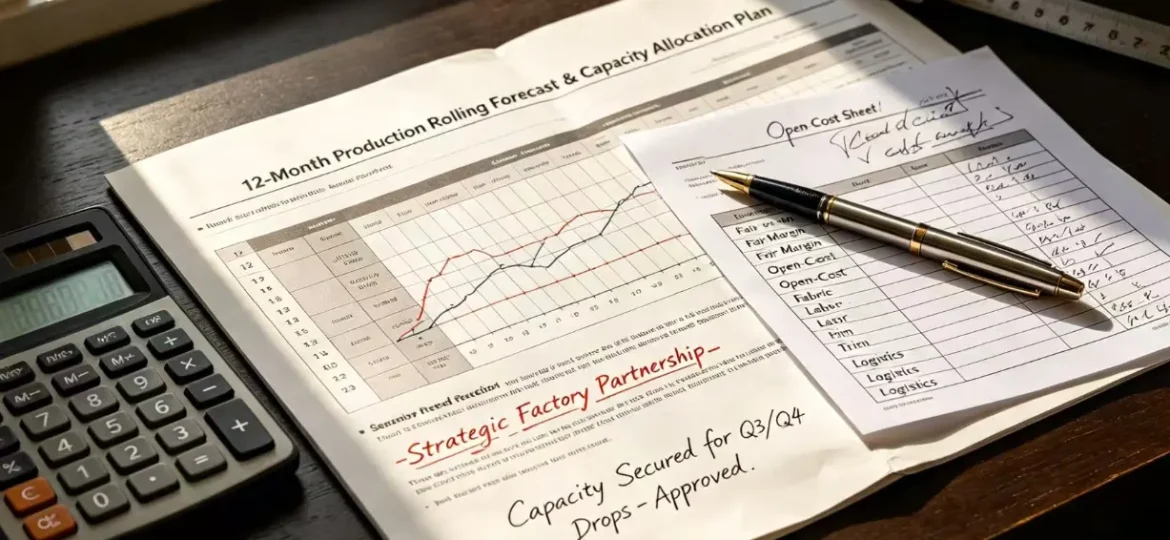
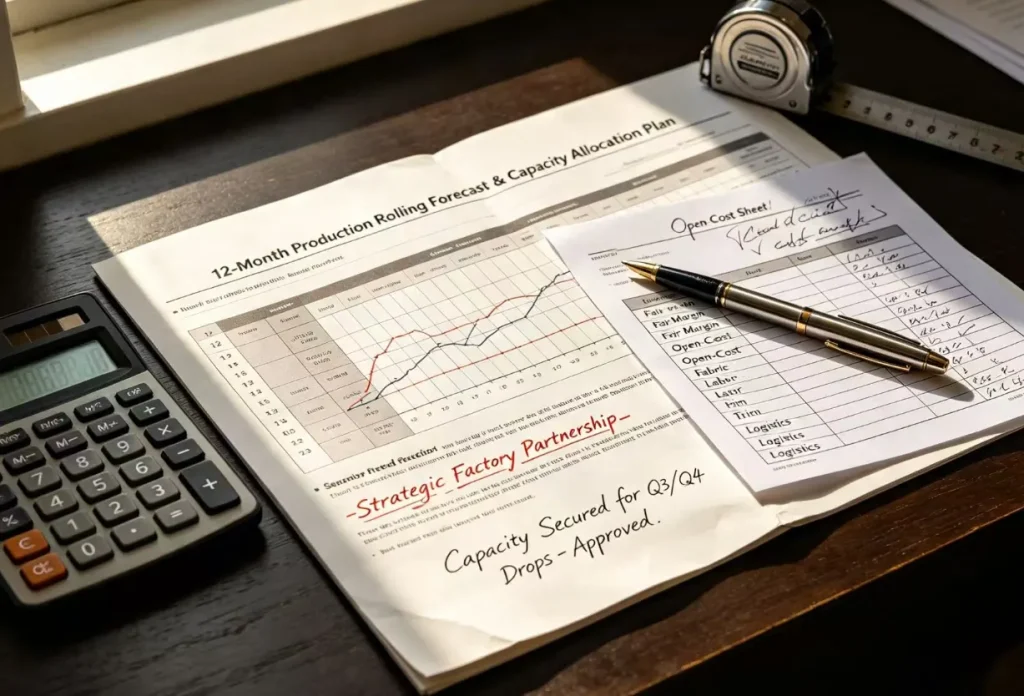
- Provide Transparent Production Rolling Forecasts: Sharing 6-to-12-month rolling forecasts allows your manufacturer to reserve raw materials, manage mill capacity, and smooth out seasonal production dips, reducing operational stress on both sides.
- Implement Itemized Open-Cost Negotiation: Negotiate pricing transparently using open-cost sheets that clearly break down fabric yield, trims, CMT labor minutes, and factory margins. Fair margins ensure factories do not cut corners on seam quality or worker safety to maintain profitability.
- Establish Clear Variation and Resolution Protocols: Address quality issues or design revisions collaboratively using formal Engineering Change Orders (ECOs) rather than placing unilateral blame, fostering a problem-solving mindset.
3. The Internal Skeleton: Co-Engineering Garment Longevity and Protecting Yield
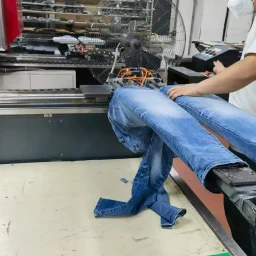
A common friction point in long-term factory relationships is product return spikes caused by post-wash garment deformation. When hidden strain zones—such as rear necklines, shoulder tracks, hood attachments, and waistband channels—lack internal structural support, garments lose alignment after laundering.
Outer fabrics buckle, seams twist, and collar lines sag, damaging consumer trust and creating costly warranty claims. When brands and factories collaborate on technical construction from day one, these structural issues are engineered out during line development.
To protect your brand equity and ensure garments maintain their structured silhouette over years of wear, technical specifications must mandate high-density cotton internal structural components. Partnering with a specialized global manufacturer like Newasia Garment Supply Chain Solutions provides an unyielding internal skeleton for your clothing line.
Integrating tight, high-density combed cotton bias tape, neck reinforcement, and stabilized seam matrices anchors garment geometry securely. Mandating these premium structural components during tech pack sign-off eliminates synthetic skin irritation, lowers factory scrap rates, and delivers the physical durability required to excel in today’s demanding retail market.
4. Essential Contractual Protocols for Sustainable Partnerships
Long-term trust relies on clear commercial boundaries that protect both the brand’s working capital and the factory’s operational security:
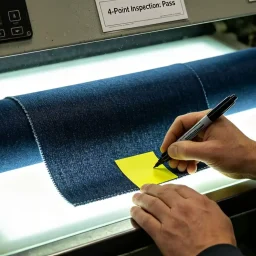
- Standardize AQL 2.5 Quality Inspection Defect Limits: Aligning on an independent Acceptable Quality Limit (AQL 2.5) standard as the objective benchmark for production sign-off eliminates subjective quality disputes at the factory gate.
- Fair Payment Schedules Tied to Milestones: Transitioning long-term partners to balanced payment terms—such as deposit upon raw material locking and balance release post-AQL pass—builds financial goodwill while maintaining risk control.
- Enforce Comprehensive Intellectual Property & NNN Agreements: Protect proprietary patterns, custom fabric blends, and tech packs with non-disclosure, non-use, and non-circumvention agreements, ensuring mutual respect for design innovation.
To transform your apparel supply chain into a resilient, long-term competitive advantage, visit Newasia Garment to start building your strategic manufacturing partnership today.
Read more
- Activewear Fabric Approval Before Bulk: Opacity, Stretch, Recovery and Breathability
- How to Build a Garment Test Plan Before Bulk Production (Complete Guide)
- Apparel Change Control: How to Approve BOM, Material and Construction Revisions
- Denim Quality Control: Testing Methods, Common Defects & Quality Standards
- How Denim Quality Control Reduces E-Commerce Returns