
The Anatomy of Clothing Sourcing Scams: A Global Apparel Buyer’s Survival Guide
Global apparel sourcing offers fashion brands, designers, and procurement teams access to specialized craftsmanship, scalable production capacity, and competitive manufacturing margins. However, navigating cross-border garment production also exposes buyers to sophisticated operational, financial, and quality-related fraudulent practices.
Whether partnering with apparel facilities across Asia, South America, Europe, or Africa, knowing how to identify early warning signs can save your brand tens of thousands of dollars, months of schedule delays, and irrecoverable reputational damage.
The Most Common Global Clothing Sourcing Scams
Apparel sourcing fraud rarely looks like an outright disappearance of a vendor. More often, it manifests as deliberate misrepresentation, material manipulation, or contractual exploitation. Understanding the specific tactics rogue operators use is the first step toward mitigation.
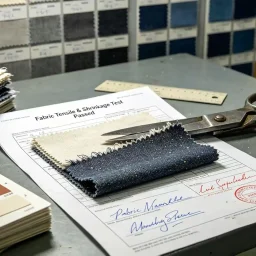
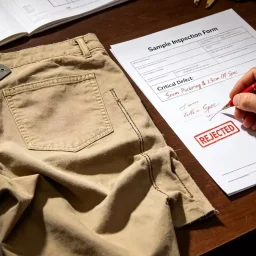
- Bait-and-Switch Material Substitution: The supplier delivers flawless, high-grade golden samples using premium long-staple cotton or high-density denim during early approvals. Once the bulk deposit clears and mass production begins, the factory swaps specified fabrics for cheaper, lower-density, or synthetic-blend alternatives without buyer consent.
- The Ghost Factory Intermediary: Unvetted sourcing agents or shell trading entities present themselves as direct apparel manufacturers. After securing order deposits, they pass production down to unvetted, unregulated secondary subcontractors with substandard working conditions and no quality management systems.
- IP Theft and Unauthorized Overruns: Rogue production facilities produce unauthorized extra units of your custom designs, branded trims, or proprietary tech packs. These extra runs are subsequently liquidated through unauthorized grey-market distribution channels or digital platforms.
- Unrealistic Lead Time Promises: Vendors guarantee unfeasible production timelines—such as completing complex cut-and-sew bulk orders within two weeks—simply to lock in non-refundable upfront deposits. Once funds are transferred, the vendor repeatedly delays shipping under the guise of supply chain disruptions or raw material shortages.
- Fake Compliance Certifications: Facilities present forged or altered environmental, social, and technical audit documents (such as fake WRAP, BSCI, or HIGG Index records) to trick global buyers into believing they meet international manufacturing standards.
5 Red Flags to Watch for Before Signing a Factory Agreement
1. Resistance to Transparent Purchase Documentation
Legitimate export manufacturers operate with standardized documentation. Be cautious if a potential supplier refuses to provide clear, traceable documentation such as verifiable export history, anonymized shipping records, or itemized proforma invoices. A genuine full-package supplier welcomes reasonable transparency during initial buyer evaluations.
2. Communication Restricted exclusively to Personal Messaging Channels
Professional apparel factories manage customer communication through corporate channels and formal email documentation rather than relying solely on ephemeral social media apps. If a sales representative refuses corporate email communications or avoids putting binding technical agreements, stitch specs, and payment schedules in written contracts, proceed with extreme caution.
3. Abnormally Low Quotes that Outlier Market Rates
If a quoted Cut, Make, and Trim (CMT) price appears far below global market averages for similar yarn counts and construction standards, the vendor is likely cutting corners. These unrealistically low quotes are often offset later by unexpected surcharge fees, forced fabric substitutions, or outright non-delivery.
4. Inability to Explain Technical Production Steps
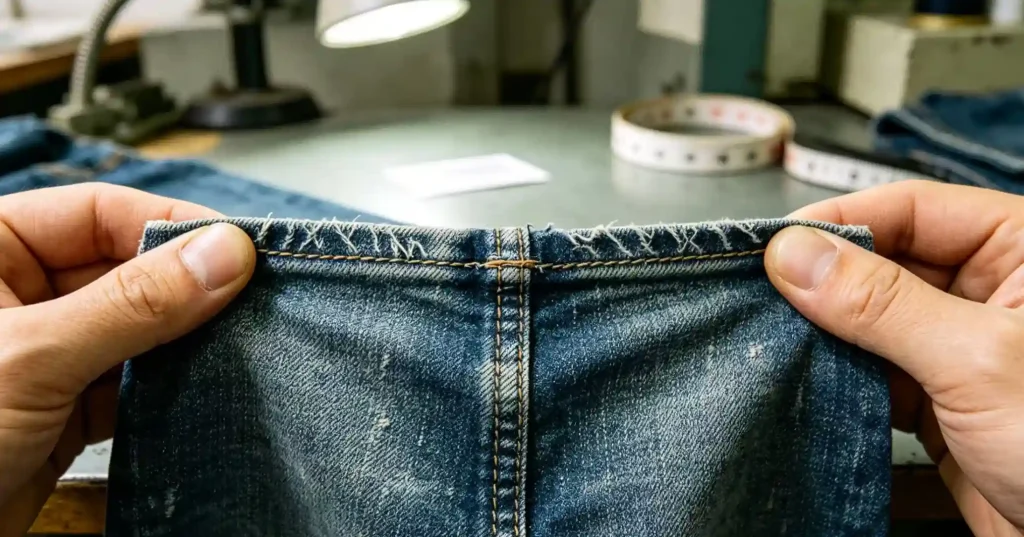
During initial negotiations, press the vendor on technical parameters. Ask detailed questions about fabric shrinkage allowances, shade grouping, stitch-per-inch (SPI) standards, needle detection routines, or wash colorfastness testing. Scam operators or inexperienced traders inevitably stumble when forced into granular manufacturing conversations.
5. Vague Payment Terms Demanding 100% Upfront Wire Transfers
Standard global manufacturing terms typically follow a balanced deposit structure, such as a 30% advance deposit upon sample approval and 70% paid upon inspection approval or presentation of original Bill of Lading (BL) documents. Vendors demanding 100% upfront wire transfers via unrecoverable channels before sample sign-off present an unacceptable commercial risk.
Building a Risk-Resilient Sourcing Framework
Mitigating sourcing risks requires replacing assumption with systematic verification. High-growth brands maintain strict protocols at every stage of vendor onboarding:
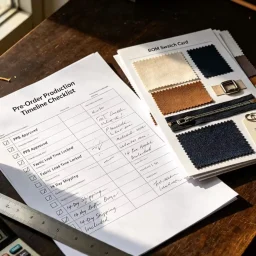
- Insist on Multi-Stage Sample Approvals: Divide development into clear, measurable milestones: Fit Samples, Proto Samples, Pre-Production (PP) Samples, and Top-of-Production (TOP) Samples pulled directly from active sewing lines.
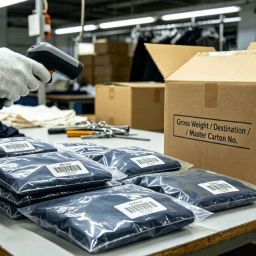
- Implement Independent Third-Party Inspections: Enlist independent inspection agencies to conduct During-Production (DUPRO) and Final Random Inspections (FRI) based on standard Acceptable Quality Limit (AQL) standards before final payments are released.
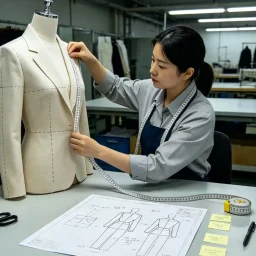
- Partner with Transparent Direct Manufacturers: Working directly with established, verifiable production facilities eliminates middleman markups and guarantees accountability. Experienced manufacturers like Newasia Garment emphasize transparent OEM/ODM workflows, stringent quality controls, and verifiable production metrics, giving buyers full visibility from initial tech pack review through export shipping.
Read more
- How to Validate Pocket Function and Placement Before Bulk Production
- How to Standardize Fabric Hand Feel Across Production Lots
- Movement Fit Testing for Apparel: How to Check Ride-Up, Slippage, and Range of Motion
- Pre-Production Sample Approval: What Brands Should Lock Before Bulk Production
- Custom Sports Jersey Manufacturing Quality Control: A Global Manufacturing Guide