
Unmasking Fake Vendor Portfolios: A Procurement Leader’s Guide to Apparel Factory Audits
In the global apparel manufacturing industry, vendor decks and sales pitches are full of impressive logos. Prospective apparel factories routinely claim to produce for iconic luxury houses, high-volume fast-fashion giants, or trendy DTC brands. However, relying on unverified factory client lists is one of the fastest ways to compromise product quality, incur intellectual property (IP) disputes, or face severe supply chain delays.
When sourcing garments globally—whether partnering with suppliers across Asia, Europe, or the Americas—discerning the difference between a real, active manufacturing partnership and an exaggerated sales claim is a critical procurement skill.
The Anatomy of Exaggerated Factory Claims
Before initiating a technical verification process, it helps to understand how factory client lists become inflated in the first place:
- The One-Off Sample Claim: A factory produced a single prototype or tech pack sampling run for a major brand three years ago, but never secured a production purchase order (PO). They continue listing the brand as a primary client.
- Subcontractor Overlap: A Tier-1 primary supplier subcontracted a minor secondary process—such as a specific washing technique, pleating, or embroidery—to a secondary facility. That secondary facility now claims to be the brand’s primary full-package manufacturer.
- Outdated Legacy Relationships: The factory produced bulk orders for a brand half a decade ago, but the brand relocated its production due to quality drifts or compliance failures.
- Component-Only Supply: The supplier provided generic trims, zippers, or raw fabrics to an intermediate trader, but had no direct contract or quality management oversight with the end-consumer brand.
5 Step-by-Step Methods to Scientifically Audit Factory Client Claims
1. Demand Traceable Purchase Orders and Bill of Lading (BL) Redacted Records
The most direct proof of an active manufacturing relationship is transactional documentation. Request recent, anonymized shipping or production records:
- Bill of Lading (BL) & Export Documentation: Ask for export declaration forms or BL records from the past 6 to 12 months. Genuine export manufacturers routinely clear customs and can provide redacted bills where prices and sensitive commercial terms are blacked out, but product descriptions, destination ports, and shipping volumes remain visible.
- Material Sourcing & Trims Approvals: Ask to see brand-authorized trim cards, branded polybag specifications, or care label approval sheets. Global brands enforce strict standards on care labels, security tags, and custom packaging, which are only issued to authorized active suppliers.
2. Cross-Reference Global Audit and Compliance Databases
Major apparel brands rarely onboard factories without rigorous social, environmental, and technical audits. Instead of asking the factory if they work with a brand, check if the brand’s global compliance ecosystem recognizes the factory:
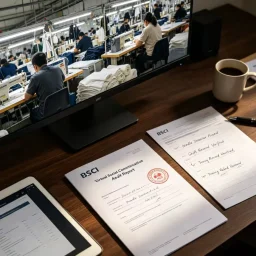
- Third-Party Audit IDs: Request the facility’s specific audit registry numbers for global frameworks like SMETA (SEDEX), WRAP, HIGG Index, or BSCI. Active suppliers to tier-one global brands maintain updated audit reports on these shared digital platforms.
- Brand Transparency Portals: Many global apparel brands publish open-source supply chain lists under corporate sustainability disclosures. Cross-reference the factory’s registered legal name and facility address against the public supplier registries of the brands they claim to represent.
3. Conduct In-Process Floor Audits (Physical or Live Digital)
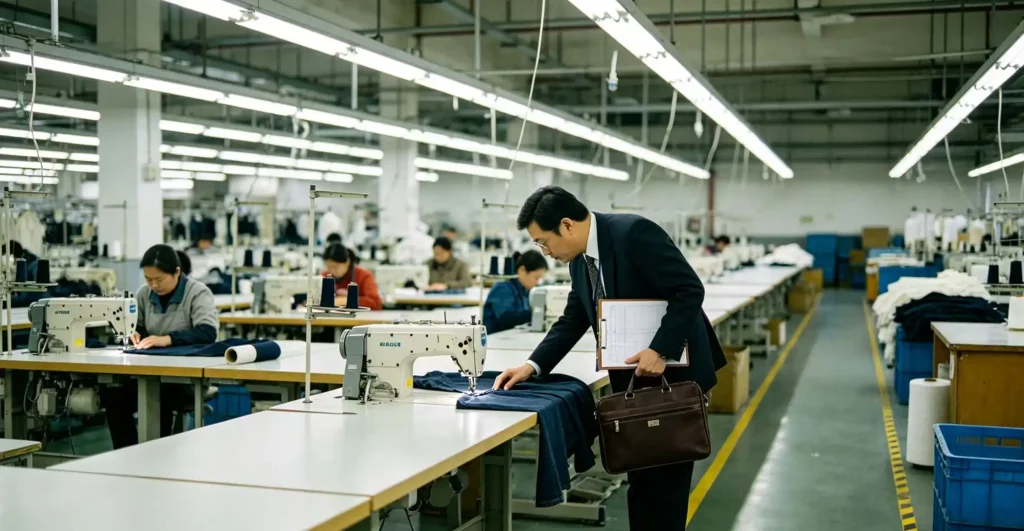
A factory currently producing for a specific client will show clear physical evidence across its production line:
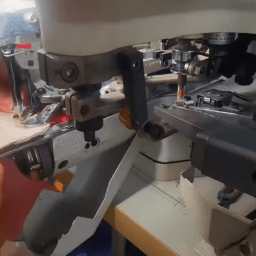
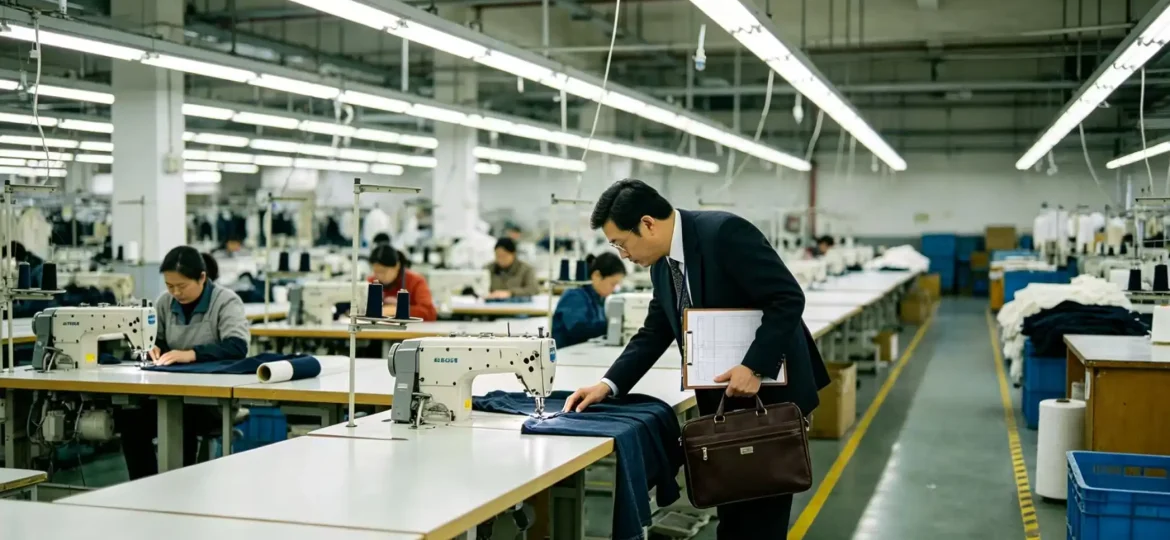
- Cutting Room & Sewing Lines: During an unannounced or short-notice factory audit, inspect active cutting tables, inline sewing stations, and finishing departments. Look for active tech packs, patterns, marker papers, and garment panels bearing the client’s brand marks or recognizable design features.
- Dedicated Lines & Custom Tooling: High-volume or specialized clients often require dedicated sewing lines, customized folding tables, specialized wash formulas, or proprietary machinery setups. If a factory claims to produce 50,000 units monthly for a major brand, but lacks the specialized machinery required for that brand’s signature finish, the claim is false.
4. Interrogate Specific Production Technicalities
During initial negotiations, test the factory’s technical depth regarding their claimed clients. A factory that actually manufactures for a brand will possess intimate knowledge of that brand’s technical standards:
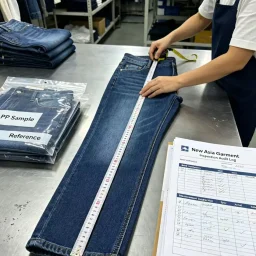
- Measurement Tolerances & Workmanship Standards: Inquire about specific quality standards. For instance, ask: “What are the strict measurement tolerances and stitch-per-inch (SPI) requirements required by that client for heavy denim vs. lightweight knits?”
- Restricted Substances List (RSL) & Testing Protocols: Ask what specific testing labs (e.g., SGS, Intertek, Bureau Veritas) they use for that client’s chemical testing, wash colorfastness, or needle detection protocols. Authentic manufacturers answer these operational details instantly because they navigate them daily.
5. Evaluate Transparency and Proactive Proof Culture
Reliable apparel manufacturers understand buyer skepticism and build transparency directly into their customer onboarding process. Professional global suppliers do not rely on vague logo walls; they demonstrate capabilities through verified certifications, clear sample developments, and accessible factory metrics.
For instance, professional manufacturers like Newasia Garment focus on verifiable manufacturing standards, transparent OEM/ODM production workflows, and clear technical capabilities rather than relying on unverified client claims. Working with facilities that offer direct access to sample developments, wash testing, and open-door compliance verification eliminates the risk of working with unvetted intermediaries.
Read more
- Movement Fit Testing for Apparel: How to Check Ride-Up, Slippage, and Range of Motion
- Pre-Production Sample Approval: What Brands Should Lock Before Bulk Production
- Custom Sports Jersey Manufacturing Quality Control: A Global Manufacturing Guide
- Bulk Print and Embroidery Quality Control for Custom Apparel
- Activewear Fabric Approval Before Bulk: Opacity, Stretch, Recovery and Breathability