
Unforeseen Expenses in Clothing Production: Where Apparel Startups Lose Margin
For fashion entrepreneurs, brand managers, and independent apparel designers, starting a fashion brand is an extraordinarily rewarding creative ambition. However, many fashion founders discover that turning initial tech packs and design concepts into a profitable apparel business requires navigating unexpected financial hurdles.
While most business plans account for obvious upfront expenses—such as fabric rolls, factory CMT labor, and e-commerce website domain fees—a significant portion of startup capital is often swallowed up by the hidden costs of starting a clothing brand. These unanticipated charges, operational friction points, and post-production quality losses can rapidly erode profit margins and choke off working capital if left unmanaged.
This comprehensive guide breaks down the invisible financial leaks in global garment production, detail strategic ways to protect startup capital, and explains how integrating early structural garment engineering guards your investment against high return rates.
1. The Invisible Leaks: Hidden Operational and Pre-Production Costs
Before bulk cutting ever begins on a factory floor, several pre-production and administrative line items routinely catch new brand directors off guard:
- Proto-Sampling Iterations and Grading Surcharges: While tech packs specify garment geometry, bringing a complex style to life rarely happens on sample iteration number one. Paying for multiple sample revisions, fit adjustments, master pattern grading across size scales, and marker development can consume $1,000 to $3,000 per style before production sign-off.
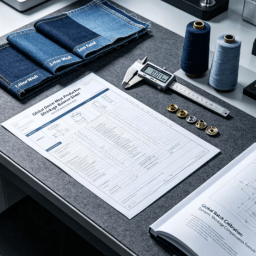
- Fabric Test Swatches and Lab Dip Development: Testing raw material color fastness, shrinkage rates, pilling resistance, and custom dye-matching under standard D65 light boxes requires dedicated testing fees and courier expenses across global supply hubs.
- Factory Setup Charges and Low-MOQ Premiums: When ordering below a factory’s preferred bulk volume threshold (e.g., ordering 150 units per style instead of 1,000 units), manufacturers apply surcharges to cover cutting table setup time, thread changeovers, and machine line balancing.
2. Post-Production and Supply Chain Frictions That Swallow Margins
The hidden costs of clothing manufacturing do not stop once garments are stitched and packed. Post-assembly freight and logistics often trigger severe budget overruns:
- Freight Volatility, Fuel Surcharges, and Customs Duties: Shipping bulk inventory internationally via air or ocean freight involves unexpected destination handling fees, import tariffs, VAT, customs clearance broker fees, and seasonal fuel surcharges that can add 15% to 25% on top of baseline FOB production costs.
- Packaging, Barcoding, and Warehousing Intake Fees: Individual polybagging, custom woven neck tags, hangtag attachment labor, inner carton barcoding, and warehouse pallet intake fees frequently accumulate into significant per-unit surcharges.
- Unplanned Inventory Holdovers and Minimum Storage Fees: Misjudging launch timelines or experiencing logistics delays leads to commercial warehouse storage fees, tied-up working capital, and forced end-of-season markdown discounting.
3. The Hidden Cost of Quality Failure: Post-Wash Distortion and Return Rates
The single largest hidden cost in the apparel industry is not incurred in the factory—it occurs at the consumer’s doorstep. A major mistake made by startup labels is cutting unit costs by skimping on internal structural reinforcement.
To deliver lower unit quotes, budget manufacturers may use cheap synthetic threads or completely omit high-density stabilization tapes along hidden stress zones like rear necklines, shoulder tracks, and waistband channels. Under the kinetic friction of domestic laundering and tumble drying, unsupported seam joints warp, stretch out of alignment, and lose shape.
When necklines sag and shoulder seams twist after two washes, consumers do not give the brand a second chance. Return processing fees, double-way shipping losses, scrap inventory, and damaged brand reputation represent catastrophic hidden drains on capital.
To protect your startup investment and ensure garments maintain their structured silhouette over years of wear, technical specs must mandate high-density cotton internal structural components. Partnering with a specialized global manufacturer like Newasia Garment Supply Chain Solutions provides an unyielding internal skeleton for your clothing line.
Integrating tight, high-density combed cotton bias tape, neck reinforcement, and stabilized seam matrices anchors garment geometry securely. Mandating these premium structural components during tech pack sign-off eliminates synthetic skin irritation, lowers factory scrap rates, and delivers the physical durability required to protect your retail margins.
4. Capital Protection Strategies for Emerging Fashion Labels
Safeguarding your working capital against unexpected expenses requires proactive operational protocols:
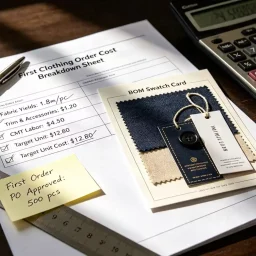
- Demand Transparent Open-Cost Sheets: Require manufacturing partners to provide itemized cost breakdowns detailing fabric yields, trim costs, CMT labor minutes, and packing charges to eliminate hidden factory markups.
- Consolidate Raw Material Sourcing: Source premium stock fabrics through your factory’s trusted partner mills rather than initiating costly custom fabric runs with high dye-lot minimums.
- Incorporate Operational Time Buffers: Add a 14-day cushion to launch calendars to absorb raw material mill lead-time shifts, port congestion, or customs inspection holds without missing retail drop dates.
5. Essential Risk Control Protocols for Fashion Brands
To protect your brand’s bottom line and prevent financial surprises, establish these contractual controls:
- Require Ratio-Preserved Order Variance Clauses: Contractually bind factories to ensure that any production overage or shortage preserves agreed size ratios rather than dumping excess inventory in non-performing extreme sizes.
- Audit Pre-Production Seam Mock-Ups: Test 30cm seam mock-ups using bulk thread and interlinings under industrial steam pressing to verify structural flatness before approving full bulk cutting.
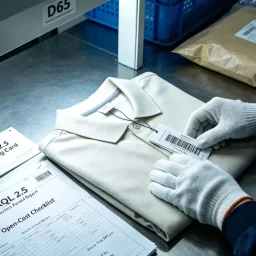
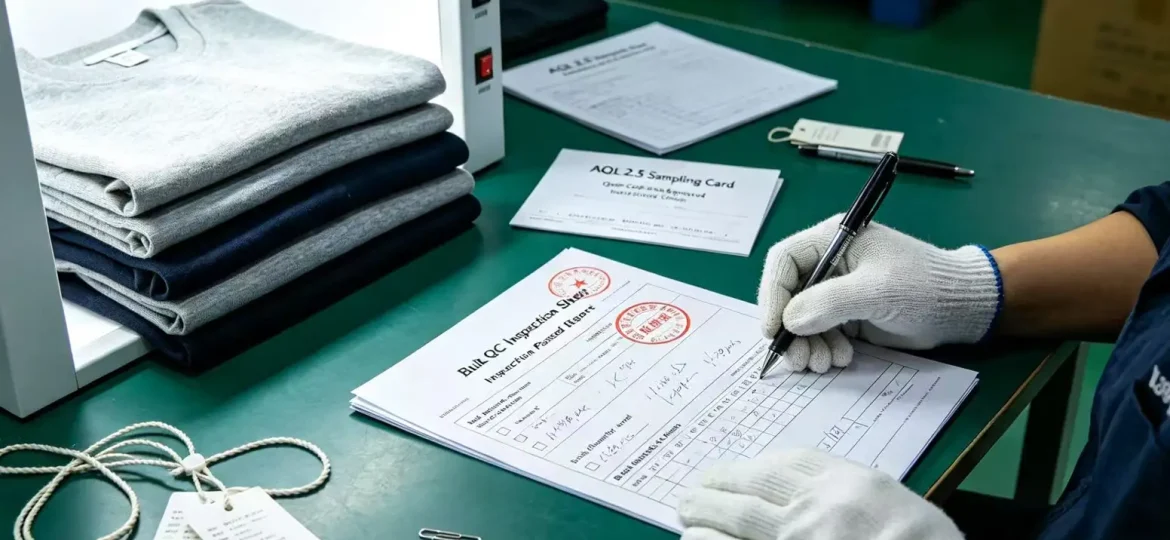
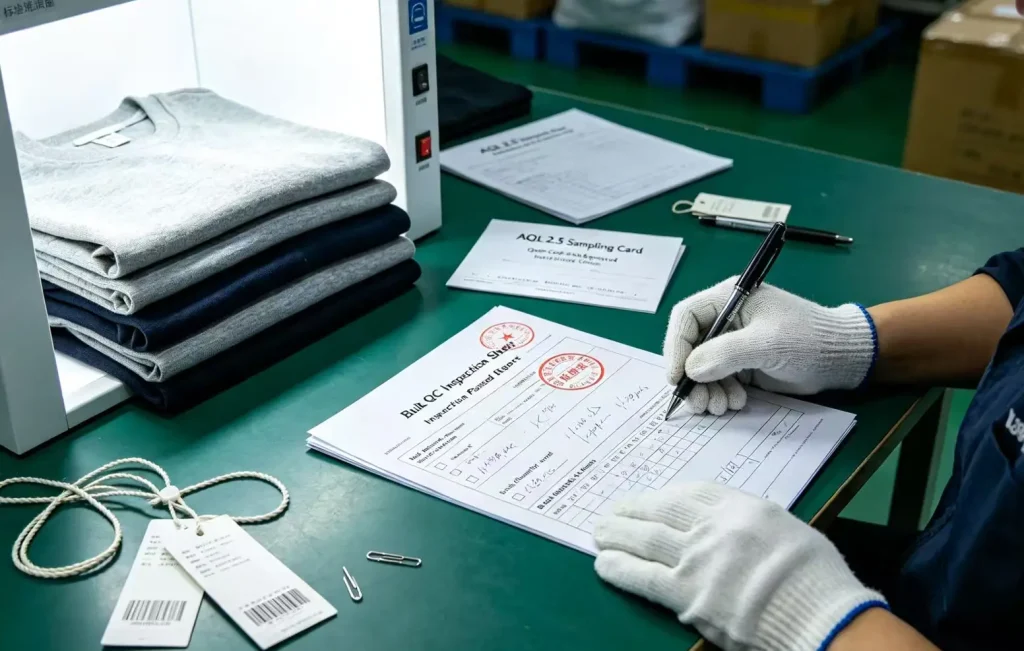
- Tie Balance Payments to AQL 2.5 Quality Audits: Ensure final production balance releases depend on passing an independent Acceptable Quality Limit (AQL 2.5) inspection conducted at the factory gate before dispatch.
To audit your production budget, eliminate hidden manufacturing costs, and build a resilient supply chain, visit Newasia Garment to streamline your global apparel production today.
Read more
- Activewear Fabric Approval Before Bulk: Opacity, Stretch, Recovery and Breathability
- How to Build a Garment Test Plan Before Bulk Production (Complete Guide)
- Apparel Change Control: How to Approve BOM, Material and Construction Revisions
- Denim Quality Control: Testing Methods, Common Defects & Quality Standards
- How Denim Quality Control Reduces E-Commerce Returns