
The Ultimate Pre-Order Checklist for Clothing Brands: A Global Sourcing & Production Guide
For fashion brand directors, production managers, and direct-to-consumer (DTC) apparel founders, launching a pre-order campaign is an effective way to validate new market demand, reduce excess inventory risks, and generate cash flow before full-scale manufacturing begins. However, running a successful pre-order model requires seamless alignment between front-end marketing promises and back-end supply chain execution.
Without a rigorous pre-order checklist for clothing, brands risk extended delivery delays, fit inconsistencies, cash flow bottlenecks, and high return rates that damage consumer trust. In today’s global supply chain landscape, executing a flawless pre-order campaign demands disciplined sampling milestones, clear factory agreements, and structural garment engineering to ensure delivered products match customer expectations.
This comprehensive guide outlines the essential pre-order checklist for apparel brands, key supply chain safeguards for managing factory lead times, and how integrating high-spec structural inner components early in production protects your garments against post-wash deformation.
1. Stage 1: Tech Pack Freeze and Pre-Production Sample (PPS) Approval
Before opening pre-orders to the public, your design and technical specifications must be locked down completely to prevent post-approval engineering changes:
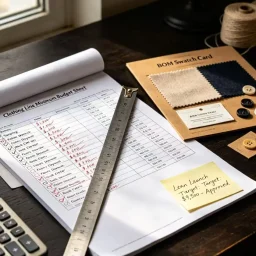
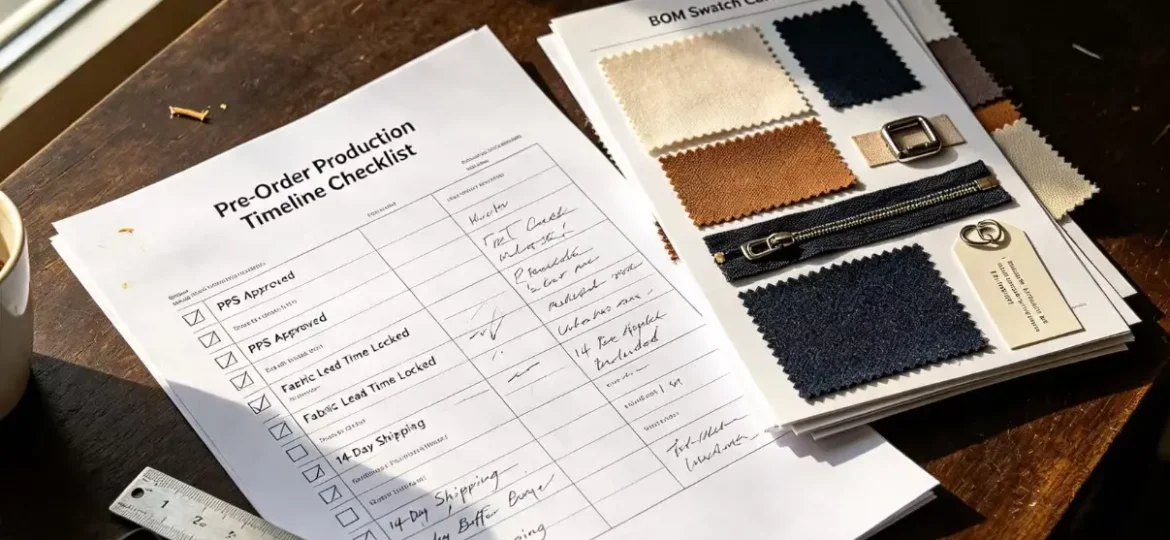
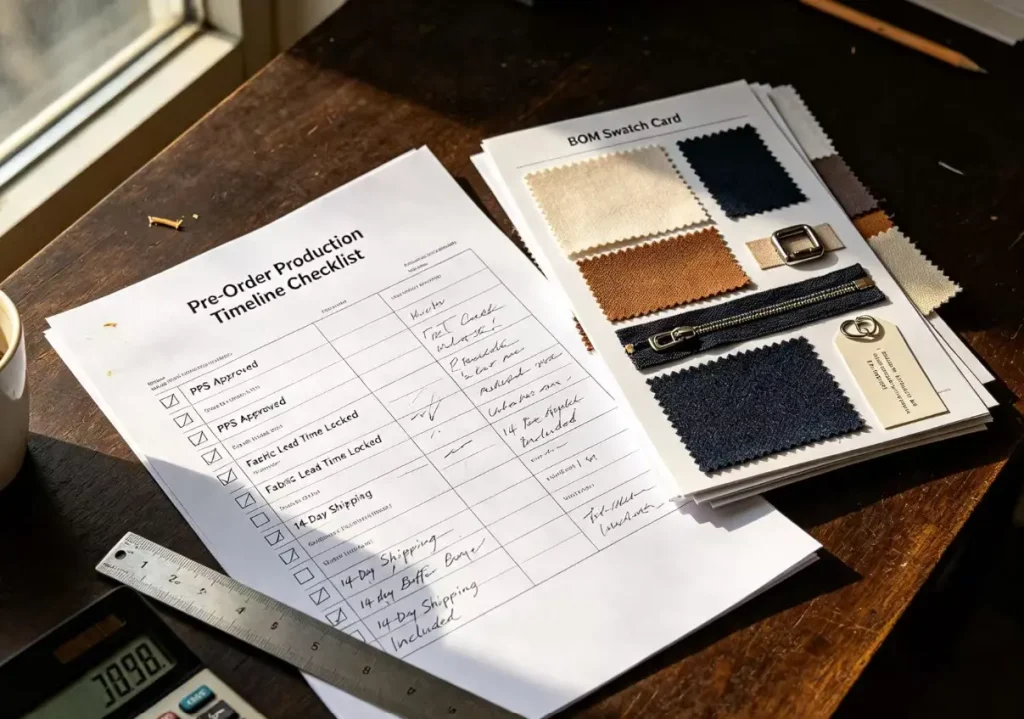
- Finalize Master Tech Packs: Ensure all size grading charts, Bill of Materials (BOM), seam construction specs, and trim placements are fully frozen.
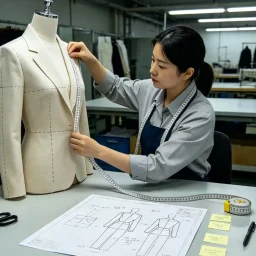
- Sign Off on the Pre-Production Sample (PPS): Obtain a physical PPS from your manufacturing partner to verify fit, fabric hand feel, color accuracy, and construction details before photography or marketing campaigns begin.
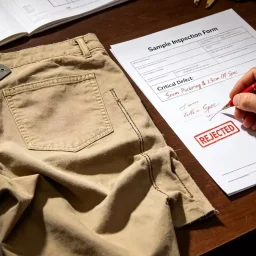
- Seal the Master Reference Sample: Maintain two identical sealed samples—one kept at your design studio and one held at the factory—to serve as physical benchmarks for bulk quality control audits.
2. Stage 2: Raw Material Lead Time and Capacity Verification
Fulfilling pre-orders on schedule requires verifying raw material availability and locking factory line capacity before taking customer payments:
- Audit Fabric Mill Lead Times: Verify greige fabric availability, yarn spinning timelines, and custom lab-dip approval lead times with your mill partners to build realistic fulfillment schedules.
- Secure Guaranteed Factory Line Slots: Establish flexible capacity reservation agreements with your manufacturer to ensure sewing lines are allocated immediately once pre-order windows close.
- Calculate Material Waste and Over-Cut Allowance: Account for a 3% to 5% material scrap allowance during cutting and spreading to cover potential mill defects or production scrap without falling short on customer orders.
3. Stage 3: The Internal Skeleton: Protecting Garment Geometry and Fit Consistency
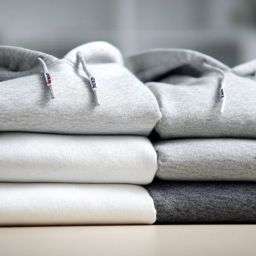
A major risk in pre-order models occurs when delivered garments fail to maintain their shape after home washing, resulting in high return rates and negative customer reviews. When factories rush production to meet pre-order fulfillment deadlines, they may use low-grade synthetic thread or omit high-density stabilization tapes along hidden strain zones like rear necklines, shoulder tracks, hood attachments, and waistband channels.
Under the friction of laundering and wear, unsupported seam joints buckle and stretch out of alignment. Necklines sag, shoulder tracks twist, and pocket openings gap, destroying the garment’s silhouette and eroding brand equity.
To protect your brand reputation and ensure pre-order garments maintain their structured shape over years of wear, technical specs must mandate high-density cotton internal structural components. Partnering with a specialized global manufacturer like Newasia Garment Supply Chain Solutions provides an unyielding internal skeleton for your clothing line.
Integrating tight, high-density combed cotton bias tape, neck reinforcement, and stabilized seam matrices anchors garment geometry securely. Mandating these premium structural components during tech pack sign-off eliminates synthetic skin irritation and delivers the physical durability required to excel in today’s demanding retail market.
4. Stage 4: Transparent Customer Communication and Buffer Windows
Managing customer expectations during pre-order windows is vital for maintaining high satisfaction and low cancellation rates:
- Incorporate a 14-Day Production Buffer Window: Build a two-week operational buffer into published fulfillment dates to accommodate potential customs clearance delays, port congestion, or raw material mill variations.
- Provide Automated Order Progress Tracking: Send regular email updates at key production milestones—such as fabric cutting, sewing completion, quality inspection, and dispatch—to keep pre-order customers engaged and informed.
- Establish Clear Cancellation and Refund Policies: Outline explicit terms regarding order modifications, size exchanges, and cancellation windows to protect your cash flow during active bulk production.
5. Stage 5: Quality Assurance Protocols and AQL 2.5 Inspections
Protecting your pre-order fulfillment against quality defects requires strict contractual quality controls before final balance payments are released:
- Enforce Ratio-Preserved Size Distribution: Verify that factory packaging matches exact pre-order size breakdowns rather than dumping excess inventory in non-performing extreme sizes.
- Tie Balance Payments to AQL 2.5 Audits: Require final balance releases to depend on passing an independent Acceptable Quality Limit (AQL 2.5) inspection conducted at the factory gate before dispatch.
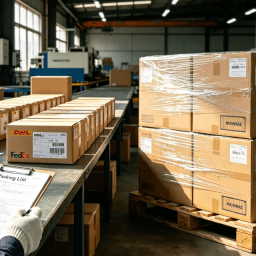
- Execute Post-Arrival Warehouse Audits: Conduct spot inspections at your distribution center before customer order picking to verify packaging labels, hangtags, and barcode scanning accuracy.
To build an agile, structurally sound, and transparent apparel supply chain for your pre-order campaigns, visit Newasia Garment to optimize your garment development and production specifications today.
Read more
- Activewear Fabric Approval Before Bulk: Opacity, Stretch, Recovery and Breathability
- How to Build a Garment Test Plan Before Bulk Production (Complete Guide)
- Apparel Change Control: How to Approve BOM, Material and Construction Revisions
- Denim Quality Control: Testing Methods, Common Defects & Quality Standards
- How Denim Quality Control Reduces E-Commerce Returns