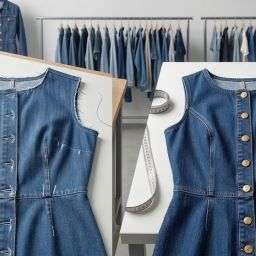

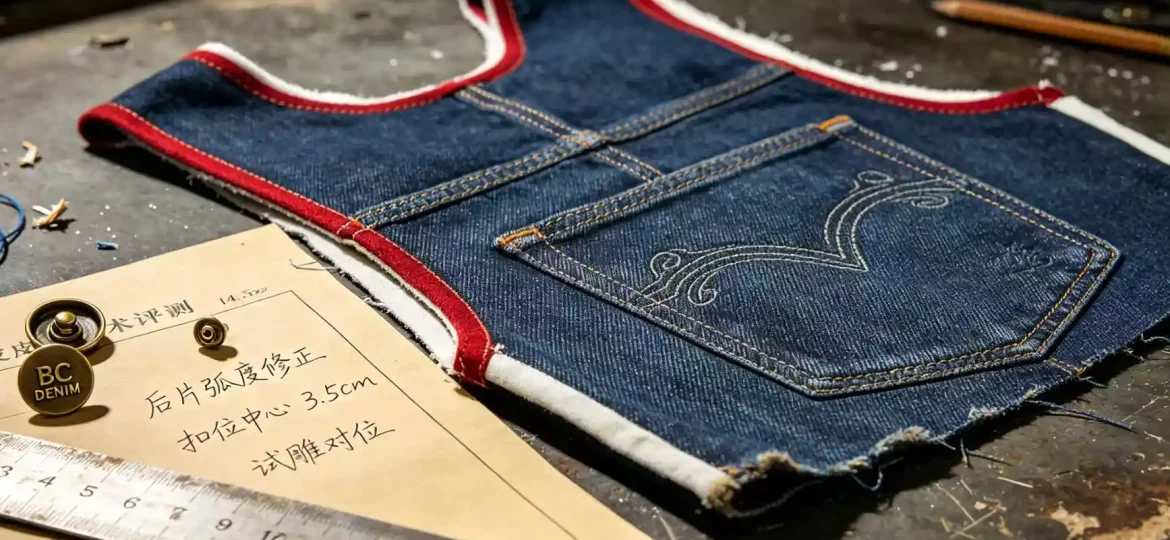
Behind the Craft: The Complete Guide to High-End Denim Jacket Customization
In the modern fashion landscape, off-the-shelf basic outerwear is no longer enough to build brand loyalty. From high-street fashion drops and heritage workwear labels to independent boutique collections, consumers demand distinct identity, unique textures, and custom design details. Offering specialized denim jacket customization has become one of the most effective strategies for fashion brands to elevate their market positioning and command premium retail pricing.
However, transforming a standard denim garment into a highly customized signature piece requires far more than placing an artwork file on a digital mock-up. Denim is an unforgiving, heavy-duty woven textile. True customization involves a complex interplay of pattern re-engineering, specialized embellishment techniques, precise wash chemistry, and heavy-duty hardware installation.
Whether you are expanding an existing apparel brand or launching a dedicated custom outerwear line, this operational guide breaks down the essential technical considerations, design methods, and manufacturing rules for executing professional denim jacket customization on a commercial scale.
1. Deconstructing the Canvas: Structural Considerations for Denim
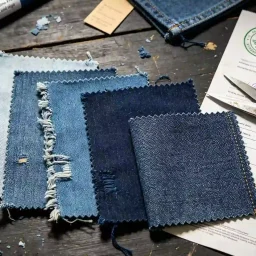
Before applying any physical or chemical customization, designers must understand how heavy denim behaves under tension and physical modification. Standard denim jacket weights typically range from a midweight 12oz to a heavy, rigid 14.5oz or 15.5oz ringspun cotton.
- Seam Clearance and Panel Boundaries: Unlike flat t-shirt panels, a classic denim trucker jacket features complex construction geometry, including front chest yokes, vertical panel seams, welt pockets, and adjustable waist tabs. Custom placement artwork—whether printed, embroidered, or laser-etched—must respect these thick, multi-layer seam boundaries to avoid needle deflection or uneven ink application.
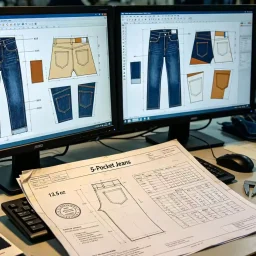
- Fabric Weight and Draping Allowance: Applying heavy surface embellishments, such as dense Chenille patches or heavy leather back appliqués, adds significant physical weight to specific sections of the garment. The digital CAD patterns must be calibrated so that the customized panels do not drag or distort the jacket’s overall shoulder alignment and silhouette drape.
2. Precision Embellishment Techniques for Heavyweight Outerwear
Customizing denim jackets allows brands to mix tactile textures and visual treatments. Choosing the right decoration method depends on the desired aesthetic, production budget, and long-term durability requirements.
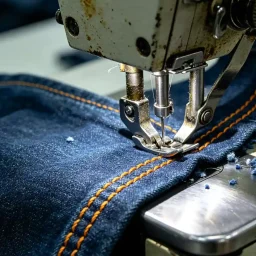
- High-Density Embroidery and Direct-to-Garment (DTG) Printing: Traditional direct embroidery on heavy denim requires industrial high-torque needles and specialized backing stabilizers to ensure clean stitch definition without puckering. For complex, multi-color graphic illustrations across the back panel, advanced industrial DTG printing or Direct-to-Film (DTF) transfers offer crisp color payoff, provided the denim surface is pre-treated to lock in the pigments.
- Tack-and-Sew Appliqué and Chenille Patchwork: For vintage collegiate or bold streetwear aesthetics, custom chenille patches, felt letters, and laser-cut leather back patches provide striking dimensional contrast against coarse denim weaves. These elements must be double-stitched along the perimeter rather than simply heat-pressed, ensuring they survive repeated wear and laundering.
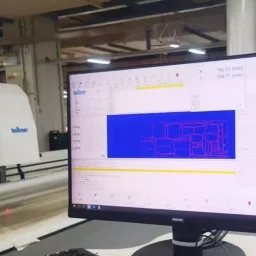
- Laser Engraving and Mechanical Distressing: Modern sustainable customization utilizes industrial laser systems to etch intricate patterns, brand motifs, or realistic vintage whiskering directly into the indigo dyed surface without water or harsh chemicals. For a raw, distressed aesthetic, skilled craft technicians execute manual hand-scraping, grinding along sleeve cuffs, and targeted pocket tearing.
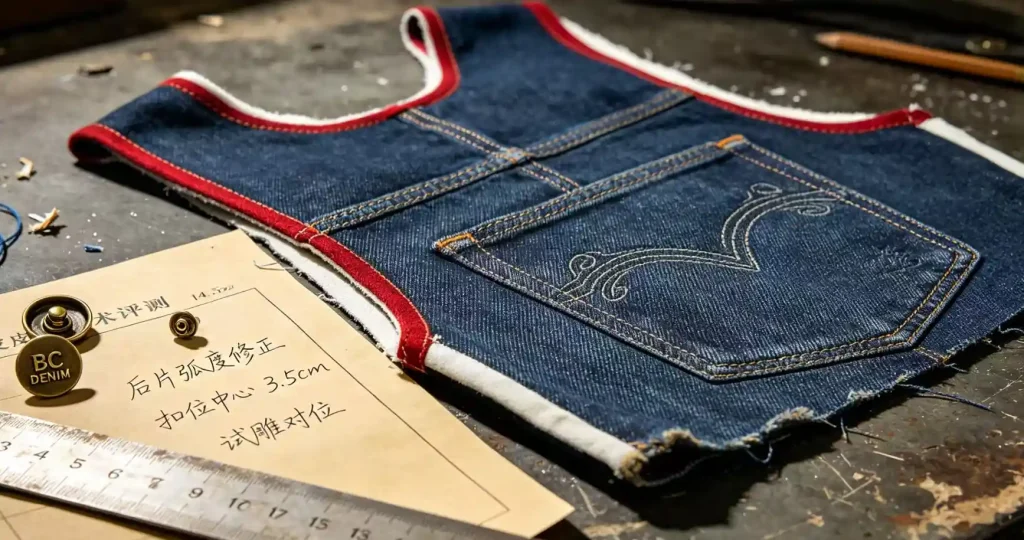
3. The Internal Skeleton: Preserving Structural Integrity Through Wash Chemistry
Many custom denim jacket treatments—especially stone-washing, enzyme bleaching, and acid distressing—take place after the garment panels are stitched together or embellished. These intense industrial laundering processes subject the jacket to extreme heat, chemical abrasion, and mechanical stress.
To save production costs, low-end workshops frequently use weak synthetic threads or completely omit structural stabilizers inside hidden internal zones, such as the collar stand, front button plackets, chest pocket flaps, and internal cuff linings.
Under the violent kinetic stress of industrial wash vats and high-heat tumbling, these weak internal seams shrink unevenly and split open. This forces the heavy outer denim to warp, resulting in wavy button plackets, sagging waistbands, and distorted chest flaps that undermine your brand’s quality reputation and lead to costly customer returns.
To pass through intense customization washes without loss of shape, your technical specifications must mandate high-density, long-staple cotton internal components. Partnering with a specialized outerwear manufacturer that integrates Newasia Garment Heavyweight Premium Industrial Cotton Lining Textiles provides a durable, rigid internal skeleton for your garments.
This tight, high-density combed cotton weave serves as an unyielding structural anchor behind button tracks, collar bases, and pocket channels, locking the garment’s dimensions true through aggressive washing and distressing cycles. By incorporating this premium cotton lining matrix into hidden seams, you eliminate rough, chafing synthetic edges, delivering an instantly recognizable luxury hand-feel that matches your exterior custom design.
4. Hardware Engineering and Custom Brand Accents
The hardware selection is the ultimate signature mark on a customized denim jacket. Off-the-shelf generic snaps or lightweight alloy buttons cheapen an otherwise high-end custom piece.
- Custom Shank Buttons and Heavy-Duty Rivets: High-tier customization includes custom-branded metal shank buttons, pocket rivets, and cinch buckle hardware. These metal components require custom steel tooling molds and should be crafted from durable brass, copper, or heavy zinc alloy.
- Pull-Strength Integrity: Heavy denim requires industrial automatic punching equipment to anchor buttons and rivets through multiple layers of folded fabric. Every hardware component must undergo pull-strength testing to ensure it remains securely attached through years of daily wear.
- Hardware Finish Coordination: Metal finishes—such as antique brass, matte gunmetal, polished silver, or raw copper—must be selected to complement your chosen fabric wash. If the jackets undergo wet chemical washing after hardware installation, the metal coatings must be chemically sealed to prevent corrosion or unwanted dye staining.
5. Balancing Shrinkage and Batch Quality Control
Because customized denim jackets often combine multiple material types—such as heavy cotton denim, leather patches, metal hardware, and polyester embroidery threads—quality control during mass production requires strict process management.
- Pre-Production Wash Testing: Industrial laundering causes denim panels to contract. A professional factory conducts shrinkage and color-fastness tests on raw swatches before bulk cutting, adjusting the digital CAD markers so that the finished, fully washed, and decorated jackets match your sizing charts accurately.
- The Golden Sample Benchmark: Before greenlighting a full custom manufacturing run, the factory produces a complete pre-production “Golden Sample” featuring all finalized prints, washes, internal linings, and custom hardware. Once approved, this physical jacket serves as the binding quality standard for the entire production batch.
To build your custom outerwear collection on a foundation of technical precision, absolute pattern stability, and flawless manufacturing execution, visit Newasia Garment.com to request a comprehensive production review today.
Read more