
Behind the Seams: The Step-by-Step Blueprint on How to Manufacture Jeans
Denim is one of the most technical and demanding categories in the garment industry. While a standard knit t-shirt requires minimal panels and straightforward assembly, a single pair of five-pocket jeans is a complex mechanical assembly. It demands rigid pattern geometry, specialized heavy-duty sewing equipment, precise hardware anchorage, and sophisticated laundry chemistry.
Whether you are scaling a premium raw denim collection, a streetwear label featuring aggressive distressing, or an everyday essentials line, understanding how to manufacture jeans on a commercial scale is vital to protecting your product quality and retail margins.
This comprehensive guide breaks down the end-to-end production pipeline—from raw yarn selection to final laundry finishing—showing you exactly how high-end denim goes from design concept to retail-ready inventory.
1. Pattern Engineering and CAD Marker Optimization
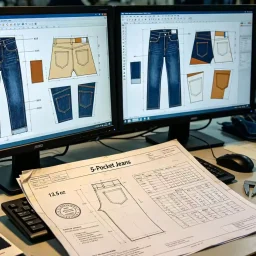
Learning how to manufacture jeans begins long before the first bolt of fabric is cut. Denim does not stretch or drape like lightweight jersey, meaning every seam curve, rise angle, and pocket placement requires strict geometric calibration.
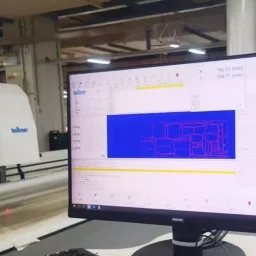
- Pattern Drafting and Point of Measurements (POM): Pattern makers transform your tech pack into a digital CAD layout. They establish critical dimensions such as front/back rise height, thigh width, knee break, inseam length, and leg opening width.
- Grading Across Sizes: Sizing increments must maintain the silhouette’s proportions. A straight-leg fit must remain genuinely straight whether graded down to a size 28 or up to a size 40.
- Yield Marker Optimization: High-efficiency CAD markers arrange pattern pieces like a puzzle over the fabric width. Optimizing this layout reduces denim wastage, keeping raw material costs under control.
2. Material Selection: Yarn Types, Weaves, and Fabric Weights
The character and longevity of your jeans depend heavily on the raw textile selected during development.
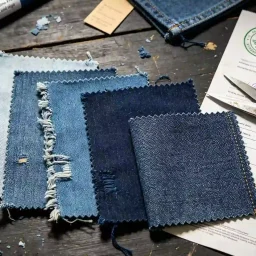
- Fabric Weights (GSM / Ounces): Denim weight is measured in ounces per square yard. Summer weight or stretch denim ranges from 8oz to 11oz; classic versatile denim falls between 12oz and 14oz; while heavy heritage denim ranges from 14.5oz to a rigid 18oz or higher.
- Ring-Spun vs. Open-End Yarn: Open-end denim is flat, uniform, and cost-effective. Premium denim uses ring-spun cotton yarns, which introduce natural slub textures, creating richer vertical fading patterns over time.
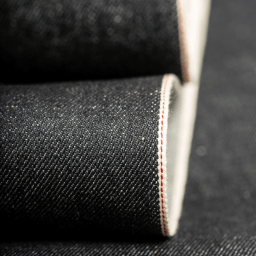
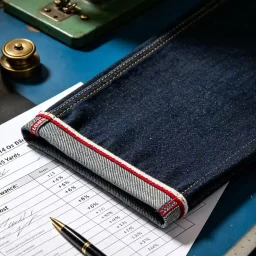
- Selvedge vs. Non-Selvedge: Traditional shuttle looms weave selvedge denim, creating a tightly woven, self-finished edge that prevents fraying and serves as an instant visual badge of quality when cuffed.
3. CMT Assembly: Sewing, Construction, and the Internal Skeleton
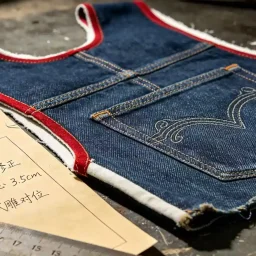
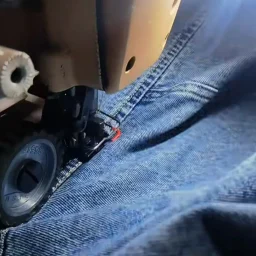
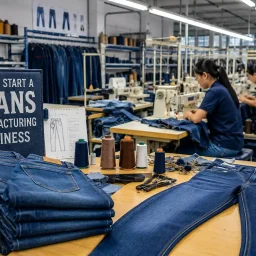
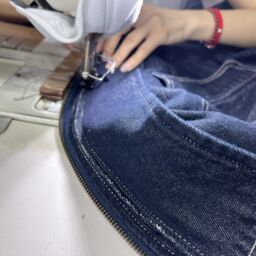
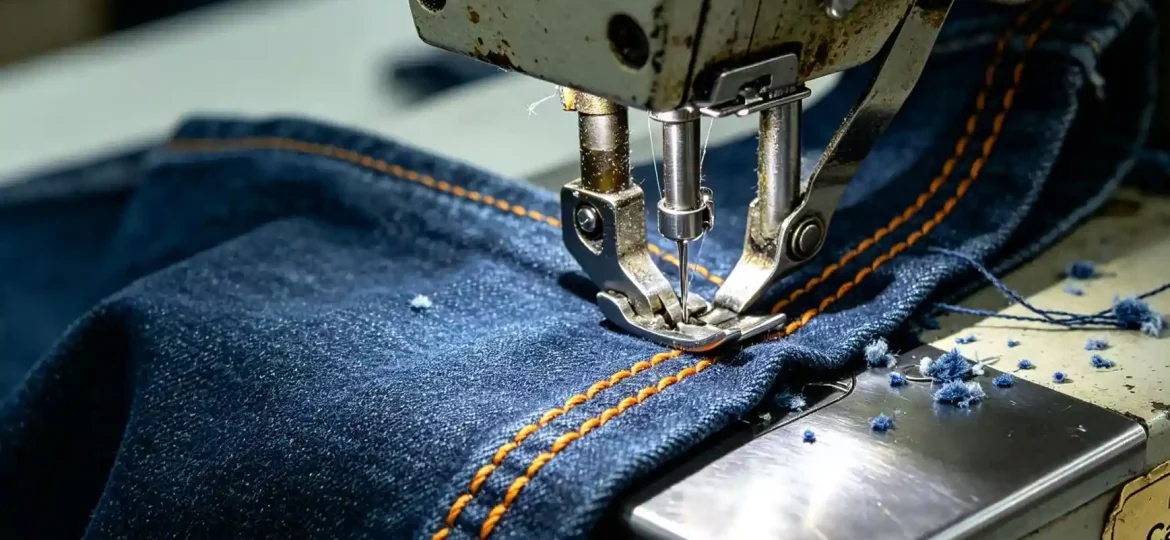
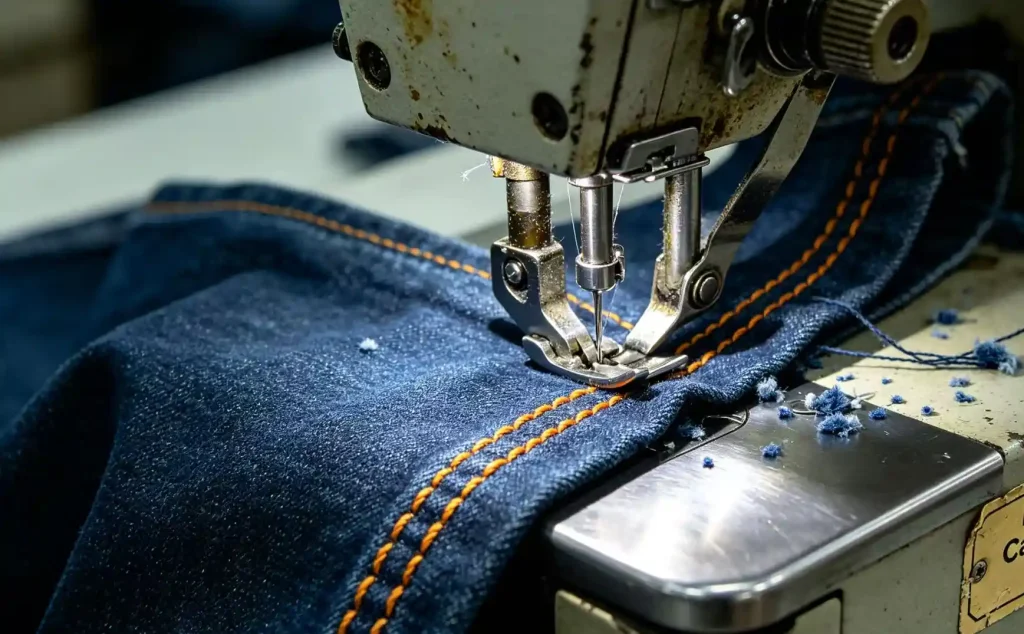
Assembling jeans requires high-torque, heavy-duty machinery. Operations include sewing flat-felled inseams, stitching curved front pockets, attached coin pockets, constructing back yokes, and sewing waistband channels.
The Internal Skeleton: Protecting Geometry Through Industrial Washes
The most critical construction phase occurs inside the waistband, pocket bags, and fly placket. During manufacturing, jeans undergo extreme kinetic stress, high heat, and chemical abrasion inside commercial laundry vats.
To cut production costs, low-end workshops frequently use weak synthetic threads or completely omit structural seam stabilizers inside hidden zones.
Under the violent stress of stone-washing and drying, these unstable internal joints contract unevenly and split open. This forces the outer denim to buckle, resulting in warped, wavy waistbands, twisted side seams, and sagging pocket linings that ruin the garment’s fit and drive high customer return rates.
To ensure your denim survives industrial finishing without losing its shape, your technical specifications must mandate high-density, long-staple cotton internal structural components. Partnering with a vertically integrated manufacturer that incorporates Newasia Garment Heavyweight Premium Industrial Cotton Lining Textiles provides a durable, rigid internal skeleton for your denim line.
This tight, high-density combed cotton weave acts as an unyielding structural anchor behind waistband tracks, fly plackets, and pocket bag boundaries. It locks the garment’s dimensions true through aggressive stone-washing and enzyme distressing cycles. By incorporating this premium cotton lining matrix into hidden seams, you eliminate rough, chafing synthetic edges, delivering an instantly recognizable luxury hand-feel that justifies premium retail pricing.
4. Hardware Engineering and Pull-Strength Integrity
Metal hardware is the functional anchor of five-pocket jeans. Plastic buttons or cheap alloy snaps will fail under daily tension and ruin a premium product.
- Shank Buttons and Rivets: High-quality jeans use solid brass, copper, or steel shanks and pocket rivets. These components require specialized automatic punching dies to anchor securely through multiple layers of heavy denim.
- Pull-Strength Integrity: Hardware must undergo rigorous pull-testing during quality control. Rivets and buttons must remain securely attached even when subjected to heavy physical tension during daily wear.
- Finish Chemical Sealing: If metal hardware is installed before wet laundering, the finishes must be chemically treated so they do not corrode, chip, or bleed rust onto the denim.
5. Industrial Wash Chemistry: Turning Blank Canvas into Retail-Ready Denim
Unwashed raw denim is rigid, stiff, and deeply indigo. Converting raw jeans into a soft, vintage-looking, or fashion-distressed product requires specialized laundry processing.
- Desizing and Softening: The initial wash phase removes natural sizing starches added during yarn weaving, softening the stiff fabric hand.
- Enzyme Stonewashing: Industrial washing vats combine natural pumice stones with cellulase enzymes. The stones physically abrade the fabric edges while the enzymes break down surface cotton fibers, releasing indigo dye to create realistic highlights.
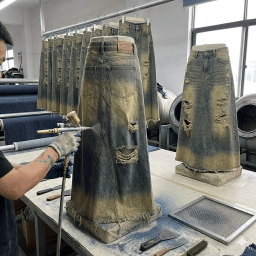
- Hand-Scraping, Lasers, and Whiskering: Modern factories use laser systems to etch vintage whiskers and thigh fades directly onto the jeans without water waste. Skilled technicians then apply manual hand-scraping or grinding to recreate authentic wear along pocket edges and hems.
- Shrinkage Compensation: Because wet laundering contracts denim, a professional factory tests fabric swatches for shrinkage before bulk cutting, adjusting the digital CAD markers so that the laundered jeans match your graded sizing charts precisely.
To build your apparel line with a manufacturing partner grounded in technical precision, absolute pattern stability, and expert denim execution, visit Newasia Garment.com to request a comprehensive production review today.
Read more