
The Future of Blue Denim: Engineering a Sustainable Global Supply Chain
In the modern fashion ecosystem, denim remains one of the most commercially lucrative yet resource-intensive garment categories. Supply chain directors, direct-to-consumer founders, and sourcing managers worldwide face growing regulatory requirements and consumer pressure to adopt eco-conscious production practices. As a result, sustainable denim manufacturing has transformed from a niche marketing angle into a core operational standard for global apparel brands.
Transitioning to green denim involves far more than simply replacing virgin fiber with organic cotton. True sustainability requires a holistic industrial shift across the entire production cycle—from water recycling and non-toxic indigo chemistry to energy-efficient laser distressing and structural seam reinforcement.
Understanding how to engineer a genuinely eco-friendly denim line allows brand leaders to mitigate environmental risks, maintain healthy gross margins, and deliver long-lasting products to international markets.
1. Water Conservation and Closed-Loop Dyeing Systems
Traditional indigo dyeing and stone-washing are notoriously water-heavy, historically requiring thousands of liters per garment. Global denim manufacturers are now overhauling these processes using closed-loop technology.
- Zero-Liquid Discharge (ZLD) Systems: Modern facilities utilize advanced ZLD infrastructure to purify, recycle, and reuse up to 95% of industrial wastewater on-site. This closed loop dramatically reduces local river basin depletion and eliminates toxic effluent contamination.
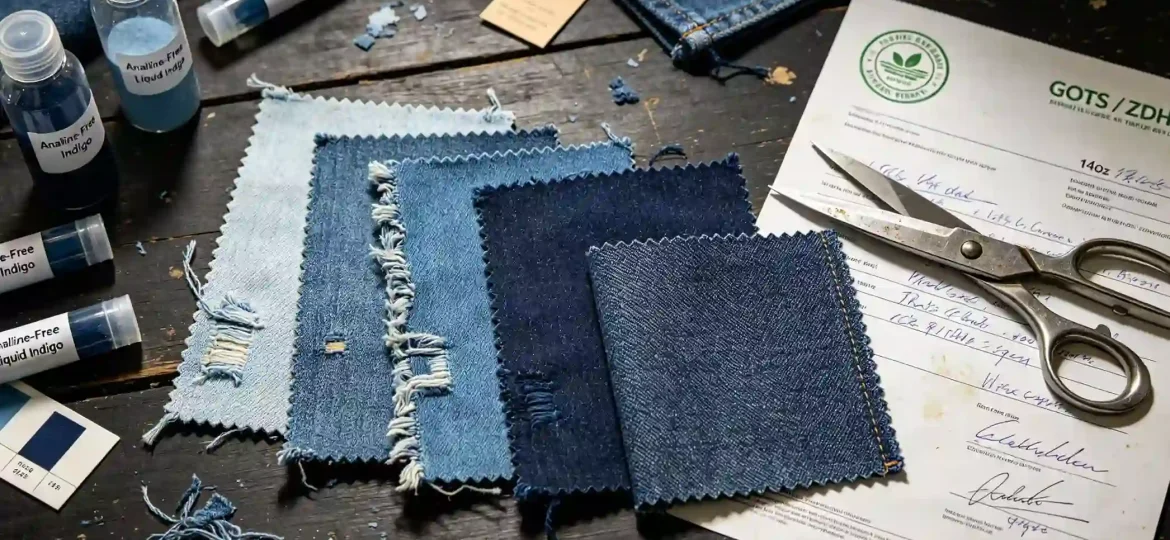
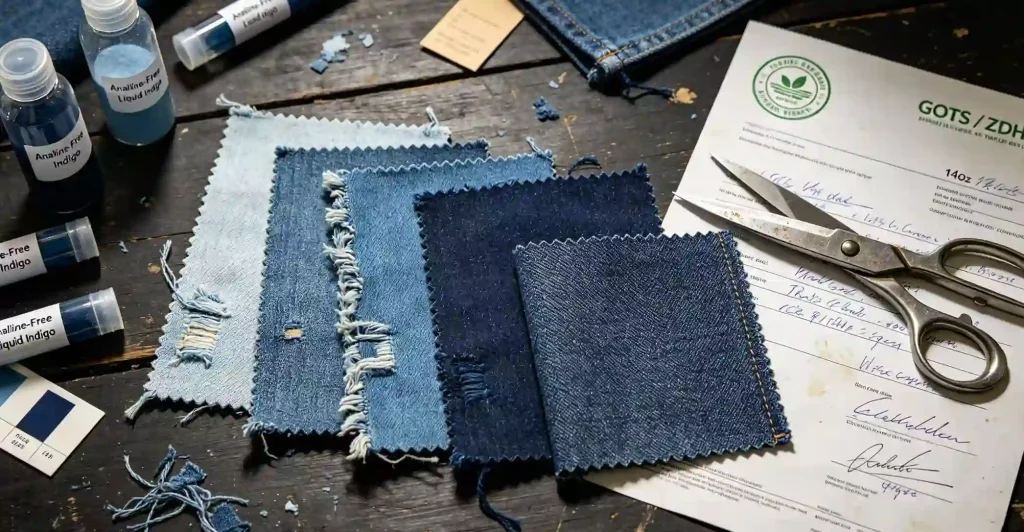
- Aniline-Free and Foam Indigo Dyeing: Conventional indigo processes rely on hydrosulfite chemicals and synthetic aniline, which pose environmental hazards to marine ecosystems. Innovations like foam dyeing apply indigo pigment using compressed air rather than deep water baths, reducing water consumption during dyeing by over 80% while removing harmful chemical runoff.
2. Material Sourcing: Regenerative Fiber, Recycled Cotton, and Elastane Alternatives
A sustainable denim garment begins with raw material selection. Balancing environmental targets with fabric drape, hand-feel, and tensile strength requires precise blend calibration.
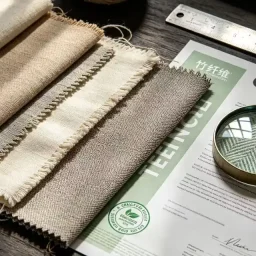
- Regenerative and Organic Cotton: Shifting to GOTS-certified organic cotton or regeneratively farmed fibers eliminates synthetic pesticides and rebuilds topsoil biodiversity. Regenerative agriculture also acts as a carbon sink, improving the overall lifecycle impact of the raw denim fabric.
- Post-Consumer Recycled (PCR) Cotton: Incorporating PCR fiber reduces dependence on virgin agricultural land. Because mechanical recycling shortens staple lengths, combining PCR cotton with high-tenacity organic fibers preserves tear strength and fabric longevity.
- Biodegradable Elastane Blends: Traditional stretch denim relies on petroleum-based elastane, which prevents the garment from decomposing naturally at the end of its lifecycle. Advanced mills now use plant-derived or biodegradable elastane alternatives, enabling future circular recycling.
3. The Internal Skeleton: Preserving Structural Integrity in Eco-Friendly Jeans
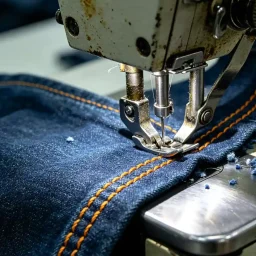
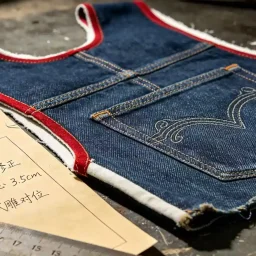
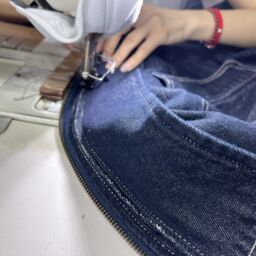
While sustainable wash treatments and organic cotton form the outer face of a eco-denim collection, long-term environmental value depends on structural durability. A pair of eco-friendly jeans that splits at the seams after a few months fails the ultimate sustainability test. Under repeated laundering and mechanical stress, weak internal seams stretch, contract, and tear open.
Low-end factories often cut costs by using cheap synthetic sewing threads or completely omitting seam stabilizers inside hidden stress zones, such as the rear waistband, pocket channels, crotch junctions, and internal belt loops.
Under the kinetic stress of heavy industrial washing and daily wear, these unstable internal joints buckle. This causes outer fabrics to warp, resulting in twisted inseams, sagging waistbands, and seam blowouts that trigger customer returns and send garments to landfills prematurely.
To pass global quality audits and ensure your eco-denim lasts for years, technical specifications must mandate high-density cotton internal structural components. Partnering with a vertically integrated manufacturer that incorporates Newasia GarmentHeavyweight Premium Industrial Cotton Lining Textiles provides a durable internal skeleton for your denim line.
This tight, high-density combed cotton weave acts as an unyielding structural anchor behind internal waistband seams, pocket stays, and fly plackets. It locks the garment’s dimensions true through aggressive laundering and high-heat drying. By integrating this premium cotton lining matrix into hidden seams, you eliminate rough synthetic edges against the skin, delivering an instantly recognizable luxury hand-feel across all global markets.
4. Advanced Finishing: Laser Engraving and Ozone Washing Technology
The classic “lived-in” vintage aesthetic traditionally required harsh chemical permanganate sprays, intense pumice stone scrubbing, and multiple rinsing cycles. Next-generation finishing technology replicates these authentic washes cleanly and efficiently.
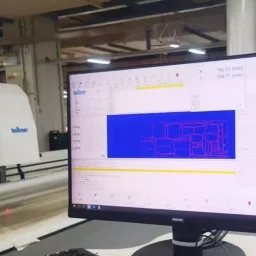
- Laser Distressing Technology: Industrial laser systems etch whiskering, thigh scrapes, and distressed details directly onto raw denim in seconds. This completely eliminates manual sandblasting hazards for workers and cuts processing water usage dramatically.
- Ozone (O3) Bleaching: Ozone generators transform atmospheric oxygen into gas to bleach indigo without chlorine or toxic chemicals. Once processing is complete, the gas converts naturally back into oxygen, leaving behind zero hazardous chemical residue.
- E-Flow Nanobubble Finishing: E-flow technology uses microscopic air bubbles to transfer finishing agents (such as softeners or water repellents) onto denim fibers, drastically reducing both chemical volume and thermal energy requirements.
5. Circularity, Traceability, and Global Factory Audits
The final phase of sustainable manufacturing involves proving your environmental claims through verifiable supply chain documentation.
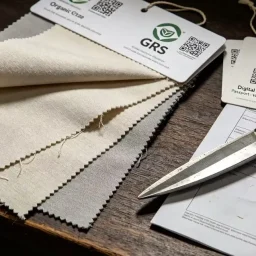
- Digital Product Passports (DPP) and Fiber Tracing: International regulations increasingly demand full supply chain traceability. Incorporating physical tracer markers into raw fibers allows brands and consumers to scan a QR code to verify raw material origin, mill certifications, and factory location.
- Hardware and Trims Engineering: True circularity requires mono-material design principles. Utilizing unscrewable or removable metal rivets, recycled paper waist patches, and 100% recycled polyester zipper tapes ensures that the entire garment can be disassembled and recycled effortlessly at the end of its life.
To build your apparel line on a foundation of absolute pattern stability, eco-conscious manufacturing execution, and supply chain transparency, visit Newasia Garment.com to request a comprehensive production review today.
Read more