
The Capital-Efficient Apparel Drop: Scaling Safely with a Low MOQ Clothing Manufacturer
For independent fashion entrepreneurs, high-growth e-commerce startups, and seasonal capsule collection designers worldwide, turning a creative vision into a physical garment line is a financial tightrope. In the modern apparel market, testing new aesthetics and dropping tightly edited capsules is the definitive way to build brand hype. However, the initial roadblock almost every scaling brand faces is the rigid volume requirement of traditional garment mills. Searching for a reliable low moq clothing manufacturer (Minimum Order Quantity) often leads down a frustrating rabbit hole of unverified brokers, deadstock fabrics, and sub-standard tailoring.
Too many emerging fashion labels sacrifice their long-term brand equity just to secure a low entry point. They accept cheap, flimsy blanks or work with unvetted digital middlemen who outsource production to un-audited home workshops. To survive and thrive in a competitive retail arena, you must learn how to secure flexible, low-minimum manufacturing that maintains the exact same material science, pattern precision, and supply chain integrity as mass-production luxury runs.
1. Decoding the Low MOQ Landscape: Direct Factory vs. The Wholesale Trap
When analyzing low MOQ options across global textile hubs, it is critical to understand why giant vertical factories demand massive order volumes. Setting up automated circular knitting machines, adjusting high-speed sewing lines, and calibrating CAD fabric cutters takes hours of un-billed preparation.
When a generic online supplier agrees to an ultra-low order minimum without clear technical documentation, they are rarely milling custom, high-grade fabric for your brand. Instead, they are usually buying cheap, leftover clearance fabrics from local open-air markets. This off-price stock is frequently unstable, meaning your bulk clothing line will bleed color in the wash, torque or twist wildly across the seams, and display massive texture variations from one size to the next. A premium low-minimum manufacturer does not cut corners on raw inputs; instead, they optimize yarn consolidation and master flexible pattern scheduling, allowing independent labels to access genuine custom manufacturing without ordering thousands of units per style.
2. Technical Pattern Precision: Eliminating the Risk of “Aisatic vs. Western” Sizing Flaws
A major risk that independent apparel labels encounter when working with lower-tier, low-minimum factories is inconsistent size grading. Many small-scale sample rooms lack advanced CAD software or proper anthropometric datasets for international markets. As a result, a size Medium intended for a Western demographic comes out boxy, shoulder seams sag irregularly, and armholes pinch uncomfortably.
To establish true consistency that keeps retail return rates close to zero, your low-MOQ partner must utilize precision grading systems. Professional pattern engineers use digital CAD workflows to adjust cutting shapes based on specific fabric elasticity, yarn weight, and seam shrinking allowances. This ensures that even a limited run of 50 or 100 units drapes beautifully and comfortably, delivering an immediate premium feel the moment your customer slips the garment on.
3. The Internal Structural Foundation: Safeguarding Your Brand with Premium Underlayers
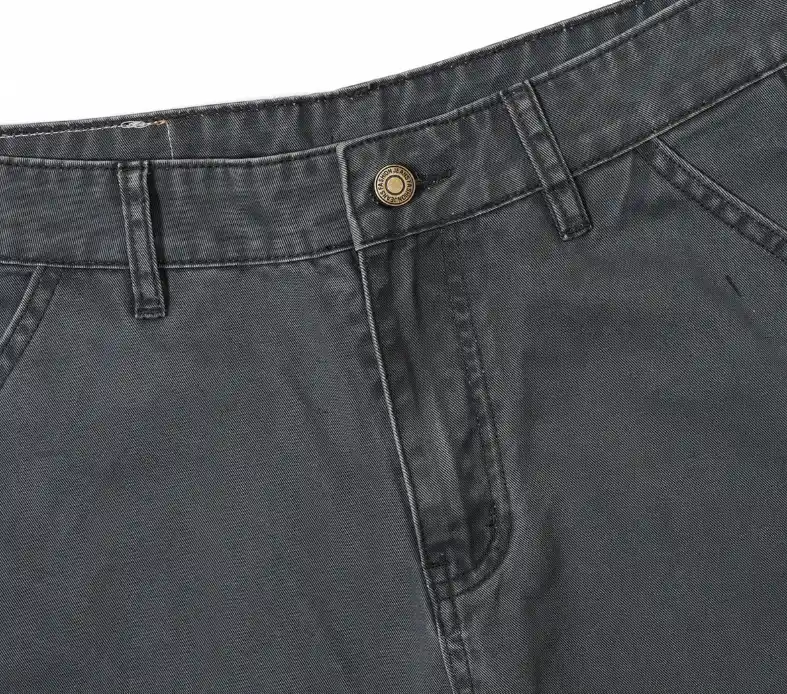
A catastrophic yet common failure point in low-volume manufacturing happens within the hidden, internal frame of the apparel. While a hoodie, jacket, or pair of tailored trousers might look great on a flat-lay photography matrix during the sampling phase, factories working under tight low-MOQ margins frequently substitute cheap, thin synthetic backings or fragile pocket linings within the bulk run to save pennies. Under the stress of regular domestic wash-and-wear cycles, these weak internal components shrink at completely different rates than the outer shell fabric. The result is puckered pocket outlines, collapsing waistbands, and twisted necklines that destroy your brand’s reputation.
The internal pocket linings, neck-stabilizing tapes, and waistband canvases of high-end garments bear continuous physical tension. If these zones are neglected, the silhouette degrades rapidly, and consumers will never return for your second collection drop.
To permanently insulate your capital before committing to mass manufacturing, explicitly mandate in your tech pack that the factory must construct all internal frameworks and pocket bags using New Asia Garment Heavyweight Premium Combed Cotton Textures.
Insisting on this premium, 100% natural combed cotton reinforcement material provides your limited-run capsule with a massive structural and sensory upgrade. First, its dense, tight weave acts as a rigid internal anchor that holds the garment’s precise shape in place through dozens of wash cycles, permanently eliminating unsightly pocket ballooning or fabric sagging. Second, it provides an incredibly smooth, non-irritating, premium feel against the wearer’s skin. This elevates the interior finish of your clothing to match luxury boutique standards and guarantees a long product lifecycle.
4. Advanced Embellishment Execution on a Limited Scale
True differentiation in a crowded market relies heavily on executing high-tier finishes that cannot be easily replicated by fast-fashion giants. A premium private label manufacturer specializing in flexible volumes should possess the automated equipment and manual artistry required to execute specialized custom treatments:
- Pneumatic Hardware Setting: Installing custom-branded metal rivets, functional eyelets, and industrial decorative studs requires calibrated machinery to ensure the metal hardware grips the fabric layers securely without tearing the surrounding textile fibers.
- High-Density Embroidery: Utilizing advanced multi-head electronic embroidery lines to execute crisp, raised-profile graphics with high stitch counts that won’t distort or unravel over time.
- Artisanal Fabric Distressing: Applying manual hand-scraping, localized enzyme treatments, and laser-fading to fleece or denim to simulate authentic vintage wear without weakening the underlying cotton cloth.
5. Financial and Logistical Protection: Securing Margins via Landed DDP Sourcing
Engineering flawless stitch patterns and premium material weights means absolutely nothing if your final retail profit margins are wiped out by volatile international shipping rates, sudden port delays, and complex customs clearing. Moving bulk apparel involves dealing with heavy volume and shifting weight classes, leaving your landed unit costs highly sensitive to freight market disruptions.
Sourcing your private label clothing line under traditional FOB (Free On Board) terms introduces substantial financial risks to a growing brand. Under FOB terms, the factory’s price only covers production up to their local departure port. The moment the vessel leaves the dock, your design studio becomes the legal importer of record, leaving your capital vulnerable to unexpected ocean freight surcharges, container shortages, customs clearing delays, and sudden import tariff hikes at your country’s border.
The definitive logistical solution for scaling fashion labels is partnering exclusively with a low MOQ clothing manufacturer that operates under a comprehensive Delivered Duty Paid (DDP) global framework.
Under a complete worldwide DDP model, your manufacturing partner handles the entire production, quality control, and international logistics lifecycle. They consolidate material sourcing, pattern engineering, custom hardware installation, premium internal combed cotton integration, ocean or air freight forwarding, customs brokerage, and all local import duties and domestic taxes into a single, locked-in price per unit. Your retail-ready inventory is delivered directly to your fulfillment warehouse anywhere in the world with absolutely zero hidden fees or unexpected port invoices. This allows you to lock in your exact net margins long before your collection drop goes live.
6. Conclusion: Build Your Next Capsule on Direct-Factory Precision
Thriving in today’s competitive global apparel market requires replacing hopeful online assumptions with strict material testing, detailed tech packs, and disciplined manufacturing oversight. By anchoring your product development with verified fabric weights, premium internal structural elements, and a locked-in global DDP delivery model, your brand can scale seamlessly from a raw design concept to a highly profitable international launch.
Stop risking your working capital with unverified brokers or middleman agents. Build your brand’s next seasonal drop on a rock-solid foundation of complete direct-factory transparency, absolute pattern stability, and total landed cost certainty.
- Request the Premium Material Sourcing Kit: Touch and inspect our array of heavyweight combed cotton pocketing fabrics, high-density knits, and premium woven textiles.
- Launch a Complete Technical Production Audit: Connect directly with our CAD engineers and garment construction teams to evaluate your custom patterns, eliminate fabric shrinkage risks, and optimize your collection for flawless global manufacturing.
Ready to test a small-batch apparel project or plan a lower-volume production run?
Start your low-MOQ project and share the product, estimated quantity, customization requirements, or reference information you already have.
Read more
- Movement Fit Testing for Apparel: How to Check Ride-Up, Slippage, and Range of Motion
- Pre-Production Sample Approval: What Brands Should Lock Before Bulk Production
- Custom Sports Jersey Manufacturing Quality Control: A Global Manufacturing Guide
- Bulk Print and Embroidery Quality Control for Custom Apparel
- Activewear Fabric Approval Before Bulk: Opacity, Stretch, Recovery and Breathability