
How Clothing Startups Build a Resilient Supply Chain From Scratch
For ambitious fashion entrepreneurs, indie brand founders, and creative directors stepping into the apparel market, transforming vision into a scalable retail brand depends entirely on supply chain design. Designing a viral silhouette or securing a solid social audience is only the beginning; establishing an efficient, agile clothing startup supply chain is what determines whether your business achieves healthy profit margins or collapses under inventory deadstock and lead-time delays.
Managing early-stage garment production requires balancing low Minimum Order Quantities (MOQs), negotiating fair deposit frameworks, mitigating raw material lead times, and preventing severe quality defects. For emerging labels without massive venture capital, every supply chain decision directly impacts cash flow and operational survival.
This comprehensive operational guide breaks down the essential pillars of building a global apparel supply chain, how small labels can streamline tech packs and material sourcing, and why integrating high-spec structural inner components early in manufacturing protects young brands against devastating consumer returns.
1. The Four Core Stages of a Modern Garment Supply Chain
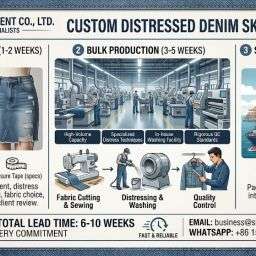
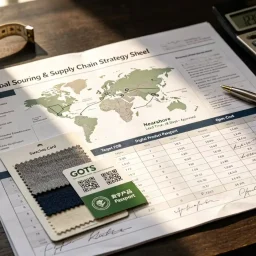
A functional apparel supply chain coordinates multiple independent vendors, material mills, logistics operators, and export facilities into a synchronized flow. For startups, understanding this sequence prevents costly missteps:
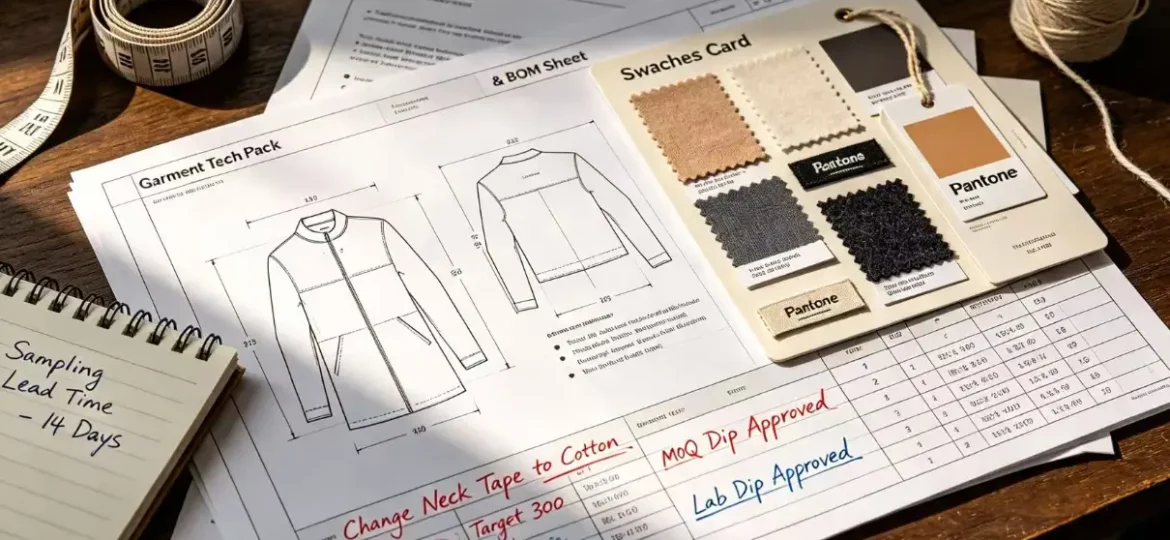
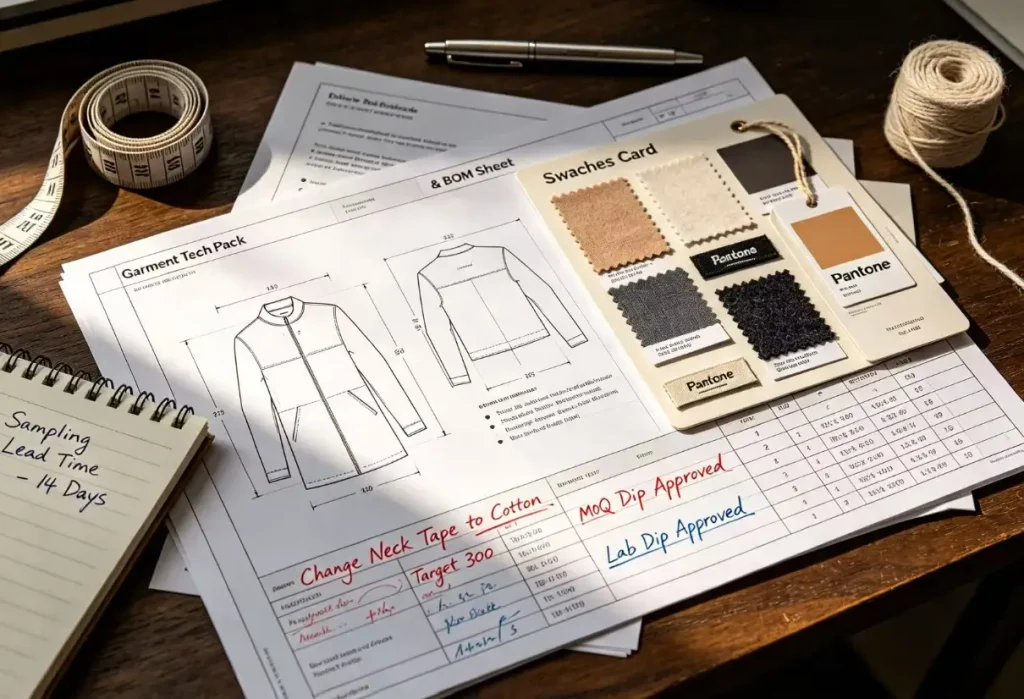
- Design & Technical Development (Months 1–2): Translating creative concepts into complete tech packs containing flat sketches, bill of materials (BOM), graded measurement spec sheets, colorways (Pantone references), and construction callouts.
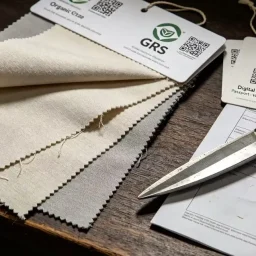
- Raw Material Sourcing & Fabric Lab Dips (Months 2–3): Selecting shell fabrics, knits, trims, and hardware. Factories order sample yardage to create lab dips for color matching and execute strike-offs for custom prints or embroidery.
- Sampling & Pre-Production Sign-Off (Months 3–4): Producing fit samples, size sets, and final Pre-Production (PP) samples. Bulk raw materials cannot be cut until the PP sample passes rigorous fit, stretch, and construction reviews.
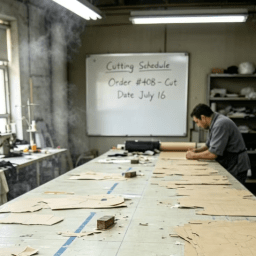
- Bulk Manufacturing, Quality Audits & Freight Delivery (Months 4–6): Fabric spreading, automated cutting, sewing line assembly, inline quality checks, pressing, final packaging, and international freight transport (air or sea) to distribution hubs.
2. Overcoming the MOQ Challenge: Sourcing Low-Volume Production
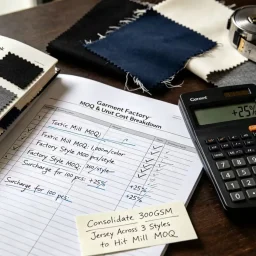
The biggest operational hurdle faced by early-stage fashion brands is factory Minimum Order Quantities (MOQs). High-capacity manufacturers often demand 1,000+ units per style/colorway, locking up early capital and creating inventory risk.
- Utilizing Stock Fabrics for Initial Launches: Custom fabric dyeing or specialized textile knits require large mill vat runs (often 300kg to 500kg of fabric). Startups can reduce fabric MOQs by choosing high-quality, readily available stock fabrics from supplier mill catalogs.
- Consolidating Colorways Across Styles: Sourcing a single premium fabric—such as a 400 GSM heavyweight French terry—and applying it across hoodies, crewnecks, and sweatpants allows you to meet raw material MOQs while offering product variety.
- Building Long-Term Factory Partnerships: Instead of transactional price-shopping across multiple factories, partner with a flexible export manufacturer willing to scale alongside your label as your order volumes grow season after season.
3. The Internal Skeleton: Protecting Brand Capital with Structural Quality
No supply chain strategy can save an emerging label if bulk inventory arrives with severe structural defects that trigger high return rates. Small brands rely heavily on word-of-mouth reputation and repeat customer purchases; delivering garments that deform after initial washing destroys brand equity before momentum builds.
To keep initial unit quotes low during contract negotiations, budget-focused apparel suppliers frequently use low-grade synthetic threads or omit internal seam stabilizers inside hidden stress zones—such as rear necklines, shoulder tracks, hood attachment seams, and pocket channels.
Under the kinetic tension of home washing machines and commercial drying cycles, these unsupported internal joints buckle. Outer fabrics twist, leading to wavy “bacon” collars, drooping shoulder lines, and sagging silhouettes that anger buyers and trigger costly chargebacks.
To protect your startup’s working capital and ensure garments withstand years of wear, technical specs must mandate high-density cotton internal structural components. Partnering with a specialized global manufacturer like Newasia Garment Supply Chain Solutions provides an unyielding internal skeleton for your clothing line.
Integrating tight, high-density combed cotton neck tape, stabilized shoulder tracks, and reinforced seam matrices anchors garment geometry securely. By mandating these premium structural components during tech pack approval, you eliminate synthetic irritation against the skin and secure the physical quality needed to establish a premium market reputation.
4. Lead-Time Management and Seasonal Production Calendars
In fashion logistics, timing is everything. Missing a seasonal drop window by three weeks can force a brand to discount inventory before full-price selling cycles even begin.
- Accounting for Material Lead Times: Sourcing custom trims, woven labels, custom-dyed ribbing, and specialized hardware often takes longer than bulk garment assembly. Ensure trim production runs concurrently with fabric knitting.
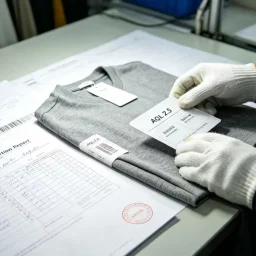
- Buffer Days for Quality Inspections: Build a mandatory 10 to 14-day buffer window into your production schedule prior to freight booking. This allows time for independent AQL (Acceptable Quality Limit) inspections and minor factory reworks if non-conforming units are flagged.
- Choosing Between Air Freight and Ocean Logistics: Air freight delivers landed goods within 5 to 7 days but significantly reduces unit margins. Ocean freight requires 30 to 45 days port-to-port but offers lower cost-per-unit logistics, making early calendar planning essential.
5. Essential Risk Mitigation Strategies for Fashion Founders
Protecting your supply chain against disruption requires proactive contract terms and quality safeguards:
- Tie Final Balance Payments to Independent AQL Audits: Never transfer final balance payments based solely on factory assurances. Mandate that final balance releases are contingent upon passing an independent AQL 2.5 quality inspection at the factory gate.
- Formalize NNN & NDA Protection: Ensure manufacturing agreements include non-disclosure, non-use, and non-circumvention clauses to safeguard your original garment patterns, artwork, and brand assets.
- Track Quality Metrics Season Over Season: Maintain detailed records of defect rates, fitting discrepancies, and fabric shading across production runs to continuous refine factory tech packs.
To build your fashion label on a transparent supply chain, absolute structural integrity, and direct-factory execution, visit Newasia Garment to start building your clothing supply chain today.
Read more