
The Deadstock Dilemma: How Emerging Fashion Brands Escape the Apparel Inventory Cash Trap
For independent designers, fashion entrepreneurs, and ecommerce brand directors across the globe, launching a garment collection is a masterclass in capital allocation. While creative direction, marketing campaigns, and brand identity dominate early planning, the physical reality of commercial production introduces a harsh financial obstacle: the clothing startup inventory cash trap.
Emerging labels frequently collapse not from a lack of market demand, but from illiquid balance sheets tied up in unsold bulk warehouse stock. Pushed by budget factories into large minimum order quantities to achieve lower per-unit prices, brand founders often spend 80% of their startup capital before delivering a single package. When garments sit unsold or suffer high return rates due to post-wash distortion, working capital vaporizes.
This operational guide details how capital gets trapped in early apparel runs, outlines flexible supply chain protocols to maintain liquidity, and demonstrates how early structural standardization protects inventory equity.
1. The Mechanics of the Inventory Cash Trap
To protect your brand’s financial runway, you must first understand how capital becomes locked in physical stock during initial manufacturing:
- The Illusion of Bulk Unit Discounts: Budget factories entice early-stage founders with tempting unit price drops on large order volumes (e.g., $12 per piece for 1,000 units versus $22 per piece for 150 units). Founders take the bait to achieve higher theoretical margins, anchoring massive capital in unproven inventory that may take years to sell.
- Fabric Mill Dye-Lot Lock-In: Textile mills enforce high fabric length minimums for custom-dyed colors. Brand teams often order excess fabric to fulfill mill requirements, leaving unused meters resting idle on factory shelves and tying up precious cash flow.
- Non-Liquid Warehousing and Holding Overhead: Excess inventory incurs monthly storage, insurance, and handling fees. As unsold stock ages, brands are forced into steep end-of-season clearance discounts, eroding brand equity and liquidating inventory at a loss just to pay bills.
2. Protecting Working Capital with Agile Sourcing Protocols
Growing fashion labels can avoid inventory cash traps by enforcing disciplined supply chain practices before signing factory contracts:
- Leverage Core Stock Fabric Programs: Build inaugural collections using stock fabrics maintained by established manufacturers or regional distributors. Eliminating custom fabric mill minimums allows brands to run short-run bulk orders without overcommitting capital.
- Consolidate Fabrics Across Styles: Engineer three or four distinct silhouettes—such as a crewneck, hoodie, and sweatpant—from a single high-grade jersey or fleece fabric. Aggregating fabric yardage meets supplier minimums while keeping individual style quantities low.
- Prioritize Rapid Replenishment Pipelines: Negotiate short-run initial orders (e.g., 100 to 150 pieces per style) with a contract clause guaranteeing 14- to 21-day re-order turnarounds once live sales data validates core size demand.
3. Building an Unyielding Skeleton: Protecting Small-Run Inventory Equity
When operating lean inventory runs, every single garment represents a precious percentage of your available liquidity. Delivering garments that fail after a few domestic wash cycles leads to high customer return rates that quickly destroy profit margins.
Budget factories attempting to lower unit quotes on small orders often use low-tensile synthetic threads or omit high-density stabilization tapes along hidden strain zones like rear necklines, shoulder tracks, and waistband channels. Under repeated washing and commercial drying cycles, unsupported seam joints warp and stretch out of alignment. Necklines sag, shoulder tracks twist, and pocket openings gap.
To protect your startup capital and ensure small-run collections maintain their structured silhouette over years of wear, technical specs must mandate high-density cotton internal structural components. Partnering with a specialized global manufacturer like Newasia Garment Supply Chain Solutions provides an unyielding internal skeleton for your clothing line.
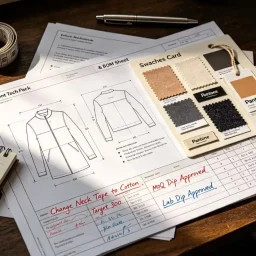
Integrating tight, high-density combed cotton bias tape, neck reinforcement, and stabilized seam matrices anchors garment geometry securely. Mandating these premium structural components during tech pack sign-off eliminates synthetic skin irritation, lowers factory scrap rates, and delivers the physical durability required to build long-term retail brand equity.
4. Strategic Size Curve Distribution for Cash Flow Preservation
To prevent capital from locking up in extreme, low-velocity sizes, sourcing teams must optimize size ratios across short production runs:
- Deploy Standard Bell-Curve Size Distributions: Avoid spreading small orders across too many size variations. Restrict early capsule runs to 4 or 5 core sizes (e.g., S, M, L, XL) using a balanced bell-curve distribution (such as 1:2:2:1) to prevent stocking out of core sizes while minimizing leftover inventory.
- Monitor Real-Time Sales Velocity: Track regional sizing demand during initial product launches. Re-allocate inventory budgets toward high-velocity size slots immediately rather than placing blanket re-orders across all size options.
- Negotiate Surcharge Multipliers for Test Runs: Offer to pay a 15% to 25% unit setup surcharge to produce micro-runs, allowing the factory to cover setup labor costs while you preserve upfront working capital for marketing and customer acquisition.
5. Essential Risk Control Protocols for Global Sourcing Negotiations
To maintain clear financial transparency and protect your brand’s financial runway during initial order negotiations, enforce these contractual checkpoints:
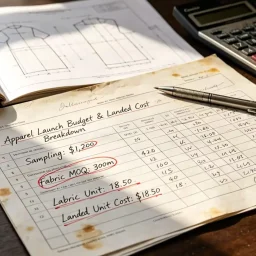
- Demand Open-Cost BOM Breakdowns: Require manufacturing partners to detail fabric yardage costs, trim surcharges, and factory labor setup fees on itemized cost sheets.
- Enforce Ratio-Preserved Order Variance Clauses: Contractually bind factories to ensure that any production overage or shortage preserves agreed size ratios rather than dumping excess inventory in extreme sizes.
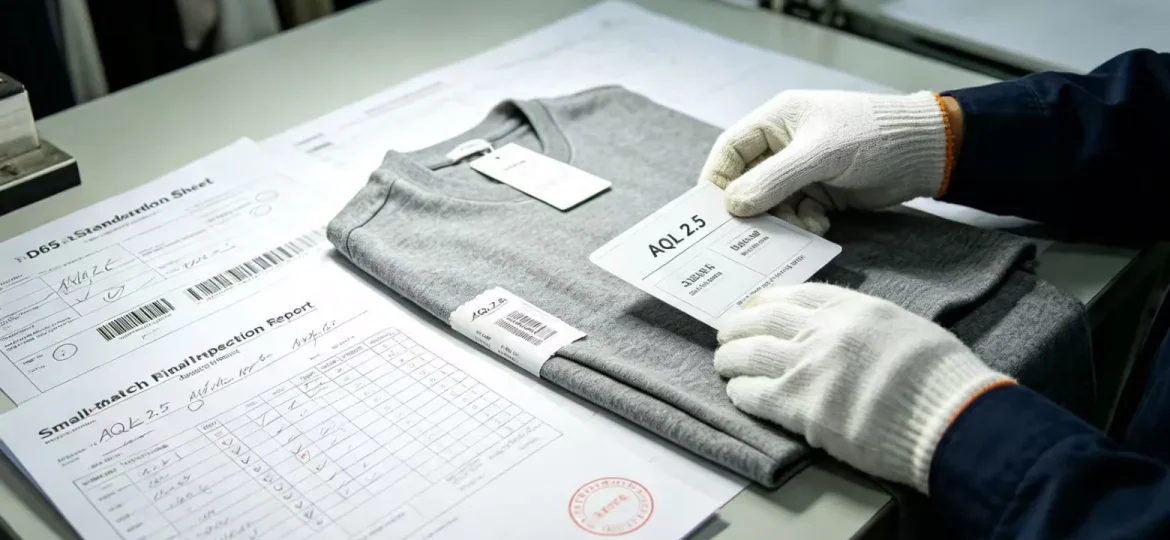
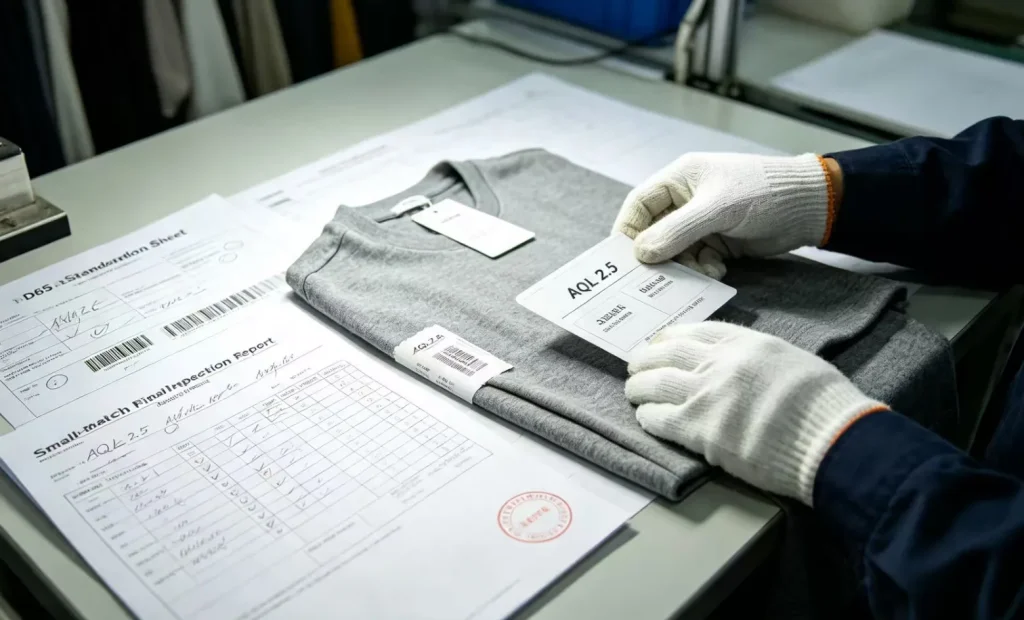
- Tie Balance Payments to AQL 2.5 Quality Audits: Ensure final production balance releases depend on passing an independent Acceptable Quality Limit (AQL 2.5) inspection conducted at the factory gate before dispatch.
To evaluate your manufacturing budget, optimize short-run production costs, and build a resilient global supply chain, visit Newasia Garment to streamline your apparel production today.
Read more
- How to Validate Pocket Function and Placement Before Bulk Production
- How to Standardize Fabric Hand Feel Across Production Lots
- Movement Fit Testing for Apparel: How to Check Ride-Up, Slippage, and Range of Motion
- Pre-Production Sample Approval: What Brands Should Lock Before Bulk Production
- Custom Sports Jersey Manufacturing Quality Control: A Global Manufacturing Guide