
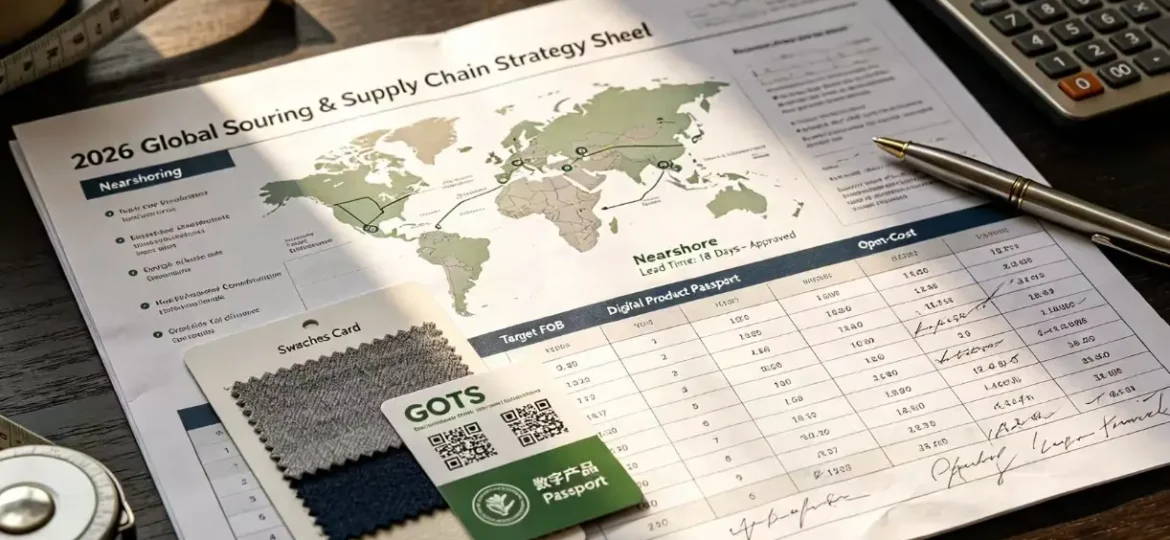
Global Clothing Sourcing Trends 2026: The Strategic Blueprint for Fashion Brands
For apparel brand directors, global sourcing managers, and fashion entrepreneurs, navigating the international supply chain landscape requires a proactive response to shifting market dynamics. As we move through 2026, the global apparel industry is undergoing a structural realignment driven by shifting trade policies, accelerated digital supply networks, demand for circular material innovation, and intense consumer scrutiny around garment longevity.
Understanding clothing sourcing trends 2026 is no longer just an annual planning exercise—it is an operational necessity. Emerging labels and established retail brands must balance cost efficiency with agility, move past traditional long-lead production cycles, and integrate structural garment engineering to prevent high return rates in an increasingly competitive direct-to-consumer (DTC) and wholesale environment.
This comprehensive guide breaks down the defining global apparel sourcing trends of 2026, key risk-mitigation strategies for brand managers, and how incorporating high-spec structural inner components early in production safeguards your product line against post-wash deformation.
1. Diversified Regionalization and Hybrid Global Supply Chains
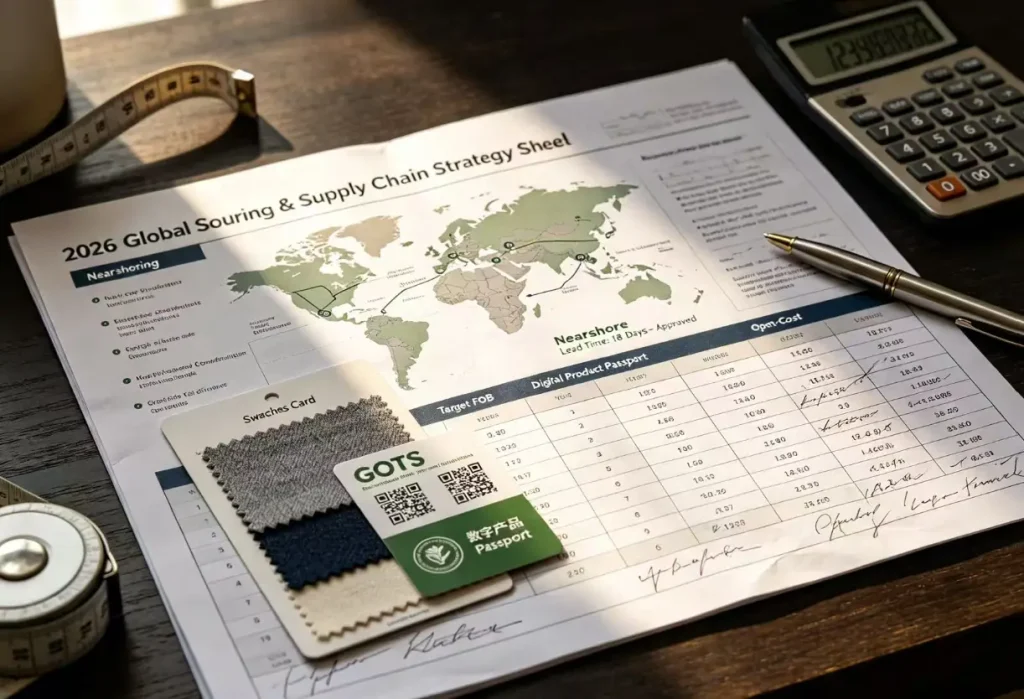
The single-country sourcing model has given way to multi-node, hybrid supply chain networks. In 2026, fashion brands are structuring their production portfolios across complementary geographic regions to balance speed, cost, and risk:
- Nearshoring for Speed-to-Market: Brands allocate high-turnover, seasonal micro-drops and fast-replenishment items to nearshore hubs closer to major consumer markets, drastically cutting shipping transit times.
- Offshore Hubs for Complex Scale: High-volume staple collections, heavy knitwear, and intricate outerwear remain anchored in high-capacity Asian export centers, where specialized machinery and deep raw material supply chains keep unit costs competitive.
- Agile Capacity Reserves: Sourcing directors are securing flexible factory capacity agreements rather than rigid fixed-volume purchase orders, allowing production volumes to flex up or down based on real-time sell-through data.
2. Digital Transparency, Traceability, and Open-Cost Engineering
In 2026, digital infrastructure is fully integrated into international apparel procurement. Brand managers demand complete end-to-end visibility across raw material origins and factory cost structures:
- Digital Product Passports (DPP) & Traceability: Regulatory frameworks and conscious consumer demands require brands to map garments down to the yarn spinning and fabric mill levels. Suppliers capable of providing verified chain-of-custody data hold a significant competitive advantage.
- Itemized Open-Cost Negotiation: Professional sourcing teams negotiate using open-cost sheets that break down raw materials, Cut-Make-Trim (CMT) labor minutes, factory overhead, and margin allowances. This open approach allows brands to optimize material usage without squeezing factory labor quality.
- Virtual Sampling and Digital Tech Packs: 3D digital sampling reduces physical proto-sample iterations by over 60%, speeding up line development cycles and lowering early-stage development expenses.
3. The Internal Skeleton: Protecting Garment Geometry Against Post-Wash Deformation
While supply chain agility and digital tracing streamline front-end procurement, product physical durability remains the ultimate test of brand equity. A major pitfall in global sourcing occurs when factories cut costs by using low-grade synthetic thread or omitting internal structural stabilization inside hidden stress zones—such as rear necklines, shoulder tracks, hood attachments, and pocket channels.
Under the kinetic friction of home washing machines and commercial drying cycles, unsupported structural joints stretch out of alignment. Outer fabrics buckle, resulting in wavy collar edges, sagging shoulder lines, and seam twisting that drive up consumer return rates and damage brand trust across direct-to-consumer and retail channels.
To protect your working capital and ensure garments maintain their structured silhouette over years of wear, technical specs must mandate high-density cotton internal structural components. Partnering with a specialized global manufacturer like Newasia Garment Supply Chain Solutions provides an unyielding internal skeleton for your clothing line.
Integrating tight, high-density combed cotton bias tape, neck reinforcement, and stabilized seam matrices anchors garment geometry securely. Mandating these premium structural components during tech pack sign-off eliminates synthetic skin irritation and delivers the physical durability required to excel in today’s demanding retail market.
4. Material Innovation: Sustainable Blends and High-Gauge Knits
Fabric selection in 2026 focuses on blending circular sustainability with long-term performance and high-end hand feel:
- Next-Generation Recycled Fibers: Mechanical and chemical recycling innovations allow mills to produce recycled cotton and polyester blends that match the staple length and tensile strength of virgin fibers, preventing premature pilling.
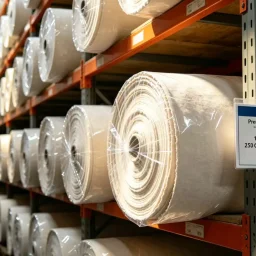
- Heavyweight and High-Gauge Density: Premium streetwear and elevated basics continue to demand dense, heavyweight knits (such as 400+ GSM French terry and 280+ GSM combed cotton jerseys) that offer a structured drape and substantial tactile appeal.
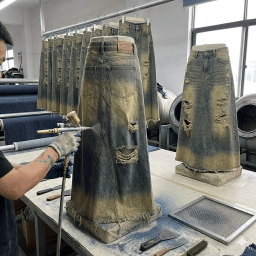
- Low-Impact Waterless Dyeing and Ozone Finishing: Industrial laundries are scaling waterless ozone fading and bio-enzyme polishing treatments, eliminating hazardous chemical runoff while maintaining vintage aesthetic washes.
5. Essential Risk Mitigation Strategies for Sourcing Directors in 2026
Protecting your brand’s margins and supply chain reliability against global volatility requires structured contractual and operational controls:
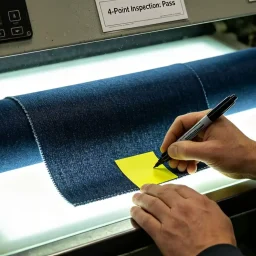
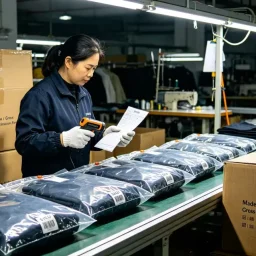
- Tie Balance Payments to AQL 2.5 Quality Audits: Never release final production payments based solely on pre-shipment photos. Mandate that balance releases depend on passing an independent Acceptable Quality Limit (AQL 2.5) inspection conducted at the factory gate.
- Build 14-Day Buffer Windows into Seasonal Calendars: Factor potential shipping, customs clearance, and raw material mill lead-time variations into your master production schedule to protect seasonal drop dates.
- Enforce Enforceable Intellectual Property & NNN Contracts: Protect original garment patterns, custom fabric constructions, and tech packs by executing non-disclosure, non-use, and non-circumvention agreements before sending proprietary design files overseas.
To position your fashion brand at the forefront of global sourcing trends, absolute structural integrity, and direct-factory execution, visit Newasia Garment to start building your resilient apparel supply chain today.
Read more