
Navigating Garment Prototyping Investments: What Fashion Brands Spend on Clothing Samples
For fashion entrepreneurs, product developers, and garment sourcing managers across the globe, turning a digital render or tech pack into a physical retail-ready piece is a vital rite of passage. However, one of the first friction points emerging founders encounter when engaging global manufacturers is sample pricing.
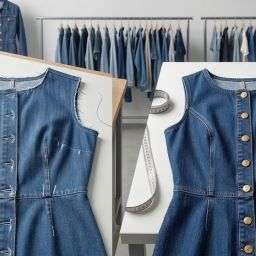
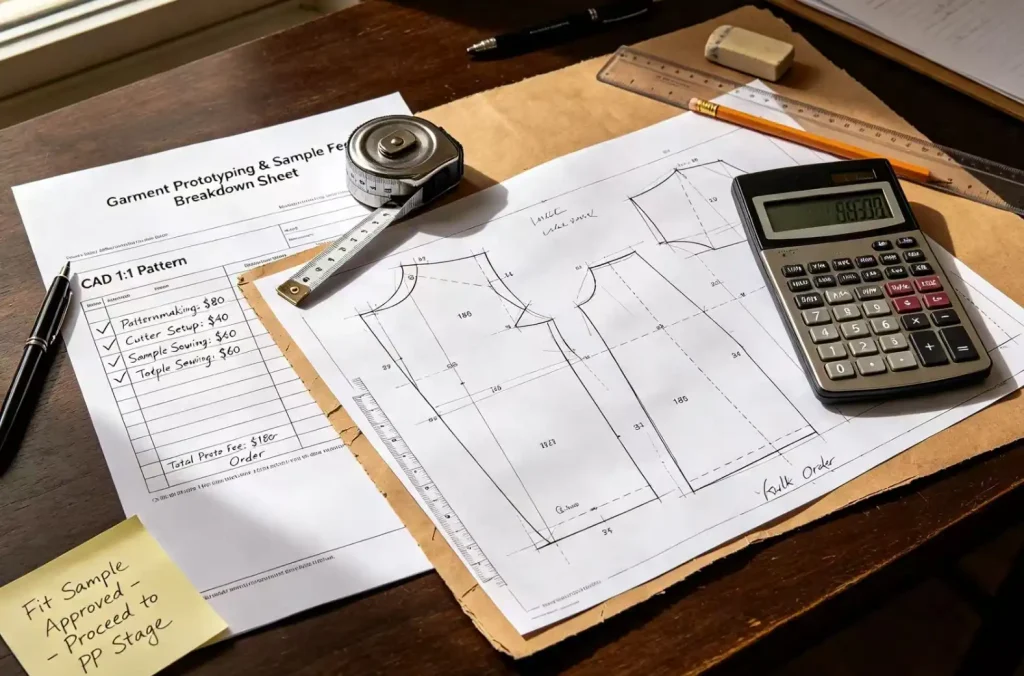
It is common for fashion startups to experience sticker shock when reviewing initial prototype invoices. A factory quoting a bulk production unit price of $12 might charge $100 to $250 for a single pre-production sample. Without a clear understanding of the clothing sample fee guide mechanics, brand managers often mistake prototyping surcharges for predatory factory markups rather than what they truly are: intensive manual labor, individual setup fees, and specialized master craftsmanship.
This operational guide details why sample costs vary across global supply hubs, breaks down the exact line items included in a prototyping invoice, and explains how early structural standardization protects your development runway.
1. Deconstructing the Mechanics of Garment Sample Pricing
To understand why prototype pricing differs so sharply from bulk unit FOB quotes, sourcing managers must look at how industrial garment factories allocate labor and machinery during sampling:
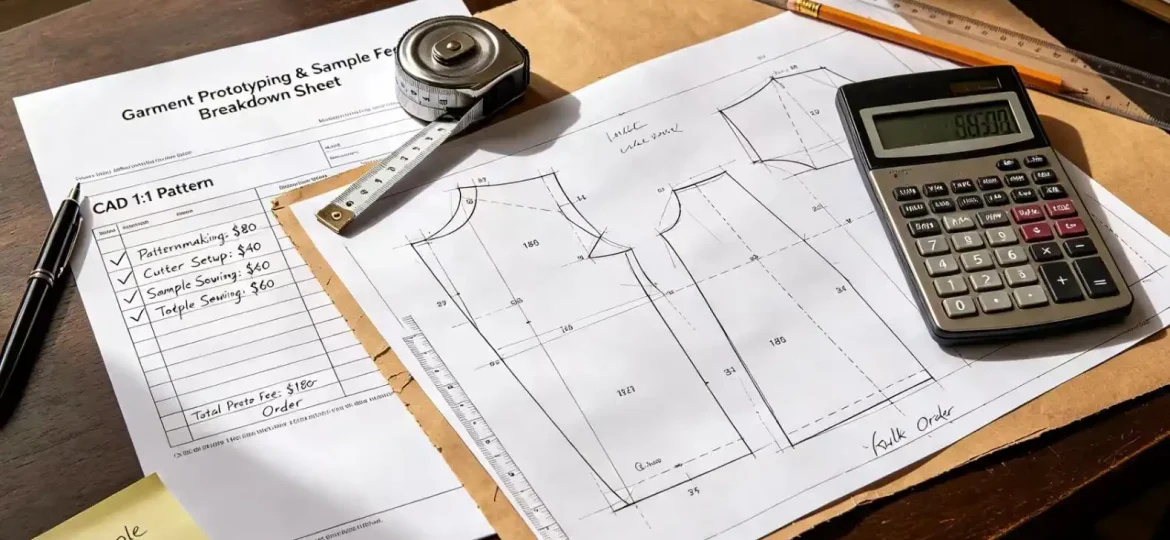
- Individual Pattern Digitizing and Size Grading: Creating a master pattern from scratch requires specialized CAD patternmakers to convert tech pack flats into geometric pattern pieces. On a bulk run, pattern costs are amortized across thousands of units; on a single sample, that fixed engineering labor is absorbed entirely by one garment.
- Single-Garment Manual Cutting Line Setup: Industrial cutting tables are built to stack hundreds of fabric plies for automated laser or vertical knife cutting. Hand-cutting a single sample requires a master cutter to manually lay markers, pin fabric, and cut panels one piece at a time.
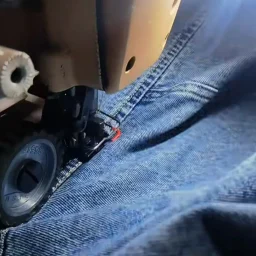
- Sample Room Labor vs. Industrial Line Speed: Mass bulk production relies on synchronized assembly lines where each operator handles a single operation (e.g., joining shoulder seams). A prototype, however, is sewn end-to-end by a single senior master machinist, requiring high hourly labor rates to assemble the entire piece manually.
- Small-Lot Dyeing, Printing, and Trim Sourcing: Mills do not run industrial dye vats for three meters of custom fabric. Factories must source stock yardage, pay courier rush fees, or hand-dip swatches in lab dye boxes to execute custom sample colors and print strike-offs.
2. Typical Sample Types and Surcharge Multipliers Across Global Supply Hubs
Throughout a product development cycle, brands move through multiple sample stages. Understanding standard global pricing structures helps teams budget accurately for line development:
- Proto Samples (1st / 2nd Fit Samples): Designed to evaluate garment silhouette, proportion, and general fit using stock or substitute fabrics. Standard factory pricing for proto samples typically ranges from 2x to 3x the estimated bulk FOB unit cost.
- Salesman Samples (SMS): High-grade prototypes created in actual bulk fabrics and trims for photoshoots, trade shows, and wholesale buyer meetings. Because SMS orders require full trim sourcing across multiple colorways, prices typically range from 3x to 4x the bulk FOB cost.
- Pre-Production Samples (PP Samples): The final gold-standard sample produced on the actual factory floor using bulk production machinery, exact threads, and bulk trims. Once approved by the brand, the PP sample serves as the physical contract benchmark. PP samples are frequently priced at 2x the bulk FOB cost, with many factories crediting this fee toward bulk order balance payments upon deposit sign-off.
- Size Set Samples: Small sample runs produced across extreme sizes (e.g., XS and 3XL) to verify pattern grading math before mass cutting. These are usually charged at standard sample rates or negotiated as part of the bulk tech pack setup fee.
3. Building an Unyielding Skeleton: Preventing Sample Iteration Drain
The true cost of garment sampling is not just the invoice price of sample number one—it is the compounded cost of running through three, four, or five sample iterations due to poor structural engineering.
Budget factories attempting to lower sample quotes often cut corners during prototyping, using cheap synthetic threads or omitting high-density stabilization tapes along stress points like rear necklines, shoulder tracks, and waistband channels. During fit reviews and steam pressing, unsupported seam joints stretch out of alignment. Necklines sag, shoulder seams twist, and pocket openings gap, forcing brands to order costly re-samples.
To protect your development budget and ensure prototypes match final bulk performance, technical specs must mandate high-density cotton internal structural components from day one. Partnering with a specialized global manufacturer like Newasia Garment Supply Chain Solutions ensures your line is engineered with an unyielding internal skeleton.
Integrating tight, high-density combed cotton bias tape, neck reinforcement, and stabilized seam matrices anchors garment geometry during first-sample sewing. Mandating these premium structural components in your initial tech packs eliminates synthetic skin irritation, prevents fit distortion during sample reviews, and slashes the number of costly sample revisions required before mass production.
4. Strategic Protocols to Keep Prototyping Budgets on Track
Sourcing teams can minimize sample expenditure without compromising garment quality by enforcing disciplined pre-production habits:
- Provide Factory-Ready, Comprehensive Tech Packs: Eliminate guesswork by including detailed measurement charts, construction callouts, stitch codes, and BOM trim details in your tech packs before requesting sample invoices.
- Approve Initial Fit Using Stock Greige Fabrics: Use available factory stock fabric or greige blanks for 1st fit prototypes rather than paying rush fees for custom-dyed sample yardage.
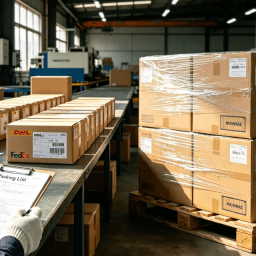
- Consolidate Sample Shipments: Group multiple style sample reviews into consolidated courier shipments rather than paying individual international express air freight fees for single items.
5. Essential Sourcing Checkpoints for Sample Fee Negotiations
To protect your capital runway and maintain clear financial transparency with global factory partners, enforce these contractual checkpoints:
- Negotiate Sample Fee Rebate Clauses: Contractually agree that sample fees (particularly PP sample charges) will be 100% credited back toward your final bulk production invoice upon placing the minimum order quantity (MOQ).
- Require Itemized Prototyping Cost Sheet Breakdowns: Ask factories to separate patternmaking labor, fabric sourcing, and courier fees on sample invoices to understand exact development costs.
- Tie Bulk Deposit Releases to PP Sample Sign-Off: Never release bulk production balance payments until physical pre-production samples pass rigorous physical measurements and internal construction audits.
To evaluate your product development budget, streamline initial sampling, and build a resilient global supply chain, visit Newasia Garment to optimize your apparel prototyping strategy today.
Read more
- Activewear Fabric Approval Before Bulk: Opacity, Stretch, Recovery and Breathability
- How to Build a Garment Test Plan Before Bulk Production (Complete Guide)
- Apparel Change Control: How to Approve BOM, Material and Construction Revisions
- Denim Quality Control: Testing Methods, Common Defects & Quality Standards
- How Denim Quality Control Reduces E-Commerce Returns