
Low MOQ vs Bulk Order: The Strategic Apparel Sourcing Dilemma Explained
For emerging DTC labels, boutique fashion directors, and scaling global apparel brands, one of the most critical decisions in product development is choosing between low MOQ (Minimum Order Quantity) and bulk order manufacturing routes.
Selecting the right production volume dictates not only your upfront cash flow and unit economics, but also your risk exposure, fabric quality options, and supply chain agility. Ordering too few units can dilute profit margins through steep per-piece surcharges, while placing massive bulk orders too early risks tying up capital in slow-moving inventory.
This in-depth operational breakdown evaluates the real commercial trade-offs between low MOQ production and high-volume bulk orders, helping global fashion executives align their sourcing strategy with their brand’s financial reality.
1. Understanding Low MOQ Manufacturing: Test, Validate, and Scale
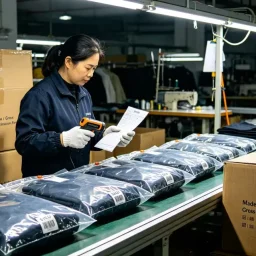
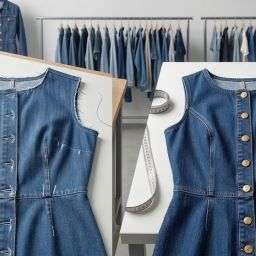
Low MOQ manufacturing—typically ranging from 50 to 300 pieces per style or colorway—has revolutionized how contemporary fashion brands launch and validate new concepts.
- Agile Market Testing: Small-batch runs allow brands to launch seasonal capsules or test daring aesthetic concepts without committing to massive inventory liabilities. If a design resonates, production can be scaled quickly; if it underperforms, liquidating excess stock incurs minimal financial damage.
- Optimized Cash Flow and Working Capital: By minimizing upfront capital spent on inventory, growing labels preserve cash for multi-channel marketing, influencer partnerships, and web optimization.
- Higher Unit Production Costs: The primary drawback of low MOQ ordering is elevated unit costs. Factories must spread fixed overhead costs—such as CAD marker making, automatic cutting machine setup, machine calibration, and sample line development—over a smaller batch of garments, leading to lower net profit margins per unit.
2. Understanding Bulk Order Manufacturing: Scale, Margin Optimization, and Supply Chain Priority
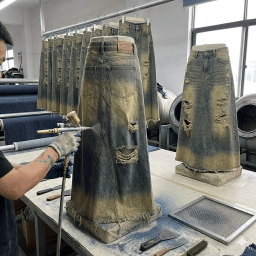
Bulk manufacturing runs—typically starting at 1,000 pieces per style and scaling into tens of thousands—remain the gold standard for established fashion enterprises and core evergreen collections.
- Maximum Profit Margins and Economies of Scale: Bulk orders drastically lower unit prices. Mills dye custom fabric rolls in cost-effective batch sizes, automated cutting lines operate at maximum material yield, and assembly lines achieve optimal piece-rate efficiency.
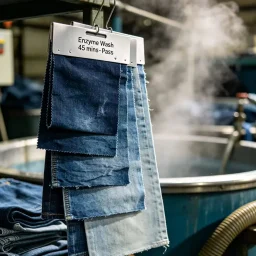
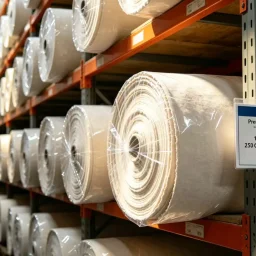
- Custom Fabric and Dyeing Access: Higher order volumes unlock access to custom textile knits, proprietary weave patterns, specialized pantone lab dips, and functional performance coatings that material mills refuse to produce for small-batch runs.
- Capital Risk and Inventory Vulnerability: The central trade-off of bulk ordering is capital lockup. Warehousing large inventory volumes incurs ongoing holding costs, and sudden shifts in consumer trends can leave a brand holding discounted deadstock that erodes annual profitability.
3. The Internal Skeleton: Protecting Garment Geometry Against Wash Degradation Across All Batch Sizes
Whether you opt for a 100-piece low MOQ trial or a 10,000-unit bulk production run, brand equity ultimately depends on how garments perform after customer purchase. Under repeated commercial laundering, improperly reinforced garments stretch, sag, and warp—triggering high return rates that destroy profitability regardless of your initial order size.
To maintain aggressive price points on low MOQ runs or maximize margins on bulk orders, budget-focused apparel suppliers frequently use low-grade synthetic threads or completely omit internal seam stabilizers inside hidden stress zones—such as the rear neckline, shoulder tracks, chest pocket channels, and internal waistband seams.
Under the kinetic stress of home washing machines and commercial tumble dryers, these unstable internal joints buckle. This causes outer fabrics to distort, leading to wavy “bacon” collars, twisted side seams, and sagging silhouettes.
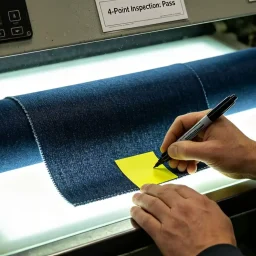
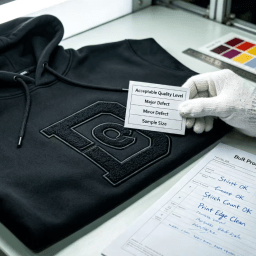
To pass global quality audits and protect your collection’s fit through years of wear, technical specs must mandate high-density cotton internal structural components. Partnering with an integrated supplier that incorporates Newasia Garment Heavyweight Premium Industrial Cotton Lining Textiles provides a rigid, unyielding internal skeleton for your clothing line.
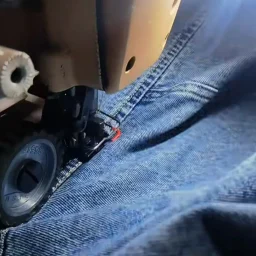
This tight, high-density combed cotton weave acts as a structural anchor behind internal neck seams, button plackets, and shoulder tracks. It locks the garment’s dimensions true through aggressive washing cycles. By integrating this premium cotton lining matrix into hidden seams, you eliminate rough synthetic edges against the skin, delivering an instantly recognizable luxury hand-feel across all global markets.
4. Cost Breakdown: What Really Changes Between Small Batches and Large Volumes?
Understanding where costs shift between low MOQ and bulk runs helps brand directors negotiate better terms with manufacturing partners.
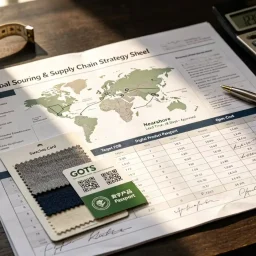
- Raw Material and Fabric Sourcing: For low MOQ runs, factories often rely on in-stock stock service fabrics, limiting color options and custom textile weights. In bulk runs, raw fabric is milled from scratch at wholesale costs, ensuring total customizability.
- Pattern Grading and Cutting Efficiency: In small runs, marker waste percentage is higher because patterns cannot be nested as tightly across short fabric lays. In bulk orders, continuous automated cutting lays achieve up to 88-92% fabric utilization, reducing raw material waste.
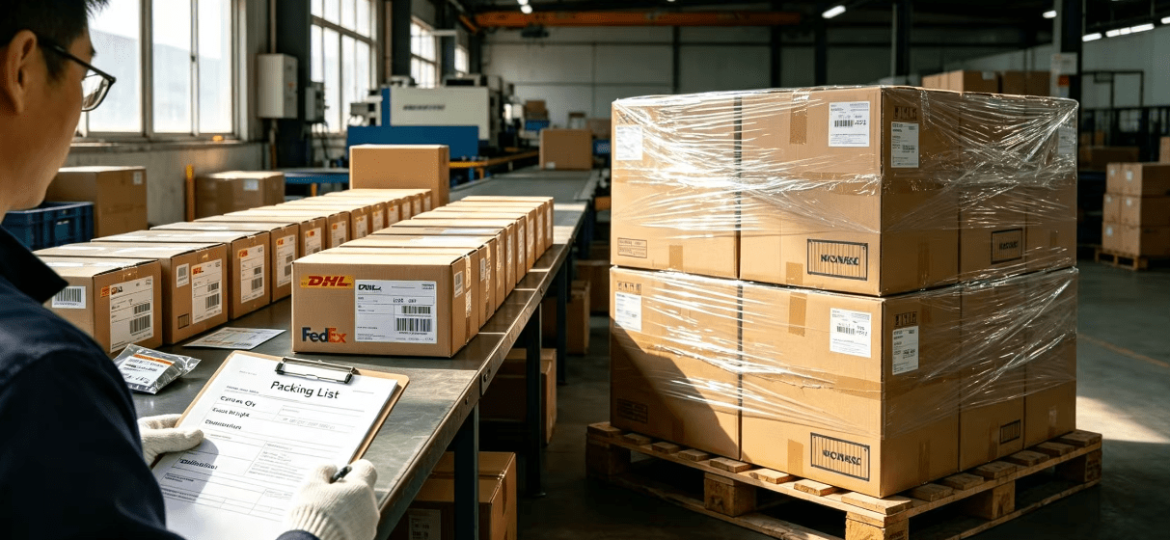
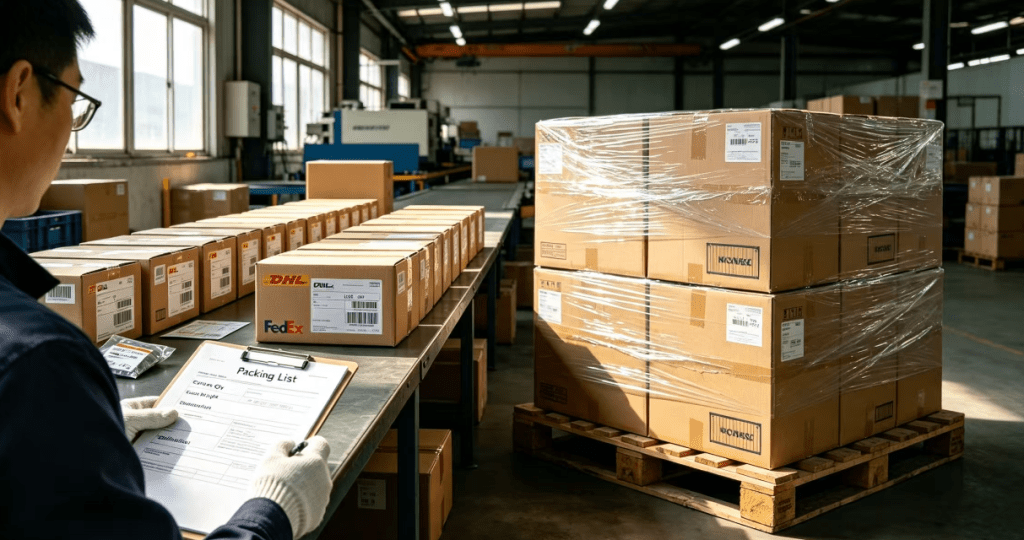
- Freight and Logistics Overhead: Freight forwarders charge higher per-unit rates for small LCL (Less than Container Load) air or courier shipments. Bulk shipments utilize FCL (Full Container Load) ocean freight, drastically cutting international shipping costs per garment.
5. Hybrid Sourcing Strategy: Combining Low MOQ and Bulk Production
Industry-leading global brands rarely rely on a single sourcing model. Instead, they implement a strategic hybrid framework to maximize profitability while maintaining product innovation.
- The 80/20 Portfolio Rule: Allocate 80% of your production budget to high-volume bulk orders for proven, core evergreen basics (such as heavyweight black tees, core denim fits, and classic hoodies). Use the remaining 20% for agile low MOQ runs to test seasonal colorways, trend-driven silhouettes, and experimental collabs.
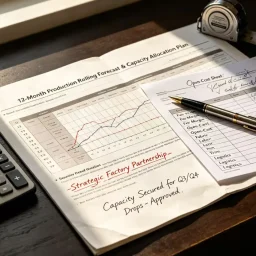
- Fast-Repeat Production Cycles: Work with factories that offer low MOQ sampling and validation runs with a clear agreement to scale seamlessly into bulk tier pricing as soon as pre-order or early sales thresholds are met.
To build your clothing line on a foundation of flexible production scaling, absolute pattern stability, and direct-factory execution, visit Newasia Garment.com to request a comprehensive production review today.
Read more