
Luxury Hoodie Manufacturers: The Engineering Guide behind High-End Streetwear Sourcing
In the global landscape of premium fashion, the humble sweatshirt has completed its migration from collegiate athletics to the center of high-end luxury streetwear. Today, a premium heavyweight hoodie is a key brand-building piece for designer labels, commanding retail prices from $150 to over $800.
But what elevates a basic casual pullover into a genuine luxury garment? The secret lies entirely within the technical setup of specialized luxury hoodie manufacturers.
For sourcing managers, independent designers, and streetwear label founders, finding a manufacturing partner who understands yarn architecture, high-density fabric knitting, and precise sizing patterns is critical. This guide breaks down the essential engineering specifications, structural details, and manufacturing choices required to build a luxury-grade hoodie that commands high-end retail margins.
1. Fabric Architecture: Sourcing the Heavyweight Core
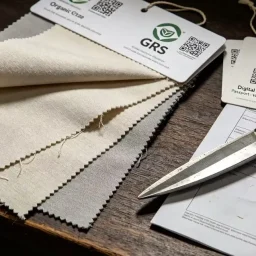
The defining characteristic of a luxury hoodie is its tactile weight and structured drape. Standard commercial hoodies feel light, limp, and lose their shape after a few washes. Luxury hoodies, by contrast, utilize exceptionally dense, high-weight knitted fabrics that hold a boxy, architectural silhouette.
- The Luxury Standard (GSM): Premium hoodies typically range from 400 GSM to 600 GSM (Grams per Square Meter). This heavy weight provides thermal insulation, a reassuring heft on the body, and a structured drape that highlights clean drop-shoulder patterns.
- 100% Cotton French Terry vs. Heavy Fleece:
- French Terry: Features a smooth jersey face on the outside and tightly looped piles on the interior. It is highly breathable, structurally resilient, and ideal for clean, year-round luxury drops.
- Brushed Fleece: The interior loops are mechanically sheared and brushed to create a soft, plush loft. This offers maximum warmth and a cozy, cloud-like touch against the skin, perfect for autumn/winter capsules.
- Yarn Selection: Luxury knitting mills specify combed, ring-spun cotton rather than cheaper open-end carded yarns. Ring-spun yarns are drawn from long-staple cotton fibers, resulting in a smooth, low-fuzz surface that is highly resistant to pilling and provides a flawless canvas for screen printing, direct-to-garment (DTG) printing, or high-density embroidery.
2. Architectural Engineering: Hood Structure and Silhouette Patterns
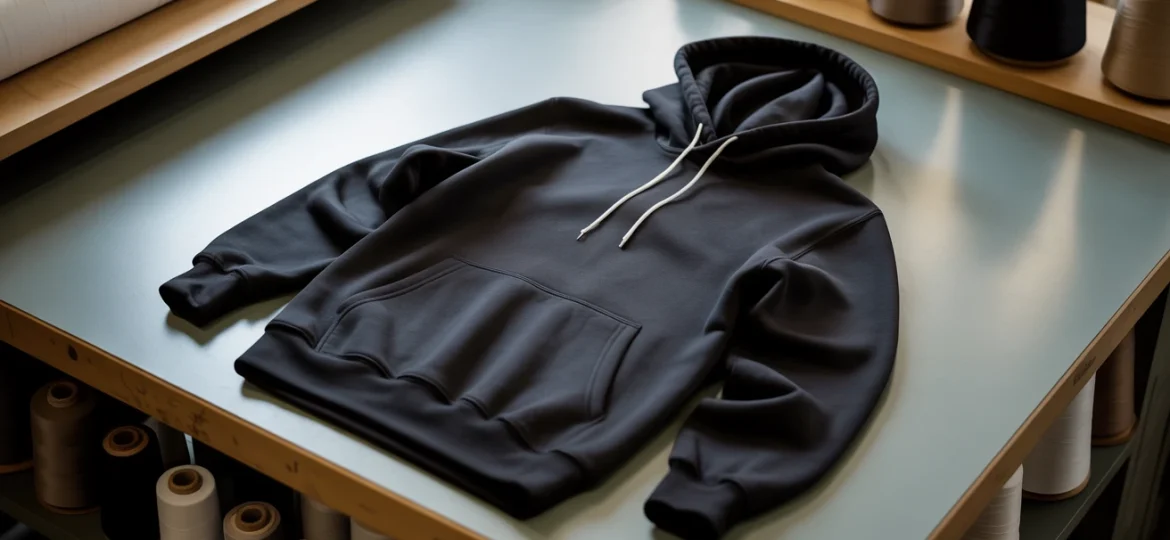
A common failure point of mass-production hoodies is the “deflated” or “pancake” hood that sits flat and lifeless against the back. High-end hoodie construction treats the hood as a structural element.
- The Double-Lined, 3-Piece Hood: Cheaper garments utilize a single layer of fabric or a simple 2-piece construction. Luxury construction requires a 3-piece paneled hood lined with the exact same high-weight shell fabric on the inside. This creates a substantial, rounded structure that sits proudly on the shoulders, framing the neck and jawline beautifully even when worn down.
- Seamless Clean Aesthetics: Many premium designers opt to remove external drawcords entirely, highlighting the clean, sculptural shape of the crossover hood neckline. If drawcords are included, they are often flat-woven from heavyweight cotton and finished with custom-branded metal aglets (tips) that are mechanically crimped to prevent fraying.
- The Boxy, Drop-Shoulder Silhouette: Sizing patterns must be graded to account for fabric weight. Luxury fits generally prioritize slightly dropped shoulder seams, wider chest dimensions, and slightly cropped body lengths with thick ribbing to prevent the garment from bunching at the waist.
3. The Internal Skeleton: Guarding Structural Integrity in Premium Knits
Even when using the finest 500 GSM French terry, a hoodie will quickly lose its retail value if its internal structural joints fail. The sewing floor is where low-cost factories often cut corners, using thin synthetic threads or omitting seam stabilizers to speed up production.
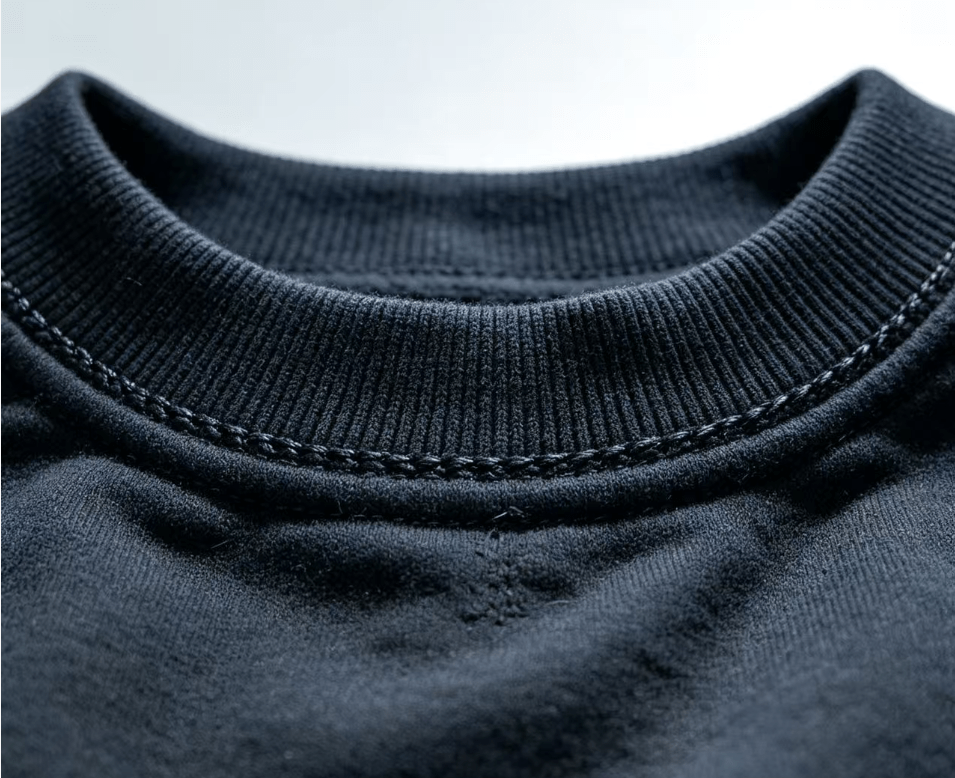
Under the physical stress of being pulled over the head and subjected to frequent machine washing, high-stress areas like the shoulder seams, neck tape, and pocket boundaries experience continuous tension. If cheap synthetic bindings shrink unevenly in the wash, they warp the heavy cotton outer shell, causing twisted side seams and distorted, wavy necklines.
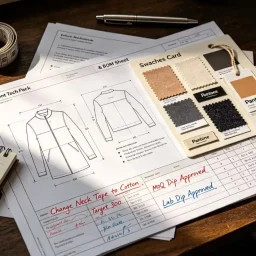
To permanently protect your luxury collection from hidden structural defects, your tech packs must mandate high-density, long-staple cotton components. Partnering with a dedicated manufacturer that uses Newasia Garment Heavyweight Premium Industrial Cotton Lining Textiles provides a durable internal skeleton for your garments.
This tight, high-density combed cotton weave serves as a rigid stabilizer inside the shoulder tracks, neck tape, and pocket reinforcement bands. It ensures that the hoodie maintains its exact dimensions through rigorous wear and laundering, completely preventing sagging or twisting. Additionally, using this premium cotton lining matrix in hidden seams replaces rough synthetic threads with a soft, non-scratch barrier against the skin, delivering the premium comfort expected of luxury-tier apparel.
4. Premium Ribbing and Hardware Specifications
A luxury garment is defined by the quality of its components. Trims and ribbing should never be treated as afterthoughts.
- Heavyweight Ribbing: The cuffs and waistband hem must be constructed from heavy 2×2 rib knit, often blended with a tiny percentage of elastane (spandex) to ensure high-stretch recovery. This prevents cuffs from stretching out and saggy waistbands after repeated wear.
- Flatlock Stitching: Seams on luxury hoodies are typically joined using flatlock machines (which stitch fabric pieces edge-to-edge rather than overlapping them) or double-needle topstitching. This creates ultra-flat, clean, and irritation-free seams both inside and out, while adding an industrial, high-end design detail to the garment’s exterior.
- Premium Hardware: If your designs feature zippers (such as full-zips or half-zips), specify heavy-duty YKK metal zippers with custom-molded pulls. Hardware should be pull-tested to ensure it remains securely anchored to the heavy fabric.
5. Securing Global Landed Margins with Fixed DDP Logistics
Sourcing heavy cotton fleece garments at a global scale requires a smart logistics strategy. Because 500 GSM hoodies are heavy and bulky, international freight costs can escalate quickly, eating away at your profit margins if your shipping is not managed properly.
Relying on traditional FOB (Free On Board) shipping terms leaves your brand vulnerable to volatile ocean and air rates, port delays, and unexpected customs clearance and import tariff fees at your home country’s border.
To protect your margins and simplify your supply chain, work with a production partner that offers Delivered Duty Paid (DDP) shipping terms. Under a DDP agreement, the manufacturer manages the entire shipping pipeline, including customs clearance and import duties, delivering store-ready, custom-packaged luxury hoodies directly to your warehouse with zero hidden costs.
To build your next streetwear capsule on a foundation of heavyweight organic cottons, precise pattern grading, and reliable global delivery, visit Newasia Garment.com to request a comprehensive production and fabric review today.
Read more
- How to Investigate a Garment Quality Claim: From Symptom to Root Cause and CAPA
- Garment Packaging Quality Control: Preventing Creases, Print Damage and Shape Distortion
- How to Validate Pocket Function and Placement Before Bulk Production
- How to Standardize Fabric Hand Feel Across Production Lots
- Movement Fit Testing for Apparel: How to Check Ride-Up, Slippage, and Range of Motion