
In global denim manufacturing, quality control is one of the most important factors influencing product consistency, buyer trust, and long-term brand reputation.
For fashion brands sourcing private label denim garments, quality problems can lead to delayed shipments, rejected orders, customer complaints, and significant financial losses. This is why international apparel buyers increasingly focus on factory quality management systems before selecting manufacturing partners.
At Newasia Garment Co.,Ltd., we specialize in OEM and ODM denim garment manufacturing with export-level quality control systems designed for global apparel brands.We are also a manufacturing partner of internationally recognized brands such as Zara, Uniqlo, Gap, Levi’s, Lee, and American Eagle Outfitters.Our QC process covers every stage of production, from pre-production planning and fabric inspection to inline sewing audits, wash testing, and final AQL inspection.
What is a denim garment quality control checklist?
A denim garment quality control checklist is a document used by global apparel brands to define product requirements and inspection standards for denim products from pre-production to final quality control. It outlines specifications such as fabric quality, trims, wash effects, stitching, measurements, labeling, packaging, and inspection methods. During pre-production, it ensures approval of fabric, trims, fit samples, and wash standards. In production stages, it guides in-line and mid-line checks on workmanship, measurements, and defect control. At final inspection, it defines sampling methods, AQL standards, appearance and functional testing, and packaging verification. The checklist also clearly states pass/fail criteria, helping ensure consistent quality across bulk denim production.
Why Quality Control Matters for Denim Brands
A denim garment quality control checklist matters for global brands because a single poor production run can lead to serious consequences across the entire supply chain. Issues like incorrect sizing, inconsistent washes, or fabric defects can result in high return rates, costly rework, and missed seasonal selling windows.
Beyond financial loss, the reputational impact is even greater. Customers who receive denim that does not match the fit, color, or quality shown online are likely to leave negative reviews that influence future buyers.
For wholesale and retail partnerships, the stakes are higher. Buyers expect consistent quality across every shipment, and failures in pre-production approval, in-line inspection, or final QC can quickly damage long-term relationships. A strong denim QC checklist ensures standards are controlled at every stage, reducing risk and maintaining brand trust.
Denim Garment Quality Control Checklist (Step-by-Step)
Share this denim QC checklist with your manufacturer before production starts. Both sides need to agree on what gets checked, especially because denim involves fabric variation, washing effects, and heavy hardware that can easily create defects if not controlled early.
1. Fabric & Denim Material Inspection (Pre-Production)
Denim quality is defined before cutting. Once indigo fabric is misaligned or unstable, everything downstream is affected.
☑Fabric defects: Check full rolls for slubs, holes, streaks, barre marks, and weaving inconsistencies
☑ GSM & construction: Verify weight, twill direction (left-hand/right-hand), and weave consistency
☑ Colour shade variation: Inspect indigo lot-to-lot consistency under standard light
☑ Shrinkage & skewing: Pre-wash testing to measure dimensional change and twisting
☑ Dye fastness: Test crocking (dry/wet rub), especially for dark indigo washes
☑ Fabric composition: Confirm cotton/elastane ratio matches spec and label claims
2. Pattern, Fit & Cutting Inspection
Denim is heavily pattern-dependent — small errors become visible fit issues after washing.
☑ Pattern accuracy: Confirm correct base block and grading across all sizes
☑ Fit sample approval: Ensure silhouette, rise, and leg shape match approved sample
☑ Size grading consistency: Cross-check waist, hip, thigh, and inseam progression
☑ Marker efficiency: Optimize layout while respecting grain direction
☑ Cutting alignment: Ensure panels are symmetrical and correctly layered
☑ Grainline control: Prevent leg twisting after washing
3. Stitching & Assembly Quality Control
Denim requires high-strength construction due to stress points and heavy wear.
☑ Stitch density: Check SPI (stitches per inch) for consistency across seams
☑ Seam strength: Stress-test inseam, outseam, crotch, and waistband
☑ Bartack reinforcement: Verify at pocket corners, fly, belt loops
☑ Needle damage: Inspect for fabric punctures or wash-visible holes
☑ Seam alignment: Ensure side seams, yokes, and pocket placement are symmetrical
☑ Thread quality: Confirm abrasion resistance and colour match
4. Washing, Finishing & Treatment Inspection
Wash effects define denim product identity, making this a critical QC stage.
☑ Wash consistency: Match approved wash standard (stone wash, enzyme, acid, etc.)
☑ Colour uniformity: Check batch-to-batch shade variation after washing
☑ Whiskering & distressing: Placement accuracy and symmetry
☑ Hand feel: Ensure softness and no over-damage to fabric structure
☑ Post-wash shrinkage: Measure key points after finishing cycle
☑ Surface defects: No patchy fading, staining, or over-bleaching
5. In-Line Production Quality Checks
This prevents mass repetition of the same denim defect.
☑ Random in-line sampling: Inspect pieces during sewing and assembly
☑ Measurement control: Check key points vs tolerance sheet during production
☑ Workmanship review: Stitch quality, pocket alignment, waistband finish
☑ Hardware installation checks: Buttons, rivets, zipper attachment strength
☑ Defect logging: Immediate correction feedback to production line
☑ Wash sample comparison: Ensure production matches approved wash reference
6. Hardware, Trims & Finishing Inspection
Denim relies heavily on metal trims and finishing accuracy.
☑ Button & rivet strength: Pull-test attachment durability
☑ Zipper function: Smooth operation with no snagging or misalignment
☑ Label accuracy: Care labels, size labels, and branding placement
☑ Leather patch / branding: Correct embossing, placement, and material quality
☑ Loose threads: All excess threads trimmed and cleaned
☑ Pressing & appearance: No heat marks, consistent finishing
7. Final Quality Inspection (Pre-Shipment)
Final gate before shipment approval.
☑ AQL inspection: Apply acceptable quality level sampling (major/minor/critical defects)
☑ Measurement verification: Full spec check on sampled garments
☑ Shade consistency: Ensure no visible wash variation within cartons
☑ Packing accuracy: Correct folding, polybagging, and presentation
☑ Carton audit: Quantity, size ratio, and labeling match purchase order
☑ Visual inspection: Final check for missed stitching, stains, or defects
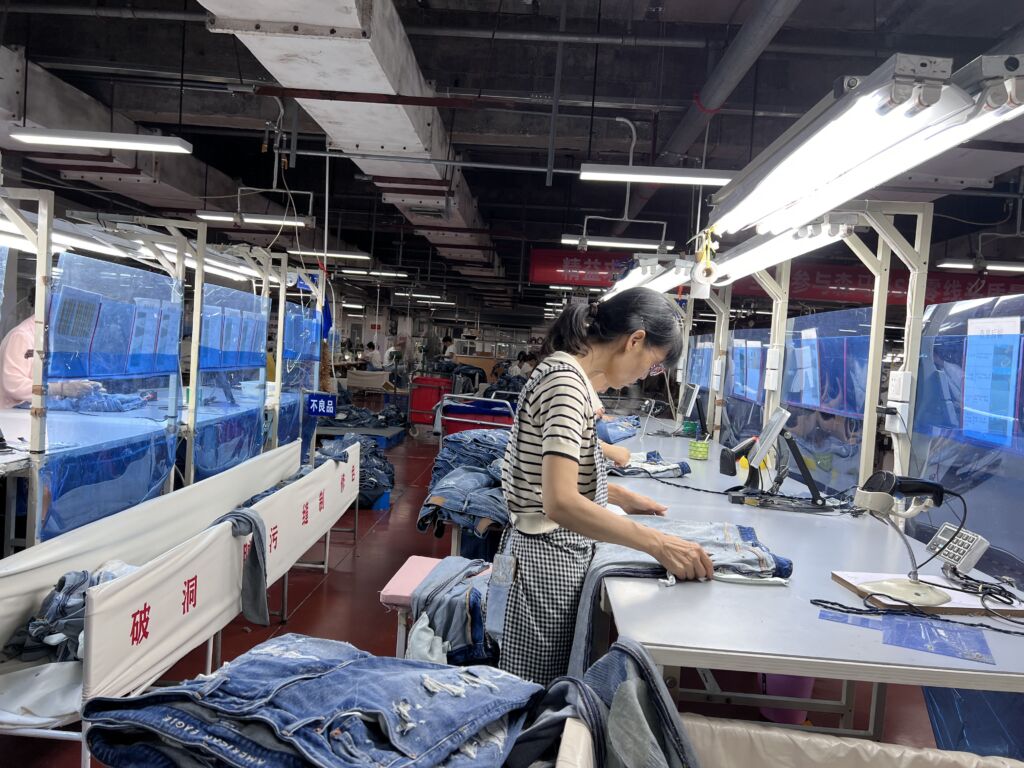
Common Denim Quality Issues to Watch For
Understanding failure points improves inspection efficiency.
- Leg twisting — caused by poor grain alignment or fabric skew
- Uneven wash effects — inconsistent enzyme or stone washing
- Broken stitches at stress points — weak bartacks or low SPI
- Metal rusting or poor rivet attachment — low-quality hardware
- Shade variation — indigo batch inconsistency across production
Quality Control Stages in Denim Production
Denim QC runs continuously, not just at the end:
| Stage | Timing | Focus |
|---|---|---|
| Pre-Production | Before cutting | Fabric, fit, trims, wash approval |
| In-Line | During sewing | Defects, measurements, assembly control |
| Post-Wash | After finishing | Shrinkage, wash consistency |
| Final Inspection | Before shipment | AQL, packaging, full compliance |
| Third-Party QC | Pre-dispatch | Independent verification (optional but common for exports) |
Quality Standards in Denim Manufacturing
Most global denim brands rely on AQL systems combined with internal specs.
- AQL inspection system: Standard method for defect acceptance levels
- Measurement tolerance sheets: Define acceptable deviation per size
- Wash standards: Approved reference samples for every treatment
- Hardware testing standards: Strength and corrosion resistance requirements
- Label compliance rules: Fibre content, care instructions, country regulations
Quality Assurance Key Points
AQL 2.5 Standard
International sampling methodology with max 2.5% defect acceptance
5-Stage Inspection
From fabric arrival to final shipment approval checkpoints
Full Documentation
Detailed inspection reports with photos and measurements
Quality control is the foundation of successful private label clothing manufacturing. At Newasia Garment Co., Ltd., we implement systematic quality inspection procedures at every production stage—from incoming fabric inspection to final pre-shipment verification. Our quality team follows AQL 2.5 sampling standards and detailed inspection protocols to ensure every garment meets client specifications consistently.
For B2B brands, quality inconsistencies can lead to customer returns, brand reputation damage, and increased operational costs. Our multi-stage quality control system identifies defects early in production, maintains stable workmanship standards, and provides full transparency through structured inspection reports. This helps protect your brand while reducing the risk of delays and costly rework.
We understand that different brands have different quality expectations and market positioning. Whether your requirements are entry-level commercial standards or premium-grade production, Newasia Garment Co., Ltd. adapts its inspection process to match your specifications while ensuring efficient and reliable manufacturing output.
Brands that want to see how these QC controls fit into a complete denim production workflow can review our denim manufacturing process, from fabric evaluation and wash development to garment construction, finishing, and bulk quality control.
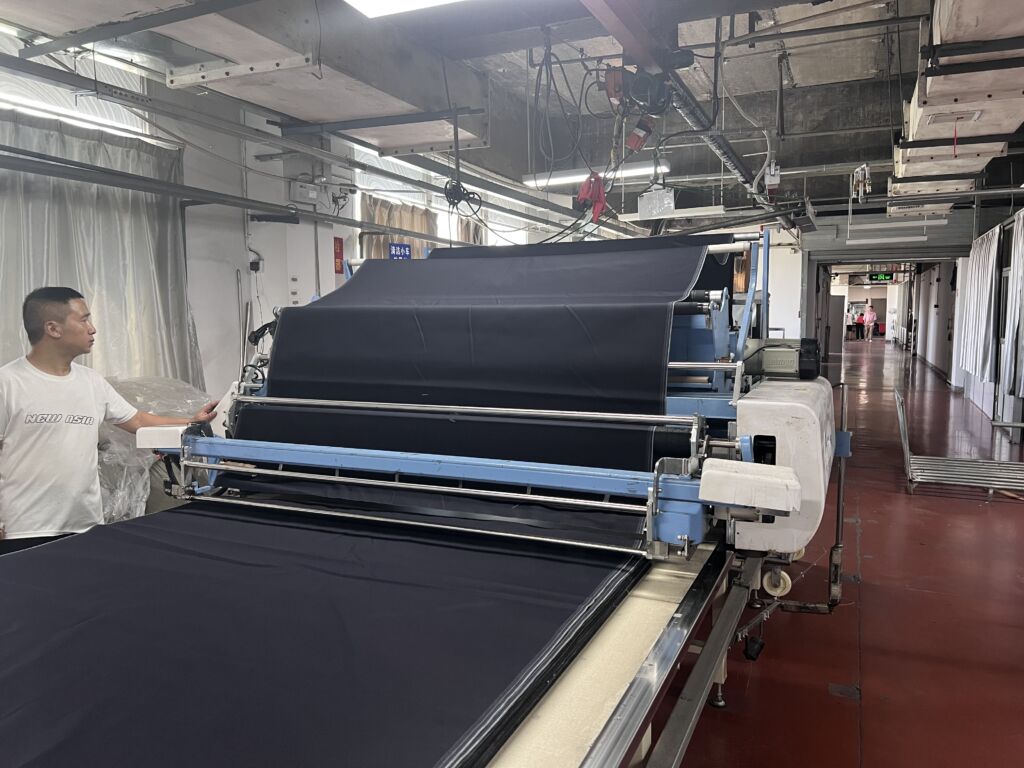
Our Quality Control Process
Systematic inspection checkpoints throughout production ensure defects are caught early and corrected before they become costly problems.
Step 1: Fabric Inspection Before Production
Quality control begins before garment production starts.
At Newasia Garment Co.,Ltd., incoming denim fabrics are inspected for:
| Inspection Item | QC Purpose |
|---|---|
| Fabric shade consistency | Prevent color variation |
| Fabric weight (oz) | Maintain product specifications |
| Fabric defects | Reduce cutting waste |
| Stretch recovery | Ensure fit consistency |
| Fabric shrinkage | Prevent sizing issues |
Bulk fabric rolls are also checked against approved shade bands before cutting begins.
This process helps minimize color inconsistency during bulk washing.
Step 2: Pre-Production (PP) Sample Approval
Pre-production samples are one of the most important checkpoints in denim manufacturing.
Before bulk production starts, PP samples are reviewed for:
- Garment measurements
- Wash appearance
- Stitch quality
- Embroidery placement
- Trim attachment
- Label positioning
- Fit approval
For washed denim garments, shrinkage testing is also performed because enzyme washing and stone washing may affect garment dimensions differently depending on fabric composition.
At Newasia Garment Co.,Ltd., PP sample approval helps identify technical risks before large-scale production begins.
Step 3: Inline Sewing Quality Control
Inline inspection is performed during sewing production to identify problems early.
Many quality issues become significantly more expensive if detected only after bulk production is completed.
Our inline QC team monitors:
| Inspection Area | Common Issues |
|---|---|
| Stitch density | Loose stitching |
| Seam alignment | Twisted panels |
| Pocket attachment | Uneven placement |
| Thread tension | Seam puckering |
| Label attachment | Incorrect branding |
Inline inspections are typically conducted every hour during bulk production.
This reduces defect accumulation and improves production consistency.
Step 4: Denim Wash and Finishing Inspection
Denim washing is one of the highest-risk stages in garment manufacturing.
Wash inconsistency may occur due to:
- Temperature variation
- Chemical imbalance
- Fabric composition differences
- Overwashing
- Incorrect dryer settings
At Newasia Garment Co.,Ltd., washed garments are inspected for:
- Shade consistency
- Hand feel
- Distressing appearance
- Shrinkage stability
- Abrasion balance
- Fabric damage
Wash testing is especially important for garments with laser distressing, embroidery, and vintage finishing effects.
Step 5: Measurement and Size Verification
After washing, garments are measured again to ensure size stability.
Denim garments often experience dimensional changes during washing and drying.
Key measurement points include:
- Chest width
- Body length
- Shoulder width
- Hem opening
- Armhole measurement
Measurement tolerances are reviewed according to buyer specifications.
Step 6: Needle Detection and Safety Inspection
Global brands increasingly require strict garment safety compliance.
At Newasia Garment Co.,Ltd., finished garments pass through needle detection systems to identify potential metal contamination risks.
Safety inspection may include:
- Broken needle detection
- Sharp object inspection
- Trim security testing
- Metal contamination control
This process is especially important for children’s apparel and export programs requiring CPSIA compliance.
Step 7: Final AQL Inspection
Final quality inspection is conducted before shipment.
Most international buyers follow AQL (Acceptable Quality Limit) standards during final inspection.
Typical inspection standards include:
| Defect Type | AQL Level |
|---|---|
| Major defects | 2.5 |
| Minor defects | 4.0 |
Final QC inspection covers:
- Garment appearance
- Measurement accuracy
- Packaging consistency
- Label correctness
- Barcode verification
- Carton inspection
Only approved garments proceed to shipment.
Newasia Garment Co.,Ltd. Quality Control System
Newasia Garment Co.,Ltd. operates a full-stage denim QC system covering:
- Pre-production validation
- Fabric and trim inspection
- In-line production monitoring
- Final AQL inspection
- Packaging audit before shipment
Our QC system is designed to meet the expectations of global fashion brands, ensuring stability, consistency, and scalability for long-term production partnerships.
We are also experienced in supporting production for international brands including Zara, Uniqlo, Gap, Levi’s, Lee, and American Eagle Outfitters.
Why Global Brands Require Strict QC Systems
International fashion brands require strict QC systems to ensure:
- Consistent sizing across markets
- Reliable product quality for retail distribution
- Reduced return rates and production loss
- Strong brand reputation protection
- Predictable large-scale manufacturing output
A robust QC system is not only a manufacturing requirement—it is a brand protection strategy.
Certified Professional Clothing Producer
We are very proud of these certificates! They represent Newasia Garment Co.,Ltd. ’s amazing achievements and accreditations. They show how much we care about quality, safety, and professionalism.
We’re proud to say that we have obtained BSCI and ISO 90001 certificates, and inspection certificates for filling materials such as down and cotton. We follow international standards throughout our production process and take responsibility for the quality of our products.
As one of China’s leading clothing manufacturers, we are pleased to be recognized by respected organizations. These certifications underscore our reliability as a trusted supplier to the global apparel industry.
Trusted Certificates:

Why Choose Us
 Independent base We have our own laboratory and can independently develop fabrics , China  Professional certification Certification: ISO 9001, ISO 14001,BSCI,GRS |  Full-equipped Full-equipped, from fiber manufacturing, yarn spinning, weaving, dyeing and processing to finished product production  Rich experience Professional, large and experienced design team, combined with the latest artificial intelligence technology |  Our Facilities 12,000 skilled employees, daily production capacity exceeds 100,000 pieces  Fashion exhibition Participated in domestic and foreign fashion weeks and exhibitions many times |
Trusted by Global Clients





How Do We Guarantee the Quality
Our quality assurance begins with designing and planning, then continues through every step of the production and post-production inspections. Delivery is not an ending. We still offer money-back guarantee for quality issues.
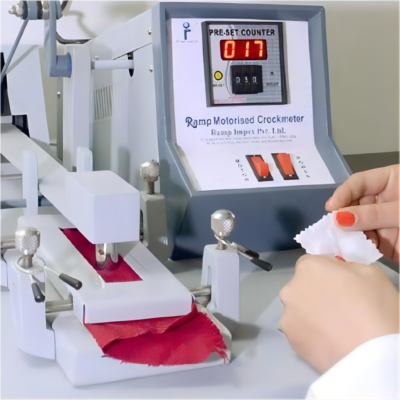
When sourcing fabrics, we will check all related fabric certificates from our suppliers.
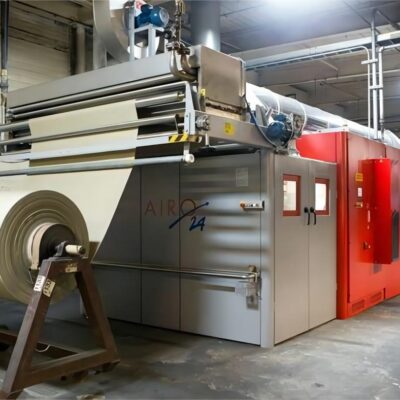
We make sure the fabric is well pre-washed to meet the standards before cutting.
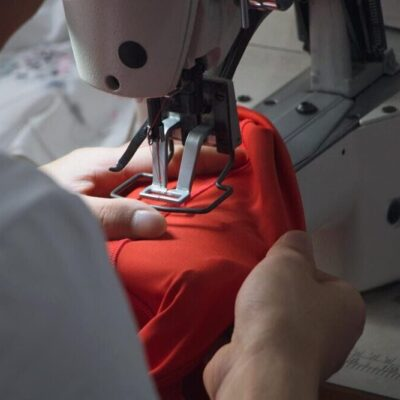
All our workers are well-trained and have many years of experience in the garment industry. They are all local workers with high stability.
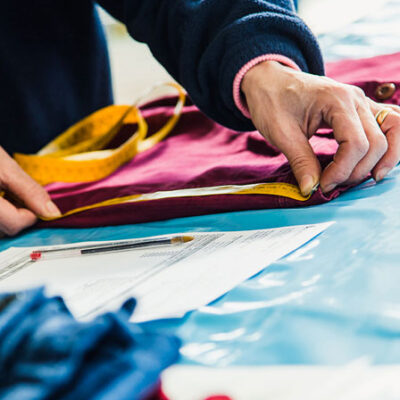
Our quality team will follow SOPs to conduct five times of quality checks before shipping.
Frequently Asked Questions
Q1:What is included in a full denim garment quality control process?
A full denim quality control process includes pre-production inspection, in-line production monitoring, and final quality control before shipment. It covers fabric testing, measurement verification, stitching inspection, wash consistency checks, and final AQL inspection to ensure product consistency for global brands.
Q2:Why is pre-production quality control important in denim manufacturing?
Pre-production quality control ensures that all materials, trims, and technical specifications are approved before bulk production begins. This step helps prevent costly production errors such as incorrect wash effects, fabric shrinkage issues, or inconsistent sizing.
At Newasia Garment Co.,Ltd., no bulk production starts without confirmed sample approval and technical validation.
Q3:What is AQL inspection in garment quality control?
AQL (Acceptable Quality Level) inspection is a standardized sampling method used to evaluate product quality before shipment. It defines the maximum number of acceptable defects in a production batch.
AQL inspection is widely used by global fashion brands to ensure consistent quality in large-scale denim production.
Q4:How do global brands ensure consistent denim quality across large production orders?
Global brands rely on structured QC systems that include:
- Pre-production sample approval
- Fabric and trim testing
- In-line production inspections
- Final AQL inspection
Factories like Newasia Garment Co.,Ltd. apply these processes to maintain consistent quality across bulk production.
Q5:What are the most common quality issues in denim garments?
Common denim quality issues include:
- Uneven wash effects
- Shrinkage after washing
- Misaligned stitching or embroidery
- Color variation between batches
- Defects in buttons, rivets, or zippers
Proper QC systems help detect and eliminate these issues before shipment.
Q6:Does Newasia Garment Co.,Ltd. support OEM and ODM denim manufacturing?
Yes. Newasia Garment Co.,Ltd. provides full OEM and ODM denim manufacturing services, including design development, sampling, production, and quality control.
We support private label brands and have experience working with international fashion brands such as Zara, Uniqlo, Gap, Levi’s, Lee, and American Eagle Outfitters.
Q7:What is the difference between in-line QC and final QC?
In-line QC is performed during production to detect defects early, while final QC is conducted before shipment to ensure finished garments meet buyer requirements.
Both steps are essential for maintaining consistent denim quality in large-scale manufacturing.
Q8:How long does denim quality inspection take before shipment?
Final inspection time depends on order size and complexity. Typically, AQL inspection and final QC take 1–3 days before shipment approval.
Q9:Why is quality control critical for private label denim brands?
Private label brands rely on consistent product quality to build brand reputation. Effective quality control ensures that every batch meets design, sizing, and wash consistency standards, reducing return rates and improving customer satisfaction.
Conclusion
Denim garment quality control is not limited to final inspection. Effective QC management starts before production begins and continues throughout fabric sourcing, sewing, washing, finishing, and shipment preparation.
For global fashion brands, selecting a manufacturing partner with professional QC systems can significantly reduce production risks and improve long-term supply chain stability.
At Newasia Garment Co.,Ltd., we continue providing reliable OEM denim manufacturing solutions supported by comprehensive quality control management from pre-production to final shipment.Contact our team to discuss your next denim manufacturing program.
- Movement Fit Testing for Apparel: How to Check Ride-Up, Slippage, and Range of Motion
- Pre-Production Sample Approval: What Brands Should Lock Before Bulk Production
- Custom Sports Jersey Manufacturing Quality Control: A Global Manufacturing Guide
- Bulk Print and Embroidery Quality Control for Custom Apparel
- Activewear Fabric Approval Before Bulk: Opacity, Stretch, Recovery and Breathability