
Introduction
In modern denim design, achieving the perfect worn and vintage look is crucial for brand identity. Secondary distressing is a key technique that allows brands to create unique, custom jeans that stand out in the market.
At Newasia Garment Co.,Ltd., we specialize in OEM & ODM denim manufacturing, helping fashion brands worldwide turn their custom distressing concepts into high-quality production pieces.
We are a trusted manufacturing partner for brands such as American Eagle Outfitters, Uniqlo, Zara, Gap, Levi’s, and Lee, providing consistent quality and precise control over every step of the production process.
What is Secondary Distress in Jeans?
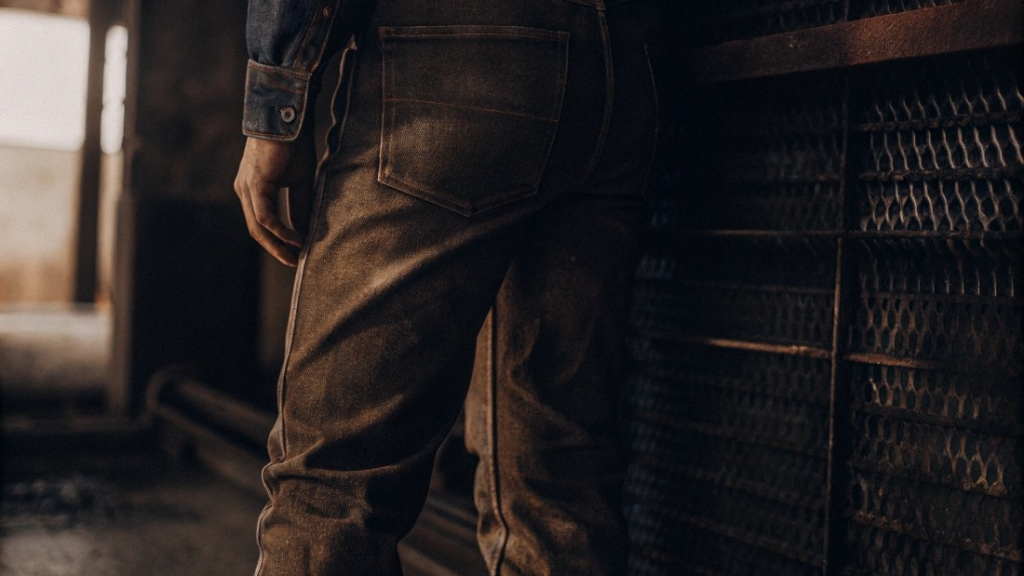
Secondary distressing refers to the post-production techniques applied to jeans after the initial wash and primary distressing. Unlike primary distress, which includes standard fading, whiskering, or basic abrasions, secondary distressing adds subtle, strategic wear patterns—like slight frays, soft edge fading, and realistic creases—giving jeans a natural, vintage-inspired appearance.
Think of it as the final brushstroke that transforms ordinary denim into statement pieces that look authentically worn, without compromising fabric integrity.
Why Secondary Distress Matters for Custom Jeans
- Enhanced Visual Appeal
Secondary distress creates a premium, curated look that immediately catches the eye. Consumers today want jeans that feel personal, not mass-produced, and subtle distressing achieves that perfect balance. - Customization for Brand Identity
With secondary distress, brands can offer bespoke denim—from carefully frayed pockets to faded knees—allowing your designs to reflect your brand’s aesthetic and story. - Improved Wearability
Well-executed secondary distressing not only looks stylish but also softens denim, improving comfort and making the jeans easier to wear from day one. - Higher Perceived Value
Custom jeans with detailed secondary distressing are often perceived as luxury or designer-quality, which can justify higher price points and increase customer satisfaction.
Primary vs Secondary Distress
| Aspect | Primary Distress | Secondary Distress |
|---|---|---|
| Stage | Before/early wash process | After base wash |
| Purpose | Basic aging effect | High-end visual detail |
| Techniques | Stone wash, enzyme wash | Hand sanding, laser, scraping |
| Visual Result | General fading | Targeted natural wear |
| Brand Use | Mass-market denim | Premium & fashion denim |
Key Abrasion & Distressing Techniques for Custom Jeans
1. Manual Distressing Methods
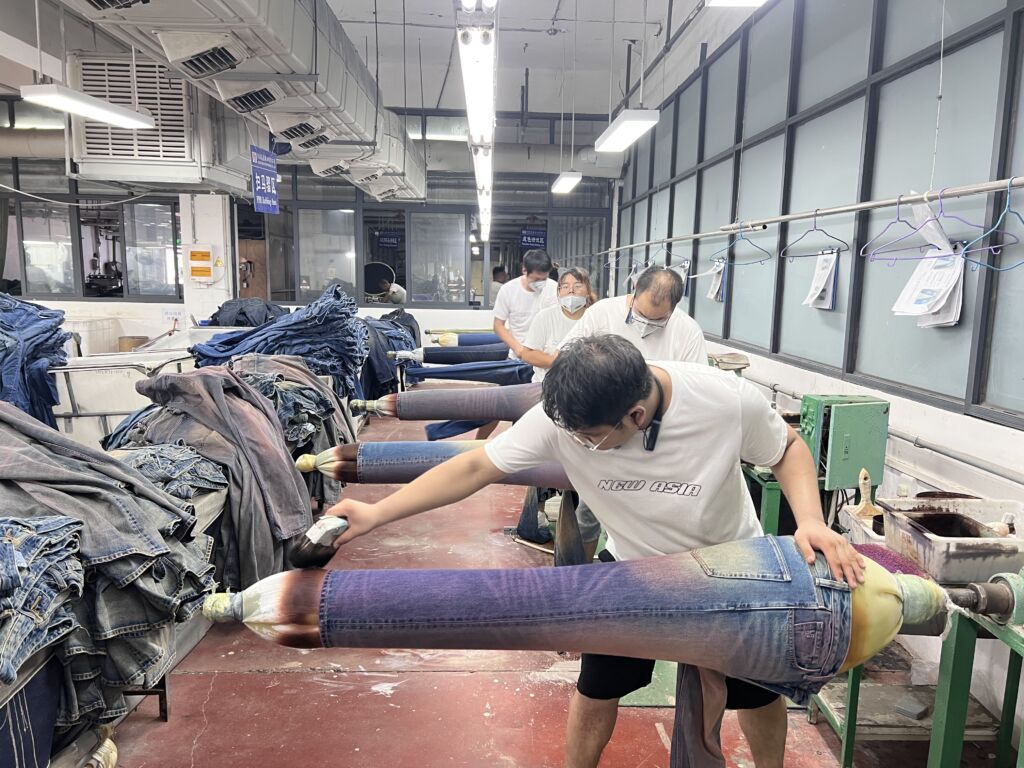
- Hand-sanding & scraping: Use sandpaper or pumice stone on thighs, knees, and pockets for natural fading.
- Grinding & fraying: Create edge wear on hems and seams using tools like files or abrasives.
- Cut & pluck: Make small cuts, then pull vertical threads to reveal clean white warp yarns for authentic rips.
2. Advanced Industrial Treatments
- Laser distressing: Digital, high-precision fading for consistent whiskers and patterns.
- Ozone & enzyme washing: Softens fabric and creates a vintage, worn-in finish with less water usage.
- Potassium permanganate (PP): Used for high-contrast bleaching effects before neutralizing washes.
3. Strategic Distressing Placement
- Whiskers on thighs and honeycombs behind knees
- Tears only on natural stress points for realism
- Pair distressing with premium hardware (rivets, leather patches)
4. Premium Embellishment Techniques
- Visible mending with contrast stitching (e.g., sashiko style)
- Inner patching with plaid, denim, or bandana fabrics for layered detail
Result: Strategic abrasion transforms basic denim into premium, high-value custom jeans with stronger brand appeal.
Types of Custom Distressing Techniques
At Newasia Garment Co.,Ltd., we offer a wide range of secondary distressing options, including:
- Whiskering – subtle faded lines around the hips and knees
- Sandblasting – controlled abrasion for a worn appearance
- Hand sanding – manual finishing for precision areas
- Vintage tearing & patching – adds authenticity to custom jeans
- Enzyme wash or chemical fading – creates natural color variations
These techniques can be combined to achieve a truly unique brand-specific denim look.
Secondary Distress for Custom Jeans: Techniques, Placement & Tools Guide
Quick Answer:
Secondary distressing enhances your jeans after the primary wash. You can add subtle fading, whiskers, fraying, rips, or laser effects for a premium, lived-in look.
Dive Deeper: Creative Secondary Distress Ideas
1. Distressing Techniques
- Hand-sanding & scraping: Lightly sand thighs, knees, and pockets for natural fading.
- Grinding & fraying: Fray hems, belt loops, and pocket edges with a Dremel or files.
- Cut & pluck: Make small cuts and remove vertical threads to reveal white core yarns.
2. Advanced Treatments
- Laser distressing: High-precision patterns for whiskers or fades without water.
- Ozone & enzyme washing: Softens fabric and adds a broken-in feel.
- Potassium permanganate (PP): Creates high-contrast bleaching on stress zones.
3. Strategic Placement for High Value
- Whiskers on lap and honeycombs behind knees
- Holes only on natural wear points
- Pair with premium hardware like custom rivets or leather patches
4. Premium Embellishments
- Visible mending: Sashiko or contrast stitching for artisanal flair
- Layered patches: Use denim, plaid, or bandana under distressed areas for a unique look
Materials & Tools Needed
| Method | Materials/Tools |
|---|---|
| Hand-sanding | Sandpaper, pumice stone |
| Grinding & Fraying | Dremel, files, scissors |
| Cut & Pluck | Scissors, tweezers |
| Laser Distress | Laser machine (factory) |
| Ozone/Enzyme Wash | Professional laundry setup |
| PP Bleach | PP solution, protective gear |
| Visible Mending | Needle, thread, sashiko stitching |
| Layered Patches | Fabric patches, sewing kit |
Secondary distressing transforms standard denim into high-value, custom jeans that stand out in style, quality, and craftsmanship.
Secondary Distress Trends in 2026
- 90s & Y2K Revival: Subtle frays, straight-leg silhouettes, and faded knees are making a huge comeback.
- Sustainable Denim: Eco-friendly distressing techniques that reduce water and chemical use are gaining popularity.
- Personalized Denim: Consumers increasingly value custom, one-of-a-kind pairs, making secondary distressing a key selling point.
How Secondary Distress is Made in OEM Production
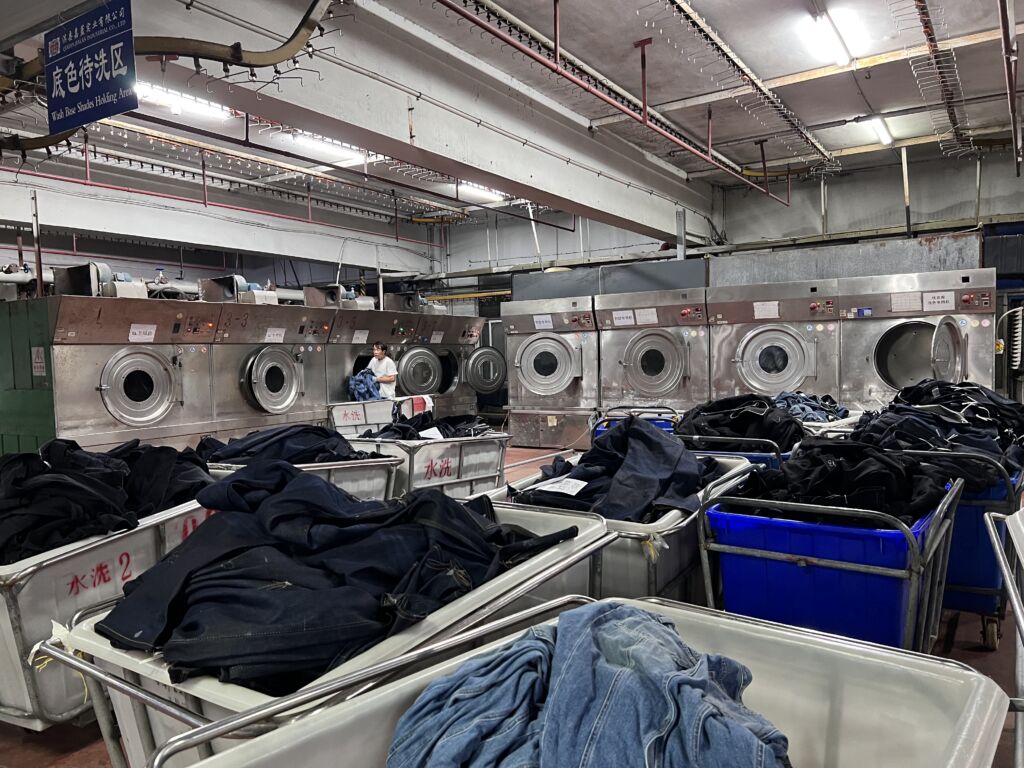
At Newasia Garment Co., Ltd., the process is strictly controlled:
Step 1: Base Garment Washing
- Enzyme wash or stone wash
- Establish basic fade tone
Step 2: Drying & Stabilization
- Fabric is stabilized to prevent distortion
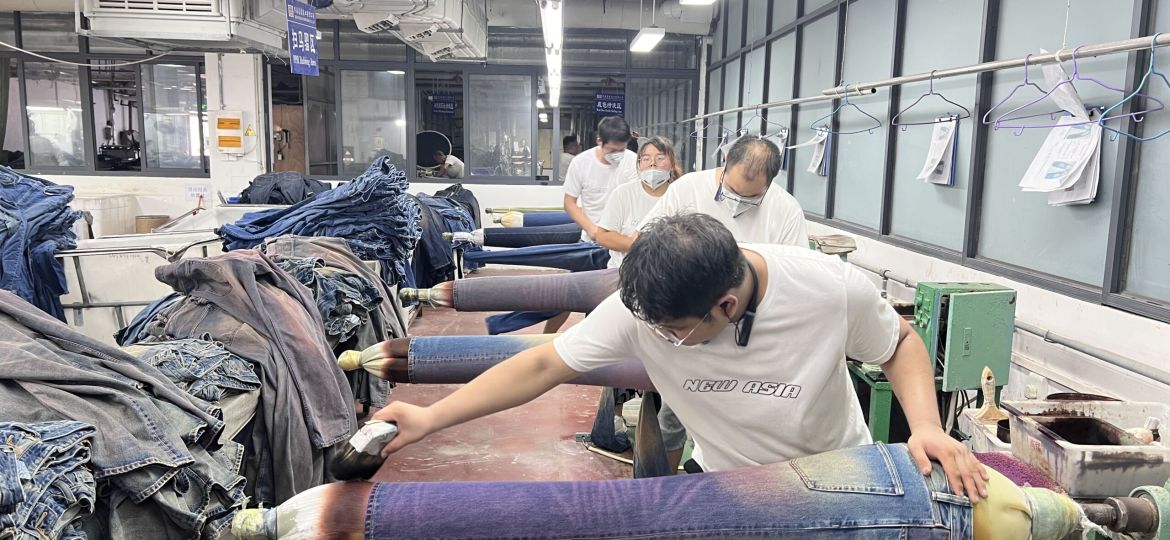
Step 3: Secondary Hand Distressing
- Skilled technicians apply:
- sanding blocks
- grinding tools
- controlled abrasion patterns
Step 4: Laser or Chemical Refinement
- Enhances symmetry and precision
Step 5: Color Rebalancing
- Spray tint or pigment correction
Step 6: Final QC Inspection
- Each batch checked for:
- consistency
- abrasion depth
- color uniformity
Trusted Denim Manufacturer: Newasia Garment Co., Ltd.
Newasia Garment Co., Ltd. is a professional denim manufacturer specializing in custom jeans development and advanced wash techniques, including secondary distress finishing.
We work with global fashion brands such as:
American Eagle Outfitters, Uniqlo, Zara, Gap, Levi’s, and Lee
Our strengths include:
- Advanced denim wash and distress development
- Stable mass production with consistent finishing quality
- OEM & ODM support for global fashion brands
- Strict quality control across all production stages
With deep experience in premium denim manufacturing, we help brands translate design concepts into scalable commercial products.
Our advantages:
- Stable large-scale distressing production
- Skilled manual finishing teams
- Advanced laser + hand hybrid techniques
- Strict QC system for denim consistency
- Flexible OEM/ODM development support
👉 This ensures every batch matches brand-level quality standards.
faq abut Secondary Distress for Custom Jeans
Q1: What is secondary distress in jeans?
Secondary distress refers to additional wear, fading, or design effects applied after the primary wash to give jeans a more natural, lived-in, and premium look.
Q2: What techniques are used for secondary distressing?
Common techniques include:
- Hand-sanding & scraping
- Grinding & fraying edges
- Cut & pluck threads for small rips
- Laser distressing for precise whiskers or fades
- Ozone or enzyme washes for softness
- Potassium permanganate (PP) bleaching for contrast
Q3: Can I customize the placement of distressing?
Yes. Strategic placement adds value. Popular zones include whiskers on the thighs, honeycombs behind knees, and holes only at natural stress points.
Q4: How can secondary distressing be combined with premium embellishments?
You can add:
- Visible mending with sashiko or contrast stitching
- Layered fabric patches like denim, plaid, or bandana under holes
- Upgraded hardware like custom rivets or leather patches
Q5: Is secondary distressing safe for fabric durability?
When done correctly by skilled manufacturers, secondary distressing preserves fabric strength while enhancing style. Using professional techniques and controlled processes is key.
Q6: Can I do secondary distressing at home?
Simple techniques like hand-sanding, fraying, or small cut-and-pluck designs can be done at home. Advanced methods like laser distressing or enzyme washing require professional equipment.
Q7: Why is secondary distressing important for custom jeans brands?
It elevates the perceived value, creates unique, signature designs, and aligns your products with premium denim trends, helping your brand stand out in the market.
Conclusion
Secondary distress is not just a finishing technique—it is a strategic design decision. When executed correctly, it elevates custom jeans from simple apparel into a branded product with strong identity and retail appeal.
For B2B buyers, success depends on more than just finding a factory. It requires clear specification, controlled sampling, and a manufacturing partner who understands how to balance creativity with production stability.
If your brand is planning a custom denim collection, secondary distress is one of the most effective ways to build differentiation in a crowded market—especially when working with experienced OEM denim manufacturers in China.
Read more
- How to Investigate a Garment Quality Claim: From Symptom to Root Cause and CAPA
- Garment Packaging Quality Control: Preventing Creases, Print Damage and Shape Distortion
- How to Validate Pocket Function and Placement Before Bulk Production
- How to Standardize Fabric Hand Feel Across Production Lots
- Movement Fit Testing for Apparel: How to Check Ride-Up, Slippage, and Range of Motion