
The global denim market continues to evolve rapidly, with 2026–2027 forecasted trends emphasizing sustainable fabrics, versatile washes, and innovative silhouettes. For B2B buyers and private label brands, understanding these trends is crucial for product development and timely production scheduling.
At Newasia Garment Co.,Ltd., we provide OEM and ODM denim solutions for international fashion brands. We are proud to collaborate with brands such as American Eagle Outfitters, Uniqlo, Zara, Gap, Levi’s, and Lee, delivering trend-aligned collections with consistent quality control.
Denim Trends for 2026–2027
The upcoming denim season will see a mix of vintage aesthetics, eco-friendly fabrics, and innovative finishing techniques:
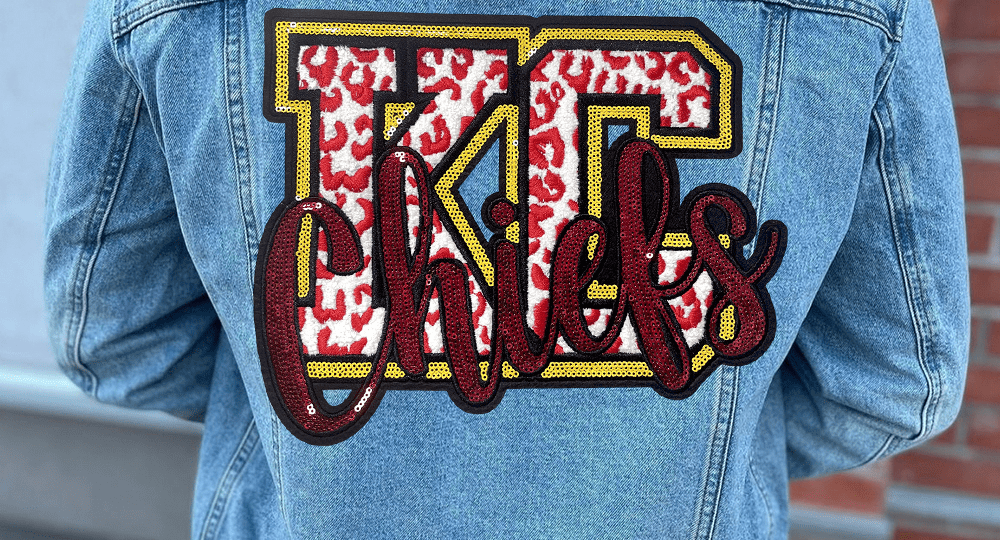
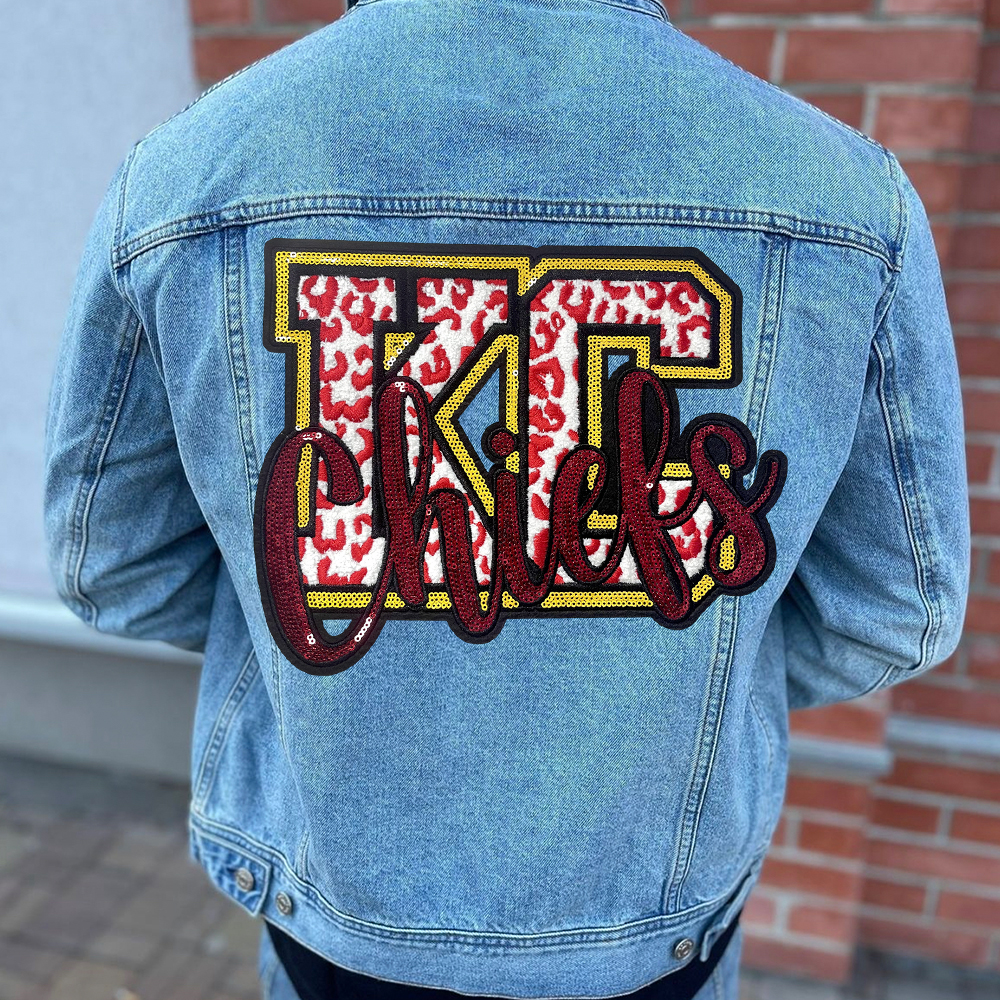
- Style Trends: Oversized silhouettes, patchwork, embroidered accents, and streetwear-inspired cuts
- Fabric Trends: Organic and sustainable denim, stretch blends, selvedge and premium yarn-dyed fabrics
- Wash & Finish Trends: Laser distressing, enzyme wash, hand sanding, and eco-friendly finishing techniques
B2B buyers can leverage these insights to plan their private label collections and align production accordingly.
Why Denim Remains a Core Category for Global Buyers
Despite fast-changing fashion cycles, denim continues to dominate global apparel sourcing due to:
- Strong year-round demand
- High durability and resale value
- Cross-category versatility (streetwear, luxury, workwear)
- Stable manufacturing infrastructure
- Strong private label potential
From fashion retailers to Amazon sellers and boutique brands, denim remains a high-margin product category when properly planned and produced.
Denim Apparel Trend Forecast 2026–2027
The next two years will be shaped by innovation in fabric technology, sustainability, and design evolution.
1. Sustainable Denim Becomes Industry Standard
By 2026–2027, sustainability is no longer optional—it becomes a baseline requirement.
Key developments include:
- Low-water dyeing systems
- Ozone and laser finishing replacing chemical washes
- Recycled cotton blends
- Organic denim fabrics
- Closed-loop production systems
B2B buyers will increasingly request certifications such as OEKO-TEX and GRS-compliant materials.
2. AI-Driven Design and Digital Denim Sampling
Digital transformation is accelerating product development cycles.
Expected trends:
- AI-generated denim washes
- 3D virtual fitting samples
- Digital prototyping replacing physical samples
- Automated pattern optimization
This reduces sampling time from weeks to days, improving speed-to-market.
3. Oversized and Relaxed Silhouettes Continue
From 2026 into 2027, denim silhouettes remain relaxed:
- Baggy jeans
- Wide-leg trousers
- Oversized denim jackets
- Loose-fit denim vests
Slim-fit denim remains niche, primarily in premium or tailored collections.
4. Vintage Revival and Y2K Evolution
Vintage aesthetics evolve rather than disappear.
Key directions:
- Heavy wash contrasts
- Distressed finishes
- Patchwork denim
- Retro embroidery graphics
- 90s–2000s inspired cuts
Laser distressing continues to replace manual destruction techniques for consistency.
5. Functional Workwear Influence Expands
Utility-driven denim becomes more mainstream:
- Multi-pocket designs
- Reinforced seams
- Hybrid cargo denim
- Technical denim fabrics with stretch and durability
This trend bridges fashion and performance wear.
6. Customization and Private Label Growth
B2B demand for customization continues rising:
- Small MOQ production
- Brand-specific washes
- Embroidery personalization
- Exclusive denim capsules
Private label denim manufacturing becomes a key growth driver for wholesalers and DTC brands.
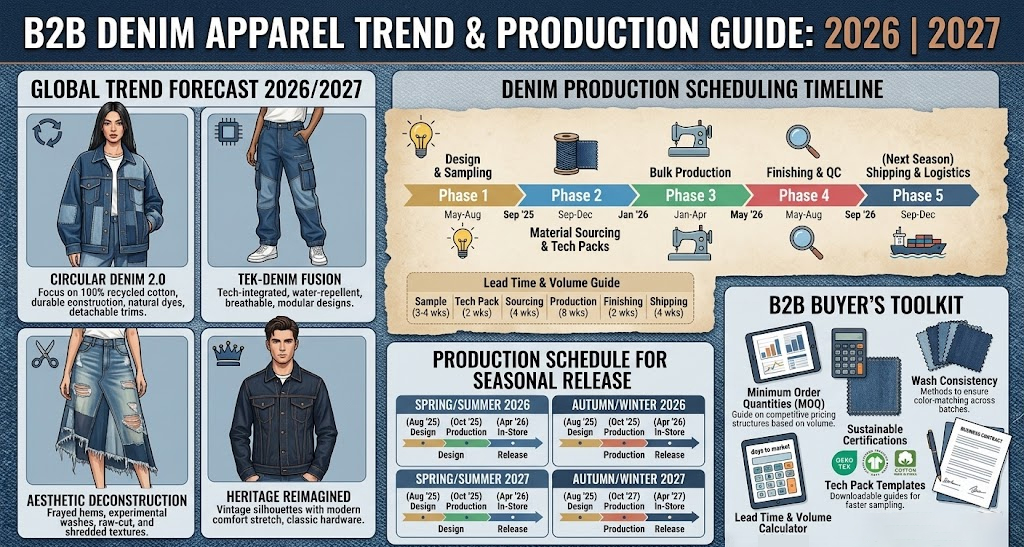
Production Scheduling for B2B Denim Apparel
1. Order Planning & Forecasting
- Demand Analysis: Review seasonal trends, SKU mix, and client forecasts for denim styles
- MOQ & Lead Time Confirmation: Verify order quantity vs factory capacity
- Production Calendar: Tentative timeline for each stage from fabric arrival to shipment
2. Denim Fabric & Trim Procurement
- Fabric Selection: Indigo 10–14 oz, stretch (1–3% elastane) or rigid denim
- Trim Ordering: Buttons, rivets, zippers, labels, patches
- Supplier Verification: ISO 9001, Oeko-Tex® compliance, delivery schedule
- Buffer Planning: Extra yardage and trims to prevent production delays
3. Pre-Production Sampling
- Proto Sample Creation: Initial denim garment per tech pack
- Client Approval: Fit, rise, leg shape, pocket placement, wash effects
- Adjustments: 1–3 rounds of revisions for sizing, wash, and finishing
4. Production Scheduling & Line Planning
- Line Allocation: Assign cutting, sewing, washing, and finishing lines
- Manpower & Equipment Planning: Operator hours, machine reservation for high-volume production
- Workflow Coordination: Ensure each stage feeds smoothly into the next
5. Cutting & Sewing Operations
- Marker Planning: Optimize fabric yield while maintaining grainline alignment
- Sewing Sequence: Chainstitch hems, bartack reinforcements, branded hardware attachment
- In-Line QC Checks: Stitch density, seam strength, pocket placement, thread trimming
6. Finishing, Wash & Treatments
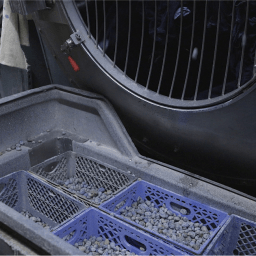
- Wash Scheduling: Stone, enzyme, sandblast, over-dyed, or resin finish
- Quality Verification: Check color consistency, hand feel, shrinkage, and distress placement
- Final Finishing: Pressing, hand sanding, whiskering, and patch/label attachment
7. Quality Control & Packing
- Final QC: AQL sampling, dimensional tolerance check (±1 cm), colorfastness, stitching
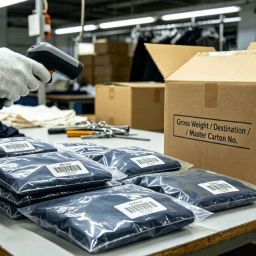
- Packing & Labeling: Fold method, polybags, hangtags, carton labeling per client spec
- Shipment Scheduling: Container booking, documentation, and dispatch coordination
Stage Comparison Table for Denim Apparel
| Stage | Typical Duration | Key Deliverable | Risk if Rushed |
|---|---|---|---|
| Order Planning & Forecasting | 1–2 weeks | Confirmed production calendar | Misaligned production, delayed shipment |
| Denim Fabric & Trim Procurement | 2–4 weeks | Approved fabrics & trims | Stockouts, quality issues, late start |
| Pre-Production Sampling | 2–3 weeks | Client-approved proto samples | Fit errors, inconsistent wash |
| Production Scheduling & Line Planning | 1 week | Optimized line allocation | Bottlenecks, inefficient workflow |
| Cutting & Sewing | 4–6 weeks | Bulk production garments | Production defects, wasted fabric |
| Finishing & Wash | 1–3 weeks | Finished, washed garments | Color inconsistency, shrinkage, damage |
| Quality Control & Packing | 1 week | QA-approved, packed cartons | Returns, brand reputation risk |
Most In-Demand Denim Categories (2026–2027)
For B2B buyers planning collections, these categories will dominate:
- Oversized denim jackets
- Baggy jeans
- Cargo denim pants
- Embroidered denim vests
- Vintage washed denim sets
- Sustainable organic denim lines
These styles offer strong wholesale and retail conversion potential.
OEM/ODM Capabilities of Newasia Garment Co.,Ltd.
We offer comprehensive solutions for B2B buyers, including:
- Custom denim fabrication and sourcing
- Laser distressing and embroidery integration
- Technical guidance on trend implementation
- Inline QC and final AQL inspection
- Flexible MOQ for emerging brands and scalable production for established labels
By aligning trend forecasts with production capabilities, we help brands reduce sourcing risks and accelerate time-to-market.
How Newasia Garment Secures Your 2026/2027 Denim Programs:
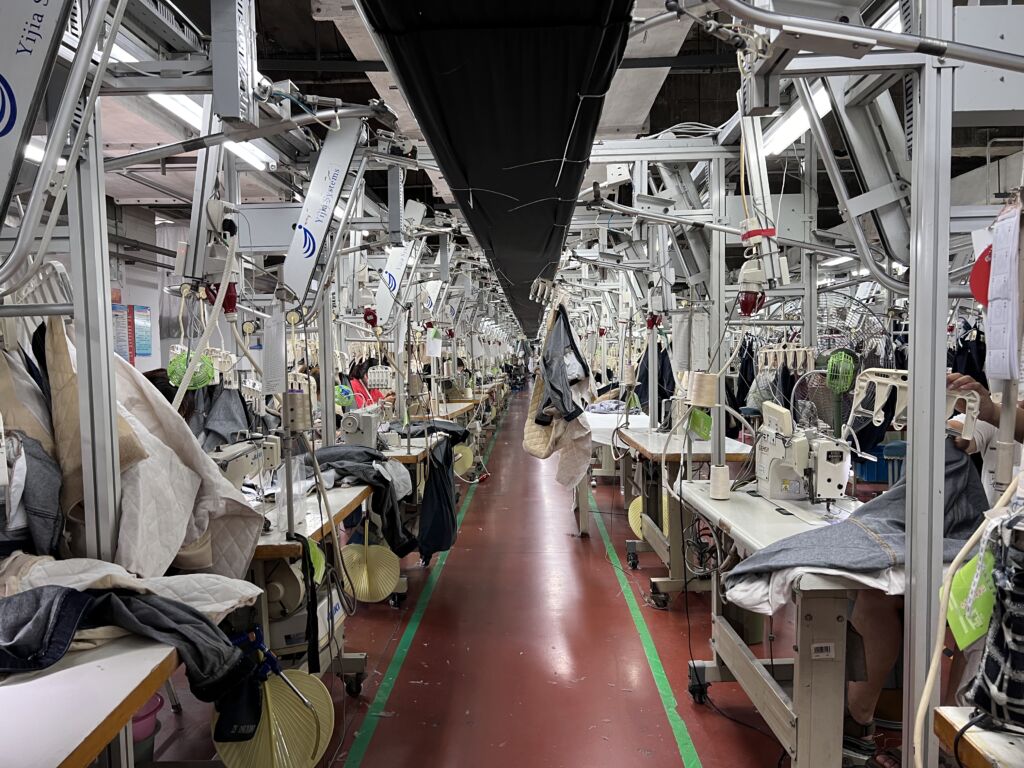
- Advanced Sustainable Infrastructure: Our facilities utilize state-of-the-art laser finishing and eco-friendly ozone washing machines. This allows us to achieve the exact vintage aesthetics predicted for 2026/2027 while drastically reducing water consumption and ensuring total compliance with international environmental standards.
- Precision Scheduling Systems: Having refined our production workflows alongside highly demanding global brands like Zara and Uniqlo, our scheduling is flawless. We provide B2B buyers with absolute transparency, real-time milestone tracking, and guaranteed delivery windows.
- Robust Material Supply Networks: Our deep relationships with top-tier, certified sustainable material suppliers ensure that Newasia Garment clients receive priority access to the regenerative cotton, hemp, and recycled yarns required for next-generation denim lines.
Certified Professional Clothing Producer
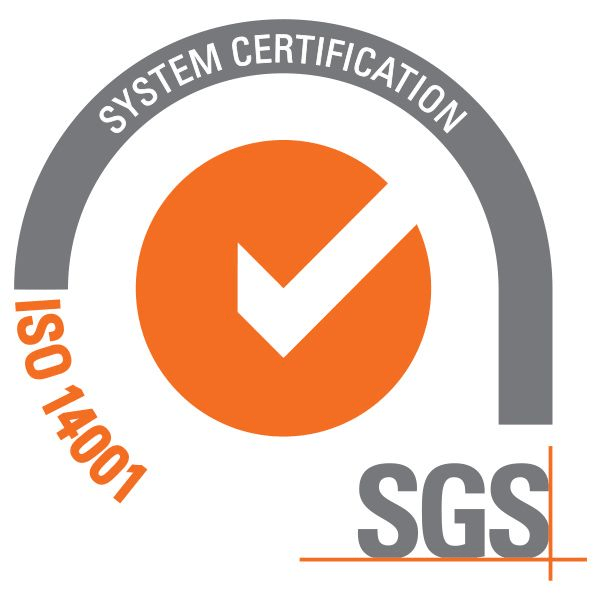
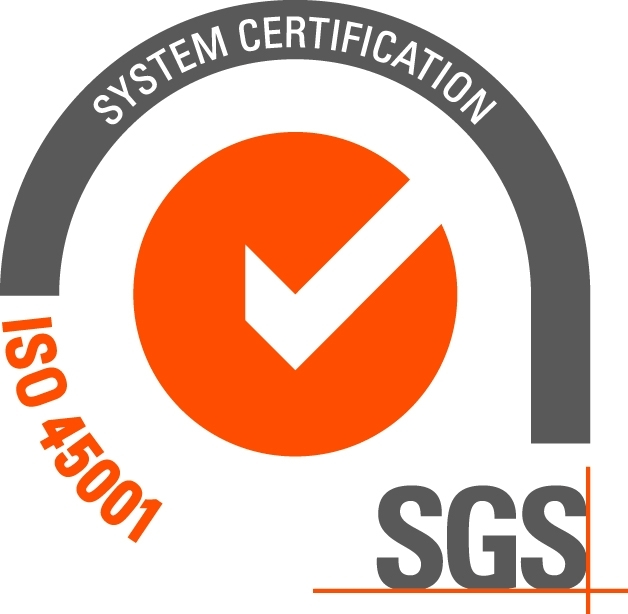
We are very proud of these certificates! They represent Newasia Garment Co.,Ltd. ’s amazing achievements and accreditations. They show how much we care about quality, safety, and professionalism.
We’re proud to say that we have obtained BSCI and ISO 90001 certificates, and inspection certificates for filling materials such as down and cotton. We follow international standards throughout our production process and take responsibility for the quality of our products.
As one of China’s leading clothing manufacturers, we are pleased to be recognized by respected organizations. These certifications underscore our reliability as a trusted supplier to the global apparel industry.
Trusted Certificates:



Why Choose Us
 Independent base We have our own laboratory and can independently develop fabrics , China  Professional certification Certification: ISO 9001, ISO 14001,BSCI,GRS |  Full-equipped Full-equipped, from fiber manufacturing, yarn spinning, weaving, dyeing and processing to finished product production  Rich experience Professional, large and experienced design team, combined with the latest artificial intelligence technology |  Our Facilities 12,000 skilled employees, daily production capacity exceeds 100,000 pieces  Fashion exhibition Participated in domestic and foreign fashion weeks and exhibitions many times |
Trusted by Global Clients












How Do We Guarantee the Quality
Our quality assurance begins with designing and planning, then continues through every step of the production and post-production inspections. Delivery is not an ending. We still offer money-back guarantee for quality issues.
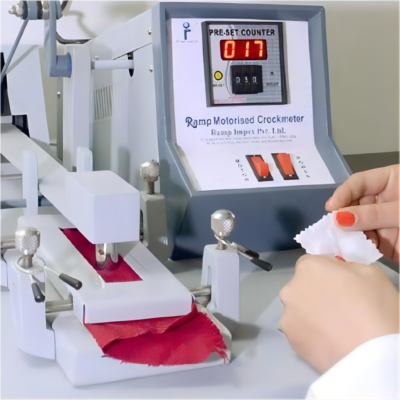
When sourcing fabrics, we will check all related fabric certificates from our suppliers.
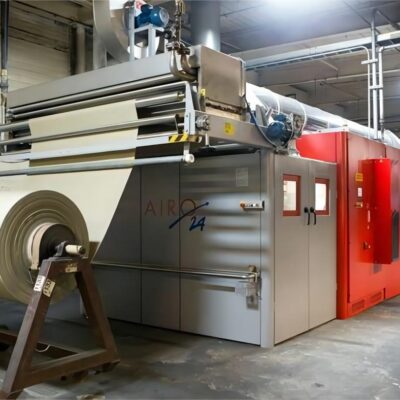
We make sure the fabric is well pre-washed to meet the standards before cutting.
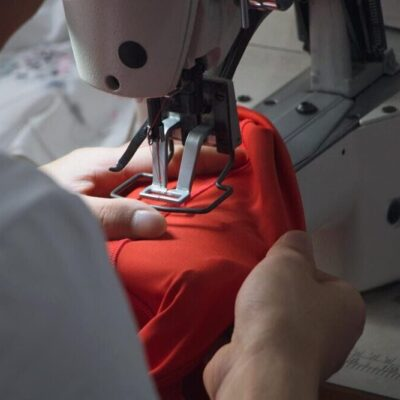
All our workers are well-trained and have many years of experience in the garment industry. They are all local workers with high stability.
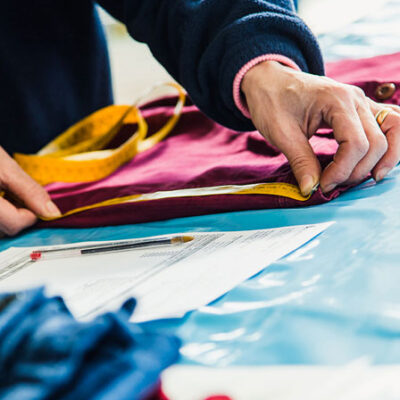
Our quality team will follow SOPs to conduct five times of quality checks before shipping.
Frequently Asked Questions
Q1: How can B2B buyers use trend forecasts for production planning?
A1: Trend forecasts provide insights on fabrics, washes, and silhouettes, allowing buyers to finalize designs and align production schedules in advance.
Q2: What is the typical production timeline for private label denim?
A2: Depending on design complexity, sampling and bulk production typically require 10–14 weeks from tech pack approval to delivery.
Q3: Does Newasia Garment Co.,Ltd. offer full OEM/ODM services?
A3: Yes. We provide design support, sampling, bulk production, QC, and logistics for private label and global brand collections.
Q4: How do you ensure production consistency for B2B buyers?
A4: Our in-line QC, AQL final inspection, and batch tracking systems maintain consistent quality and timely delivery.
Conclusion
The denim apparel market in 2026–2027 is evolving toward sustainability, digital production, and highly flexible customization. For B2B buyers, success depends not only on understanding fashion trends but also on mastering production scheduling and OEM coordination.
Brands that align early with manufacturers, optimize production timelines, and adopt data-driven sourcing strategies will achieve stronger margins, faster market entry, and more stable supply chains.
In the next two years, competitive advantage will belong to buyers who combine trend forecasting with operational excellence in denim production planning.Contact Newasia Garment Co.,Ltd. today to discuss your private label denim projects, secure trend-aligned samples, and plan production for the 2026–2027 collections.
Read more: Denim Apparel Trend Forecast 2026–2027 and Production Scheduling for B2B Buyers
- How to Validate Pocket Function and Placement Before Bulk Production
- How to Standardize Fabric Hand Feel Across Production Lots
- Movement Fit Testing for Apparel: How to Check Ride-Up, Slippage, and Range of Motion
- Pre-Production Sample Approval: What Brands Should Lock Before Bulk Production
- Custom Sports Jersey Manufacturing Quality Control: A Global Manufacturing Guide