
The Real Custom Hoodie Cost Breakdown: How Apparel Manufacturers Price Overseas Orders
For fashion brand managers, streetwear founders, and supply chain directors sourcing worldwide, calculating the true manufacturing expense of custom hoodies is often far more complex than a simple per-unit quote. A manufacturer’s initial price tag only reflects part of the equation; hidden development fees, fabric consumption yield losses, specialized decoration passes, and shipping tariffs can quickly erode your planned profit margins.
Whether you are producing heavyweight 500 GSM French terry hoodies or lightweight fleece zip-ups, a granular custom hoodie cost breakdown gives you the analytical leverage needed to negotiate factory prices, eliminate material waste, and optimize unit economics across global production lines.
This comprehensive guide breaks down the core cost pillars of custom hoodie production, how material yield and structural specs drive manufacturing fees, and how partnering directly with experienced export facilities safeguards both your design vision and bottom line.
1. The Core Components of Custom Hoodie Manufacturing Costs
A factory-level Cut, Make, and Trim (CMT) or Fully Factored (FOB) price breakdown consists of five major operational expense categories:
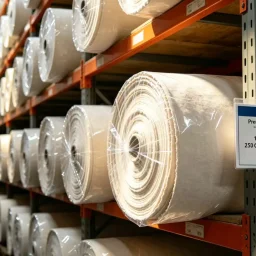
- Primary Shell Fabric (40%–50% of Unit Cost): The largest single financial driver. Fabric pricing is calculated by weight (GSM), fiber content (e.g., 100% combed cotton, cotton-poly fleece, or recycled blends), and total linear meter consumption per garment. Higher GSM fleece inherently increases raw material costs.
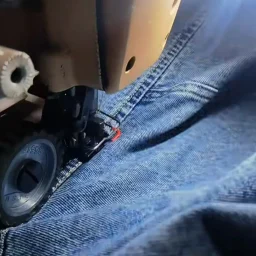
- CMT Labor & Sewing Minutes (20%–30% of Unit Cost): The total time required on the assembly line to cut, sew, overlock, and finish the garment. Hoodies are complex items requiring double-layered hood construction, kangaroo pocket attachment, ribbed cuff and hem binding, and coverstitching.
- Trims & Hardware (10%–15% of Unit Cost): Includes ribbing (1×1 or 2×2 heavy cotton rib), flat or round drawstrings, metal or plastic aglets, custom-engraved eyelets, neck tape, zippers for full-zip styles, and brand/care labels.
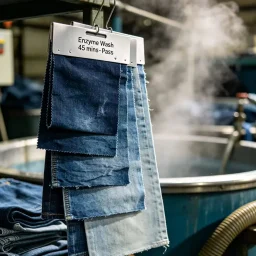
- Decoration & Surface Treatments (10%–15% of Unit Cost): Screen printing (puff ink, discharge, or plastisol), high-density embroidery, chenille patches, or custom garment dyeing (e.g., acid wash, vintage wash, or pigment dye).
- Packaging, QC & Export Freight (5%–10% of Unit Cost): Polybags, hangtags, master carton packing, third-party quality inspections, and port-to-port logistics.
2. How Fabric Consumption Yields and GSM Impact Your Bottom Line
A common financial mistake when scaling hoodie production is ignoring pattern marker efficiency and fabric wastage margins.
- Pattern Marker Yields: A standard adult hoodie requires roughly 1.3 to 1.8 linear meters of fabric depending on silhouette width, pocket construction, and hood size. Placing pattern pieces efficiently across a 180cm fabric width minimizes empty cutting table space.
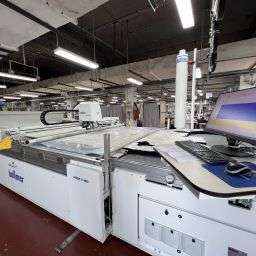
- Accounting for Cutting Waste: Fabric cutting inherently creates 5% to 8% scrap loss. If a design features custom-dyed panels, mismatched seam angles, or specialized pattern matching, wastage can rise to 12%–15%, raising the net fabric cost per hoodie.
- GSM vs. Shipping Freight Rates: Choosing a heavy 450 GSM fleece increases both raw fabric costs and air/sea freight charges due to weight and volume limits per shipping container.
3. The Internal Skeleton: Protecting Hood Geometry and Seam Durability
While primary fleece and bold back-prints attract customer attention, a custom hoodie’s structural longevity depends entirely on hidden internal reinforcement specified during tech pack development.
Under repeated laundering and wear, heavy hoods drag down neckline seams, stretching soft fleece out of shape. Unreinforced shoulder tracks and pocket stress points warp, leading to high consumer return rates that destroy profitability.
To keep quotation prices artificially low during initial negotiations, budget-focused apparel suppliers frequently use low-grade synthetic threads or completely omit internal seam stabilizers inside high-stress zones—such as rear necklines, shoulder-to-shoulder tracks, hood attachment seams, and kangaroo pocket entry points.
Under kinetic tension and washing cycles, these unsupported seams stretch and buckle. This causes collars to sag, shoulder lines to droop, and pockets to tear away from the main body, destroying the premium silhouette of your collection.
To pass global quality standards and ensure your hoodies retain their structure through years of wear, technical specs must mandate high-density cotton internal structural components. Partnering with an experienced global manufacturer like Newasia Garment Custom Hoodie Manufacturing provides an unyielding internal skeleton for your apparel line.
Integrating tight, high-density cotton bias tape and reinforced necklines anchors heavy hood construction securely to the shoulders. This stabilizes garment geometry, prevents seam distortion, and eliminates rough synthetic edges against the skin, delivering the crisp, luxury hand-feel global customers expect.
4. Scaling Orders: How MOQs Drive Per-Unit Price Reductions
Manufacturing efficiency relies on economies of scale. Understanding how order volume affects factory setup times helps brand directors negotiate realistic volume discounts.
- Fixed Setup Costs: Screen printing screen preparation, embroidery digitized files, custom fabric dyeing vats, and cutting table setups carry fixed labor fees regardless of whether you produce 50 or 500 units.
- Tiered Volume Pricing: Increasing an order from 100 units to 1,000 units spreads fixed setup fees across a larger volume, dropping per-unit decoration and cutting expenses dramatically.
- Fabric Dye Vat Thresholds: Custom Pantone color matching requires minimum dye vat runs (typically 300kg to 500kg of fabric). Ordering below fabric vat MOQs incurs factory surcharge fees that increase per-garment costs.
5. Mitigating Hidden Surcharges in Global Sourcing Contracts
To maintain transparent unit economics, brand managers must account for non-manufacturing expenses that affect final landed costs:
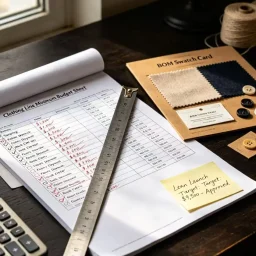
- Development & Sampling Fees: Sample creation typically costs 2x to 3x the estimated bulk unit price. Clarify upfront whether sample fees will be credited toward bulk production upon order confirmation.
- Lab Dip and Strike-Off Approvals: Budget for international courier expenses when reviewing fabric lab dips, print strike-offs, and pre-production (PP) samples before mass production begins.
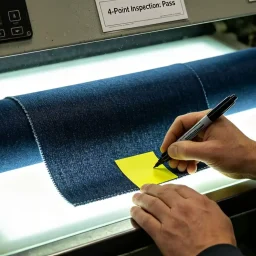
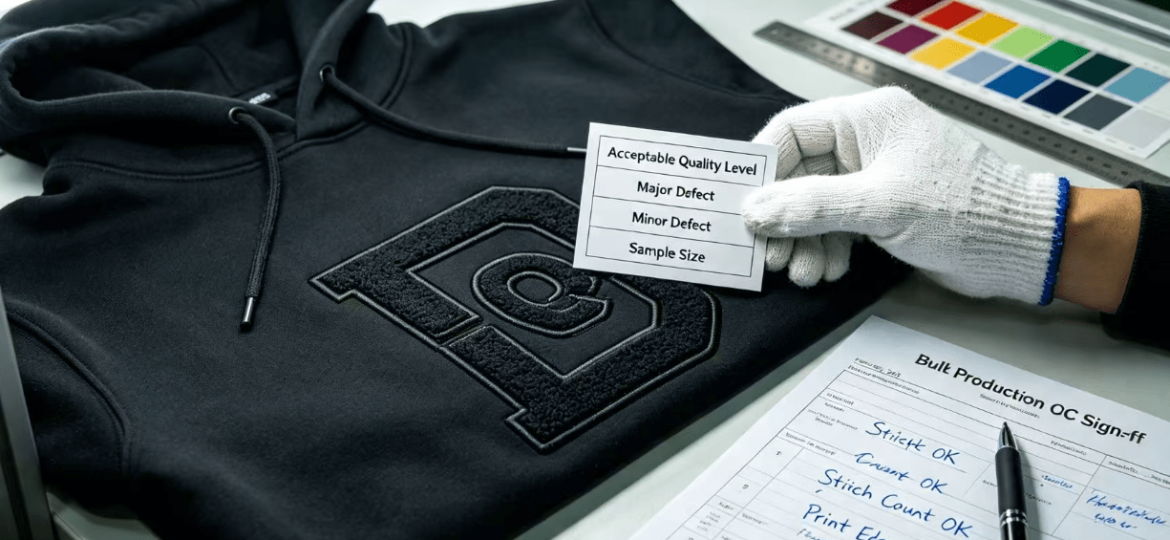
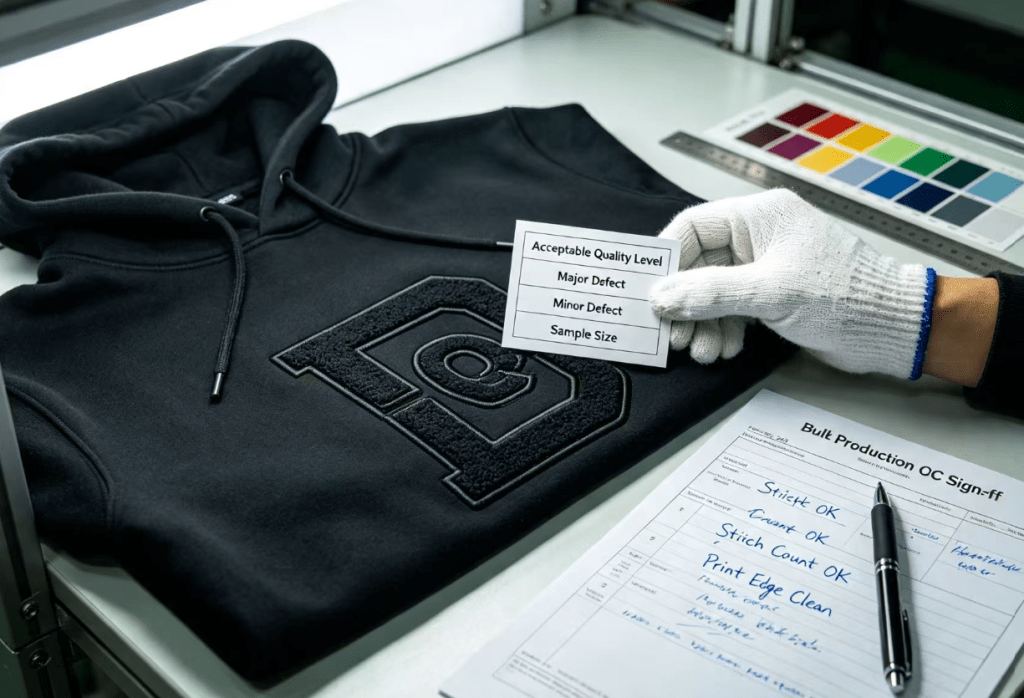
- Third-Party Quality Audits: Set aside budget for independent AQL (Acceptable Quality Limit) inspections prior to releasing final balance payments to overseas suppliers.
To build your apparel line on a foundation of transparent cost breakdowns, superior seam construction, and direct-factory execution, visit Newasia Garment to calculate your custom hoodie production costs today.
Read more