

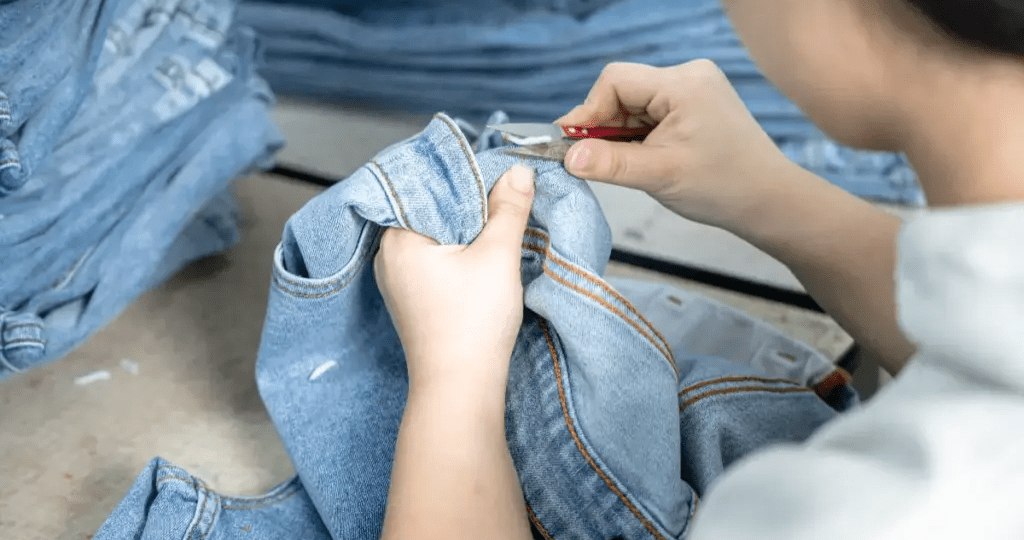
Choosing the right denim fabric weight is one of the most important decisions when developing private label denim dresses and jackets. Fabric weight affects not only the look and feel of the garment, but also production cost, washing performance, comfort, durability, and customer satisfaction.
Many startup fashion brands focus heavily on design and trends but underestimate how denim weight impacts the final product. In real garment production, choosing the wrong denim weight can lead to stiff silhouettes, uncomfortable wearability, poor drape, expensive washing problems, and even high customer return rates.
For private label apparel brands, understanding denim fabric weight is not just a fabric decision — it is a commercial and sourcing decision.
At Newasia Garment Co.,Ltd., we help fashion brands develop denim collections with the right balance between aesthetics, comfort, durability, and production efficiency. Over the years, our team has supported denim product development projects alongside global fashion brands and retailers such as American Eagle Outfitters, Uniqlo, Zara, Gap, Levi’s, and Lee.
This practical guide explains how to choose the best denim fabric weight for dresses and jackets while avoiding common sourcing and production mistakes.
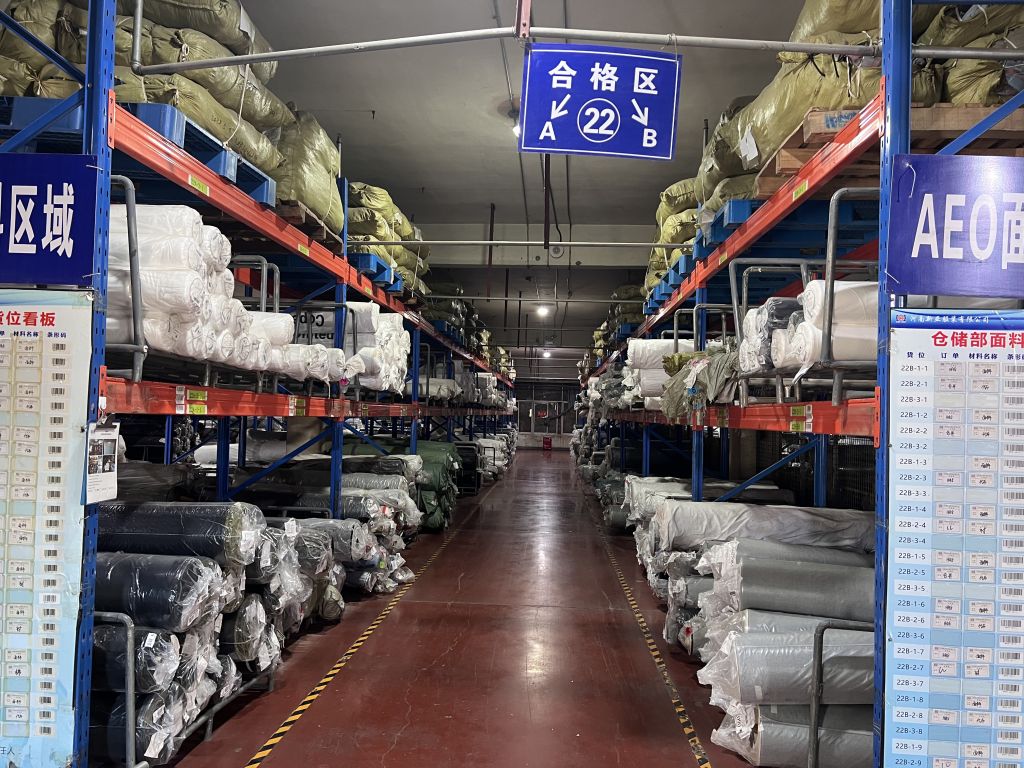
What Does Denim Fabric Weight Mean?
Denim fabric weight is typically measured in ounces per square yard (oz). The higher the ounce number, the heavier and thicker the denim fabric becomes.
In general:
- Lightweight denim: 4 oz – 8 oz
- Midweight denim: 8 oz – 11 oz
- Heavyweight denim: 12 oz – 16 oz
However, choosing the right weight is not simply about “heavier equals better.” Different product categories require different fabric behaviors.
For example:
- A soft summer denim dress requires flexibility and drape
- A structured trucker jacket requires shape retention and durability
This is why professional denim sourcing requires understanding both fashion design and production performance.
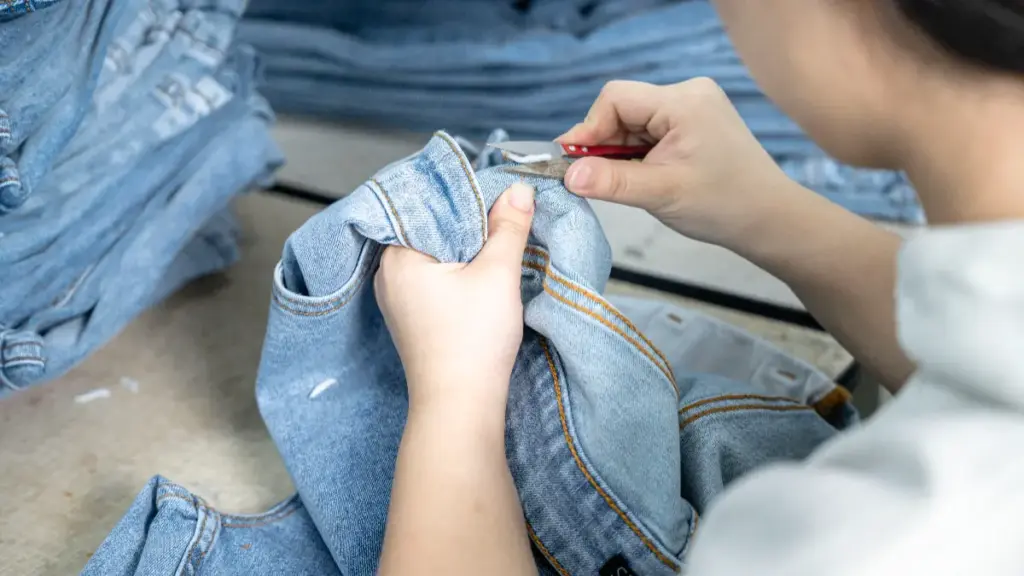
Recommended Denim Fabric Weight by Product Type
| Product Type | Recommended Weight | Characteristics |
|---|---|---|
| Lightweight Summer Dresses | 4.5–6 oz | Soft, breathable, fluid drape |
| Casual Denim Dresses | 6–8 oz | Comfortable, versatile, easy movement |
| Structured Denim Dresses | 8–10 oz | More shape and structure |
| Lightweight Denim Jackets | 8–10 oz | Balanced comfort and durability |
| Classic Trucker Jackets | 11–14 oz | Strong structure and premium feel |
| Overshirts & Shackets | 7–10 oz | Layering-friendly and flexible |
One common mistake among new fashion brands is assuming heavyweight denim automatically creates a more premium product. In reality, many successful contemporary fashion brands intentionally use lighter denim for better comfort, softer silhouettes, and lower return rates.
Why Denim Weight Matters for Private Label Clothing
- Garment Structure
Heavyweight denim creates a structured, premium look for jackets and streetwear, while lightweight denim offers a softer drape ideal for dresses and casual styles. - Customer Comfort
Lightweight and stretch denim provide better comfort, especially in warm climates. Heavy denim feels durable but can be less breathable. - Production Cost
Heavier denim increases fabric, stitching, washing, and shipping costs, which can affect profit margins. - Seasonal Fit
Lightweight denim suits spring/summer collections, while heavyweight denim performs better in fall/winter lines.
Choosing the right denim weight helps balance style, comfort, cost, and seasonal demand.
Key Factors When Choosing Denim Fabric Weight
- Garment Style
Lightweight denim suits soft, flowy designs, while heavyweight denim works better for structured pieces like jackets. - Washing Process
Different washes can affect denim softness, texture, and shrinkage. - Stretch Content
Stretch denim improves comfort and fit retention, while rigid denim offers a more classic feel. - Target Market
Fabric preferences vary by region, climate, and consumer demand. - Seasonal Planning
Lightweight denim fits spring/summer collections, while heavier denim is better for fall/winter styles.
Best Denim Weight for Private Label Dresses
For most women’s denim dresses, lightweight to midweight denim performs best.
Typically, 5 oz to 8 oz denim offers the ideal balance between:
- softness
- movement
- comfort
- drape
- commercial wearability
This is especially important for:
- boutique fashion brands
- spring/summer collections
- resort wear
- Instagram-driven fashion labels
- casual lifestyle collections
Many first-time buyers make the mistake of choosing 10 oz or heavier rigid denim for dresses because the fabric feels “premium” on fabric rolls. However, during actual garment production, heavyweight denim often creates several problems:
- poor drape
- stiff silhouette
- uncomfortable wearability
- difficult washing performance
- increased sewing difficulty
For fashion brands targeting soft feminine silhouettes, lightweight denim often delivers better retail performance and customer satisfaction.
At Newasia Garment Co.,Ltd., we frequently help clients adjust denim weight during sampling to improve drape and reduce production risk before bulk manufacturing begins.
Best Denim Weight for Denim Jackets
Denim jackets require more structure than dresses, so heavier fabrics are usually more suitable.
For most private label denim jackets:
- 8–10 oz works well for lightweight fashion jackets
- 11–14 oz is ideal for classic trucker jackets
- heavier weights create stronger structure and durability
However, choosing extremely heavy denim is not always the best solution.
For women’s casualwear collections, overly rigid heavyweight denim may feel uncomfortable for everyday wear. Many modern fashion brands now prefer softer midweight denim jackets because consumers increasingly prioritize comfort and flexibility.
Your target customer, retail positioning, and garment silhouette should all influence denim weight selection.
For example:
| Brand Positioning | Recommended Weight |
|---|---|
| Fast Fashion | 7–10 oz |
| Boutique Casualwear | 8–11 oz |
| Premium Heritage Denim | 12–14 oz |
| Oversized Streetwear | 11–15 oz |
How Denim Washing Affects Fabric Weight and Hand Feel
One of the biggest mistakes in denim sourcing is ignoring how washing processes affect fabric behavior.
Many online articles discuss denim weight but fail to explain how washing changes the final garment.
In real production, processes such as:
- enzyme wash
- stone wash
- acid wash
- bleach wash
- garment softening
can significantly affect:
- softness
- shrinkage
- hand feel
- drape
- fabric appearance
For example:
A rigid 10 oz denim may feel much softer after enzyme washing, while aggressive stone washing may weaken fabric strength over time.
This is why experienced denim manufacturers evaluate fabric weight together with washing development — not separately.
At Newasia Garment Co.,Ltd., our sampling and wash development teams help brands test different denim weights and wash effects before bulk production to reduce quality risks and improve final garment consistency.
Brands that want to connect fabric selection with wash development, fit, construction, and bulk production can review our denim manufacturing capabilities.
How Newasia Garment Co.,Ltd. Helps Private Label Brands Choose the Right Denim
At Newasia Garment Co.,Ltd., we provide full-package OEM and ODM denim garment manufacturing solutions for global fashion brands.
Our services include:
- Denim fabric sourcing
- Custom garment development
- Pattern making
- Denim washing solutions
- Bulk production management
- Quality control inspection
- Sustainable denim sourcing
- Private label manufacturing support
Our product development team works closely with brands to match denim weight with:
- Design concept
- Market positioning
- Seasonal demand
- Retail pricing strategy
- Target consumer preferences
This helps brands reduce development risks while improving product consistency and customer satisfaction.
Our factory focuses on:
- Stable quality control
- Professional production management
- Fast sample development
- Flexible OEM/ODM solutions
- International compliance standards
- Efficient communication
- Long-term partnership support
For fashion brands, choosing the right manufacturing partner is just as important as choosing the right denim fabric.
Lightweight vs Heavyweight Denim: Which Is Better?
There is no universal “best” denim weight. The right choice depends on your product category and target market.
| Factor | Lightweight Denim | Heavyweight Denim |
|---|---|---|
| Comfort | Excellent | Moderate |
| Structure | Soft | Strong |
| Breathability | High | Lower |
| Production Cost | Lower | Higher |
| Best For | Dresses | Jackets |
| Seasonal Use | Spring/Summer | Fall/Winter |
For most private label brands, combining multiple denim weights in one collection creates better market flexibility.
Sustainable Denim Trends in Private Label Fashion
Many global brands are now prioritizing sustainable denim solutions, including:
- Organic cotton denim
- Recycled denim blends
- Low-water washing technologies
- Eco-friendly dyeing processes
At Newasia Garment Co.,Ltd., we support sustainable denim development to help brands meet modern environmental and compliance standards.
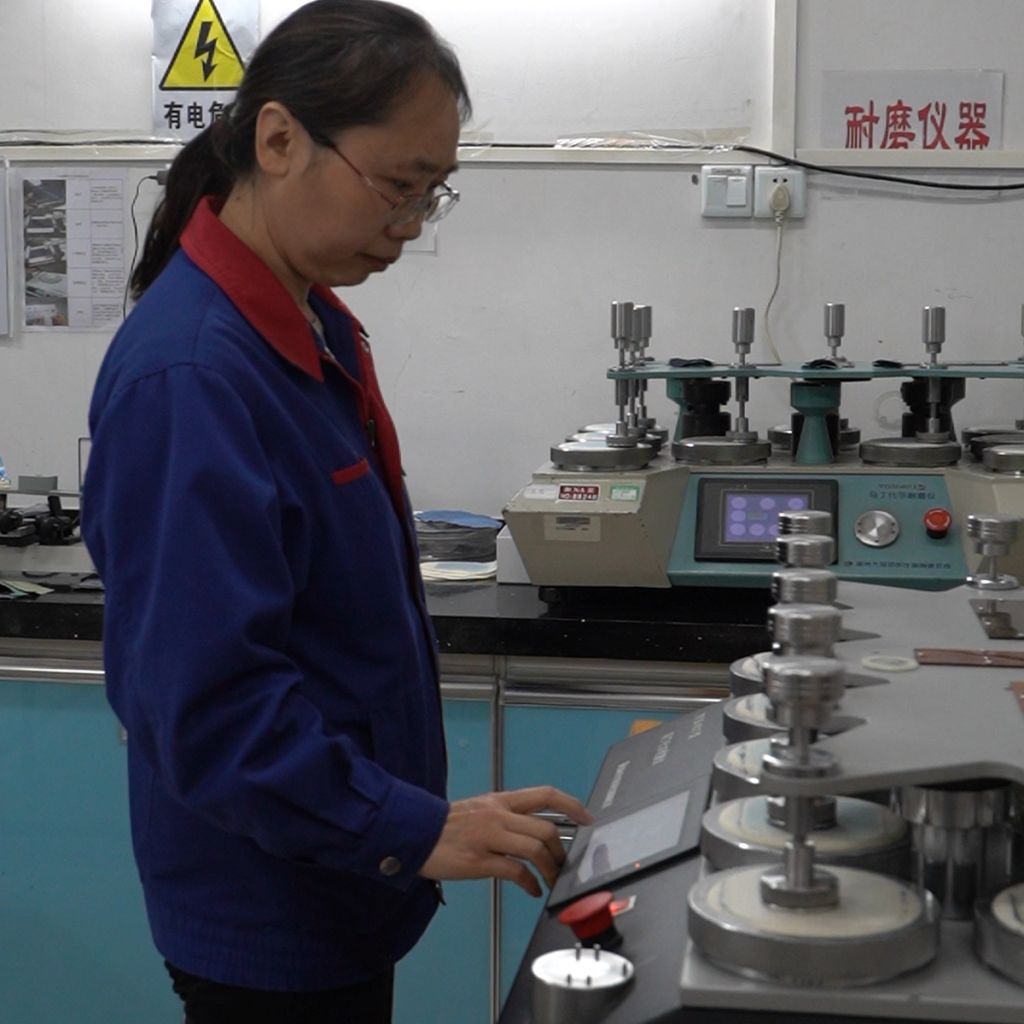
Denim Fabric Trends for 2026
Fashion trends continue shifting toward:
- Soft-touch denim
- Sustainable cotton blends
- Tencel denim
- Stretch comfort fabrics
- Lightweight oversized silhouettes
For jackets, vintage-inspired medium-weight denim remains highly popular in both women’s and unisex fashion.
Eco-friendly denim sourcing is also becoming a major factor for private label buyers.
Certified Professional Clothing Producer
We are very proud of these certificates! They represent Newasia Garment Co.,Ltd. ’s amazing achievements and accreditations. They show how much we care about quality, safety, and professionalism.
We’re proud to say that we have obtained BSCI and ISO 90001 certificates, and inspection certificates for filling materials such as down and cotton. We follow international standards throughout our production process and take responsibility for the quality of our products.
As one of China’s leading clothing manufacturers, we are pleased to be recognized by respected organizations. These certifications underscore our reliability as a trusted supplier to the global apparel industry.
Trusted Certificates:
Why Choose Us
 Independent base We have our own laboratory and can independently develop fabrics , China  Professional certification Certification: ISO 9001, ISO 14001,BSCI,GRS |  Full-equipped Full-equipped, from fiber manufacturing, yarn spinning, weaving, dyeing and processing to finished product production  Rich experience Professional, large and experienced design team, combined with the latest artificial intelligence technology |  Our Facilities 12,000 skilled employees, daily production capacity exceeds 100,000 pieces  Fashion exhibition Participated in domestic and foreign fashion weeks and exhibitions many times |
Trusted by Global Clients


How Do We Guarantee the Quality
Our quality assurance begins with designing and planning, then continues through every step of the production and post-production inspections. Delivery is not an ending. We still offer money-back guarantee for quality issues.
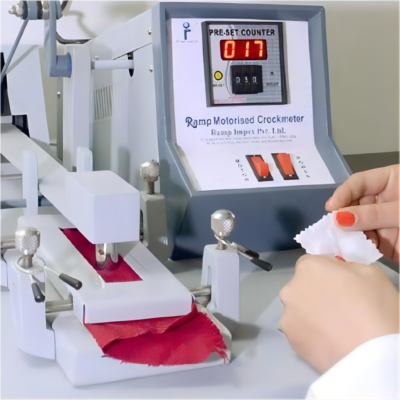
When sourcing fabrics, we will check all related fabric certificates from our suppliers.
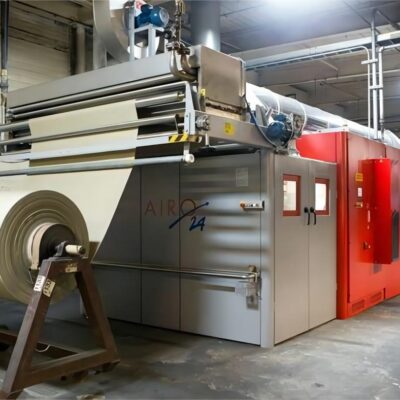
We make sure the fabric is well pre-washed to meet the standards before cutting.
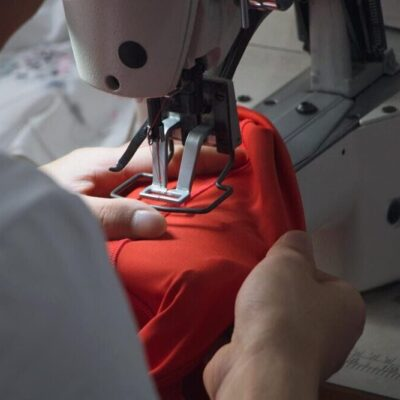
All our workers are well-trained and have many years of experience in the garment industry. They are all local workers with high stability.
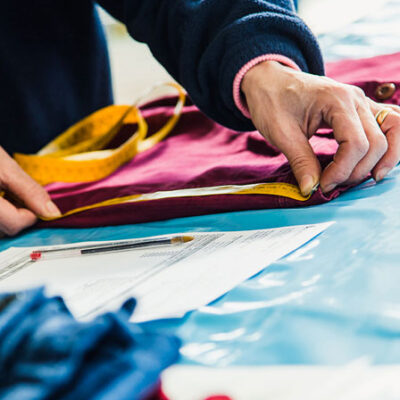
Our quality team will follow SOPs to conduct five times of quality checks before shipping.
FAQ: How to Choose Denim Fabric Weight for Private Label Dresses & Jackets
Q1: Why does denim fabric weight matter?
Denim weight affects garment structure, comfort, durability, production cost, and seasonal performance.
Q2: What denim weight is best for dresses?
Lightweight denim (4–8 oz) is ideal for dresses because it offers a softer drape, better breathability, and improved comfort for everyday wear.
Q3: What denim weight works best for jackets?
Medium to heavyweight denim (10–14 oz) is commonly used for jackets, providing better structure, durability, and a premium look.
Q4: How does stretch denim affect fabric weight selection?
Stretch denim with elastane offers more flexibility and comfort, even at heavier weights, while rigid denim creates a more classic and structured fit.
Q5: Does denim weight impact production costs?
Yes. Heavier denim generally costs more due to higher fabric consumption, stronger stitching requirements, and increased shipping weight.
Q6: Which denim weights suit different seasons?
Lightweight denim is preferred for spring/summer collections, while heavier denim performs better in fall/winter styles.
Q7: Can washing techniques change denim feel and performance?
Yes. Processes like enzyme wash, stone wash, and vintage wash can soften denim, affect shrinkage, and change the garment’s final appearance.
Q8: How do I choose the right denim weight for my brand?
Consider your garment type, target market, climate, desired fit, and price point. Balancing comfort, structure, and cost is key for successful private label collections.
Conclusion
Choosing the right denim fabric weight is essential for creating successful private label dresses and jackets.
As a general rule:
- 4–8 oz denim works best for dresses
- 10–14 oz denim is ideal for jackets
The right fabric improves:
- Product quality
- Customer satisfaction
- Brand positioning
- Profit margins
Before mass production, always request fabric swatches, wash tests, and prototype samples to ensure the denim performs correctly for your target market.
If you are building a private label denim clothing brand, investing time in fabric selection will help you create products that stand out in today’s competitive fashion industry.
Start Your Private Label Denim Collection Today
If you are looking for a reliable denim clothing manufacturer for your private label brand, Newasia Garment Co.,Ltd. can help you develop premium denim dresses, jackets, jeans, and fashion collections with professional OEM and ODM support.
With extensive experience serving international fashion brands including Zara, Uniqlo, Gap, Levi’s, Lee, and American Eagle Outfitters, we understand how to balance fabric quality, fashion trends, production efficiency, and market expectations.
Get in touch with us today to start designing your custom denim collection.
Read more: How to Choose Denim Fabric Weight for Private Label Dresses and Jackets
- Movement Fit Testing for Apparel: How to Check Ride-Up, Slippage, and Range of Motion
- Pre-Production Sample Approval: What Brands Should Lock Before Bulk Production
- Custom Sports Jersey Manufacturing Quality Control: A Global Manufacturing Guide
- Bulk Print and Embroidery Quality Control for Custom Apparel
- Activewear Fabric Approval Before Bulk: Opacity, Stretch, Recovery and Breathability