
When sourcing T-shirts for wholesale or private label production, terms like fabric weight and garment weight often cause confusion. Understanding the difference is critical for ensuring product quality, managing production costs, and communicating effectively with manufacturers. For B2B buyers, misinterpreting these measurements can lead to overpaying, fit issues, or inconsistent quality across batches.
At Newasia Garment Co., Ltd., we specialize in high-quality bulk T-shirt manufacturing for global brands and emerging fashion labels, with a minimum of 300 pieces per style. Our product range includes custom T-shirts, heavyweight tees, and streetwear essentials designed to meet the needs of both boutique and large-scale brands. Cotton fabrics from 150gsm to 385gsm are in stock, with screen printing, DTG, embroidery, and specialty finishes available under one roof. Flexible size ratios and consistent quality ensure your bulk order meets your specifications every time. Send your specs and target quantity — bulk quote delivered within 48 hours.
As a China-based bulk apparel manufacturer, we focus on large-scale production with consistent quality, offering fully customizable solutions from fabric selection and fit development to branding and packaging — all managed efficiently under one production system.
We are also a long-term manufacturing partner of global fashion brands such as American Eagle Outfitters, Uniqlo, Zara, Gap, Levi’s, and Lee, demonstrating our capability in large-scale, high-standard T-shirt production.
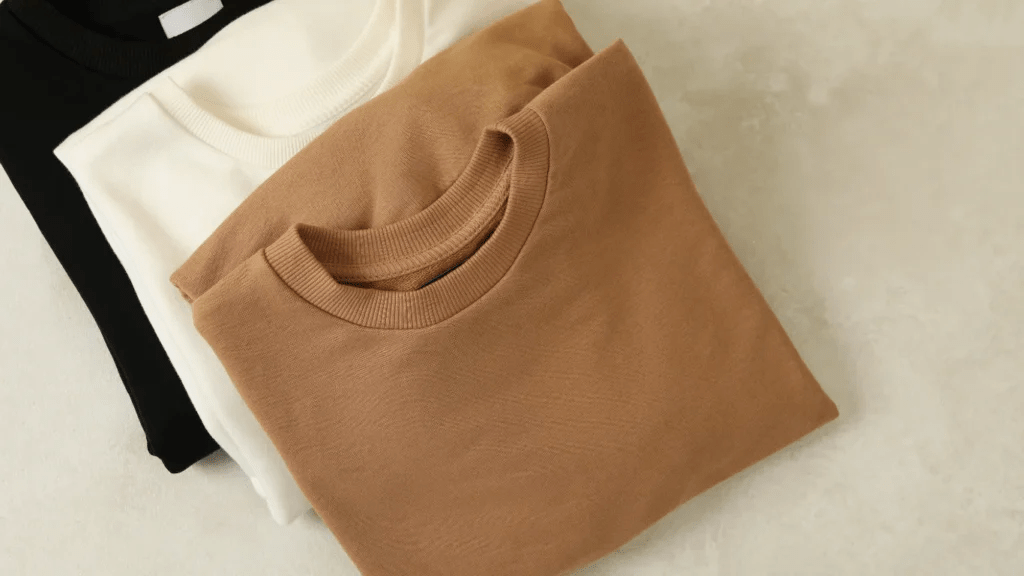
Fabric Weight: The Foundation of Quality
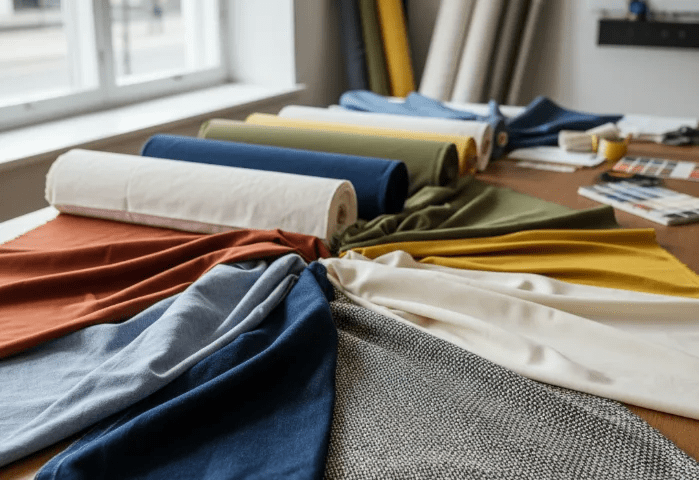
Fabric weight refers to the weight of the raw fabric before it is cut and sewn into a finished T-shirt. It’s typically measured in GSM (grams per square meter) or ounces per square yard.
Key Points About Fabric Weight:
- Indicates thickness and durability: Higher GSM fabrics are thicker, sturdier, and hold their shape better.
- Common ranges for T-shirts:
- Lightweight: 120–160 GSM (ideal for summer or fitted tees)
- Medium weight: 160–220 GSM (standard retail T-shirts)
- Heavyweight: 250–400+ GSM (premium, structured, streetwear styles)
- Affects drape and feel: Heavier fabric provides structure but can feel stiffer; lighter fabric offers softness and flexibility.
Why fabric weight matters:
- Determines breathability and comfort.
- Impacts drape and fit.
- Influences durability and longevity.
B2B Insight: Always confirm the GSM with your supplier before ordering. Variations of even ±10 GSM can affect the final garment’s feel, fit, and durability.
Garment Weight: What You Actually Wear
While fabric weight measures raw material, garment weight is the weight of the finished T-shirt, including fabric, stitching, labels, and trims.
Why Garment Weight Matters:
- Helps calculate shipping costs and inventory weight
- Influences the T-shirt’s perceived value and quality
- Impacts production efficiency: heavier garments may require different sewing machines and techniques
Example: A 200 GSM cotton fabric T-shirt might have a finished garment weight of 180–220 grams for a standard medium size, depending on cut, seam allowances, and embellishments.
Key Differences Between Fabric Weight and Garment Weight
| Feature | Fabric Weight | Garment Weight |
|---|---|---|
| Definition | Weight of textile per m² | Final product weight |
| Influences | Yarn type, knitting density | Sewing, hems, trims, wash treatments |
| Importance | Determines durability & hand feel | Affects cost, shipping, and consumer perception |
| Measurement | Laboratory or supplier spec | Weighed after production and finishing |
Insight: Fabric weight is the foundation, but garment weight gives the real-world impact on logistics and user experience.
Why the Difference Matters
- Manufacturing: Knowing both weights helps factories estimate material needs and production costs accurately.
- Shipping: Garment weight determines freight charges, especially for bulk orders.
- Marketing: Highlighting fabric weight appeals to customers looking for premium quality.
- Design Decisions: Heavier fabrics require reinforced stitching for durability.
Typical T-Shirt Fabric vs Garment Weight
| Fabric GSM | Medium T-Shirt Garment Weight (M Size) |
|---|---|
| 140–160 GSM | 130–150 g |
| 180–220 GSM | 160–200 g |
| 250–300 GSM | 220–260 g |
| 350–400 GSM | 300–380 g |
This reference helps B2B buyers anticipate cost, shipping weight, and retail positioning.
Why Garment Weight vs Fabric Weight Matters in T-Shirts
Understanding the difference between fabric weight and garment weight is essential for premium T-shirts. These measurements impact cost, feel, durability, and customer perception. Misunderstanding them can lead to overpaying, inconsistent sizing, or a product that feels cheap despite high-quality design.
The right measurement knowledge impacts:
| Factor | Why It Matters |
|---|---|
| Fabric Weight (gsm) | Determines the density, durability, and drape of the raw fabric. Heavier fabrics (like 385gsm cotton) feel premium and structured, while lighter fabrics are breathable and soft. |
| Garment Weight (g/oz) | Reflects the total weight of the finished T-shirt, including stitching, labels, and trims. Provides a real-world sense of how substantial the product feels. |
| Fit & Size Consistency | Garment weight affects sizing perception; larger sizes weigh more due to extra fabric and stitching, impacting customer expectations. |
| Cost & Pricing | Misreading fabric weight vs garment weight can result in underestimating production cost or overcharging, affecting profitability. |
| Brand Perception | Premium brands often highlight fabric density and garment heft in marketing; a heavier, well-constructed tee communicates quality instantly. |
💡 Tip for Founders & Buyers: Always confirm with manufacturers whether quotes reference fabric weight or finished garment weight. This ensures expectations match reality and supports accurate pricing and branding decisions.
Through expert guidance, Newasia Garment Co., Ltd. helps emerging U.S. and global brands select the correct T-shirt weights for their market positioning, balancing comfort, durability, and perceived value while avoiding production pitfalls.
How Newasia Garment Co.,Ltd. Ensures Accurate Weight Control
At Newasia Garment Co.,Ltd., we specialize in premium T-shirts, including heavyweight 385GSM products.
Our advantages:
- In-house knitting and fabric sourcing for precise GSM
- Pre-shrink and finishing processes to control post-wash garment weight
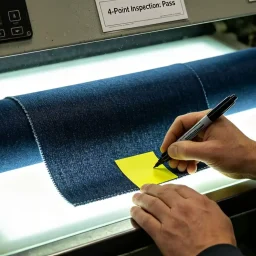
- QC checks at every stage: fabric → cutting → sewing → final garment
- Experience with multiple sizes and styles to maintain consistent weight across production
How to Choose the Right Weight for Your T-Shirts
- Lightweight (120–160gsm): Soft, breathable, ideal for summer or layering.
- Medium weight (160–220gsm): Versatile, everyday wear, comfortable yet durable.
- Heavyweight (300–400gsm+): Premium feel, long-lasting, ideal for fashion brands and custom tees.
Pro Tip: Always consider both fabric and garment weight when sourcing t-shirts to ensure quality, customer satisfaction, and accurate pricing.
Certified Professional Clothing Producer
We are very proud of these certificates! They represent Newasia Garment Co.,Ltd. ’s amazing achievements and accreditations. They show how much we care about quality, safety, and professionalism.
We’re proud to say that we have obtained BSCI and ISO 90001 certificates, and inspection certificates for filling materials such as down and cotton. We follow international standards throughout our production process and take responsibility for the quality of our products.
As one of China’s leading clothing manufacturers, we are pleased to be recognized by respected organizations. These certifications underscore our reliability as a trusted supplier to the global apparel industry.
Trusted Certificates:
Why Choose Us
 Independent base We have our own laboratory and can independently develop fabrics , China  Professional certification Certification: ISO 9001, ISO 14001,BSCI,GRS |  Full-equipped Full-equipped, from fiber manufacturing, yarn spinning, weaving, dyeing and processing to finished product production  Rich experience Professional, large and experienced design team, combined with the latest artificial intelligence technology |  Our Facilities 12,000 skilled employees, daily production capacity exceeds 100,000 pieces  Fashion exhibition Participated in domestic and foreign fashion weeks and exhibitions many times |
Trusted by Global Clients








How Do We Guarantee the Quality
Our quality assurance begins with designing and planning, then continues through every step of the production and post-production inspections. Delivery is not an ending. We still offer money-back guarantee for quality issues.
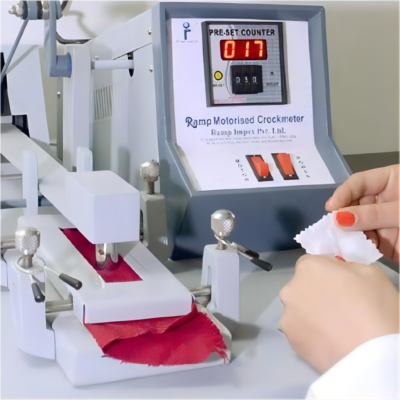
When sourcing fabrics, we will check all related fabric certificates from our suppliers.
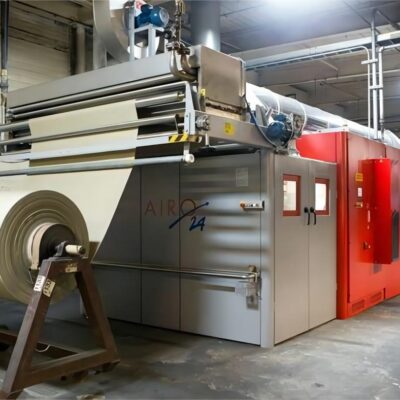
We make sure the fabric is well pre-washed to meet the standards before cutting.
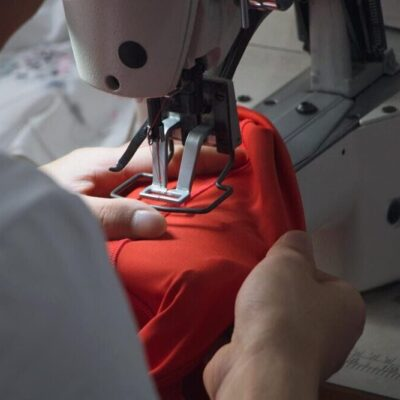
All our workers are well-trained and have many years of experience in the garment industry. They are all local workers with high stability.
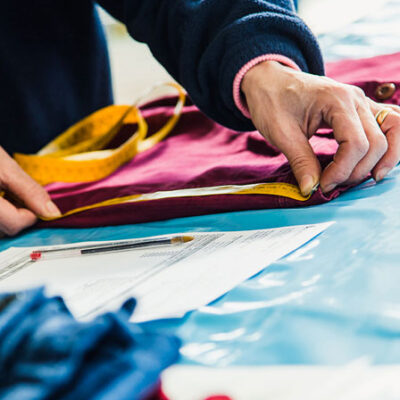
Our quality team will follow SOPs to conduct five times of quality checks before shipping.
Frequently Asked Questions
Q1: What is your Minimum Order Quantity (MOQ)?
We specialize in flexible production solutions to support emerging brands and growing businesses.
You can mix colors and sizes within the same style and fabric for greater flexibility.
For highly customised or technical garments (such as specialised denim washes or intricate embroidery), MOQ requirements may range from 200 to 300 units.
Our standard MOQ ranges from 100 to 300 units per design, depending on fabric availability and production complexity.
For best pricing efficiency, MOQ is typically based on 300 per style per colour.
Q2: What Services Do You Offer?
We provide full-cycle fashion support, including:
Sustainability Consulting: Eco-fabric sourcing, ethical production planning.
Sourcing: Local and global raw material, fabric R&D, and procurement (trims) with cost optimization.
Manufacturing: Custom manufacturing with quality control checkpoints.
Design & Development: Assistance with tech packs, trend research, and collection building.
Logistics: Shipping coordination to your warehouse or 3PL.
Q3: Can I Customize My Designs Fully?
We work with both OEM (your design, our production) and ODM (our templates customized for you) models. Customization options include:
Labels, hangtags, branded packaging
Fabric type and color
Fit and sizing
Printing (screen, DTG, sublimation, embroidery)
Accessories (zippers, buttons, cords)
Q4: What are your sustainability practices?
We’re committed to responsible manufacturing through:
Energy-efficient production technology
Waste reduction programs and ethical labor practices (BSCI certified)
GOTS-certified organic cotton and recycled material options
OEKO-TEX® certified dyes and processing
Q5: What Are Your Lead Times?
For in-stock items: ships worldwide within 3–7 days For custom orders: production lead time 15–30 days Urgent / Express Options: Available at a premium. Timing can vary depending on fabric development, approval cycles, and order complexity.
Q6: What is your production capacity?
Our facility employs 12,000 skilled employees, daily production capacity exceeds 100,000 pieces. We handle orders from 100 pieces to 50,000+ units across:
Technical apparel
Activewear and sportswear
Denim and casual wear
Children’s clothing
Q7: Where are your garments produced?
Our headquarters are based in China, where we operate our own vertically integrated factory. Our infrastructure and strategically placed worldwide manufacturing facilities allow us to offer extremely competitive pricing for fully custom clothing. offer flexible production options tailored to your needs. All manufacturing is supervised by our quality control team to ensure consistent standards
Conclusion
Understanding garment weight vs fabric weight in t-shirts is essential for anyone in the apparel industry. Fabric weight defines the feel and drape, while garment weight includes the finished product with trims and accessories. By knowing both, brands and manufacturers can control quality, optimize costs, and market their products effectively.
If you’re looking to source premium t-shirts with precise weight specifications, we offer custom fabrics, heavyweight options, and bulk production to meet your brand’s needs. Contact us today for a consultation or sample!
Read more: What Is Garment Weight vs Fabric Weight in T-Shirts? A Complete Guide
- Movement Fit Testing for Apparel: How to Check Ride-Up, Slippage, and Range of Motion
- Pre-Production Sample Approval: What Brands Should Lock Before Bulk Production
- Custom Sports Jersey Manufacturing Quality Control: A Global Manufacturing Guide
- Bulk Print and Embroidery Quality Control for Custom Apparel
- Activewear Fabric Approval Before Bulk: Opacity, Stretch, Recovery and Breathability