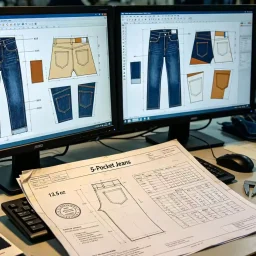

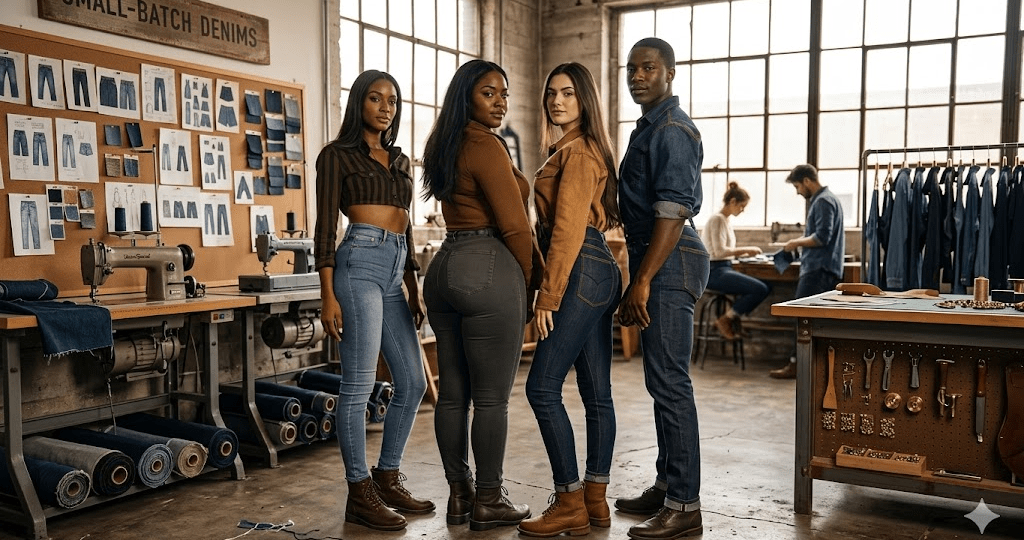
Introduction
When developing a denim collection, one of the most critical decisions for any fashion brand is choosing the right fit: Slim Fit or Skinny Fit jeans.
Although they may look similar at first glance, the difference between these two fits directly impacts pattern making, fabric selection, comfort level, and final product positioning in the market.
At Newasia Garment Co.,Ltd., we specialize in high-quality denim OEM & ODM manufacturing, helping global fashion brands transform design concepts into production-ready jeans with precise fit engineering and consistent quality.
We are also a long-term manufacturing partner for international fashion brands such as American Eagle Outfitters, Uniqlo, Zara, Gap, Levi’s, and Lee, supporting their denim development and bulk production needs.
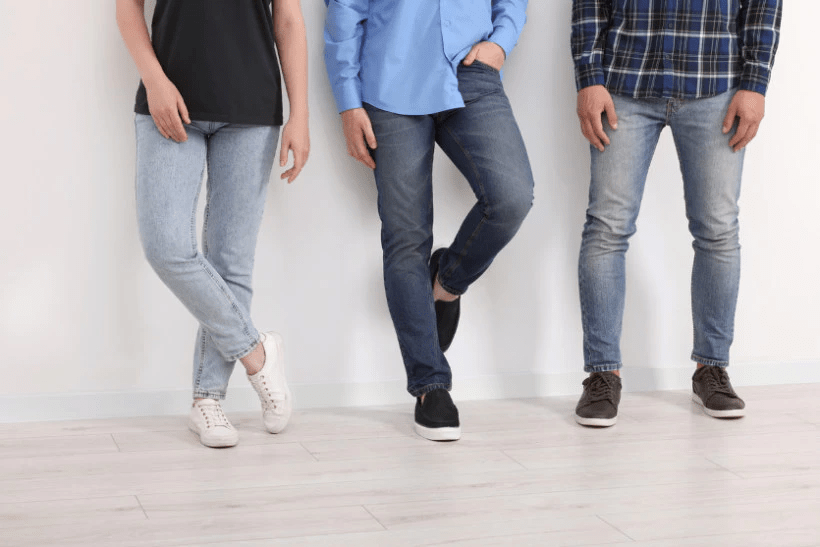
Understanding the Difference: Slim vs. Skinny Jeans
While both slim and skinny jeans offer a modern, tailored look, they serve different market needs:
- Slim Jeans:
- Tapered cut through the thigh and calf, but not tight.
- Offers comfort and mobility while maintaining a sleek silhouette.
- Appeals to customers seeking a balanced style between classic straight and form-fitting jeans.
- Skinny Jeans:
- Hug the body from waist to ankle, often including stretch fabrics for flexibility.
- Emphasizes a modern, youthful aesthetic.
- Popular among younger demographics and fashion-forward markets.
For B2B buyers, distinguishing these fits early is essential to communicate precise measurements and style requirements to factories.
Fit Specifications Table
| Feature | Slim Jeans | Skinny Jeans |
|---|---|---|
| Waist Fit | Slightly tapered | Tight, hugs the waist |
| Thigh Fit | Slightly narrow | Very snug |
| Leg Opening | Slight taper | Very narrow, fitted ankle |
| Stretch | Light stretch allowed | High stretch preferred |
| Style | Classic, versatile | Trendy, modern |
Slim jeans offer a balanced silhouette for most body types, providing comfort with a tailored look. Skinny jeans emphasize a close-to-body fit, creating a sleek, fashion-forward appearance.
What Body Type Should Wear Skinny Jeans?
Many shoppers hesitate to try skinny jeans, assuming they only flatter very slender figures. At Newasia Garment Co., Ltd., we know that the right fabric and rise are far more important than body type alone.
Flattering Skinny Jeans for All Shapes:
- Fabric: Stretch is key. 2–3% elastane in the denim allows jeans to hug curves without restricting movement.
- Rise: Mid or high rise creates coverage, elongates the legs, and smooths the silhouette.
- Proportions: Pairing skinny jeans with a slightly looser top balances wider hips or muscular thighs.
Stretch Guidelines:
| % Elastane | Fit & Feel | Best For |
|---|---|---|
| 1% | Slight give, rigid vintage feel | Very slender frames |
| 2–3% | Comfortable, form-fitting | Athletic or curvier builds |
| 4%+ | Jeggings-like stretch | Maximum comfort and flexibility |
Is Slim Fit Tighter Than Skinny?
Despite the names sounding similar, slim is not tighter than skinny. Skinny jeans hug the body from hip to ankle, while slim jeans follow the leg’s line with slightly more room, creating a tailored but not constricted look.
Key Measurement Differences:
| Measurement | Slim Fit | Skinny Fit | Takeaway |
|---|---|---|---|
| Thigh | Cut close, room to move | Very close-fitting | Skinny is tighter |
| Knee | Tapered, comfortable | Tight | Skinny is tighter here too |
| Leg Opening | Narrow for clean line | Very narrow, stacks at ankle | Biggest visual difference |
Think of slim fit as “skimming” the body, like a tailored trouser. Skinny fit “clings” to the body, creating a bold, fashion-forward statement.
Gen Z Denim Trends Beyond Skinny Jeans
The younger generation has shifted away from skinny jeans, favoring comfort and nostalgia-driven styles. At Newasia Garment Co., Ltd., we’ve adapted to meet these trends.
Top Fits Replacing Skinny Jeans:
- Straight-Leg: The new everyday essential. Cut straight from knee to ankle for versatility.
- Baggy/Loose: Relaxed hip, thigh, and leg for a casual 90s vibe.
- Wide-Leg: Fitted at waist and hips, widening towards the hem.
- Bootcut & Flare: Fitted through thigh, flaring from knee, inspired by 70s/Y2K styles.
Our production now reflects these trends, with the majority of orders for wider, relaxed silhouettes rather than traditional skinny or slim fits.
Skinny vs. Slim: A Final Manufacturer’s Comparison
| Feature | Slim Fit | Skinny Fit |
|---|---|---|
| Core Idea | Tailored and clean | Form-fitting and bold |
| Overall Feel | Skims the body with comfort | Clings to the body like a second skin |
| Leg Opening | Narrow, clean line | Very narrow, stacks at ankle |
| Best For | Everyday professional look | Fashion-forward statement look |
| Analogy | Tailored trouser | Painted-on look |
Conclusion: Slim fit provides a clean, tailored silhouette with everyday comfort. Skinny fit is bold, skin-tight, and statement-making. The main distinction is the leg opening, which defines the garment’s overall look and feel.
How to Choose Between Skinny and Slim Fit Jeans
- Style: Skinny jeans give a modern, edgy look; slim fit is classic and versatile.
- Body Shape: Skinny highlights the legs; slim flatters most shapes with a relaxed fit.
- Comfort: Slim fit offers more room and ease of movement.
- Versatility: Slim fit pairs easily with casual and semi-formal outfits.
Tip: Try both styles to see which suits your body and wardrobe best.
Slim vs Skinny Jeans: Key Manufacturing Differences
When working with a B2B OEM denim factory, the production differences between slim and skinny jeans are critical.
1. Pattern Making (Most Important Difference)
- Slim jeans use relaxed taper patterns
- Skinny jeans require precise contour shaping patterns
Even small errors in pattern grading can lead to discomfort or poor visual balance.
2. Fabric Elasticity Requirements
- Slim jeans: moderate stretch acceptable
- Skinny jeans: high stretch + recovery required
Factories must test fabric rebound rate, otherwise knees may bag out after wear.
3. Stitching & Construction
- Skinny jeans require reinforced seams due to tension stress
- Slim jeans allow more standard stitching techniques
OEM factories often adjust thread type and stitch density depending on fit.
4. Sampling & Fitting Process
- Slim jeans: 1–2 rounds of sampling usually sufficient
- Skinny jeans: often require multiple fit revisions
This affects both lead time and development cost.
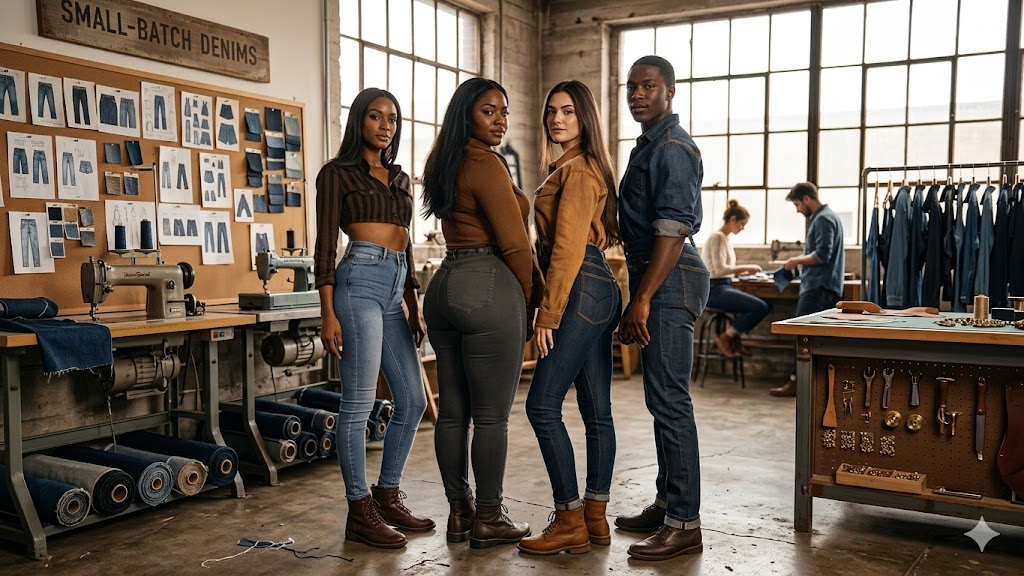
Manufacturing Guide: From Fabric to Final Product
When producing high-quality denim, attention to detail is key:
- Fabric Selection: Cotton blends with 1–3% elastane for stretch.
- Cutting & Sewing: Precision in thigh and leg measurements ensures consistency.
- Quality Control: Inspect stitching, pocket alignment, and stretch recovery.
- Customization: Labels, washes, and distressing techniques to reflect brand identity.
With these steps, your denim line will meet industry standards and customer expectations.
Why Global Brands Work With Newasia Garment Co.,Ltd.
As a professional denim manufacturer, Newasia Garment Co.,Ltd. provides full-service garment solutions for global fashion brands.
We are trusted by leading brands in the fashion industry due to:
- Strong OEM/ODM capability
- Advanced denim washing technology
- Stable mass production quality
- Experienced pattern engineering team
- Flexible customization for brand identity
OEM / ODM Denim Development Service
We support global brands with:
- Custom jeans development
- Private label manufacturing
- Fit adjustment & sampling
- Full bulk production solutions
- Quality control & inspection
Whether you are launching a new denim line or optimizing an existing collection, we help you reduce development time and production risk.
Conclusion
In summary, the difference between slim and skinny jeans for your brand comes down to fit, silhouette, and target customer preference. Skinny jeans are tight and body-hugging, ideal for a modern, fashion-forward look, while slim fit jeans provide a slightly relaxed, versatile fit suitable for a wider audience. Understanding these distinctions helps you design products that meet your customers’ style and comfort needs.
For brands, offering both slim and skinny options can expand your denim lineup, cater to diverse body types, and enhance your market appeal while maintaining quality and consistency in production.
With strong technical expertise in denim production, Newasia Garment Co.,Ltd. helps global fashion brands turn design concepts into scalable, high-quality products ready for retail markets.
Read more
- How to Investigate a Garment Quality Claim: From Symptom to Root Cause and CAPA
- Garment Packaging Quality Control: Preventing Creases, Print Damage and Shape Distortion
- How to Validate Pocket Function and Placement Before Bulk Production
- How to Standardize Fabric Hand Feel Across Production Lots
- Movement Fit Testing for Apparel: How to Check Ride-Up, Slippage, and Range of Motion