

Rise · Inseam · Leg Opening · Hem · Fabric · Wash · Grading
Denim Shorts Development for Fashion & Streetwear Brands
Develop production-ready denim shorts from fit and length through fabric selection, waistband and pocket construction, hem treatment, wash approval, post-wash measurements, grading, quality control and scalable bulk production.
Denim shorts are highly sensitive to proportion. A small change in rise, inseam, seat ease, thigh width, leg opening or hem treatment can shift the garment from fitted to relaxed, from short-length to Bermuda, or from clean commercial denim to a stronger streetwear silhouette. The finished sample should therefore define both appearance and measurable fit after the intended wash or finishing route.
Browse the Product Range
Start From the Closest Fit, Length or Wash Direction
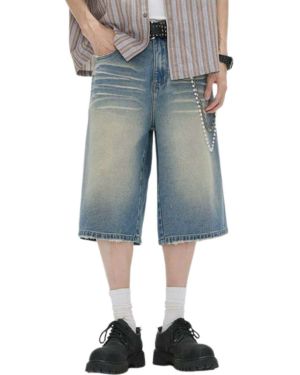
Use the denim shorts collection to identify the closest development base for your project. The most useful reference is not only the wash or color — it is the combination of rise, body length, inseam, thigh shape, leg opening, waistband, pockets and hem that creates the finished silhouette.
Short Silhouette
Fitted & High-Rise
Requires close control of waist, high hip, seat, rise, thigh, inseam and leg opening so the fit remains intentional after washing.
Commercial Denim
Classic 5-Pocket
Builds around familiar jeans construction with adapted length, hem and proportion for a shorts silhouette.
Relaxed Direction
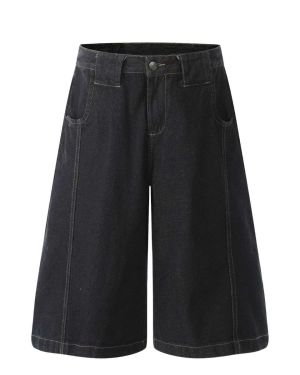
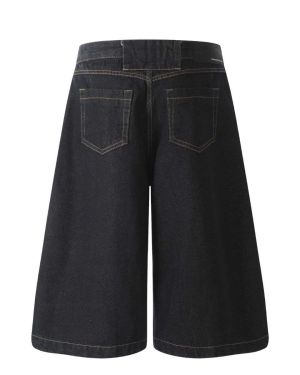
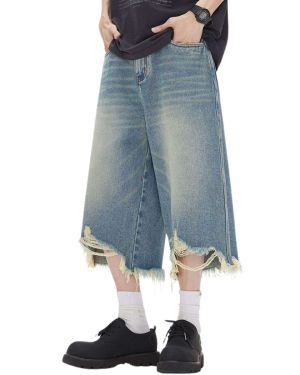
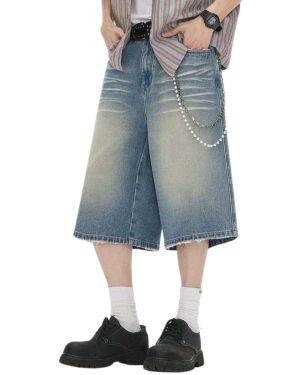
Wide-Leg & Long-Length
Uses more seat, thigh and leg-opening volume and may extend toward Bermuda or streetwear proportions.
Fashion Direction
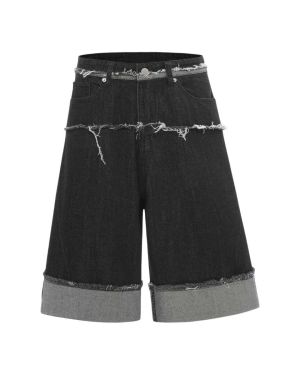
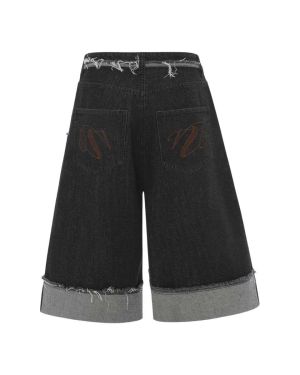
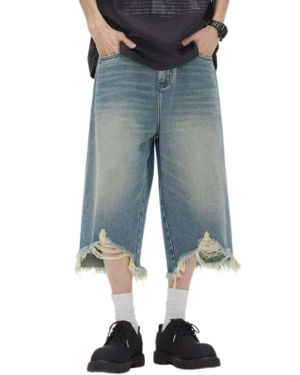
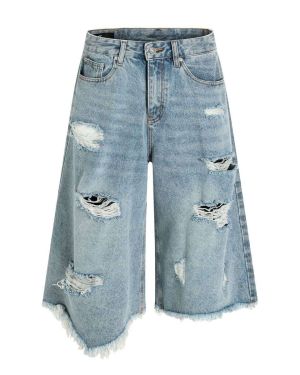
Distressed & Deconstructed
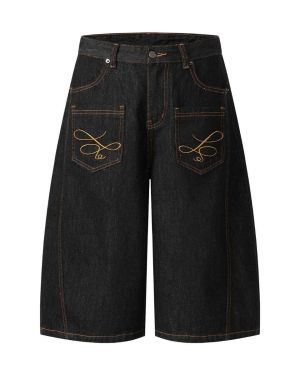
Can combine frayed hems, raw edges, layered waist details, unusual pockets, embroidery, panels or stronger wash effects.
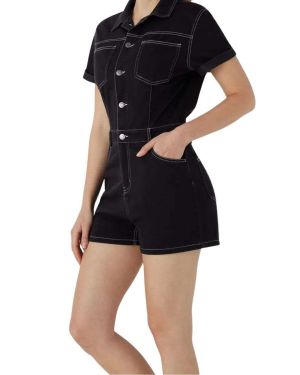
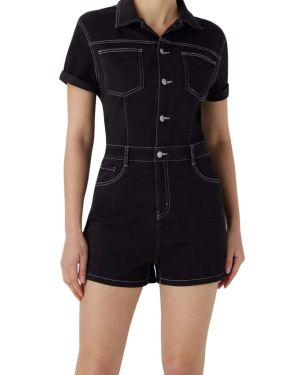
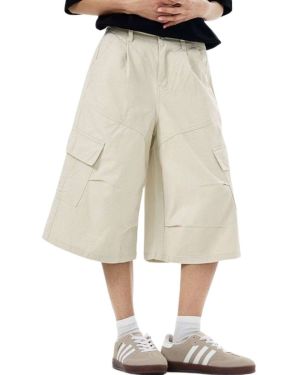
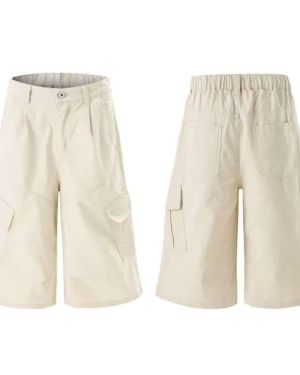
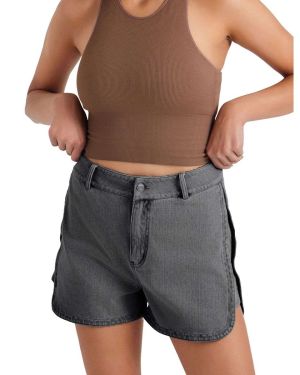
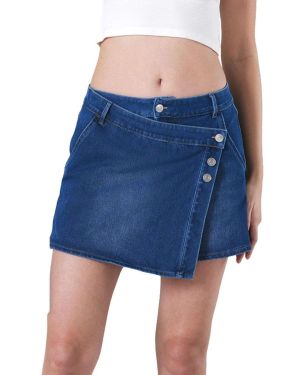
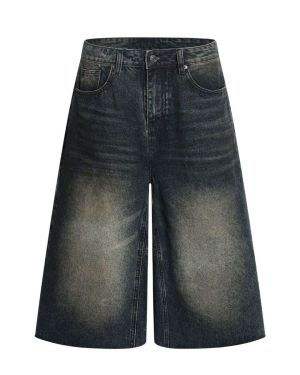
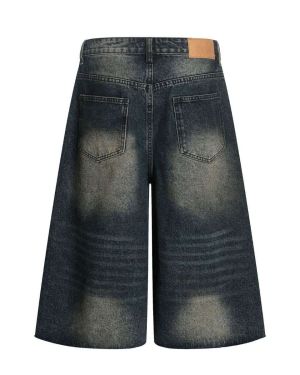
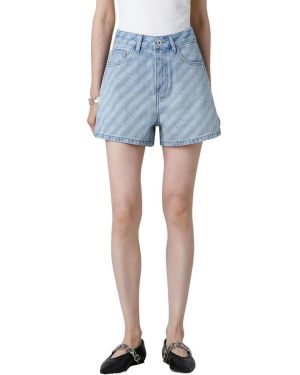
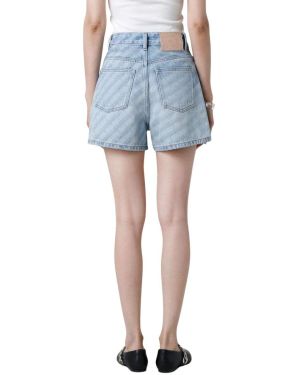
Production-Ready Denim Shorts
What Should Be Approved Before Bulk Production?
A production-ready denim shorts style has an approved finished silhouette, defined post-wash measurements, confirmed fabric behavior, closed construction details and an agreed visual standard for wash, hem and distressing.
Fit & Length Are Measurable
Waist, high hip, seat, front and back rise, thigh, inseam, outseam and leg opening are confirmed on the finished garment.
Construction Is Closed
Waistband, fly, pockets, belt loops, seams, reinforcement, hardware and hem treatment are approved before bulk cutting.
Wash & Hem Are Physical Standards
Shade, fade, distress, raw-edge character, cuff or clean hem and post-wash measurements are approved together on a physical sample.
Denim Shorts Specification Checklist
What Should You Define Before Sampling?
The strongest development brief combines fit, length, denim behavior, construction, finishing and commercial requirements rather than relying on a general label such as “high-waisted denim shorts.”
Denim Shorts Fit Geometry
Rise, Seat, Thigh and Leg Opening Define the Silhouette Together
Shorts fit is especially sensitive because there is less garment length to absorb proportion changes. Small differences around rise, seat and thigh can materially change comfort and visual balance.
Waist & High Hip
Waistband position and high-hip relationship determine whether the finished style sits cleanly at the intended rise.
Front & Back Rise
Rise controls crotch depth, waist position and seat balance and should be reviewed with the intended fabric stretch and finished wash.
Seat & Thigh
Seat ease and thigh width determine whether the garment feels body-contoured, straight, relaxed or intentionally oversized.
Leg Opening
The relationship between thigh and hem opening defines whether the leg looks fitted, straight, A-line or wide.
| Fit Direction | Key Variables | Bulk-Control Focus |
|---|---|---|
| Fitted / Body-Contoured | Waist, rise, seat, thigh, stretch and recovery, leg opening | Post-wash dimensions and stretch recovery should preserve comfort without losing shape. |
| Classic Straight | Rise, seat ease, thigh, inseam and balanced leg opening | Front/back balance and clean side-seam position are important across sizes. |
| Relaxed / Wide-Leg | Seat, thigh, crotch depth, length and wider leg opening | Volume should look intentional and remain proportionate after wash and grading. |
| Long-Length / Bermuda | Outseam, inseam, thigh-to-knee line and leg opening | Length, hem position and overall proportion should be checked on the finished garment. |
Length & Inseam
Define Length by Measurement, Not Only by a Marketing Name
A label such as “3-inch,” “hot pants,” “mid-thigh” or “Bermuda” can describe a style direction, but bulk production still needs an approved inseam, outseam and finished body proportion for each size.
Short-Length Styles
Rise, crotch shape, seat coverage and leg opening become highly visible. Small measurement changes can strongly affect comfort and coverage.
Mid-Length Styles
Balance the intended casual silhouette with thigh width, hem opening and side-seam shape rather than extending a short style without pattern adjustment.
Bermuda / Long-Length Styles
Longer shorts require deliberate control of thigh-to-hem shape, knee-area volume, pocket position and outseam proportion.
For sourcing or quoting, provide the intended inseam and a visual or physical fit reference where possible. Product names alone are not reliable measurement standards.
Denim Fabric Selection
Rigid and Stretch Denim Support Different Shorts Fits
Structured Direction
Rigid Denim
Supports authentic denim structure, wide-leg, straight, vintage and streetwear silhouettes. Shrinkage and finished comfort should be planned through pattern and wash approval.
Close-Fit Direction
Stretch Denim
Useful for fitted, slim and comfort-focused shorts. Stretch percentage, recovery and post-wash dimensions should be evaluated together.
Project-Specific Direction
Specialty Denim
Black denim, recycled-content materials, coated effects, knit-denim directions or other specialty fabrics should be confirmed against actual sourcing, MOQ and finishing compatibility.
For deeper information on denim composition, weight, shrinkage, wash behavior and batch control, use the Denim Fabric, Wash & Production Hub.
Waistband, Rise & Closure
The Waist System Controls Both Fit and Visual Position
Waistband Height
Finished waistband height changes the visible rise and should be included in the approved measurement standard.
Fly Construction
Zipper length, fly shape, top button and reinforcement should be matched to the rise and front pattern.
Belt Loops
Loop quantity, width, placement and attachment should support both the design and expected wear.
Deconstructed / Hybrid Waist
Layered, frayed, crossover, elasticized or other fashion waist treatments require an explicit construction and measurement standard.
Pocket & Construction System
Pocket Placement Has a Large Effect on Shorts Proportion
Front Scoop Pockets
Opening shape, depth, facing and coin-pocket details should match the intended 5-pocket or modified denim construction.
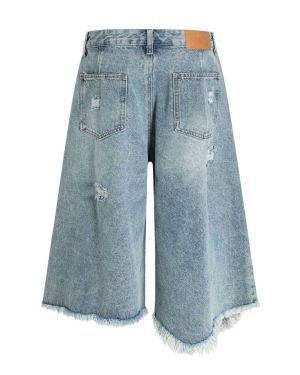
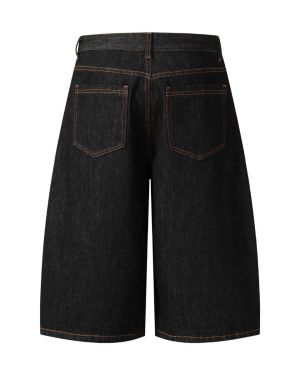
Rear Patch Pockets
Size, angle, spacing and vertical placement affect the visual proportion of the seat and should be controlled across sizes.
Cargo / Utility Pockets
Additional pocket volume should be balanced against thigh width, garment length and side-seam construction.
Reverse / Deconstructed Pockets
Inside-out, layered or asymmetric pocket treatments require clear placement, edge and attachment references for repeatability.
Hem Architecture
Raw, Frayed, Rolled and Clean Hems Need Different Production Controls
Clean Hem
Provides a controlled finished edge and requires consistent hem depth, stitch line and final length.
Raw / Frayed Hem
Fray depth, edge irregularity, reinforcement and final length should be approved so bulk distressing remains within the intended appearance.
Rolled / Cuffed Hem
Cuff depth, number of folds, securing method and finished leg opening should be standardized before bulk.
Shaped / Uneven Hem
Curved, stepped, high-low or deconstructed hems require explicit front, back and side reference measurements.
Finished Shorts Approval
Fit × Fabric × Wash Must Be Approved Together
Denim wash can change shade, hand feel, stretch behavior, shrinkage, distressing character and final dimensions. The approved standard should therefore connect the intended fit to the actual fabric and finishing route.
FIT
Finished Geometry
Waist · rise · seat · thigh · inseam · outseam · leg opening.
FABRIC
Material Behavior
Weight · rigid / stretch · recovery · shrinkage · hand feel.
WASH
Finished Appearance
Shade · fade · whisker · distress · fray · surface character.
Decoration & Fashion Details
Build Decorative Effects Into the Bulk Standard
Embroidery
Confirm artwork, size, position, backing and behavior through the intended garment finishing route.
Print / Paint Effects
Graphic, splatter or surface treatments should have an approved placement and appearance range.
Rips & Distressing
Location, opening size, reinforcement and bulk appearance should be standardized rather than left to uncontrolled variation.
Studs / Rhinestones / Appliqué
Decorative components require defined placement, attachment method and compatibility with the planned wash or finishing route.
Size Grading
Preserve Rise, Length and Leg Shape Across the Size Range
Good grading protects the intended silhouette. It should not simply add the same amount to every measurement.
Fitted Styles
Waist, high hip, seat, rise, thigh and leg opening need proportionate growth while the selected stretch fabric maintains comfort and recovery.
Relaxed / Wide Styles
Volume should remain intentional without creating excessive crotch depth, length or disproportionate leg openings in larger sizes.
Long-Length Styles
Inseam, outseam, pocket placement and leg shape should stay visually balanced rather than scaling only through width.
Use an approved finished measurement chart and grading rule for the target market. Size labels such as S–XL or US/EU sizing do not replace a physical measurement standard.
Commercial Route Selector
Choose the Denim Shorts Development Route That Matches Your Starting Point
Buyer-Defined Specification
OEM Production
You already have a tech pack, measurements, fabric and wash direction or an approved reference and mainly need production execution.
Concept Requires Development
ODM Development
You have a market direction, reference or collection concept but still need support developing fit, fabric, wash or construction.
Adapt an Existing Product
Private Label
You want to start from an established shorts base and focus on eligible fit, wash, branding, trim or packaging changes.
First Collection
Startup Route
You need a controlled route for MOQ, sample approval, first-order risk and repeat-order planning.
Denim Shorts Manufacturing RFQ
What Should You Send for a Useful Denim Shorts Quote?
The strongest RFQ lets the factory evaluate the actual fit, length, material, finishing and production complexity instead of guessing from a product name.
| Input | What to Provide |
|---|---|
| Starting Point | Tech pack · physical sample · product URL · reference photos · sketch · existing New Asia style |
| Fit | Fitted · straight · relaxed · wide-leg · long-length / Bermuda direction |
| Measurements | Waist · hip / seat · front / back rise · thigh · inseam · outseam · leg opening · size range |
| Denim | Composition · weight / oz · rigid or stretch · hand feel · preferred material direction |
| Construction | Waistband · fly · belt loops · pocket system · seams · reinforcement · hem treatment |
| Wash / Finish | Target shade · fade · whisker · distress · laser · raw / frayed effect · physical or visual reference |
| Hardware | Button · zipper · rivets · studs · custom logo components · other trims |
| Decoration | Embroidery · print · paint effect · patches · rhinestones · appliqué · artwork |
| Branding | Main / size / care labels · patch · hangtags · packaging |
| Commercial | Quantity per style / wash / color · target market · sample target · delivery window |
Denim Shorts Production Workflow
10 Steps From Product Brief to Bulk Production
Project Review
Confirm product direction, quantity, market, customization and commercial requirements.
Fit & Length Definition
Close rise, waist, seat, thigh, inseam, outseam and leg-opening targets.
Denim Fabric Review
Review composition, weight, rigid / stretch direction, shrinkage, hand feel and availability.
Pattern & Construction Planning
Develop the pattern around fit, waistband, fly, pockets, hem and the expected finishing change.
Sample Development
Create the physical sample for fit, construction, wash, hem, hardware and decoration review.
Finished Sample Approval
Approve wash appearance, distressing, hem character and post-wash measurements together.
Bulk Cutting & Sewing
Produce against the approved pattern, construction, pocket, seam and measurement standard.
Wash, Distress & Finishing
Apply the confirmed finishing route and complete approved hardware and decorative details.
Finished Shorts QC
Review measurements, symmetry, waistband, pockets, hem, hardware, wash and bulk consistency.
Branding, Packing & Shipment Preparation
Verify labels, hangtags, packaging and confirmed order requirements before shipment preparation.
Typical planning windows are 5–10 days for sampling and 15–30 days for bulk production after approval and material readiness. Fabric sourcing, specialty washes, custom hardware, distressing and revision rounds can extend the total project calendar.
MOQ, Cost & Timing
Custom Denim Shorts MOQ and Main Cost Drivers
Custom Denim & Fashion Garments
From 300 pcs/style
Primary planning benchmark for full custom denim shorts production.
Existing Style Customization
From 50 pcs
Available where the selected existing style and requested customization route support it.
Selected Ready Stock
No MOQ Where Applicable
Applies only to eligible in-stock products without production customization.
| Cost Driver | Why It Matters |
|---|---|
| Denim fabric | Composition, weight, rigid / stretch construction, specialty finish and sourcing route affect material cost and handling. |
| Pattern & grading | New rise, fit, length and size systems require product development and approval work. |
| Pocket / construction complexity | Cargo, reverse, layered or deconstructed features add operations and control points. |
| Wash & distressing | More complex fading, ripping, fraying, laser or manual effects add development and processing. |
| Hem treatment | Raw, frayed, rolled, shaped or specialty hems require different finishing and consistency controls. |
| Hardware / trims | Buttons, rivets, zippers, studs and custom components affect sourcing and setup. |
| Decoration | Embroidery, printing, rhinestones, patches and appliqué add materials, labor and QC. |
| Quantity / breakdown | Units per style, wash, color and size influence fabric buying, wash setup and production efficiency. |
| Testing / QC | Buyer-specific inspection, testing or qualification requirements can affect project cost. |
Finished Denim Shorts Quality Control
QC Should Check Fit, Construction, Wash and Hem Together
The finished shorts should be reviewed against the approved sample and project-specific QC plan after the relevant washing, distressing or finishing route.
1. Fabric & Shade
Review material identity, shade behavior and relevant fabric performance against the approved direction.
2. Finished Measurements
Check waist, rise, seat, thigh, inseam, outseam, leg opening and other agreed points after finishing.
3. Waistband & Fly
Inspect waistband shape, button / zipper operation, center front and belt-loop attachment.
4. Pocket Placement
Check front and rear pocket dimensions, spacing, angle and symmetry against the approved sample.
5. Side Seams & Crotch
Review seam position, rise balance, reinforcement and visible distortion after finishing.
6. Hem & Distressing
Check clean, raw, frayed, cuffed or specialty hem character and distressing position within the approved range.
7. Hardware & Decoration
Verify operation, attachment, placement and visible finish for buttons, rivets, trims and decorative elements.
8. Wash & Bulk Consistency
Compare finished shade, fade, hand feel, distressing and overall appearance with the approved reference.
Measurement tolerances, testing requirements and inspection criteria should follow the actual buyer specification and agreed QC plan rather than a single universal standard.
First-Party Manufacturing Evidence
Evaluate the Production System Behind the Finished Shorts
For supplier qualification, connect product claims to actual material capability, sample approval, production records, finishing control and finished-garment inspection.
Apparel Manufacturing Since 1986
New Asia has supported apparel manufacturing since 1986, with a wider production network covering denim and other garment categories.
Scaled Manufacturing Network
Across its wider operating network, New Asia reports 6 specialized factories and facilities, 12,000+ skilled employees and annual garment production capacity of 30M+ pieces.
Denim-Specific Production Control
The denim manufacturing system links fabric behavior, shrinkage, pattern, construction, wash, post-wash measurements and final QC rather than treating sewing as the only production variable.
Related Denim Categories
Use the Correct Product Hub for the Garment You Are Developing
Custom Denim Jeans
For full-length denim bottoms where rise, silhouette, leg shape, wash and grading are the main product decisions.
Custom Denim Jackets
For outerwear programs centered on shoulder, body length, collar, pockets, cuffs, hardware and wash.
Denim Manufacturing
For deeper fabric, shrinkage, wash, construction, finishing and bulk-production information across denim categories.
Buyer FAQ
Common Questions About Custom Denim Shorts Manufacturing
What is the MOQ for custom denim shorts?
The primary planning benchmark for custom denim and other fashion garments is from 300 pieces per style. Existing-style customization can start from 50 pieces where the selected style and requested changes support that route. Selected ready-stock products may have no MOQ when no production customization is required.
How long does denim shorts sampling usually take?
Sampling typically takes 5–10 days after the key fit, fabric, wash and product requirements are confirmed. More complex distressing, specialty hardware, unusual construction or multiple revision rounds can extend the development calendar.
Can New Asia develop high-rise, fitted, wide-leg or Bermuda denim shorts?
These are valid development directions where the selected fabric, pattern, finishing and quantity fit the project. The final silhouette should be defined through measurable finished specifications and an approved physical sample.
Can I customize the hem and distressing?
Clean, raw, frayed, rolled, shaped and other hem directions can be reviewed according to the product. Distressing location, opening, fray depth and bulk appearance should be approved as part of the finished sample rather than left undefined.
Should I use rigid or stretch denim for shorts?
Rigid denim is commonly suited to structured, straight, vintage and wide silhouettes, while stretch denim can support closer-fitting or comfort-focused shapes. The correct choice depends on fit, recovery, hand feel, wash and the target finished measurements.
Why do denim shorts need post-wash measurement approval?
Washing and finishing can change shrinkage, stretch behavior, hand feel, inseam, outseam, leg opening and distressing character. The approved finished sample should therefore combine the visual standard with the measurement standard.
What should I send for a denim shorts quotation?
Send your closest product reference or tech pack, target rise and fit, finished measurements or size chart, denim direction, wash reference, hem and pocket requirements, hardware and decoration details, size range, quantity, target market and timeline.
Next Step
Ready to Develop Your Denim Shorts Program?
Send your closest shorts reference, target rise, fit, length, denim direction, wash, hem, construction, branding and estimated quantity. The first objective is to establish a finished standard that can be approved before bulk production.