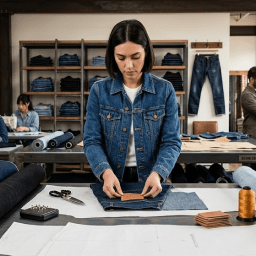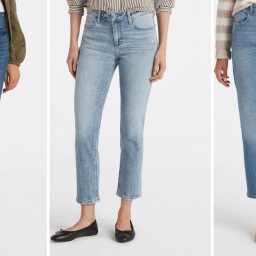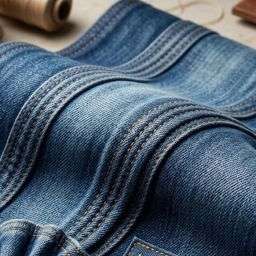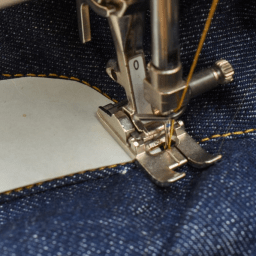

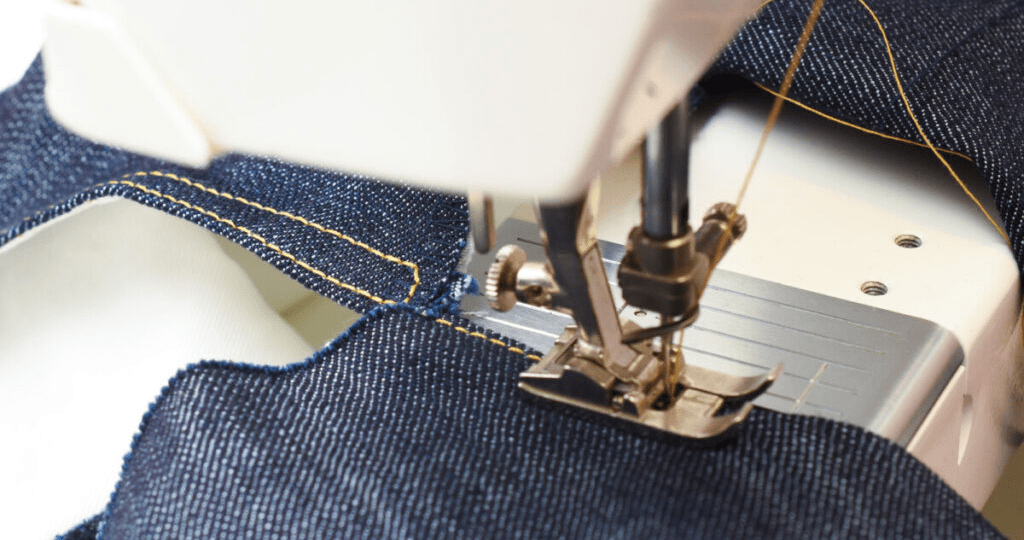
Jeans remain one of the most popular apparel categories worldwide. From premium designer denim to mass-market collections, every successful pair of jeans starts with one critical step: pattern making.
If you’re wondering how to pattern jeans accurately for production, understanding the process can help apparel brands reduce fitting issues, improve product consistency, and shorten development timelines.
Whether you’re launching a new denim collection, sourcing from a jeans manufacturer, or developing custom OEM denim products.
We have extensive expertise in how to pattern jeans, from developing accurate denim blocks and creating size-graded patterns to optimizing fit, construction, and production efficiency, ensuring high-quality jeans manufacturing that meets international standards.
We are also a long-term manufacturing partner of global fashion brands such as American Eagle Outfitters, Uniqlo, Zara, Gap, Levi’s, and Lee, demonstrating our capability in large-scale, high-standard apparel production.
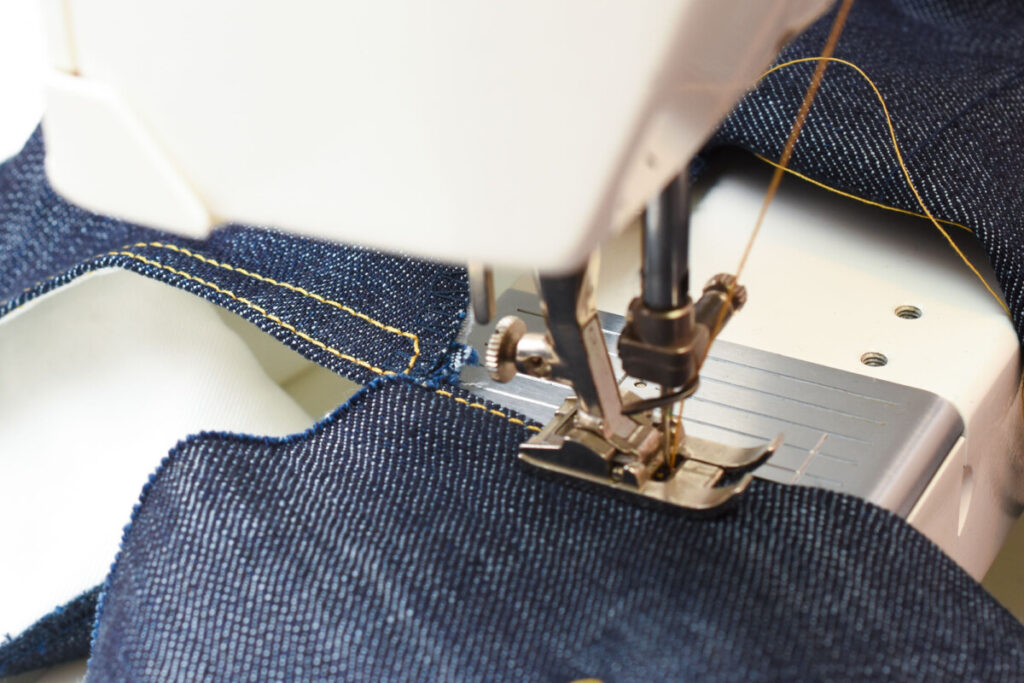
What Is a Jeans Pattern?
A jeans pattern is a technical blueprint used to cut fabric pieces that will later be assembled into a finished pair of jeans.
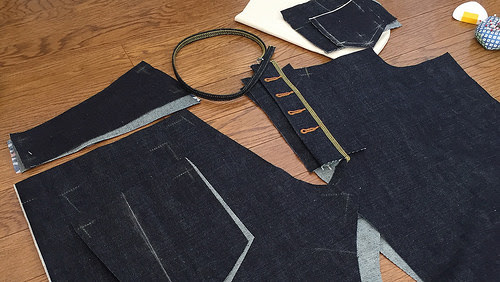
A complete jeans pattern typically includes:
- Front leg panel
- Back leg panel
- Waistband
- Pocket bags
- Coin pocket
- Fly shield
- Yoke
- Belt loops
Every measurement, curve, seam allowance, and construction detail must be accurately developed to ensure proper fit and consistency during production.
Why Accurate Jeans Pattern Making Matters
Professional pattern development impacts much more than appearance.
A well-developed jeans pattern helps:
- Improve Fit Consistency
- Customers expect the same fit every time they purchase a particular style. Consistent patterns reduce size variation across production runs.
- Reduce Sampling Costs
- Incorrect patterns often require multiple sample revisions, increasing development expenses and delaying product launches.
- Increase Production Efficiency
- Factory sewing operations become more efficient when pattern pieces are balanced and technically correct.
- Strengthen Brand Reputation
- Well-fitting jeans contribute to customer satisfaction, repeat purchases, and positive reviews.
For apparel brands, investing in proper pattern development often generates long-term savings throughout the production cycle.
Tools Required for Jeans Pattern Making
Professional pattern makers typically use:
Traditional Tools
- Measuring tape
- Pattern paper
- French curve
- Hip curve ruler
- Tracing wheel
- Grading ruler
Digital Pattern Software
Modern manufacturers increasingly rely on CAD systems such as:
- Gerber AccuMark
- Lectra
- Optitex
- CLO 3D
Digital pattern development improves precision and reduces sample revision cycles.
What Materials Do You Need to Pattern Jeans?
Creating a professional jeans pattern requires the right tools and materials to ensure accuracy, fit, and production efficiency.
- Measurements and Design Reference: Start with accurate body measurements, including waist, hip, rise, inseam, and thigh measurements. Reference samples or existing jeans can help define the desired fit and style.
- Pattern-Making Tools: Essential tools include pattern paper, rulers, curves, measuring tape, pencils, and markers. These tools help draft the front and back leg panels, waistband, yoke, pockets, and fly pieces accurately.
- Pattern Software (Optional): Many professional pattern makers use CAD software to create, edit, and grade jeans patterns digitally, improving precision and productivity.
- Fit Samples and Testing: Creating a prototype or sample garment allows you to evaluate fit, balance, and comfort before finalizing the pattern.
- Technical Specifications: Clear pattern markings, seam allowances, notches, grainlines, and construction details are essential for smooth sampling and efficient production.
With the proper tools and preparation, you can develop accurate jeans patterns that deliver consistent fit, quality, and manufacturing performance.
Step-by-Step Guide: How to Pattern Jeans
Step 1: Define the Target Fit
Before drafting begins, determine the intended fit.
Common jeans fits include:
- Skinny Fit
- Slim Fit
- Straight Fit
- Relaxed Fit
- Wide Leg Fit
- Baggy Fit
- Bootcut Fit
Each silhouette requires different ease allowances and leg shaping.
Professional pattern makers typically start by analyzing:
- Target customer demographics
- Body measurements
- Market trends
- Fabric stretch percentage
The fit strategy becomes the foundation of the entire pattern.
Step 2: Develop the Base Block
A base block serves as the starting point for pattern creation.
The block includes key body measurements such as:
- Waist circumference
- Hip circumference
- Rise length
- Thigh width
- Knee width
- Hem opening
- Inseam length
Most manufacturers maintain digital block libraries for different customer groups and market segments.
Using an existing block significantly accelerates development while maintaining fit accuracy.
Step 3: Draft the Front Pattern
The front panel is drafted first.
Important considerations include:
Front Rise
The rise determines comfort and silhouette.
Higher rises generally provide:
- Better waist support
- Vintage-inspired aesthetics
- Improved body shaping
Lower rises create a more contemporary appearance but require careful balancing.
Fly Construction
The fly extension must provide sufficient overlap for:
- Zipper installation
- Button closures
- Structural stability
Pocket Opening
The pocket shape affects both functionality and visual appeal.
Professional denim brands often use customized pocket curves as part of their brand identity.
Step 4: Create the Back Pattern
The back pattern significantly influences how jeans fit the seat and hips.
Key areas include:
Back Rise
Back rise measurements must align with body movement and sitting comfort.
Seat Shape
Proper seat shaping prevents:
- Excess fabric wrinkles
- Tight pulling
- Sagging appearance
Back Yoke Design
The yoke is one of the most important elements in denim pattern making.
A deeper yoke generally creates:
- Enhanced body contouring
- Better shaping effects
- More premium appearance
Many premium denim brands use specially engineered yokes to improve fit perception.
Step 5: Design the Pockets
Pocket placement is often underestimated.
In reality, it plays a major role in visual balance.
Back pocket positioning can influence how:
- Hips appear
- Legs look proportioned
- Overall fit is perceived
Experienced pattern makers carefully adjust:
- Pocket width
- Pocket height
- Pocket angle
- Pocket spacing
Even small adjustments can dramatically change the appearance of the finished garment.
Step 6: Draft the Waistband
The waistband must match the waist opening precisely.
Typical waistband options include:
Straight Waistband
Suitable for simpler constructions and relaxed fits.
Contoured Waistband
Provides better body conformity and improved comfort.
Premium jeans manufacturers frequently use contoured waistbands for enhanced fit performance.
Step 7: Add Seam Allowances
Once pattern pieces are finalized, seam allowances are added.
Common denim seam allowances include:
- Side seams
- Inseams
- Waist seams
- Fly seams
- Pocket seams
Allowances must align with factory sewing methods and equipment capabilities.
Step 8: Create a Prototype Sample
Pattern validation requires a physical sample.
The sample helps evaluate:
- Overall fit
- Balance
- Leg shape
- Comfort
- Construction feasibility
Professional development teams conduct multiple fitting sessions before approving production patterns.
This stage often identifies subtle improvements that are difficult to detect on digital patterns alone.
Step 9: Grade the Pattern
After approval, the base size is graded into a complete size range.
Grading creates additional sizes while maintaining proportional fit.
Common denim size ranges include:
- Men’s: 28–42
- Women’s: 24–34
- Plus Size Collections
- Youth Sizes
Accurate grading ensures consistency across all sizes.
From Pattern to Sample: The Next Step
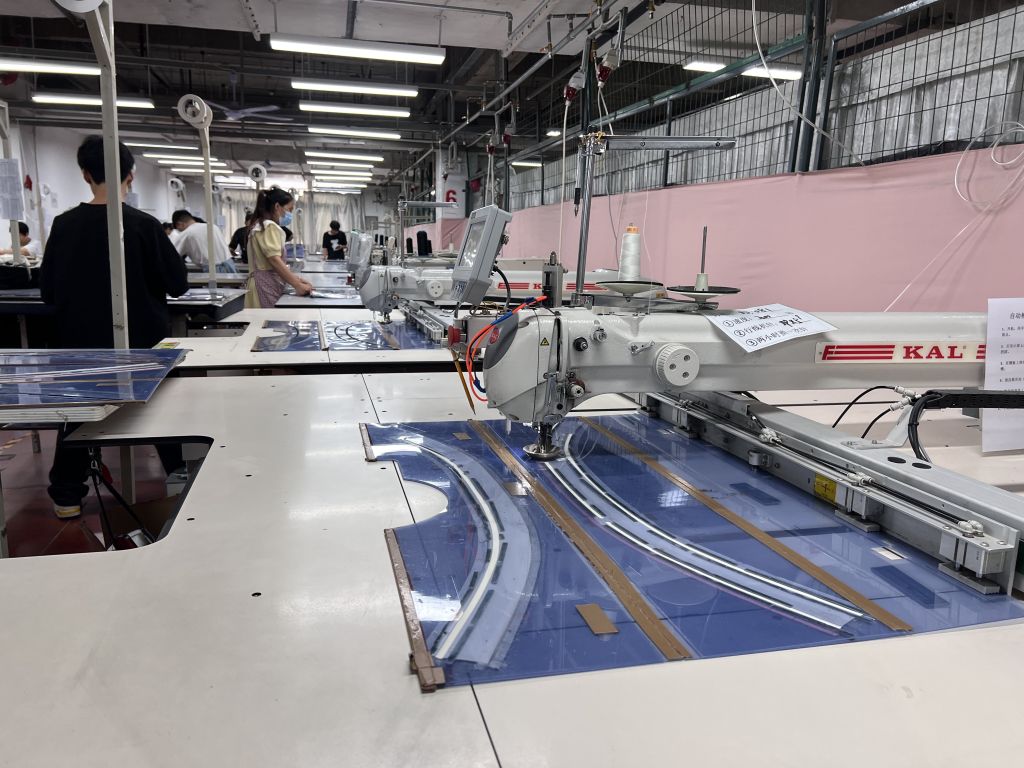
Once the pattern is completed, manufacturers create a development sample.
This stage helps verify:
- Fit
- Construction quality
- Fabric performance
- Wash effects
- Trims and accessories
Multiple sample rounds may be required before production approval.
How Newasia Garment Supports Denim Brands
Newasia Garment Co., Ltd. provides comprehensive denim development and manufacturing solutions for global fashion brands.
Our services include:
- Professional pattern making
- Denim sample development
- OEM manufacturing
- ODM product development
- Fit optimization
- Pattern grading
- Bulk production management
- Quality control inspections
Our technical team works closely with customers to transform sketches, tech packs, and design concepts into market-ready denim products.
Why Choose Newasia Garment Co., Ltd.?
Brands choose Newasia because we offer:
- Experienced denim development specialists
- Advanced pattern making capabilities
- Competitive manufacturing solutions
- Flexible MOQ options
- Reliable delivery schedules
- International quality standards
- Strong OEM and ODM expertise
From concept development to final production, our team provides end-to-end support for denim projects of every scale.
Frequently Asked Questions
Q1:How long does it take to develop a jeans pattern?
Typically between 3–10 days depending on complexity.
Q2:How many samples are usually required?
Most brands approve jeans after 2–4 sample rounds.
Q3:Can jeans patterns be developed digitally?
Yes. Most professional manufacturers now use CAD software for pattern development.
Q4:What is the difference between pattern making and grading?
Pattern making creates the base size. Grading scales that pattern into additional sizes.
Q5:Why is pattern development important before production?
Accurate patterns reduce fit issues, lower manufacturing costs, and improve customer satisfaction.
Conclusion
Learning how to pattern jeans is essential for creating high-quality denim products that fit well and perform consistently. While pattern making requires technical expertise, partnering with an experienced manufacturer can simplify the process and improve product success.
If you are looking for professional denim pattern making, sample development, or OEM manufacturing services, Newasia Garment is ready to support your next denim collection with industry-leading expertise and proven manufacturing capabilities.
Read more