
Making a jeans pattern for stretch fabric is significantly different from traditional rigid denim pattern making. Stretch denim introduces elasticity, recovery behavior, and fabric tension factors that must be carefully considered during the design and production process.
Unlike non-stretch denim, stretch fabrics require precise pattern adjustments to ensure a proper fit that remains stable after repeated wear.
At Newasia Garment Co.,Ltd., we specialize in stretch denim pattern development and OEM jeans manufacturing for global fashion brands. Our development team works closely with international clients to create high-performance denim garments that combine comfort, durability, and consistent fit.
We are also a trusted manufacturing partner of brands such as American Eagle Outfitters, Uniqlo, Zara, Gap, Levi’s, and Lee.
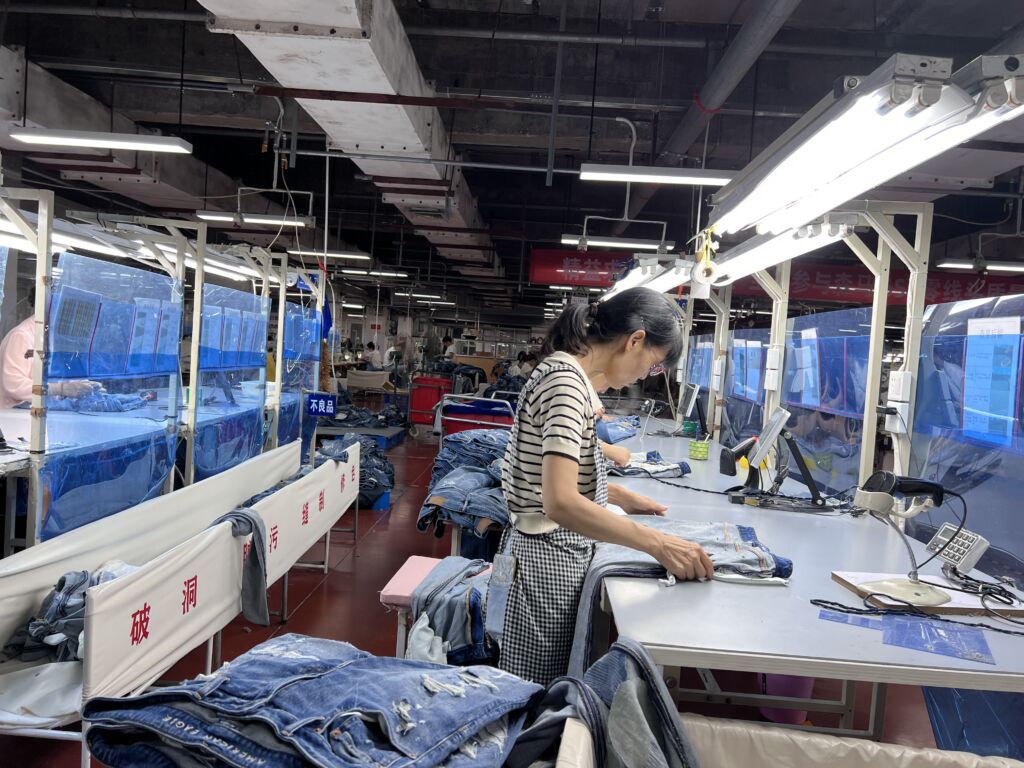
What Makes Stretch Denim Pattern Making Different?
The main difference between stretch denim and rigid denim lies in fabric behavior. Stretch fabrics contain elastic fibers such as elastane or spandex, which allow the garment to expand and recover.
Because of this, pattern makers must adjust traditional denim blocks to account for:
- fabric stretch percentage
- recovery rate after tension
- body movement allowance
- long-term shape retention
Ignoring these factors can result in jeans that become loose, misshaped, or uncomfortable over time.
Understanding Stretch Percentage in Denim Fabric
Stretch denim typically ranges from:
| Type | Stretch % | Usage |
|---|---|---|
| Light stretch | 5–15% | Slim fit jeans |
| Medium stretch | 15–30% | Skinny jeans |
| High stretch | 30–50% | Super skinny / shaping jeans |
Each category requires different pattern compensation rules.
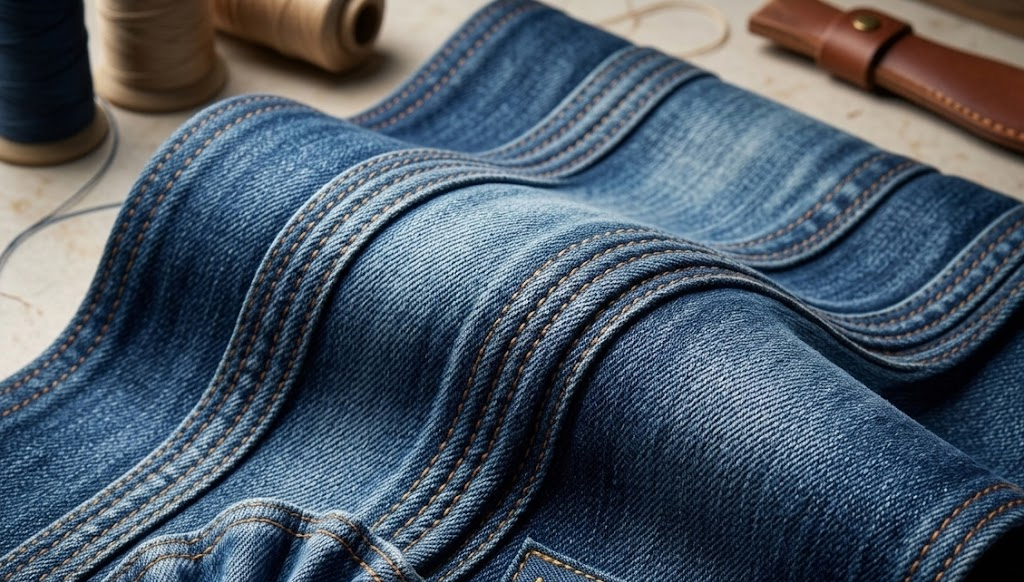
Step-by-Step: How to Make a Jeans Pattern for Stretch Fabric
Step 1: Understand Your Stretch Denim Type
Before creating a pattern, identify the stretch level:
1. Low Stretch (1%–10%)
- More stable structure
- Suitable for straight and regular fits
- Minimal pattern reduction required
2. Medium Stretch (10%–30%)
- Most common in fashion denim
- Used in slim fit jeans
- Requires moderate pattern adjustment
3. High Stretch (30%–50%+)
- Used in jeggings or ultra-slim jeans
- Requires significant reduction in pattern measurements
- Needs careful recovery testing
Understanding stretch percentage is the foundation of accurate jeans pattern making.
Step 2: Apply Negative Ease (The Most Important Rule)
For stretch denim, you do NOT use body measurements directly.
Instead, you apply negative ease, meaning the pattern is smaller than the body.
Typical Negative Ease Guide:
- Waist: -2cm to -6cm
- Hip: -2cm to -5cm
- Thigh: -1cm to -4cm
- Knee/leg opening: depends on design intent
This ensures the jeans fit snugly but remain comfortable due to fabric elasticity.
Step 3: Adjust the Basic Jeans Block
Start with a standard denim block, then modify it for stretch fabric:
Key Adjustments:
1. Reduce Rise Slightly
Stretch fabric sits closer to the body, so:
- Front rise can be reduced slightly
- Back rise must maintain coverage for comfort
2. Narrow the Leg Shape
Slimmer silhouettes work better with stretch denim:
- Reduce thigh width
- Taper leg more aggressively
3. Rebalance Inseam & Outseam
Stretch fabric can distort seams under tension, so:
- Ensure balanced seam lengths
- Avoid excessive curve distortion
Step 4: Control Waistband Construction
Stretch jeans require special waistband consideration:
Options:
- Elastic waistband inserts
- Stretch waistband lining
- Contoured waistband shaping
Important:
A rigid waistband with stretch body fabric often causes discomfort or gaping issues.
Step 5: Pocket and Seam Adjustments
Stretch fabric affects structural elements like pockets and stitching.
Pocket Adjustments:
- Slightly reduce pocket opening width
- Reinforce pocket corners to prevent tearing
- Use stretch-compatible pocket bag fabric
Seam Adjustments:
- Use stretch stitching (e.g., 2-needle chain stitch)
- Reinforce high-stress areas (crotch, knees)
Step 6: Choose the Right Stitching Techniques
Not all stitches work well with stretch denim.
Recommended Stitch Types:
- Chain stitch for flexibility
- Overlock stitching for internal seams
- Coverstitch for waistbands and hems
Avoid rigid lockstitch in high-stretch zones as it may break under tension.
Step 7: Perform Fabric Recovery Testing
A critical step often ignored in low-quality production:
Test how the fabric returns after stretching:
- Stretch sample to maximum width
- Hold for 30–60 seconds
- Measure recovery rate
Good stretch denim should recover at least 90%–95% of original shape.
Step 8: Mock-Up Fitting and Pattern Correction
Before bulk production:
- Create sample jeans (toile or prototype)
- Test on multiple body types
- Evaluate:
- Knee bagging
- Waist gaping
- Seat distortion
- Thigh tension
Then adjust pattern accordingly.
Stretch Fabric vs Rigid Denim Pattern Differences
| Feature | Rigid Denim | Stretch Denim |
|---|---|---|
| Ease | Zero or minimal | Negative ease required |
| Fit behavior | Stable | Dynamic |
| Comfort | Structured | Flexible |
| Pattern adjustment | Standard block | Modified block |
| Recovery | Not required | Critical |
A well-developed stretch jeans pattern typically includes:
Fabric Behavior Analysis
Understanding stretch percentage and recovery rate (e.g., 20%–50% stretch)
Testing fabric shrinkage after washing and wear simulation
Evaluating warp/weft stretch direction for correct pattern alignment
Stretch Pattern Development
Reducing key pattern widths for negative ease (waist, hip, thigh)
Adjusting front and back rise for body contouring fit
Refining knee and calf shaping for skinny silhouette balance
Block Adaptation Techniques
Modifying standard denim block into stretch-specific block
Adding or reducing ease based on fabric elasticity
Repositioning seams for improved flexibility and movement
Fit Testing & Sampling
Creating multiple test samples for fit evaluation
Checking tension points (waistband, crotch, knees)
Refining pattern through wearer feedback and movement tests
Grading for Stretch Denim
Maintaining proportional negative ease across all sizes
Adjusting grading rules to preserve slim silhouette consistency
Ensuring stretch recovery behaves uniformly in all size ranges
Production Optimization
Aligning pattern with industrial sewing requirements for stretch fabric
Selecting appropriate stitches (e.g., overlock, cover stitch) for elasticity
Ensuring consistent fit after washing and finishing processes
Customization Capabilities
High-rise, mid-rise, and low-rise stretch skinny fits
Ultra-skinny, tapered, or sculpted leg variations
Different stretch levels for comfort, shaping, or performance denim
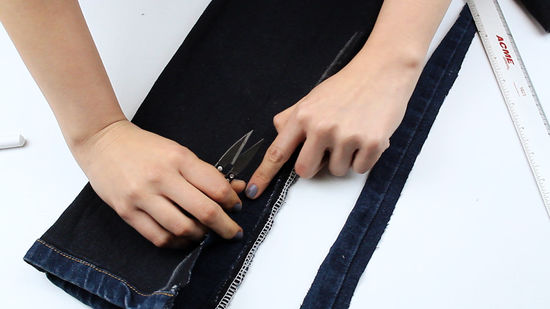
Why Brands Choose Newasia Garment Co.,Ltd.
At Newasia Garment Co.,Ltd., we provide full-service denim development, including stretch fabric engineering, pattern optimization, and OEM production support.
We are also a manufacturing partner of globally recognized brands such as American Eagle Outfitters, Uniqlo, Zara, Gap, Levi’s, and Lee.
Our capabilities include:
- stretch denim pattern engineering
- OEM jeans manufacturing
- fit development and correction
- fabric performance testing
- bulk production quality control
- custom denim product development
OEM & ODM Stretch Jeans Development Services
We support brands and startups in:
- Custom stretch denim jeans development
- Private label jeans production
- Pattern engineering & grading
- Sample development & fitting correction
- Bulk manufacturing support
How Do We Guarantee the Quality
Our quality assurance begins with designing and planning, then continues through every step of the production and post-production inspections. Delivery is not an ending. We still offer money-back guarantee for quality issues.
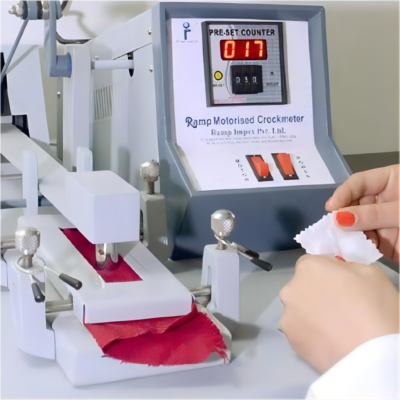
When sourcing fabrics, we will check all related fabric certificates from our suppliers.
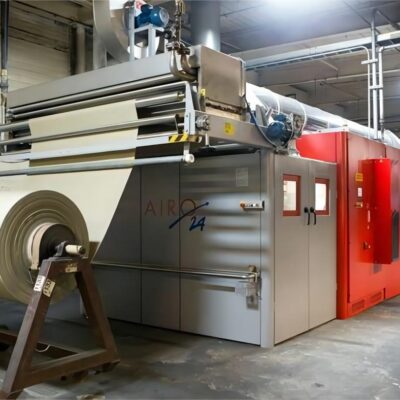
We make sure the fabric is well pre-washed to meet the standards before cutting.
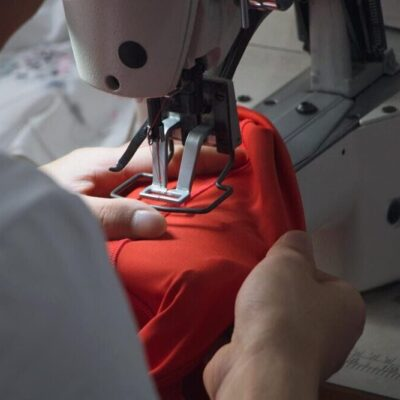
All our workers are well-trained and have many years of experience in the garment industry. They are all local workers with high stability.
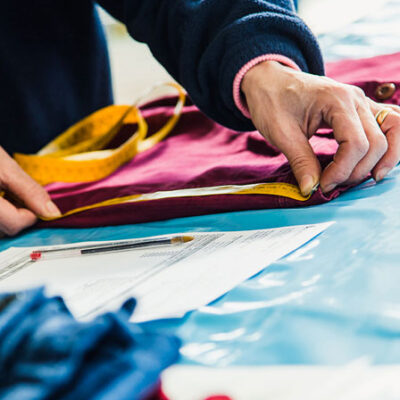
Our quality team will follow SOPs to conduct five times of quality checks before shipping.
Frequently Asked Questions
Q1:Why is stretch denim pattern making different from regular denim?
Because stretch fabrics behave dynamically and require negative ease and recovery considerations.
Q2:What is negative ease?
It is the intentional reduction of garment size to allow controlled fabric stretch.
Q3:Can stretch jeans lose shape over time?
Yes, low-quality fabrics or poor pattern design can lead to deformation.
Q4:How do manufacturers ensure fit consistency?
Through testing, grading systems, and controlled production processes.
Q5:Can I develop custom stretch jeans for my brand?
Yes. OEM manufacturers like Newasia Garment Co.,Ltd. provide full customization services.
Conclusion
Creating a jeans pattern for stretch fabric requires both technical knowledge and real manufacturing experience. While design principles are essential, successful production depends on fabric behavior testing and professional pattern engineering.
For brands seeking reliable production partners, Newasia Garment Co.,Ltd. offers complete OEM solutions for stretch denim development, trusted by leading global fashion brands worldwide.
Read more
- How to Validate Pocket Function and Placement Before Bulk Production
- How to Standardize Fabric Hand Feel Across Production Lots
- Movement Fit Testing for Apparel: How to Check Ride-Up, Slippage, and Range of Motion
- Pre-Production Sample Approval: What Brands Should Lock Before Bulk Production
- Custom Sports Jersey Manufacturing Quality Control: A Global Manufacturing Guide