
Introduction
Achieving the perfect fit in skinny jeans is one of the most challenging tasks in denim pattern making. Unlike relaxed or straight-fit jeans, skinny jeans require precise balance between body contouring, stretch control, and comfort engineering.
Even small pattern deviations can lead to major fit issues such as crotch tightness, knee distortion, waist gaps, or restricted movement.
At Newasia Garment Co., Ltd., we specialize in women’s denim manufacturing, skinny jeans development, OEM & ODM production, and technical pattern engineering for global fashion brands. We are also a trusted manufacturing partner of leading brands such as American Eagle Outfitters, Uniqlo, Zara, Gap, Levi’s, and Lee.
In this guide, our technical denim team explains how to adjust a skinny jeans pattern for a perfect fit, based on real manufacturing experience, not just theory.
Understanding Skinny Jeans Pattern Adjustments
A skinny jeans pattern is typically built on a tight-fitting base block. Adjustments are required depending on:
- Body shape variations
- Fabric elasticity (stretch denim vs rigid denim)
- Rise height (low, mid, high rise)
- Leg taper balance
Even a 0.5 cm change in seam allowance or inseam grading can affect the overall fit.
Why Skinny Jeans Fit Is So Difficult
Skinny jeans are designed to closely follow the body’s silhouette. This means there is very little tolerance for pattern errors.
Unlike regular jeans, skinny jeans must manage:
- High body contour pressure
- Limited ease allowance
- Stretch fabric behavior
- Movement restriction balance
- Post-wash shrinkage changes
A perfect skinny fit requires both technical precision and fabric intelligence.
In skinny denim, fit accuracy is the product.
Step-by-Step: How to Adjust a Skinny Jeans Pattern for Perfect Fit
Step 1: Analyze Fit Sample on Real Body or Fit Form
Before making any adjustments, evaluate:
- Front and back rise balance
- Hip tension distribution
- Knee movement behavior
- Crotch stress points
- Waist alignment
At Newasia Garment Co., Ltd., we always conduct live fit testing before finalizing production patterns to ensure commercial accuracy.
Step 2: Adjust Front and Back Rise Balance
Rise is the foundation of skinny jeans fit.
If front crotch is tight:
- Slightly increase front rise
- Adjust front crotch curve outward
- Add minimal ease for movement
If back seat is pulling:
- Increase back rise
- Rebalance seat curve
- Adjust hip extension
Step 3: Optimize Crotch Curve Engineering
The crotch curve determines comfort and silhouette.
Key adjustments:
- Smooth curve transition
- Avoid sharp angles
- Maintain balance between front and back length
Even 0.3–0.5 cm change can significantly affect skinny jeans fit performance.
Step 4: Rebalance Hip and Thigh Ratio
Skinny jeans must maintain tight silhouette while allowing movement.
Adjustments include:
- Slight increase in thigh ease
- Controlled hip shaping
- Recalibration of inseam tension
This step is critical for plus-stretch denim fabrics.
Step 5: Control Stretch Fabric Behavior
Different denim fabrics behave differently in skinny jeans production.
Stretch Denim:
- Requires negative ease calculation
- Must consider recovery rate
- Can distort after washing
Rigid Denim:
- Requires more structural ease
- Needs careful movement allowance
- Less forgiving in fit errors
At Newasia Garment Co., Ltd., we test fabric stretch and recovery before pattern finalization to ensure production stability.
Step 6: Validate After Washing Simulation
One of the most overlooked steps in online tutorials is wash effect testing.
Real production issues often come from:
- enzyme wash shrinkage
- stone wash distortion
- garment dye tension changes
Without wash testing, skinny jeans patterns cannot be considered production-ready.
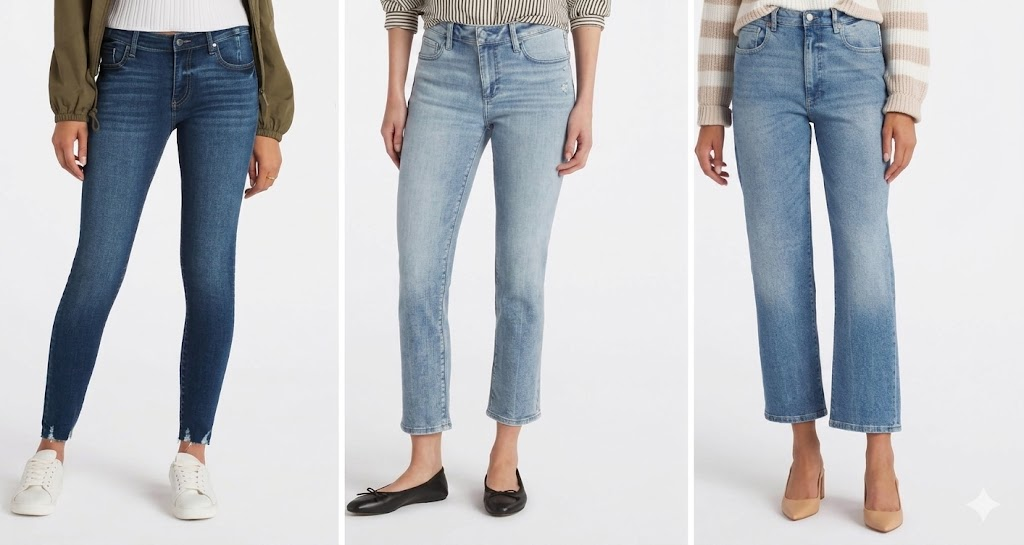
Ideal Skinny Jeans Ease Values
Below is a practical pattern development table used in denim sampling:
| Area | Body-to-Garment Ease |
|---|---|
| Thigh | -0.5 to +1 cm |
| Knee | -1 to +0.5 cm |
| Calf | -1 to +0.5 cm |
| Hem | 22–32 cm circumference (depending on market) |
Important: negative ease must be controlled based on fabric recovery, not just measurement reduction.
How Should Skinny Jeans Fit Through the Leg?
Skinny jeans should follow the natural leg line closely without restricting movement. The goal is controlled negative ease—meaning the garment is slightly smaller than the body but compensates through stretch recovery.
Typical fit expectations:
- Thigh: snug but not compressive
- Knee: clean follow with no pulling when bent
- Calf: close contour without wrinkling or twisting
- Hem: narrow but not tight enough to block foot entry
A good rule: the fabric should stretch under movement but return cleanly without permanent distortion at stress points.
How Does Newasia Garment Co., Ltd. Support Perfect Skinny Jeans Development?
Newasia Garment Co., Ltd. specializes in professional denim manufacturing and pattern development services, helping global fashion brands achieve precise and scalable skinny jeans fits.
With extensive industry experience, Newasia provides:
Pattern Development Expertise
- Expert skinny jeans block creation
- Advanced crotch curve refinement
- Multi-size grading consistency
Sampling & Prototyping
- Fast sample turnaround for development testing
- Multiple fit revisions before bulk production
- Real denim wash and shrinkage testing
OEM / ODM Production Support
- Small batch and large-scale production options
- Private label manufacturing services
- Custom fit development for brand identity
Quality Control System
- Strict measurement tolerance control
- Fabric shrinkage and stretch testing
- Seam strength and durability inspection
Customization Capabilities
- High-waist, low-rise, and sculpted skinny fits
- Stretch and rigid denim options
- Embroidery, trims, and branded hardware
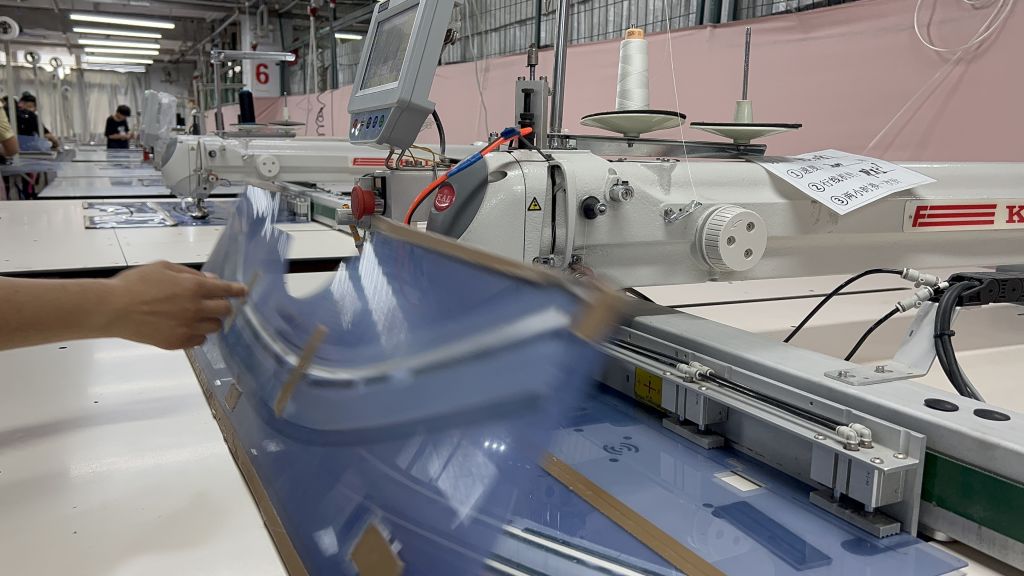
Newasia Garment Co.,Ltd. OEM & ODM Denim Solutions
Newasia Garment Co.,Ltd. is a professional garment manufacturer specializing in denim and fashion apparel production. The company provides full-process support from pattern development to bulk production, helping global brands achieve stable and high-quality fit standards.
Their services include:
- Denim pattern development & adjustment
- Sample making and fit correction
- Bulk production with strict QC control
- Fabric sourcing and wash development
- OEM & ODM apparel solutions
With strong technical capability in denim engineering, Newasia Garment Co.,Ltd. helps brands transform design concepts into production-ready garments with consistent sizing accuracy.
Certified Professional Clothing Producer
We are very proud of these certificates! They represent Newasia Garment Co.,Ltd. ’s amazing achievements and accreditations. They show how much we care about quality, safety, and professionalism.
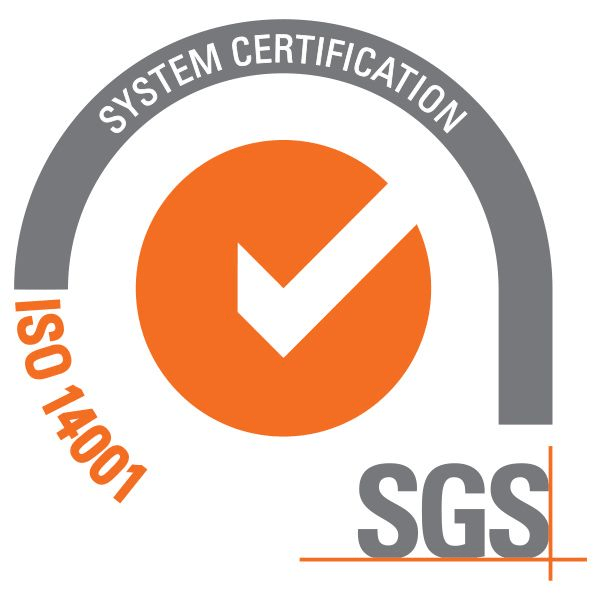
We’re proud to say that we have obtained BSCI and ISO 90001 certificates, and inspection certificates for filling materials such as down and cotton. We follow international standards throughout our production process and take responsibility for the quality of our products.
As one of China’s leading clothing manufacturers, we are pleased to be recognized by respected organizations. These certifications underscore our reliability as a trusted supplier to the global apparel industry.
Trusted Certificates:






Why Choose Us
 Independent base We have our own laboratory and can independently develop fabrics , China  Professional certification Certification: ISO 9001, ISO 14001,BSCI,GRS |  Full-equipped Full-equipped, from fiber manufacturing, yarn spinning, weaving, dyeing and processing to finished product production  Rich experience Professional, large and experienced design team, combined with the latest artificial intelligence technology |  Our Facilities 12,000 skilled employees, daily production capacity exceeds 100,000 pieces  Fashion exhibition Participated in domestic and foreign fashion weeks and exhibitions many times |
Trusted by Global Clients
















How Do We Guarantee the Quality
Our quality assurance begins with designing and planning, then continues through every step of the production and post-production inspections. Delivery is not an ending. We still offer money-back guarantee for quality issues.
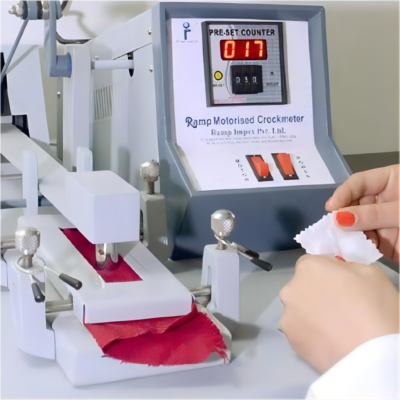
When sourcing fabrics, we will check all related fabric certificates from our suppliers.
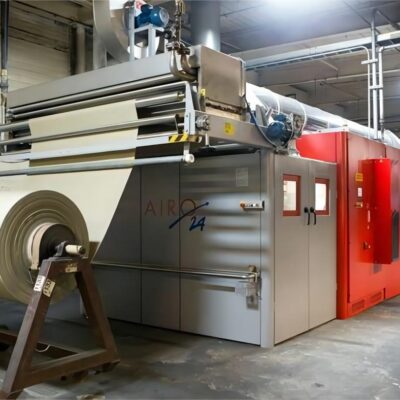
We make sure the fabric is well pre-washed to meet the standards before cutting.
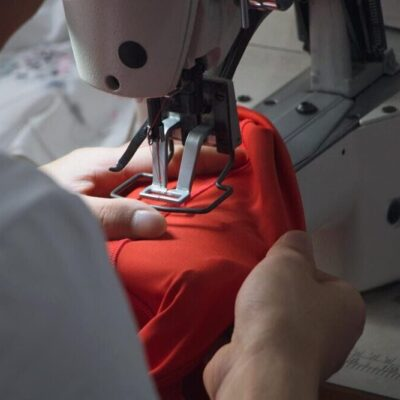
All our workers are well-trained and have many years of experience in the garment industry. They are all local workers with high stability.
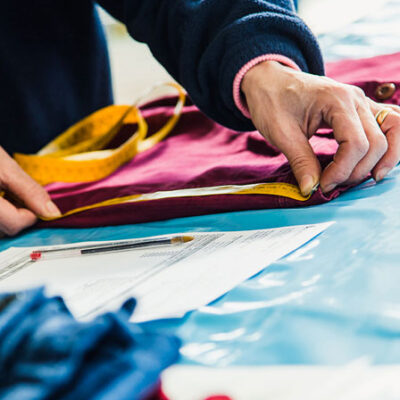
Our quality team will follow SOPs to conduct five times of quality checks before shipping.
Frequently Asked Questions
Q1. How do you adjust a skinny jeans pattern for a perfect fit?
A perfect skinny jeans fit is achieved by balancing rise height, crotch curve, hip-to-thigh ratio, and fabric stretch behavior. Adjustments usually start with correcting front and back rise alignment, then refining the crotch curve to eliminate tension points. In production environments, fit is also validated through wash testing and wear simulation to ensure consistency in bulk manufacturing.
At Newasia Garment Co., Ltd., we combine pattern engineering with real production fit testing to ensure skinny jeans maintain consistent fit across all sizes.
Q2. Why do skinny jeans feel tight in the crotch area?
Crotch tightness is usually caused by insufficient front rise, incorrect crotch curve shaping, or underestimated fabric recovery in stretch denim. When the garment is worn, the tension concentrates in the front rise area, creating discomfort or camel toe effects.
In professional denim development, this issue is corrected by adjusting both pattern geometry and fabric stretch calculation—not just increasing size.
Q3. What is the most important measurement in skinny jeans pattern making?
The most critical measurement is the balance between front rise, back rise, and crotch extension. These three elements control how the jeans sit on the body, how they move, and how they respond during sitting and walking.
Even a small deviation (0.3–0.5 cm) can significantly affect fit quality in skinny denim production.
Q4. How does stretch denim affect skinny jeans fit?
Stretch denim introduces elasticity and recovery forces that directly impact fit stability. If the stretch percentage is not correctly calculated, jeans may become too tight after wear or loose after washing.
Professional manufacturers must consider:
- Fabric recovery rate
- Negative ease design
- Post-wash shrinkage
At Newasia Garment Co., Ltd., we test stretch performance before finalizing production patterns.
Q5. Why do skinny jeans develop wrinkles at the knees?
Knee wrinkles are usually caused by incorrect knee position in the pattern, uneven tension distribution, or excessive stretch force in the fabric. This is especially common in high-stretch denim where fabric recovery is strong.
The solution involves adjusting inseam balance and knee positioning during pattern grading.
Q6. Can washing change the fit of skinny jeans?
Yes. Washing processes such as enzyme wash, stone wash, and garment dyeing can significantly alter fabric dimensions and stretch behavior. This can lead to changes in crotch depth, thigh tightness, and overall silhouette.
That is why professional denim manufacturers always perform wash simulation tests before bulk production approval.
Q7. What makes a skinny jeans pattern commercially successful?
A commercially successful skinny jeans pattern must balance:
- Comfort and body contour fit
- Fabric stretch performance
- Consistency across sizes
- Post-wash stability
- Minimal return rate in retail
Brands often rely on experienced OEM manufacturers to ensure these conditions are met during development.
Q8. Why do fashion brands work with OEM denim manufacturers?
Fashion brands collaborate with OEM manufacturers to access:
- Technical pattern making expertise
- Fit development experience
- Bulk production stability
- Fabric testing capability
- Cost-efficient production systems
Newasia Garment Co., Ltd. supports global brands such as American Eagle Outfitters, Uniqlo, Zara, Gap, Levi’s, and Lee with end-to-end denim development solutions.
Q9. What is the biggest mistake in skinny jeans pattern making?
The biggest mistake is relying only on stretch fabric instead of proper pattern engineering. Many manufacturers over-reduce ease allowance, assuming stretch will compensate, which leads to discomfort and poor long-term fit stability.
Professional development always combines fabric science with structural pattern design.
Q10. How can brands reduce returns for skinny jeans?
Brands can reduce returns by:
- Improving fit accuracy during sample development
- Testing multiple body types before production
- Controlling fabric shrinkage and recovery
- Standardizing grading systems across sizes
Working with experienced denim manufacturers significantly improves consistency and reduces fit-related returns.
Conclusion
Adjusting a skinny jeans pattern for a perfect fit requires more than basic sewing knowledge. It requires a deep understanding of body mechanics, fabric behavior, and industrial garment production.
The difference between an average pair and a high-performance skinny jean lies in precise pattern engineering and real manufacturing experience.
At Newasia Garment Co., Ltd., we combine technical denim expertise with large-scale production capability to help global fashion brands develop high-quality skinny jeans with consistent fit and commercial success.
If you are developing a skinny jeans collection or looking for a reliable OEM/ODM denim manufacturing partner, our team is ready to support your project.
Read more
- How to Validate Pocket Function and Placement Before Bulk Production
- How to Standardize Fabric Hand Feel Across Production Lots
- Movement Fit Testing for Apparel: How to Check Ride-Up, Slippage, and Range of Motion
- Pre-Production Sample Approval: What Brands Should Lock Before Bulk Production
- Custom Sports Jersey Manufacturing Quality Control: A Global Manufacturing Guide