
The Zero-Waste Budget: A Strategic Clothing Startup Cost Allocation Guide
Launching a new apparel brand is an exercise in balancing creative vision with rigorous financial engineering. For emerging fashion founders, the hurdle is rarely a shortage of design ideas; it is the improper allocation of initial working capital. Misjudging pre-production development fees, overcommitting to large inventory minimums (MOQs), or underfunding post-production logistics can quickly exhaust a brand’s runway before the first commercial sales hit the ledger.
Whether you are launching a high-performance activewear line, a streetwear collection, or a specialized denim label, understanding where every dollar goes across the supply chain is critical to surviving the first 18 months.
Mastering the mechanics of capital distribution, setting realistic development contingencies, and selecting flexible manufacturing partners are essential steps for any fashion team navigating the global market. This technical guide breaks down the physical allocation of startup costs across product development, inventory, operations, and marketing to keep your brand liquid and scalable.
1. The Core 40-30-20-10 Capital Allocation Framework
To build a resilient financial foundation, emerging brands must categorize startup capital into clear, non-negotiable operational buckets. A proven model for lean apparel launches divides working capital into four distinct pillars:
- 40% — Production and Bulk Inventory: This is your primary revenue generator. It covers raw fabric sourcing, trims, factory cut-make-trim (CMT) labor, wet processing, and bulk freight shipping.
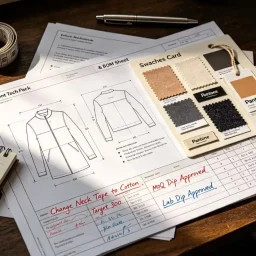
- 30% — Product Development and Sampling: Before bulk production begins, capital must be allocated to tech pack creation, pattern drafting, physical fit samples, grading, and lab testing.
- 20% — Operational Buffer and Logistics: Freight forwarding, customs duties, warehouse storage, insurance, and unexpected supply chain delay contingencies fall into this safety net.
- 10% — Go-To-Market (GTM) Essentials: Core branding, e-commerce hosting, essential product photography, and initial customer acquisition testing.
2. Deconstructing Pre-Production and Sample Development Costs
A common financial misstep among first-time founders is treating product development as a minor administrative expense. In reality, pre-production is a capital-intensive phase that dictates your ultimate profit margins:
- Tech Packs and Pattern Making: Professional technical packages are non-negotiable blueprints that prevent factory miscommunications. Skimping on technical design leads to multiple failed sampling rounds and inflated sample fees.
- Sampling Iterations and Mold Fees: Expect to pay 2x to 3x the estimated bulk unit cost for initial salesman samples, plus one-time setup costs for custom metal hardware, debossed leather patches, or specialized zipper pulls.
- Lab Testing and Fabric Certification: Quality assurance testing—such as fabric pilling, colorfastness, dimensional stability after washing, and needle detection—requires dedicated funding to ensure compliance with global retail regulations.
3. Optimizing Inventory Spend through Flexible Manufacturing
Bulk inventory typically absorbs the largest share of starting capital. Committing too much cash to high factory Minimum Order Quantities (MOQs) creates deadstock risk, while ordering too little inflates per-unit costs and squeezes gross margins.
The key to preserving capital is partnering with a factory that supports flexible, low-MOQ production strategies. Partnering with a specialized global manufacturer like Newasia Garment allows new brands to execute targeted 100-to-200-piece production runs. This low-risk approach enables brands to test market demand, refine fit profiles, and protect cash reserves without compromising on factory-grade finishing, automated cutting precision, or strict quality controls.
Leveraging flexible production schedules shifts your business model from speculative overproduction to a lean, demand-driven supply chain.
4. Navigating Freight, Duties, and Landed Cost Metrics
FOB (Free on Board) factory pricing only reflects part of the financial equation. To establish accurate retail pricing and safeguard margins, founders must calculate the true Landed Cost per unit before placing production orders:
- Freight Forwarding: Choose between ocean freight (cost-effective for larger volumes, but 30–45 days in transit) and air freight (fast 5–7 day delivery, but significantly higher per-kilogram costs) based on your launch timeline.
- Customs Tariffs and Import Duties: Import tariffs vary widely depending on fiber content, garment construction (knitted vs. woven), and the country of origin.
- Last-Mile Logistics and Warehousing: Factor in drayage fees, port handling charges, 3PL (third-party logistics) receiving costs, and individual polybagging requirements.
5. Strategic Milestones for Long-Term Runway Management
To ensure your clothing brand stays solvent through initial growth phases, incorporate these financial protocols into your operational playbook:
- Ring-Fence a 15% Pre-Production Contingency: Always hold back a portion of your development budget to accommodate unpredicted fabric price fluctuations, air-freight upgrades, or pattern adjustments.
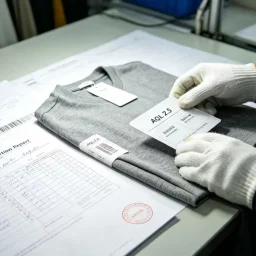
- Negotiate Staged Factory Payment Terms: Avoid paying 100% upfront; work with factories that accept standard milestone payments (such as a 30% deposit upon PO issuance and 70% balance upon final AQL 2.5 inspection pass).
- Reinvest First-Run Profits Directly into Inventory: Resist expanding your product catalog too quickly. Reinvest early sales revenue directly into restocking your core, high-margin bestsellers to establish steady cash flow.
To optimize your production budget, explore low-MOQ manufacturing options, and build a resilient supply chain, visit Newasia Garment to start your development workflow today.
Read more
- How to Validate Pocket Function and Placement Before Bulk Production
- How to Standardize Fabric Hand Feel Across Production Lots
- Movement Fit Testing for Apparel: How to Check Ride-Up, Slippage, and Range of Motion
- Pre-Production Sample Approval: What Brands Should Lock Before Bulk Production
- Custom Sports Jersey Manufacturing Quality Control: A Global Manufacturing Guide