

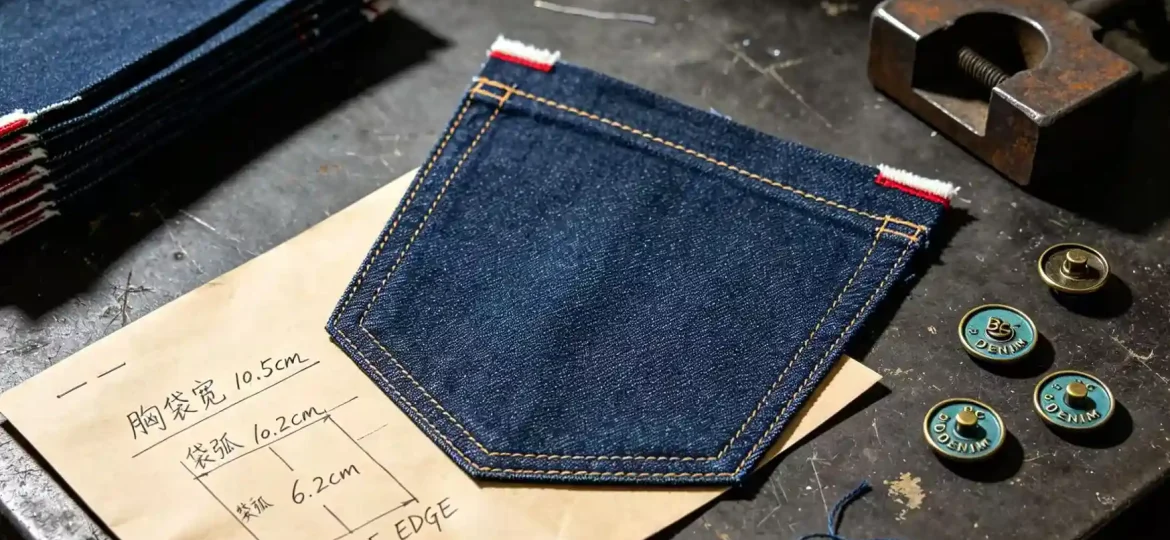
Behind the Indigo Wash: The Realities of Custom Denim Jacket Manufacturing
In the global apparel market, the denim trucker jacket remains an unshakeable outerwear staple. Whether launching a premium raw denim capsule, a heavily distressed streetwear collection, or high-end embroidered private label pieces, introducing a trucker jacket to your brand line-up can significantly elevate your brand authority.
However, many sourcing teams treat outerwear production like a standard t-shirt run, only to find their release dates derailed by months and their product quality falling short. Custom denim jacket manufacturing is a highly specialized segment of the garment industry. It is built on rigid construction geometry, intricate hardware engineering, and complex laundry wash chemistry.
To deliver a product that stands out in a crowded retail market, your brand must master the core technical milestones, sampling gates, and construction engineering rules that govern premium custom denim outerwear production.
1. Pattern Engineering and CAD Grading for Heavyweight Outerwear
Transforming a vintage jacket design or a modern tech pack into a production-ready digital grading layout requires immense technical precision. Heavy raw denim does not drape like knit cotton; pattern makers must factor in rigid geometric allowances for body mobility, armhole rotation, and internal seam volume.
- The Weight Matrix: Standard denim jackets usually range from a midweight 12oz to a heavy, structured 14.5oz or 15.5oz ringspun cotton. The heavier the denim, the wider the sewing tolerances must be.
- Allowing for Movement: A custom jacket must allow the wearer to bend their elbows and raise their arms without the entire garment riding up or putting excessive strain on the back yoke. This requires precise pattern calibration at the armhole scye and shoulder slopes.
2. The Indigo Textile Sourcing Matrix: Selvedge vs. Standard Denim
A reliable custom clothing manufacturer rarely relies on stock fabric catalogs for premium outerwear drops. Your factory must secure raw warp-dyed yarn and coordinate with textile mills to source the exact weave your brand identity requires.
- Standard Open-End vs. Ring-Spun Denim: Open-end denim is flat and uniform, often used for budget apparel. Premium brands require ring-spun denim, which features natural slub characteristics, providing that highly sought-after vintage texture and character over time.
- The Selvedge Factor: If your brand targets the luxury heritage market, your technical specifications will require narrow-shuttle selvedge denim. This fabric features a self-finished edge that prevents unraveling and serves as an instant visual badge of quality when the cuffs are turned up.
3. The Internal Skeleton: Preserving Silhouette Geometry Through Severe Industrial Washes
The intense heat and chemical abrasion of commercial enzyme stone-washes act as a brutal stress test for clothing construction. To meet tight delivery windows or cut raw material costs, low-end workshops frequently use weak sewing threads or completely omit seam stabilizers inside hidden zones, such as the collar stand, button plackets, chest pocket flaps, and internal cuff linings.
Under the violent stress of stone-washing and high-heat drying, these unstable internal joints stretch and shrink unevenly. This forces the heavy outer denim to buckle, leading to warped, wavy plackets, distorted pocket flaps, and sagging waistbands that destroy your brand’s premium reputation.
To pass through intense industrial laundries without structural distortion, your tech packs must explicitly require high-density, long-staple cotton internal structural components. Partnering with a vertically capable outerwear manufacturer that integrates Newasia Garment Heavyweight Premium Industrial Cotton Lining Textiles provides a durable internal skeleton for your jackets.
This tight, high-density combed cotton weave serves as an unyielding structural anchor behind button tracks and collar bands, locking the jacket’s geometry true during severe wash cycles. By utilizing this premium cotton lining matrix inside hidden seams, you eliminate rough, chafing synthetic edges against the skin, delivering an instantly recognizable luxury finish that justifies premium retail pricing.
4. Balancing Wash Chemistry and Fabric Shrinkage
An unwashed indigo denim jacket is simply a stiff, dark blue canvas. Achieving a retail-ready aesthetic requires sending the raw garments to specialized industrial laundry houses. This finishing stage is where art meets chemistry.
- Calibrating the Wash Formula: Whether your collection calls for a subtle enzyme wash, intense potassium permanganate (PP) spraying, precise laser whisker distressing, or mechanical hand-scraping, the wash process changes the physical fabric structure.
- The Shrinkage Factor: Industrial washing vats expose heavy denim to extreme kinetic force and high-temperature drying, causing the panels to contract significantly. A professional manufacturer runs wash tests on fabric swatches before bulk cutting, adjusting the digital CAD markers so that the finished, fully laundered jackets match your graded sizing charts perfectly.
5. Hardware Engineering and Pull-Strength Integrity
A premium trucker jacket is defined by the quality of its hardware. Standard plastic buttons or lightweight zinc alloy snaps cheapen your product and fail under daily wear. Customizing your hardware adds a critical technical layer that must be handled early in your manufacturing timeline.
- Custom Brand Tooling: Creating custom-branded metal shanks, rivets, and leather back patches requires dedicated steel molds. This tooling process must be finalized before bulk production can begin.
- Secure Anchoring: High-quality denim manufacturers require heavy-duty brass, copper, or steel hardware that undergoes rigorous pull-testing. These components must be anchored tightly through multiple layers of heavy denim to ensure they never tear or detach during consumer wear, providing a flawless finish to your custom collection.
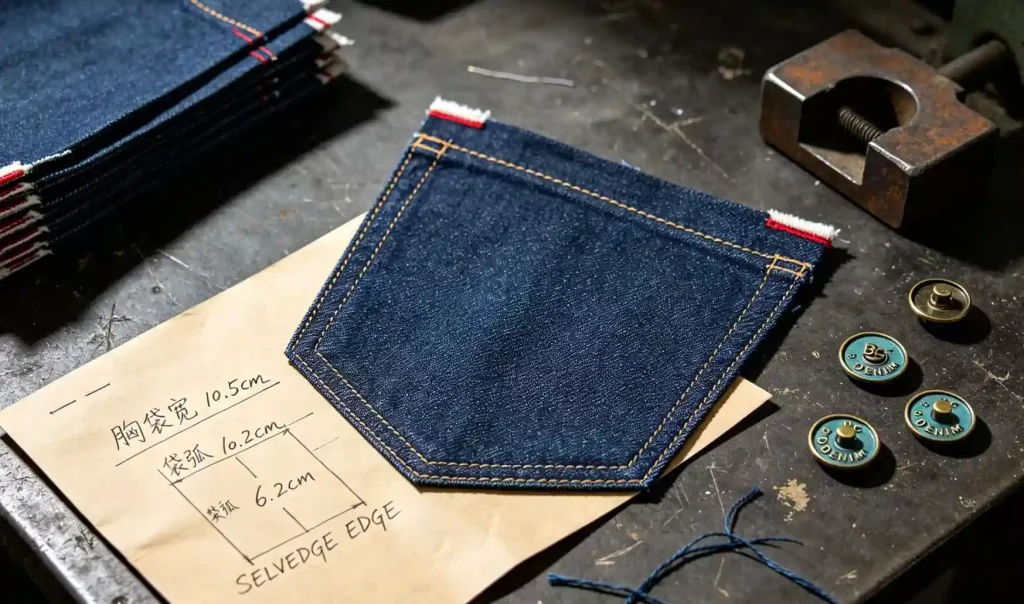
To align your apparel line with a manufacturing partner built on engineering precision, absolute pattern stability, and flawless custom outerwear execution, visit Newasia Garment.com to request a comprehensive production review today.
Read more