

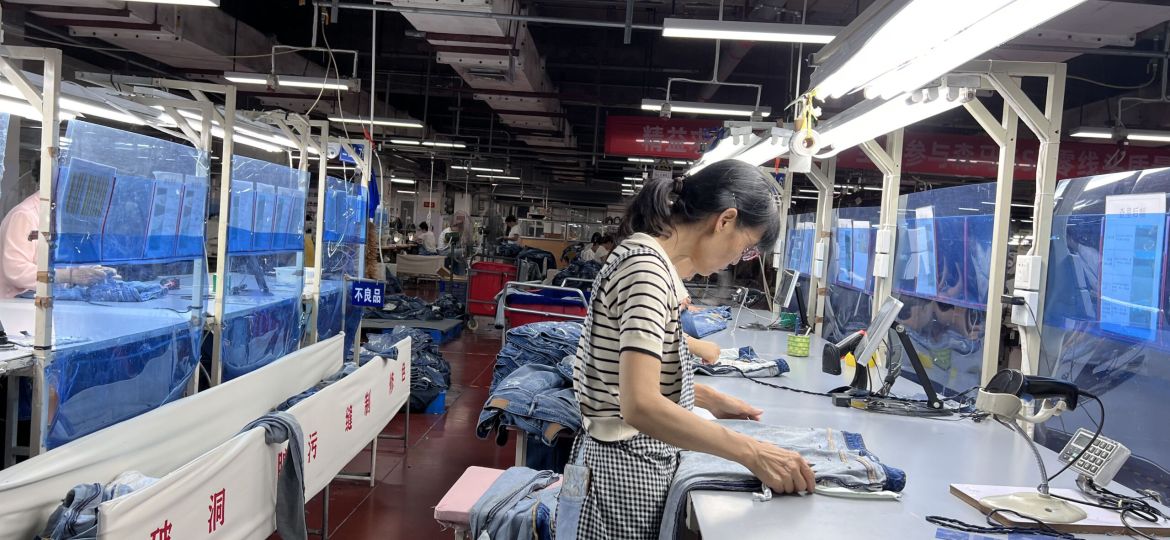
In the competitive denim industry, quality is the foundation of brand reputation. Whether you are launching a new denim collection or scaling an established fashion brand, maintaining consistent product quality directly impacts customer satisfaction, repeat purchases, and long-term business growth.
At Newasia Garment Co., Ltd., we understand that every pair of jeans represents your brand image. With more than 39 years of garment manufacturing experience, we provide OEM and ODM denim production services for global fashion brands. We are also a manufacturing partner of internationally recognized brands such as American Eagle Outfitters, Uniqlo, Zara, Gap, Levi’s, and Lee.
Understanding Quality Assurance vs. Quality Control
Many brands use the terms interchangeably, but they serve different purposes.
Quality Assurance (QA)
Quality assurance focuses on preventing defects before they happen. It includes:
- Supplier evaluation
- Material testing
- Production standards
- Process management
- Compliance verification
Quality Control (QC)
Quality control focuses on identifying defects after production begins.
Examples include:
- Inline inspections
- Finished garment inspections
- Packaging checks
- Shipment audits
A reliable denim manufacturing partner should offer both QA and QC systems to ensure product consistency.
Why Quality Assurance Matters for Denim Brands
Quality assurance isn’t just a buzzword—it’s the backbone of a successful denim business. Here’s why it matters:
- Customer Satisfaction: Flawless denim increases repeat purchases and builds brand loyalty.
- Brand Reputation: A single batch of low-quality jeans can harm your reputation in the competitive fashion industry.
- Cost Efficiency: Early detection of defects prevents expensive reworks and returns.
- Compliance: For OEM/ODM orders, meeting international standards is essential for smooth exports.
Quality Control Points Before Bulk Order
- Sample approval: confirm fabric, color, handfeel, construction and finish before bulk production.
- Bulk consistency: compare bulk lots against the approved sample under the same light and test conditions.
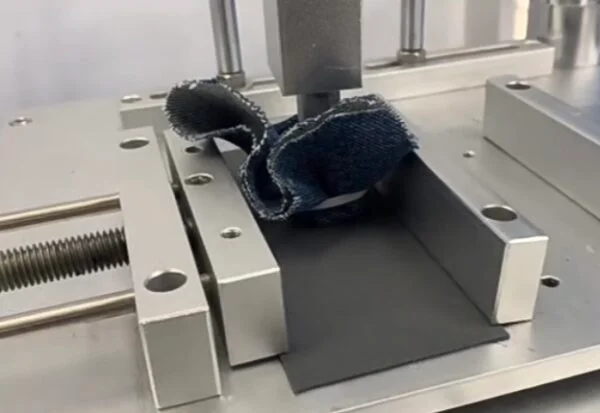
- Performance testing: check shrinkage, colorfastness, stretch recovery or decoration durability where relevant.
- Quote clarity: send quantity, destination, packaging needs and target lead time to avoid vague pricing.
Sample Development Process
| Step | Buyer Provides | Supplier Confirms |
|---|
| 1. Quality Standards | Fabric requirements, stitching specifications, hardware standards, fit expectations, and QA checklist | Feasibility assessment, recommended materials, quality benchmarks, and production compliance capability |
| 2. Manufacturer Selection | Target product requirements, order model (OEM/ODM), expected certifications, and sample expectations | Manufacturing experience, certifications, sampling process, production capacity, and communication workflow |
| 3. Quality Inspection | Inspection requirements, acceptance criteria, and reporting standards | Pre-production material checks, in-process QC procedures, final inspection process, and quality reports |
| 4. QA Documentation | Tech pack, measurement chart, quality standards, and defect criteria | Documentation review, implementation plan, production specifications, and QC execution standards |
| 5. Team Training | Brand quality expectations, defect references, and customer requirements | Staff training programs, QC team alignment, production guidance, and continuous improvement measures |
| 6. Post-Sale Monitoring | Customer feedback, return data, complaint reports, and performance expectations | Root cause analysis, corrective action plans, quality improvement measures, and future production adjustments |
| 7. Technology Integration | Desired quality targets, efficiency goals, and product consistency requirements | Fabric testing capabilities, digital measurement systems, AI-powered inspection solutions, and quality data tracking |
Key Steps to Ensure Quality in Custom and OEM/ODM Orders
When working with an OEM/ODM partner, every stage of production can affect the final outcome. Here’s a step-by-step guide to maintain quality across your denim products:
1. Material Selection and Testing
The foundation of a high-quality denim product starts with the fabric. Ensure your supplier uses premium cotton or blended fibers, and conduct tests for:
- Tensile strength: Ensures durability and resistance to stretching.
- Colorfastness: Prevents unwanted fading during washing.
- Shrinkage: Ensures the garment maintains size after washing.
At Newasia Garment Co., Ltd., we source top-tier denim fabrics that meet international quality standards, guaranteeing the perfect base for your brand.
2. Production Process Monitoring
Monitoring every stage of production is essential for quality control. Key steps include:
- Cutting and pre-washing precision
- Stitching and seam strength inspections
- Washing and finishing process control
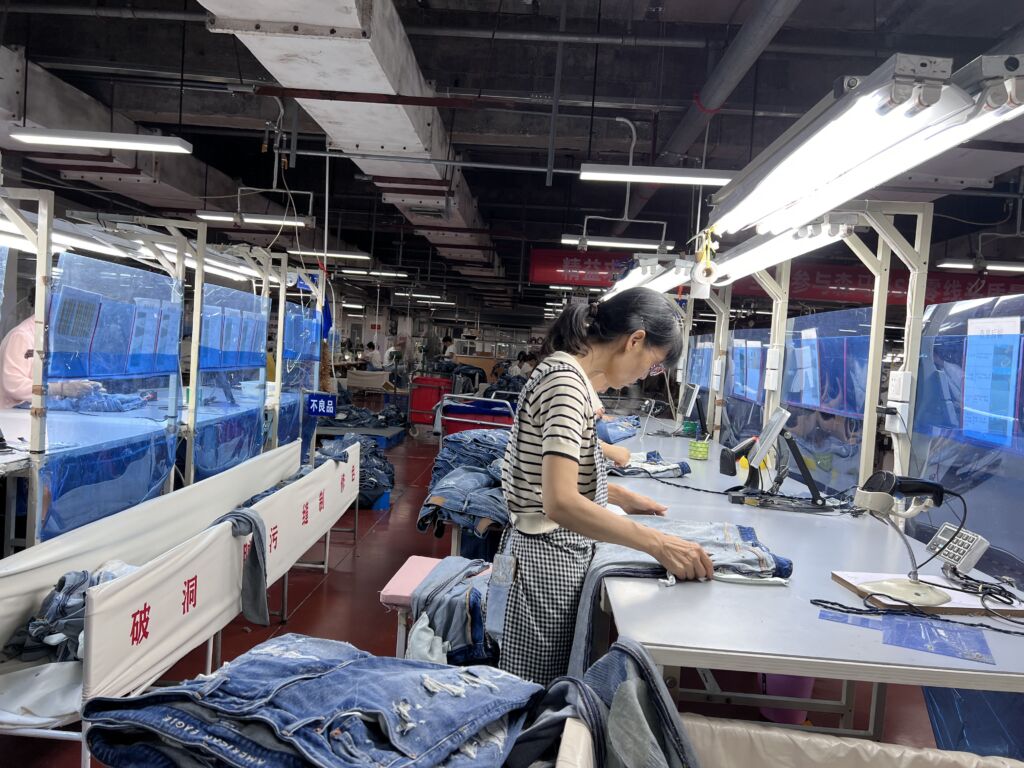
Newasia has a state-of-the-art production facility and trained staff that follow strict SOPs (Standard Operating Procedures), ensuring consistency across every batch.
3. In-line Quality Inspections
Instead of inspecting only at the end, integrate in-line inspections during production. Benefits include:
- Early detection of defects
- Reducing rework and wastage
- Maintaining production schedule
With years of experience collaborating with brands like Uniqlo and Levi’s, Newasia implements rigorous in-line inspections to maintain high-quality standards consistently.
4. Final Product Testing
Before shipping, all garments should undergo final quality checks. This includes:
- Color consistency under various lighting
- Stitching and seam integrity
- Fit and sizing accuracy
- Labeling and packaging compliance
Newasia guarantees that every product leaving our facility meets or exceeds the quality expectations of our international partners, including American Eagle Outfitters, Zara, Gap, and Lee.
5. Continuous Feedback Loop
Quality assurance doesn’t end at shipping. Maintaining a feedback loop with your brand partners allows:
- Tracking performance and customer satisfaction
- Implementing improvements for future batches
- Strengthening business relationships
Newasia actively collaborates with clients to continuously improve quality and production processes, ensuring that every order aligns perfectly with brand standards.
Why Brands Trust Newasia Garment Co., Ltd.
Choosing the right OEM/ODM partner is critical for your denim brand’s success. Here’s why global brands choose Newasia Garment Co., Ltd.:
- Proven Track Record: Trusted by American Eagle Outfitters, Uniqlo, Zara, Gap, Levi’s, and Lee.
- Comprehensive Quality Assurance: From fabric sourcing to final inspection, every stage is monitored.
- Flexible Custom Orders: Capable of handling small custom runs to large-scale OEM/ODM orders.
- Sustainable Practices: Committed to eco-friendly processes and ethical production.
Our expertise ensures that your brand maintains its reputation and delivers consistent quality to end customers worldwide.
Tips for Choosing a Reliable Denim OEM/ODM Partner
If you are exploring new suppliers, consider these factors:
- Certifications and Standards: ISO, OEKO-TEX, or other relevant quality certifications.
- Experience with Global Brands: Working with internationally recognized brands demonstrates reliability.
- Transparency: Clear communication and production reporting help build trust.
- Flexibility and Innovation: Ability to adapt to design changes, fabric innovation, and custom requirements.
- After-Sales Support: Continuous support for improvements and issue resolution.
Following these tips ensures you partner with a supplier who not only delivers high-quality denim but also enhances your brand’s credibility.
How to Ensure Quality Assurance for Your Denim Brand
| Category | Buyer / Brand Provides | Newasia Garment Co., Ltd. Confirms |
|---|---|---|
| MOQ & Order Flexibility | Target quantity, style breakdown, color and size requirements | MOQ 300–500 for complex denim; mix colors/sizes flexibility; optimal pricing at 300 units per style/color |
| Full-Service Support | Brand concept, product requirements, design direction | End-to-end OEM/ODM support: sourcing, manufacturing, design & development, logistics, sustainability consulting |
| Customization (OEM/ODM) | Design sketches, fabric preference, branding requirements | Fabric selection, fit development, printing/embroidery, trims, labels, packaging customization |
| Sustainability Requirements | Eco goals, preferred materials, compliance expectations | BSCI ethical production, GOTS organic cotton options, OEKO-TEX® dyes, energy-efficient manufacturing systems |
| Lead Time & Delivery Planning | Order urgency, shipment destination, production schedule | In-stock: 3–7 days shipping; Custom: 15–30 days production; express options available; flexible scheduling based on complexity |
| Production Capacity | Order volume forecast, product categories | 12,000 skilled workers; 140 production lines; 100,000+ pcs/day capacity; 100–50,000+ unit order handling capability |
| Quality Assurance System | Quality expectations, inspection standards, brand requirements | Multi-stage QC (pre-production, in-process, final inspection); ISO14001 & BSCI compliance; detailed QA reports & defect tracking |
| Factory & Manufacturing Base | Production requirements, pricing targets, sourcing needs | Vertically integrated factory in China with global manufacturing network; cost-efficient production with strict QC supervision |
FAQs on Quality Assurance for Denim Brands
Q1:Why is quality assurance important for custom and OEM/ODM denim orders?
Quality assurance helps identify and prevent defects throughout the production process, ensuring every garment meets brand standards. A strong QA system reduces costly rework, minimizes returns, and helps maintain customer satisfaction and brand reputation.
Q2:What should be included in a denim quality assurance checklist?
A comprehensive QA checklist should cover fabric specifications, measurements, stitching quality, hardware performance, wash consistency, colorfastness, packaging requirements, and final inspection standards. Standardized checklists help reduce production errors and improve consistency across orders.
Q3:How can I evaluate a denim manufacturer’s quality control capabilities?
Review the manufacturer’s production experience, quality certifications, sampling procedures, inspection processes, and past customer feedback. Request sample garments and quality reports to verify their ability to meet your requirements before placing bulk orders.
Q4:What quality inspections should be performed during denim production?
Quality checks should take place at three key stages: pre-production inspection of raw materials, in-process inspection during sewing and assembly, and final inspection of finished garments. Multi-stage inspections help detect issues early and prevent defective products from reaching customers.
Q5:Why are fabric weight and stretch recovery important in denim quality assurance?
Consistent fabric weight ensures comfort, durability, and product uniformity, while good stretch recovery prevents garments from losing shape after wear. Proper testing is especially important because raw denim may experience shrinkage of 5–7% after washing.
Q6:How does documentation improve quality assurance for OEM/ODM orders?
Documents such as tech packs, measurement charts, quality standards, and defect reports provide clear production guidelines for manufacturers. Well-prepared documentation reduces misunderstandings and helps maintain consistency from sampling through bulk production.
Q7:How can customer feedback improve denim product quality?
Monitoring returns, complaints, and customer reviews helps identify recurring quality issues that may not be detected during production. This feedback allows brands and manufacturers to implement corrective actions and continuously improve future orders.
Q8:What technologies can support denim quality assurance?
Fabric testing equipment, 3D fit measurement software, digital quality management systems, and AI-powered inspection tools can improve accuracy, reduce human error, and ensure more consistent product quality throughout the manufacturing process.
Conclusion
Quality assurance is not a single inspection conducted before shipment. It is a comprehensive system that begins with material sourcing and continues throughout product development, manufacturing, finishing, packaging, and delivery.
For denim brands working with OEM or ODM manufacturers, investing in robust quality assurance processes protects brand reputation, reduces costly returns, and strengthens customer loyalty.
By selecting experienced manufacturing partners, approving detailed samples, implementing rigorous inspections, and maintaining clear communication throughout production, brands can consistently deliver premium denim products that meet market expectations and support long-term business growth.
If you’re looking for a reliable OEM/ODM denim manufacturer, make sure your supplier offers transparent quality control procedures, fabric testing capabilities, sample development expertise, and international production standards. The right partner will not only manufacture your products but also help safeguard the quality that defines your brand.Contact Newasia Garment today to discuss your next denim manufacturing project.
Read more
- How to Investigate a Garment Quality Claim: From Symptom to Root Cause and CAPA
- Garment Packaging Quality Control: Preventing Creases, Print Damage and Shape Distortion
- How to Validate Pocket Function and Placement Before Bulk Production
- How to Standardize Fabric Hand Feel Across Production Lots
- Movement Fit Testing for Apparel: How to Check Ride-Up, Slippage, and Range of Motion