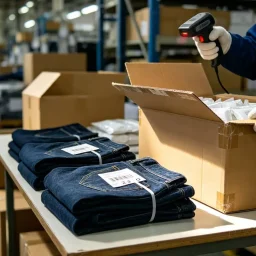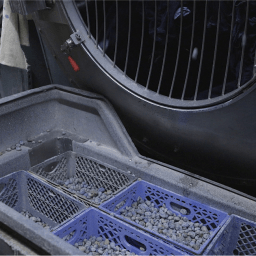

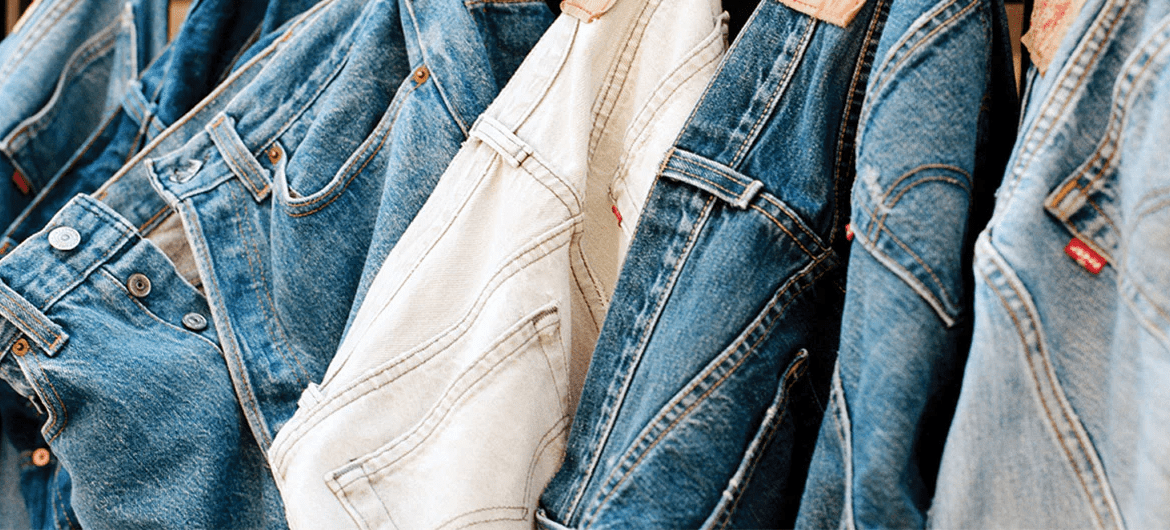
In bulk denim jeans production, two of the most common and costly quality issues are fabric shrinkage and color fading. These problems can directly affect garment sizing accuracy, product consistency, customer satisfaction, and brand reputation.
For fashion brands and private label denim companies, even a small percentage of shrinkage variation or inconsistent color fastness can lead to serious production losses, including rework, returns, and inventory issues.
At Newasia Garment Co.,Ltd., we specialize in denim garment manufacturing and help global fashion brands control production risks through fabric selection, washing process optimization, and pre-production testing.
Over the years, we have supported denim production development for international brands and retailers such as American Eagle Outfitters, Uniqlo, Zara, Gap, Levi’s, and Lee, gaining practical experience in managing shrinkage control and color consistency at scale.
This guide explains how professional manufacturers control denim shrinkage and prevent color fading in real bulk production environments.
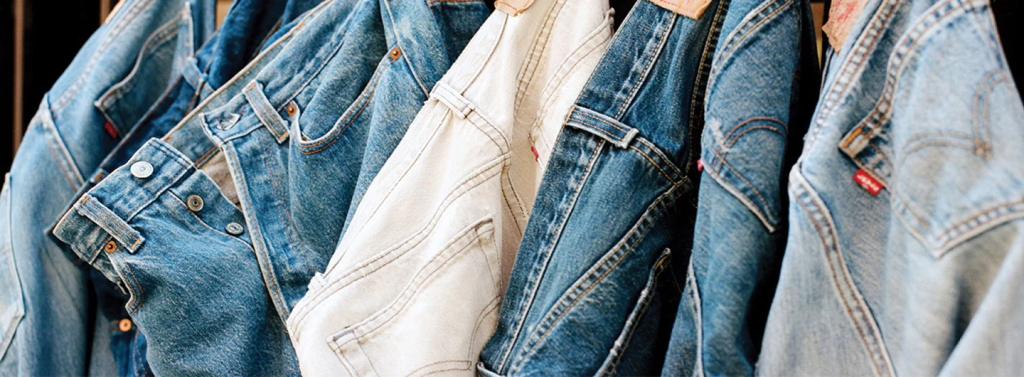
Dive Deeper: Understanding Denim’s Natural Contraction
Here is how we control stability and ensure your bulk orders maintain the perfect fit, wash after wash.
1. Understand the Causes
Shrinkage comes from fiber relaxation after weaving, while fading results from surface indigo dye loss during washing and abrasion.
2. Fabric Testing Before Production
Run real wash simulations (enzyme, stone, bleach) to measure shrinkage rates and color fastness for each fabric batch and wash recipe.
3. Pattern Adjustment (CAD)
Use shrinkage data to scale patterns accurately, adding allowances so final garments meet target measurements after washing.
4. Fabric & Dye Stabilization
Use sanforized denim and controlled dyeing techniques to reduce shrinkage and improve color bonding and fade resistance.
5. Controlled Washing Process
Standardize wash recipes, control temperature, chemicals, and time to balance shrinkage control with consistent fading results.
6. In-Line QC Checks
Run pilot samples, inspect post-wash sizing and color, and monitor finishing processes to ensure stable bulk production quality.
Why Denim Shrinkage and Color Fading Happen in Bulk Production
Many brands assume these issues come only from poor fabric quality. In reality, shrinkage and fading are influenced by multiple production stages:
- fabric weaving tension
- dyeing process stability
- pre-shrinking treatment (sanforization)
- garment washing techniques
- cutting relaxation time
- batch-to-batch production variation
In bulk production, even small inconsistencies in any of these stages can lead to noticeable differences in final garments.
How to Control Denim Shrinkage in Production
1. Fabric Pre-Shrinking (Sanforization)
Proper sanforization is the first and most important step in shrinkage control. It reduces fabric tension before cutting and ensures dimensional stability.
Without proper pre-shrinking, garments may shrink significantly after washing, leading to sizing failure.
2. Relaxation Time Before Cutting
One of the most overlooked factors in denim production is fabric relaxation.
Before cutting, denim fabric must be allowed to rest under controlled conditions. This allows internal tension to stabilize.
Skipping this step often leads to inconsistent garment sizing in bulk production.
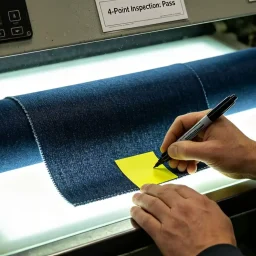
3. Shrinkage Testing Before Bulk Production
Professional denim manufacturers always conduct shrinkage tests before production approval.
At Newasia Garment Co.,Ltd., we test:
- warp shrinkage
- weft shrinkage
- post-wash shrinkage
- dimensional stability after multiple washes
This ensures size consistency before bulk cutting begins.
4. Matching Fabric and Wash Process
Different denim fabrics react differently to washing processes.
For example:
- rigid denim shrinks more after enzyme wash
- stretch denim behaves differently under stone wash
- lightweight denim is more sensitive to heat drying
Proper matching between fabric type and wash process is essential to control shrinkage.
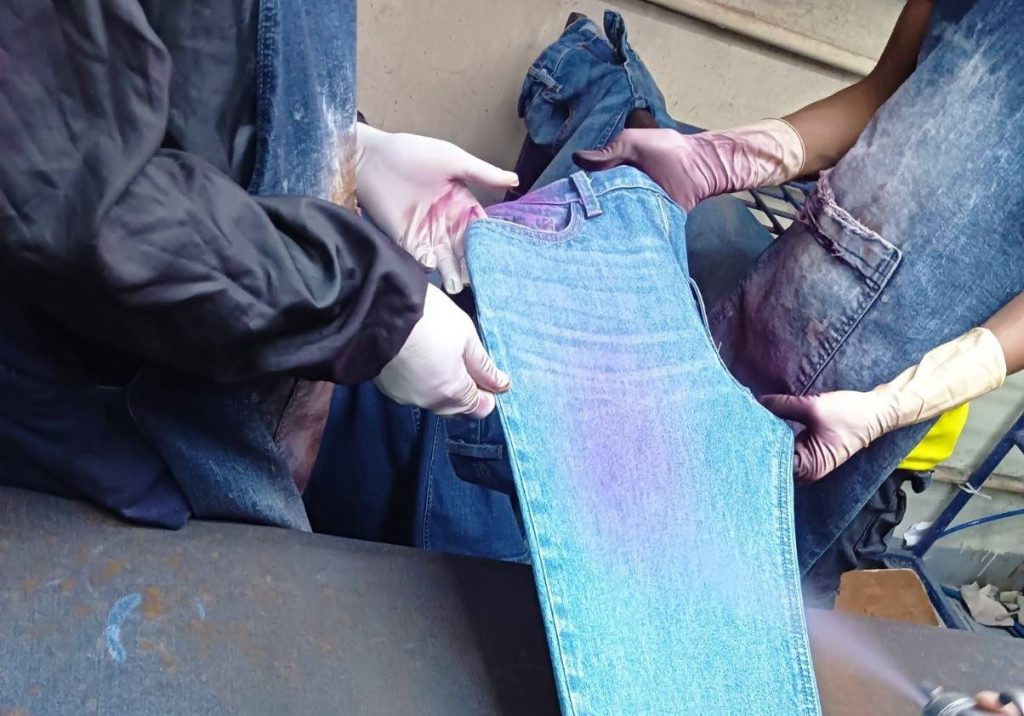
How to Prevent Color Fading in Denim Jeans
1. Indigo Dye Quality Control
Color fading is strongly influenced by indigo dye penetration and fixation quality.
Poor dye fixation leads to uneven fading after washing and customer wear.
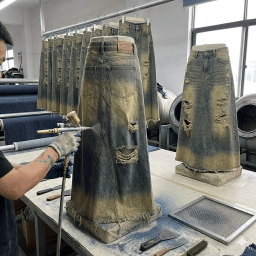
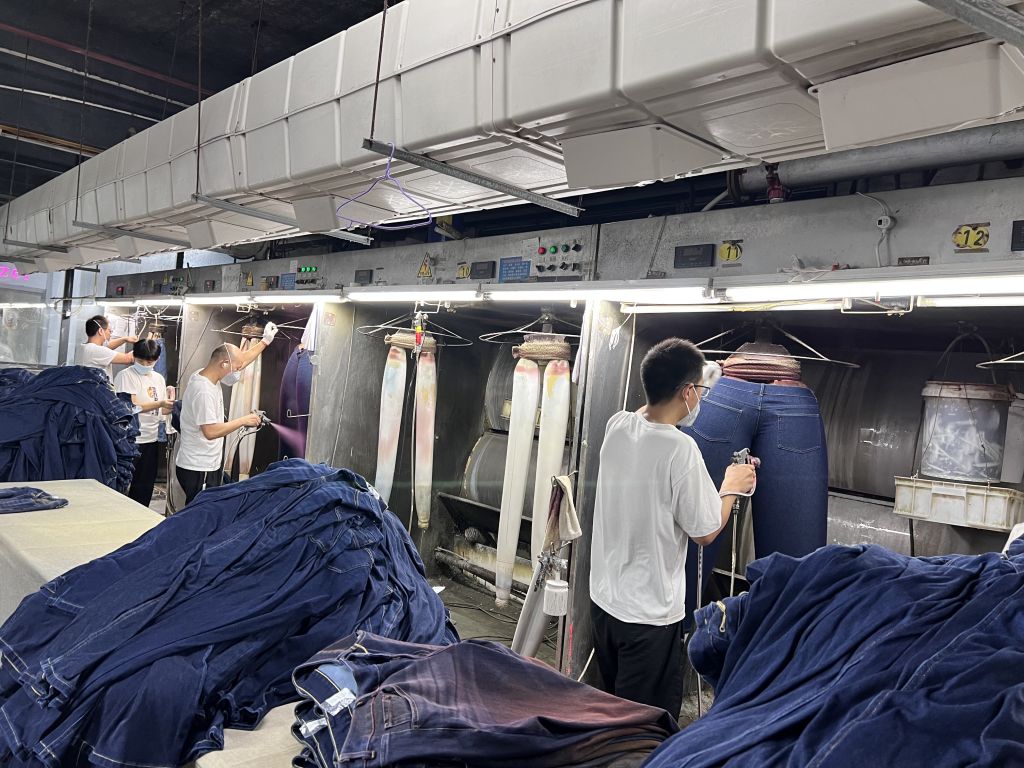
2. Controlled Washing Techniques
Washing is one of the most critical stages in denim finishing.
Common controlled methods include:
- enzyme wash (soft fading effect)
- stone wash (vintage effect with controlled abrasion)
- rinse wash (minimal fading)
- garment softening (color preservation focus)
Improper washing can lead to excessive fading and inconsistent color across batches.
3. Fabric Testing for Color Fastness
Before bulk production, professional factories conduct color fastness testing to evaluate:
- washing resistance
- rubbing resistance
- light exposure resistance
This helps reduce customer complaints in retail environments.
4. Batch Consistency Control
One of the biggest challenges in denim production is batch-to-batch variation.
At Newasia Garment Co.,Ltd., we implement strict production monitoring to ensure consistent dyeing and washing results across all bulk orders.
Shrinkage vs Color Fading: What Matters More?
Both issues are critical, but they affect brands differently:
| Factor | Shrinkage | Color Fading |
|---|---|---|
| Impact on Fit | High | Low |
| Impact on Appearance | Medium | High |
| Impact on Returns | High | High |
| Control Difficulty | Medium | High |
For premium denim brands, color stability is often more important than shrinkage control, because visual appeal drives purchase decisions.
Best Practices for Bulk Denim Jeans Production
- Fabric Stage
Use sanforized, rope-dyed denim and check GSM consistency to ensure stable base quality. - Sampling Stage
Conduct wash tests on prototypes, measure shrinkage, and adjust patterns before bulk production. - Production Stage
Control heat and fabric tension, use compacting machines, and keep dye batches consistent. - Finishing Stage
Apply controlled enzyme washes, test color fastness, and perform final quality inspections before shipment.
Denim Production Trends for 2026
The global denim industry is shifting toward:
- Low-shrink sustainable denim
- Eco-friendly indigo dyeing
- Water-saving washing techniques
- Laser fading instead of stone wash
- High color retention stretch denim
Brands are increasingly demanding consistent bulk quality with sustainable production methods.
How Newasia Garment Co.,Ltd. Controls Production Risk
Successful denim production requires more than fabric sourcing. It requires full process control from fabric to finished garment.
At Newasia Garment Co.,Ltd., we help brands reduce production risks through:
- fabric shrinkage testing
- wash development sampling
- production process optimization
- size stability control
- color consistency management
- bulk production monitoring
We have long-term experience supporting denim development projects alongside global fashion brands such as American Eagle Outfitters, Uniqlo, Zara, Gap, Levi’s, and Lee.
Our goal is to help brands achieve stable quality in large-scale production while reducing unnecessary manufacturing risks.
Our factory focuses on delivering stable, high-quality denim production through:
- Advanced shrinkage control systems
- Professional denim washing technology
- Strict color fastness testing procedures
- Large-scale production consistency
- International quality compliance standards
- Full OEM / ODM development support
These capabilities allow global brands to scale production while maintaining consistent product quality.
OEM & ODM Denim Manufacturing Solutions
Newasia Garment Co.,Ltd. supports global fashion brands with full-package services:
- Private label denim jeans production
- Custom denim wash development
- Fabric sourcing and testing
- Pattern development and grading
- Bulk production management
- Quality inspection and control
- Sustainable denim manufacturing solutions
We help brands reduce production risks while improving product consistency and market competitiveness.
Conclusion
Controlling denim shrinkage and preventing color fading is not achieved through a single solution. It requires coordination across fabric selection, washing development, production control, and quality testing.
Brands that succeed in denim manufacturing are those that focus not only on design, but also on production engineering and process control.
Working with experienced denim manufacturers can significantly reduce risk and improve product consistency in bulk production.
Start Your Bulk Denim Jeans Production with Confidence
If you are looking for a reliable denim manufacturer to control shrinkage, prevent color fading, and ensure stable quality in bulk jeans production, Newasia Garment Co.,Ltd. is your trusted OEM/ODM partner.
We help global fashion brands:
- Achieve consistent shrinkage control
- Improve denim color fastness
- Reduce production defects
- Scale bulk manufacturing safely and efficiently
Contact us today to start your custom denim development and bulk production project.
Read more: How to Control Denim Shrinkage and Prevent Color Fading in Bulk Jeans Production
- Pre-Production Sample Approval: What Brands Should Lock Before Bulk Production
- Custom Sports Jersey Manufacturing Quality Control: A Global Manufacturing Guide
- Bulk Print and Embroidery Quality Control for Custom Apparel
- Activewear Fabric Approval Before Bulk: Opacity, Stretch, Recovery and Breathability
- How to Build a Garment Test Plan Before Bulk Production (Complete Guide)