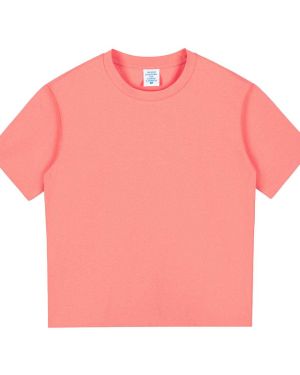
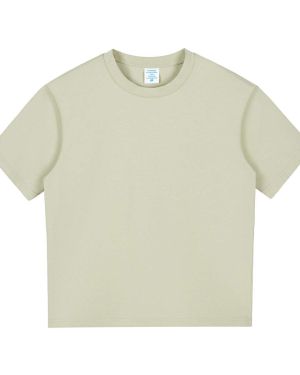
Lightweight Direction
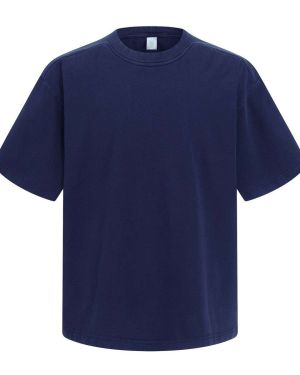
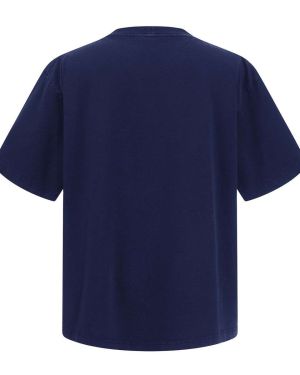
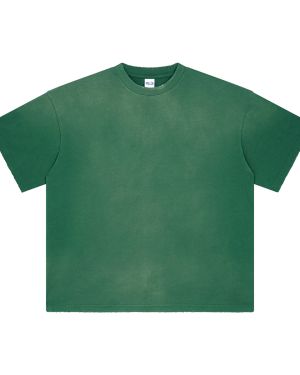
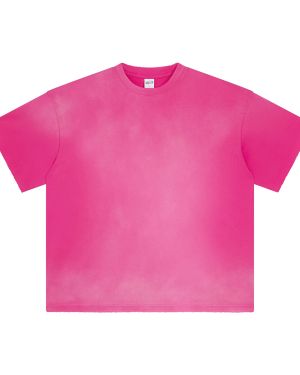
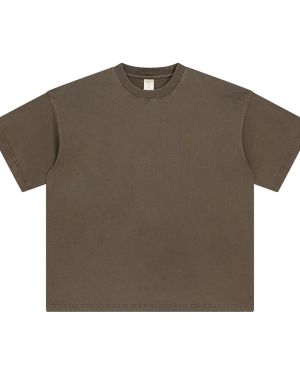
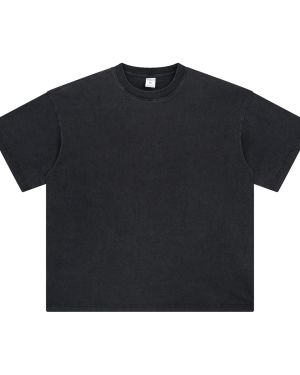
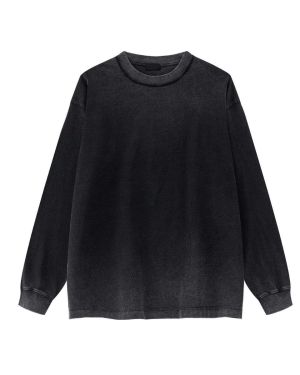
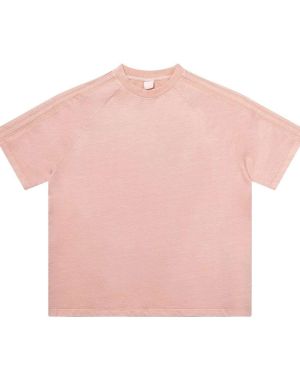
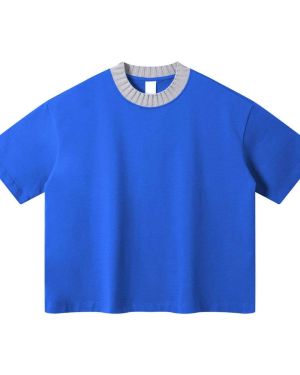
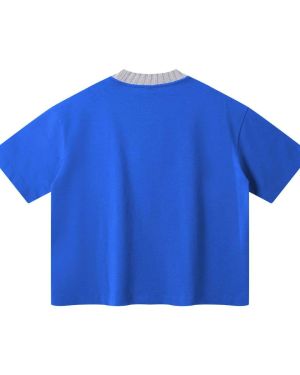
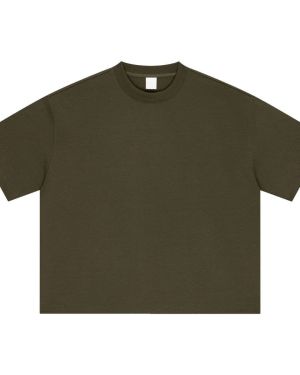
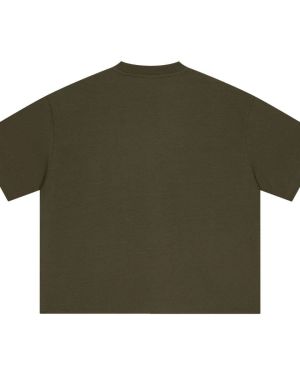
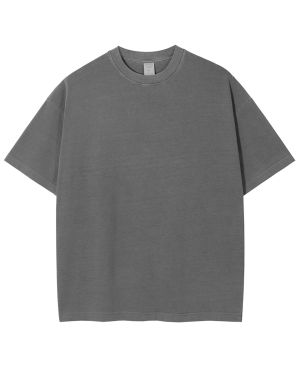
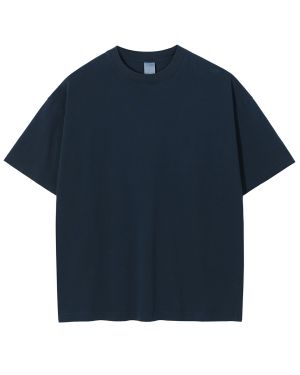
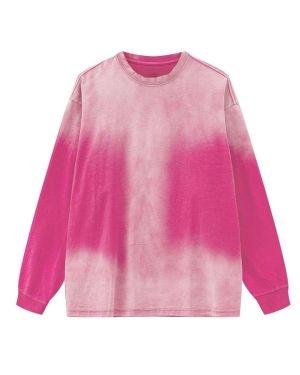
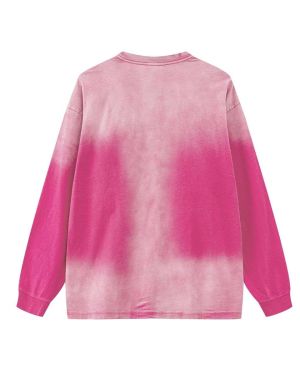
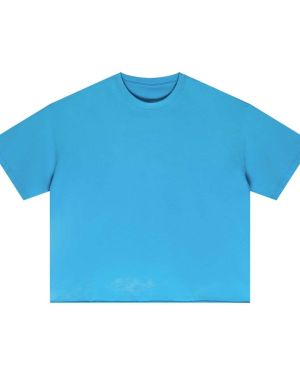
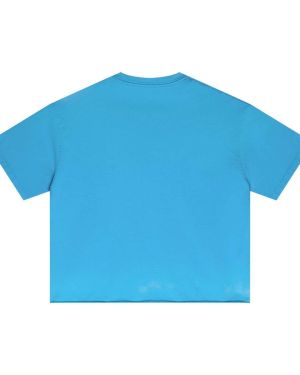
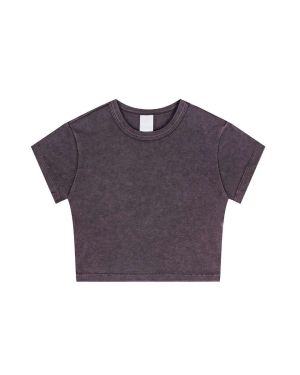
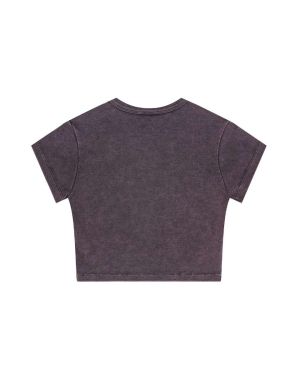
Useful when softness, airflow or more fluid drape is a priority. Fabric stability and transparency should still be evaluated on the real sample.


A production-ready T-shirt has a defined fabric, weight, fit, neckline and construction, decoration or finish, branding requirements, size specification and approved sample.
A product photo can communicate visual direction, but it usually cannot define fabric weight, stretch, collar recovery, finished measurements, decoration setup or acceptable production tolerance. Those details should be closed before bulk production.
Fabric choice determines drape, structure, hand feel, shrinkage, print behavior and how the T-shirt performs after repeated wear and washing.
| Fabric variable | What to define | Why it matters |
|---|---|---|
| Composition | Cotton, blend or verified specialty material | Affects hand feel, durability, moisture behavior and finishing. |
| Weight | Target GSM / oz | Changes drape, structure, fabric consumption and seasonality. |
| Knit Structure | Applicable jersey / knit construction | Influences stretch, surface character and stability. |
| Shrinkage | Expected dimensional change | Directly affects final measurements and pattern allowance. |
| Hand Feel | Soft, dry, structured or smooth | Shapes customer perception and retail positioning. |
| Stretch / Recovery | Comfort and shape-retention target | Influences fit stability and neck / body recovery. |
| Color Route | Fabric-dyed, garment-dyed or applicable route | Can change MOQ, process, shade control and lead time. |
| Finish | Standard, washed or specialty finish | Changes appearance, hand feel, measurements, cost and timing. |
Choose fabric weight based on the intended silhouette, hand feel, climate, finishing process and retail positioning — not simply because a higher GSM sounds more premium.
Useful when softness, airflow or more fluid drape is a priority. Fabric stability and transparency should still be evaluated on the real sample.
Often balances structure, comfort and year-round wear, but the right weight still depends on fit and end use.
Useful for more structured silhouettes, boxy fits and selected streetwear programs. Higher weight also changes cost, sewing and finishing behavior.
A T-shirt fit is created by the relationship between body width, shoulder, sleeve, length, neckline and fabric behavior — not by one measurement alone.
Controls ease and the overall silhouette.
Changes whether the garment feels classic, relaxed or intentionally dropped.
Sleeve length and opening affect proportion and movement.
Works with width to create classic, cropped or boxy proportions.
Influences appearance, comfort and collar construction.
Determines how closely the garment follows the body.
Size progression should preserve the intended proportion across the size range.
Weight and shrinkage can change how the same pattern feels after washing.
The collar is one of the first details customers notice and one of the areas most affected by material recovery, attachment quality and wash behavior.
The rib should match the desired appearance, stretch and recovery.
Opening size needs to balance comfort, fit direction and collar tension.
Recovery affects whether the collar maintains shape after wear and washing.
Uneven tension can create twisting, puckering or an unstable neckline.
Construction detail affects both appearance and durability.
Collar quality should be judged after material and wash behavior are confirmed.
Alignment and reinforcement affect shape and long-term wear.
Applicable side-seam or body construction should match the intended product and fit.
Balanced sewing helps maintain symmetry and comfort.
Material, tension and attachment must work together.
Bottom and sleeve hems affect finished appearance and durability.
Stitch density and thread choice should suit fabric weight and seam requirements.
Selected stress points may need additional reinforcement according to construction.
Branding should be positioned consistently without compromising comfort or construction.
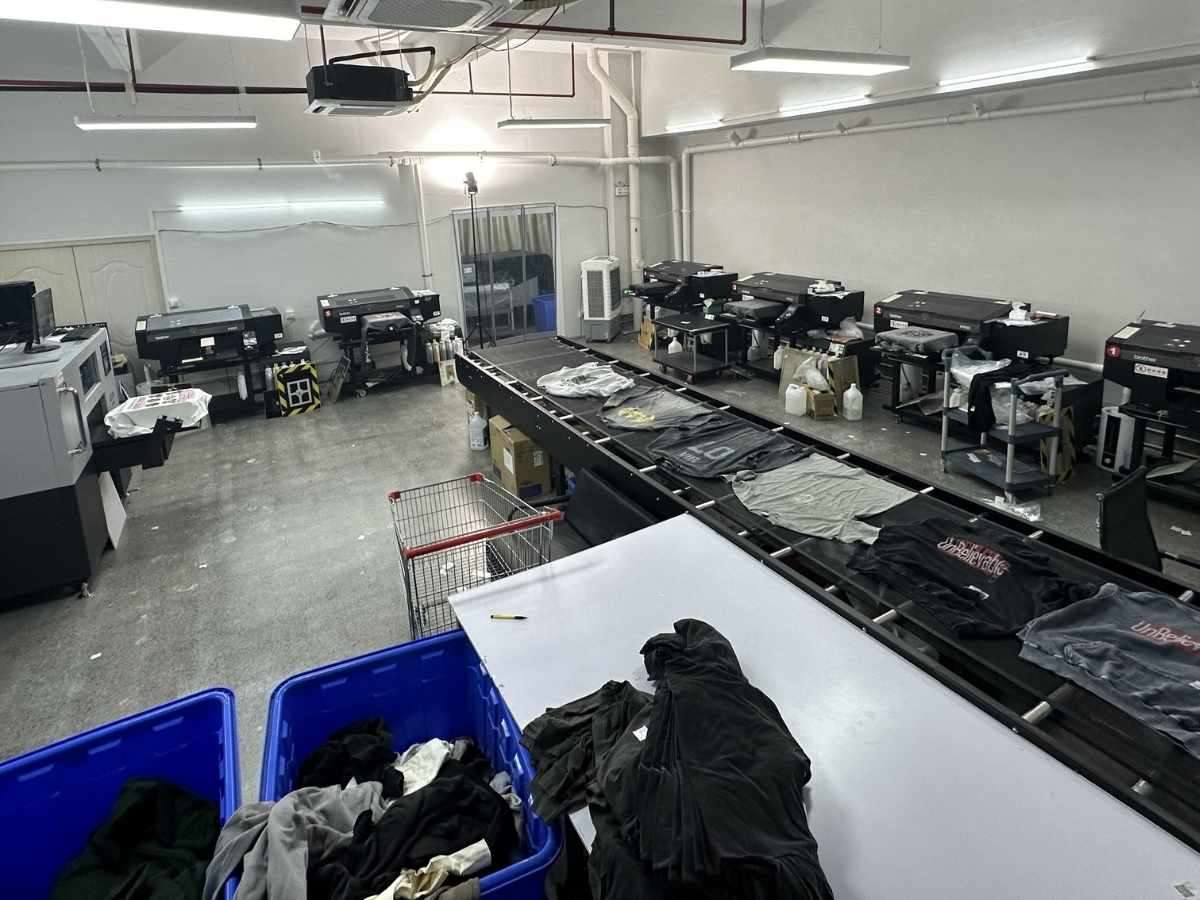
Decoration should be selected around artwork, fabric, order size, desired hand feel and durability. New Asia's documented production system includes in-house printing and embroidery capabilities for applicable programs.
| Method | Best suited to | Buyer should consider |
|---|---|---|
| Screen Printing | Bulk graphic programs and repeatable artwork | Artwork colors, coverage, fabric, ink system and setup. |
| Embroidery | Textured logos and selected premium brand details | Artwork size, stitch density, fabric stability and backing. |
| Digital / DTG | Projects where fabric and production route are compatible | Artwork, fabric compatibility, color result and production economics. |
| Heat Transfer | Selected graphics, logos and specialty applications | Surface feel, artwork, application method and wash durability. |
| Puff / Specialty Effects | Selected fashion graphics where technically suitable | Artwork suitability, process setup, fabric and wash behavior. |
Washing can change shade, hand feel, surface character and finished measurements. Washed T-shirts therefore need their own development and approval logic.
This main T-shirt hub keeps wash-specific product browsing on its dedicated category so the two pages do not compete for the same search intent.
Brand identification can be integrated according to approved construction and comfort requirements.
Confirm wording, dimensions, material and placement before bulk.
Artwork, attachment and information should match the retail presentation.
Print or embroidery should be approved on the actual fabric.
Standard or custom packing can be reviewed according to the order.
The product is already defined and the main need is accurate manufacturing execution.
You have references or a product direction but still need development support.
You want an established garment base with selected product changes, labels, branding and packaging.
You need help controlling MOQ, first-order risk, sample approval and launch timing.
The best quotation starts with enough information to understand fabric, fit, decoration, branding, quantity and timing.
Confirm product direction, quantity, target market, customization and commercial requirements.
Confirm composition, GSM, hand feel, stretch, color and the relevant material requirements. A dedicated fabric testing center supports applicable material evaluation.
Develop the fit, neckline, sleeve, length and construction details against the agreed product direction.
Review measurements, fabric behavior, artwork, print or embroidery and any approved wash or finishing route.
Close the approved sample, color, labels, packaging and other bulk-production references before committing materials and production.
Move the approved specification into bulk manufacturing. Hanger-line production and central scheduling support production coordination where applicable.
Review production output, workmanship and quality during manufacturing. Digital order and workshop-management systems support production tracking.
Check the finished garment against the approved product and packing requirements before shipment preparation.
From 100 pcs/color
Main MOQ benchmark for custom T-shirt programs.
From 50 pcs
Available where the selected existing style and route support it.
From 150 pcs/color
For eligible garment-dyed programs.
No MOQ
Applies only to selected ready-stock products, not all custom manufacturing.
| Cost factor | Why it matters |
|---|---|
| Fabric composition | Material type changes base fabric cost and sourcing. |
| GSM / weight | Heavier fabrics use more material and can affect sewing and finishing. |
| Fit / pattern | New fits require more development than established constructions. |
| Quantity | Setup and production economics change with order size. |
| Number of colors | More colors can create additional material and setup requirements. |
| Decoration | Print, embroidery and specialty effects vary in setup and labor. |
| Artwork coverage | Large or complex graphics can change process requirements. |
| Wash / finishing | Additional finishing adds process, approval and QC steps. |
| Labels / packaging | Branding components add materials and setup. |
| Testing / QC | Buyer-specific requirements can add inspection or testing cost. |
T-shirt QC should cover fabric, shrinkage, measurements, collar construction, sewing, decoration and final branding. New Asia's company materials document fabric testing and a multi-stage garment inspection system.
A dedicated fabric testing center supports applicable material evaluation before bulk production.
Review how the selected fabric and garment change through the relevant wash or finishing route.
Check body width, shoulder, sleeve, body length and the measurements defined by the approved specification.
Review neckline shape, rib recovery, attachment and after-wash appearance.
Inspect seams, hems, stitch consistency and applicable reinforcement during production.
Compare printing, embroidery or approved finishing against the confirmed sample and artwork reference.
Verify workmanship, measurements, branding, labels, hangtags, packing and final presentation before shipment preparation.
Current management-system and compliance references can be provided for applicable buyer qualification and T-shirt program review.
Quality management system reference.
Environmental management system reference.
Occupational health and safety management system reference.
Social-compliance reference for applicable buyer qualification.
Current certification documentation available for applicable buyer and material review.
Current certification documentation available for applicable buyer and material review.
For T-shirts, the most useful factory proof is directly connected to material evaluation, decoration, production coordination and finished-garment quality.
Material evaluation supports decisions around fabric behavior before the approved product moves into bulk production.
Documented printing and embroidery workshops support applicable logo, graphic and branded-decoration programs.
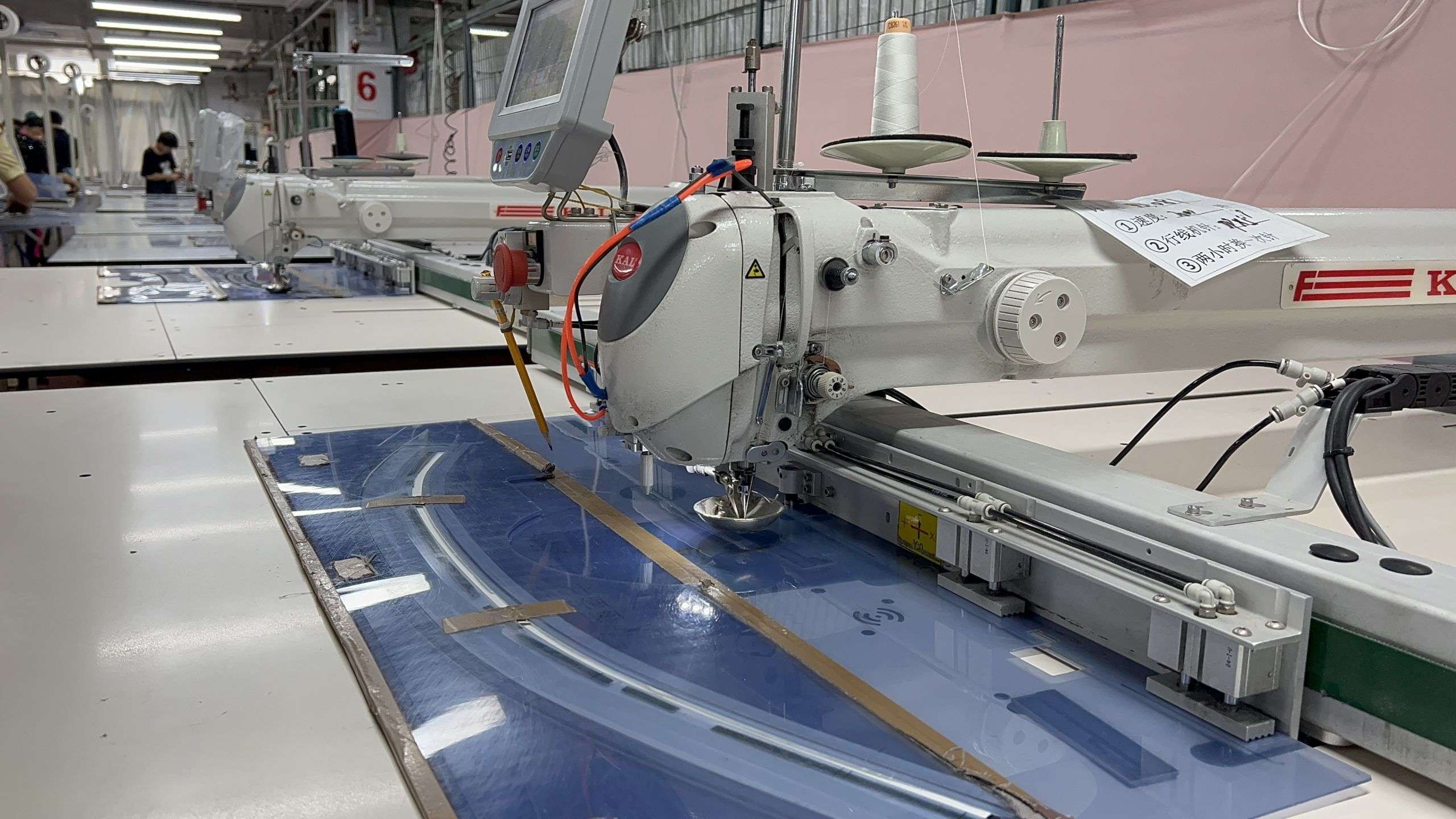
Hanger-line production is supported by central scheduling that helps coordinate production capacity according to operating needs.
Order-planning and workshop-management systems support tracking of production output, quality and other operating data during manufacturing.
Company materials document inspection across production and final stages, with the exact QC plan matched to the buyer and order.
The approved sample, measurements, fabric, decoration and brand details become the practical reference used for bulk production review.
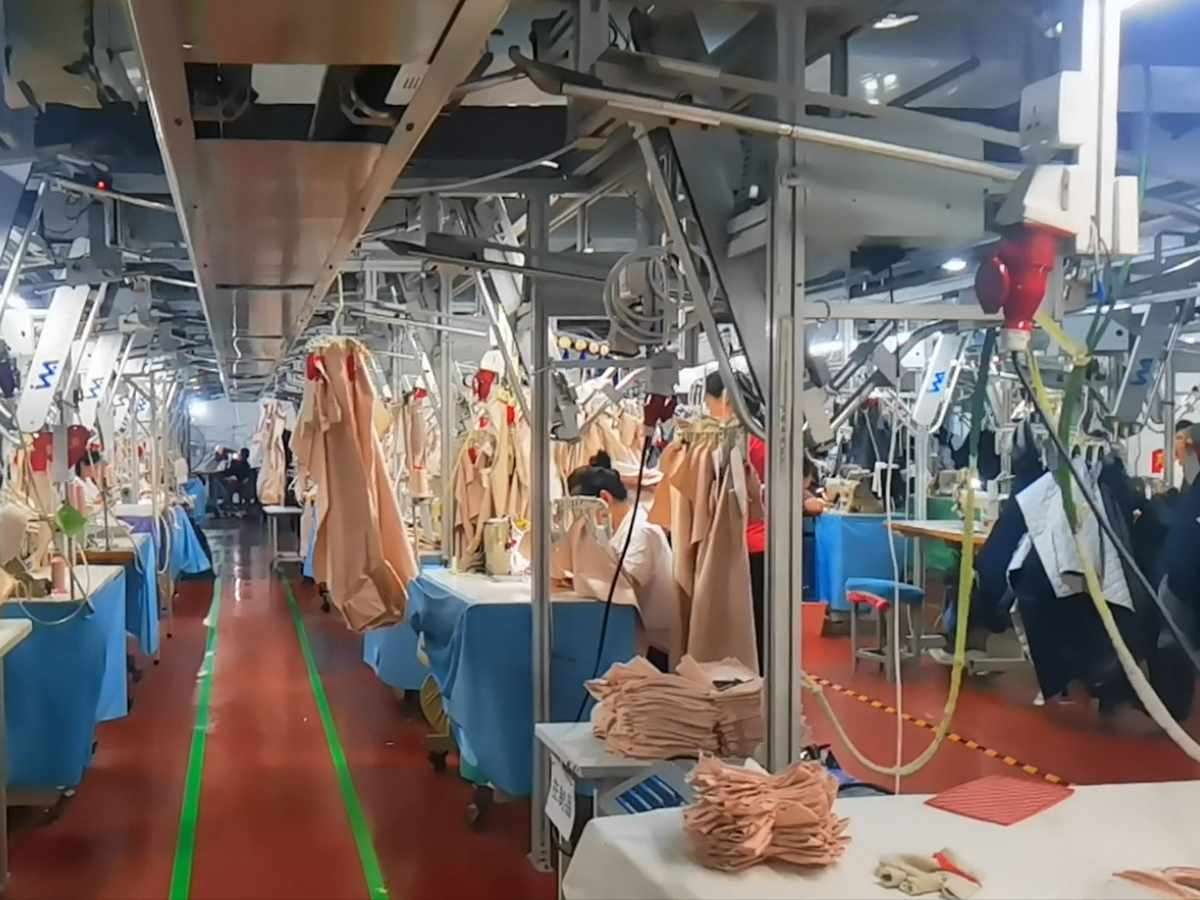
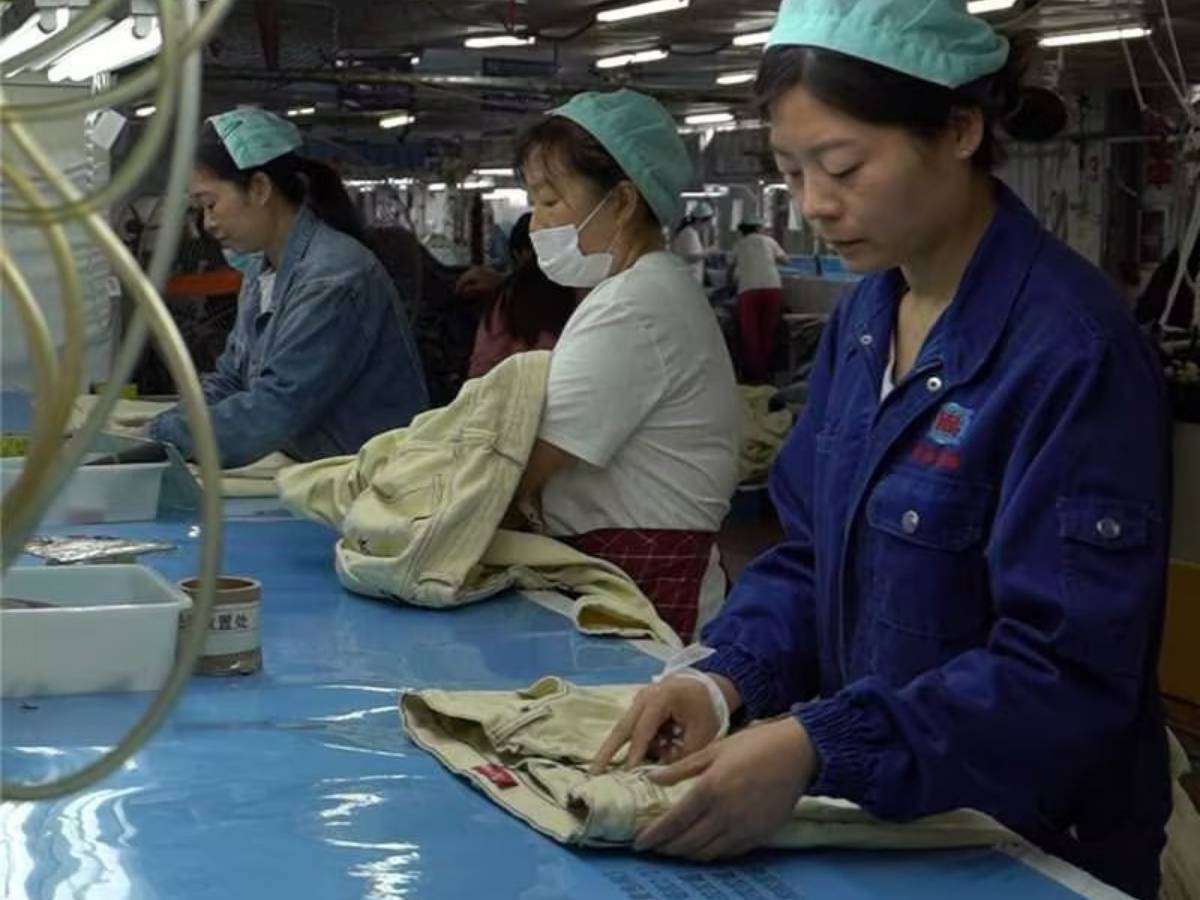
A reliable T-shirt program depends on controlling fabric behavior, fit, neckline construction, decoration and bulk consistency as one connected product system.
A dedicated fabric testing center supports applicable fabric evaluation before the selected material is committed to the approved production route.
In-house printing and embroidery support applicable branded T-shirt programs without separating decoration from the manufacturing workflow.
Pattern, measurements, collar construction and after-wash behavior are reviewed together because each can change the finished fit.
Order-planning and workshop-management systems support the transition from the approved sample to controlled bulk manufacturing.
Existing-style customization, custom T-shirts, garment-dyed products and selected in-stock styles follow different MOQ routes instead of one universal minimum.
Once fabric, fit, artwork, labels and packing are approved, those references can support more consistent repeat-order execution.
Use the resources below to move from fabric and fit decisions into decoration, commercial planning, the right production route or broader supplier evaluation.
Review fabric composition, weight, hand feel and expected dimensional behavior before approving the product.
Control silhouette, shoulder proportion, body measurements and collar construction before bulk.
Fit & Pattern Development
Neckline Construction
Construction Details
Choose decoration and finishing according to the actual fabric, artwork and desired garment effect.
Use quantity, color count, fabric, decoration and finishing requirements to plan a more accurate first quotation.
Continue to the route that matches how much of the T-shirt is already defined.
Buyer-Defined OEM Production
ODM Product Development
Private Label Production
Use broader supplier pages when the question becomes first-order risk, factory depth or sourcing strategy.
Startup Manufacturing Guide
China Apparel Sourcing Guide
Manufacturing Capabilities
Custom T-shirts typically start from 100 pieces per color. Final requirements still depend on fabric, decoration, number of colors and construction.
Yes. Existing styles with customization can start from 50 pieces where the selected product and customization route support it.
Selected in-stock styles have no MOQ. This applies only to eligible ready-stock products, not to all custom T-shirt manufacturing.
Sampling typically takes 5–10 days after key fabric, fit, construction and decoration inputs are confirmed.
Bulk production typically takes 15–30 days after sample approval and material readiness. Complex decoration, custom fabrics or additional finishing can affect the full calendar.
Choose fabric according to composition, weight, hand feel, stretch, shrinkage, intended fit, climate, finishing route and retail positioning.
There is no single best GSM. Lightweight, midweight and heavyweight fabrics create different drape, structure, cost and seasonal positioning. The correct weight should be evaluated with the intended silhouette and hand feel.
Heavyweight programs can be reviewed according to target fabric weight, fit, collar construction, decoration, finishing and quantity requirements.
Shrinkage control begins with the fabric and sample stage. The pattern, finished measurements and wash behavior should be evaluated before bulk so the approved garment becomes the production standard.
Rib material, neck opening, recovery, attachment tension and wash behavior all affect whether the neckline keeps the intended shape.
Depending on fabric, artwork and order requirements, projects may use screen printing, embroidery, digital printing, heat transfer or selected specialty effects. Final availability should be confirmed for the actual project.
Yes. A reference garment or clear product reference can be used as a starting point. If the product is not fully specified, additional development may be needed before bulk.
Send the starting point, fit, fabric composition and weight, neckline or construction details, number of colors, decoration, finish, branding, quantity per color, size range, target market and timeline. Upload reference photos, artwork or a tech pack where available.
Repeat production should start from the approved sample, final measurements, fabric specification, decoration artwork, labels, packing requirements and QC findings from the previous order.
Send your product reference, fabric direction, target fit, decoration, branding, quantity per color and timeline.
We will review the appropriate product route, MOQ, sample requirements and next step toward a production-ready T-shirt.