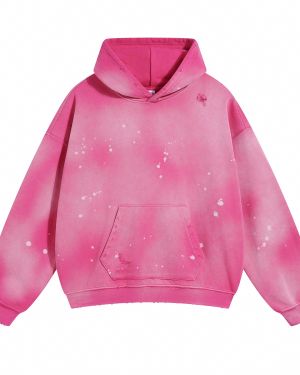
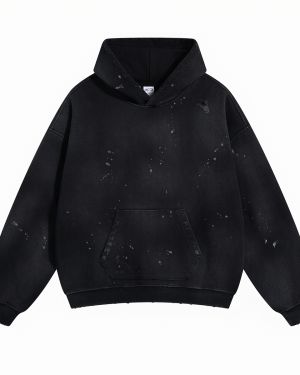
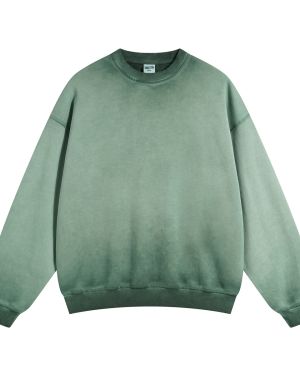
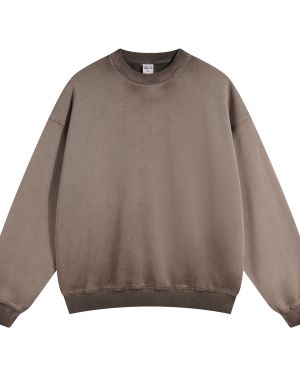
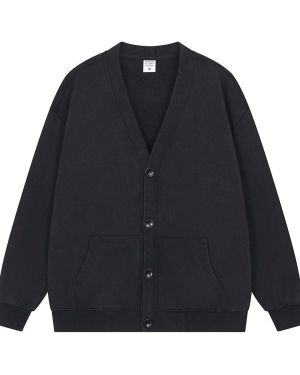
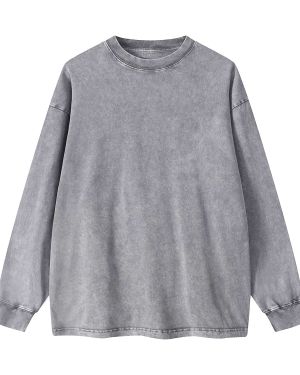
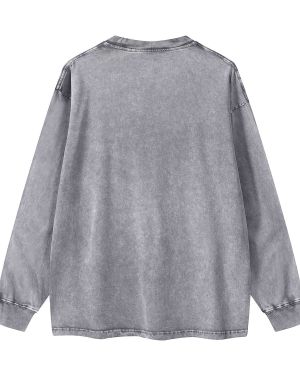
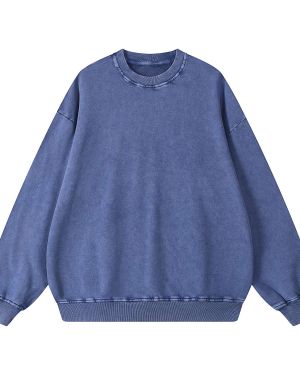
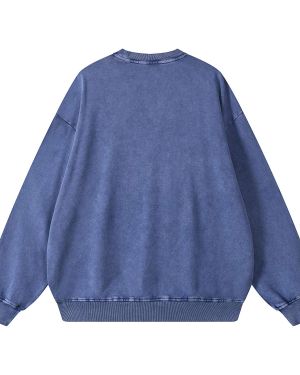
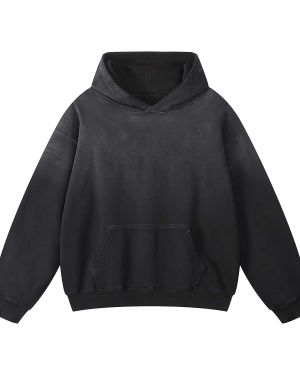
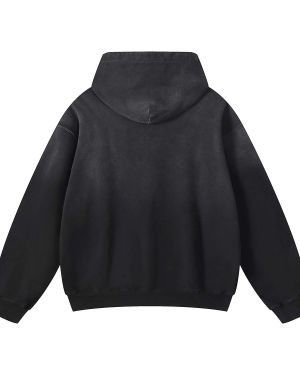
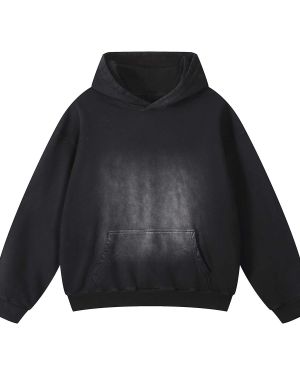
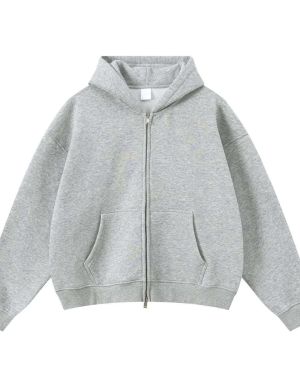
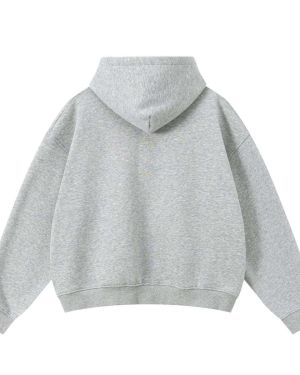
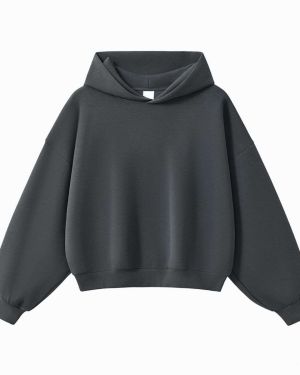
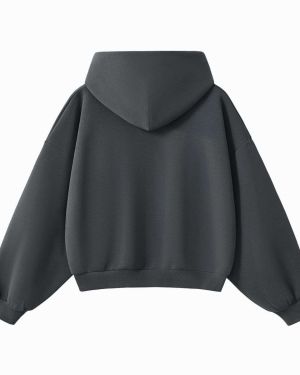
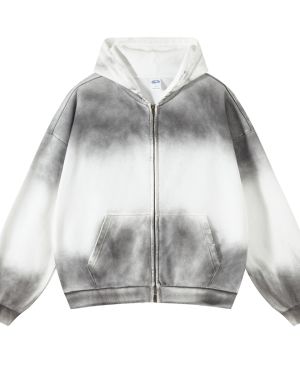
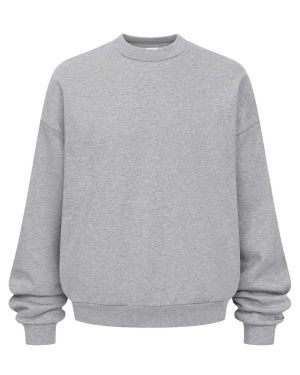
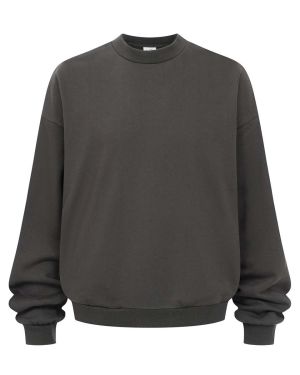
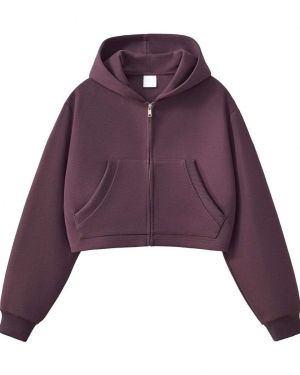
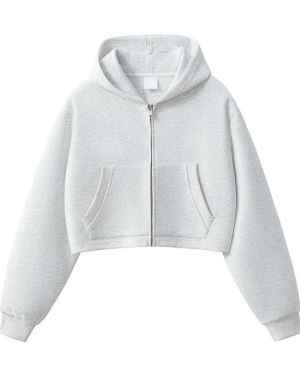
Loopback / French Terry Direction
Useful where breathability, visible loop structure and a less brushed interior are part of the product direction. Structure and weight should still be evaluated on the actual sample.


A production-ready hoodie has a defined fabric and inside surface, GSM, fit, hood construction, rib specification, closure and pocket details, decoration, finish, branding, size specification and approved sample.
A visual reference can communicate style direction, but it usually cannot define hood depth, rib recovery, zipper behavior, after-wash measurements or acceptable production tolerance. Those details should be closed before bulk production.
Hoodie fabric should be evaluated as a system: composition, weight, knit structure, inside surface, shrinkage and finishing all influence warmth, structure, drape, decoration and long-term appearance.
Useful where breathability, visible loop structure and a less brushed interior are part of the product direction. Structure and weight should still be evaluated on the actual sample.
Useful where warmth and a softer inside surface are important. Brushing consistency, surface appearance and after-wash behavior should be reviewed before bulk.
Blend ratio can change comfort, stability, recovery, shrinkage and maintenance. The final choice should match the intended product and finish.
Two hoodies with a similar GSM can feel very different when the knit construction and inside surface are different.
The outside surface affects appearance, print compatibility, surface smoothness and how structured the garment looks.
The inside surface affects warmth, hand feel, seasonal wear and how dense or soft the hoodie feels against the body.
Choose Hoodie GSM according to the intended silhouette, inside surface, climate, layering use, finishing route and retail positioning — not simply because a higher number sounds more premium.
Useful for layering, milder weather and selected casual programs where lower bulk and easier movement are priorities.
Often balances comfort, structure and broad seasonal wear, but the right weight still depends on fit and inside surface.
Useful for more structured silhouettes, boxy streetwear and colder-season products. Higher fabric weight also changes hood balance, rib behavior, cost and sewing requirements.
Hoodie fit is created by the relationship between body width, shoulder, sleeve volume, body length, hood position, armhole and hem tension — not by simply sizing every measurement up.
Controls ease and the overall silhouette.
Changes whether the garment feels classic, relaxed or intentionally dropped.
Works with shoulder and cuff to create clean, relaxed or oversized proportions.
Works with width to create standard, short-wide, boxy or cropped shapes.
Hood size and weight affect neckline position and how the garment hangs.
Influences mobility, sleeve volume and the intended silhouette.
Rib tension can create a straighter body or more gathered / balloon shape.
Size progression should preserve the intended proportion across the full size range.
The hood is a structural part of the garment. Its depth, opening, layer, seam construction and weight affect both appearance and wear.
A shallow or overly deep hood changes coverage, profile and how the garment sits when worn.
Opening shape affects the visual frame around the face and the front neckline.
Layer count changes structure, warmth, weight and seam behavior where applicable.
Panel shape and seam placement influence symmetry and finished form.
The hood-to-body join must work with neckline dimensions and fabric weight.
Drawcords, eyelets and hardware should be confirmed only where appropriate for the design and market.
Heavy fabric, a large hood or a double-layer construction can pull differently on the back neckline than a lighter hoodie.
The product should therefore be evaluated as a complete balance between hood size, fabric weight, neck opening, body fit and seam construction. A hood that looks good flat can still feel heavy or pull backward when worn.
Rib controls wrist fit, hem shape and recovery. It can materially change how a boxy, classic or oversized hoodie looks after wear and washing.
Changes sleeve finish, wrist comfort and the visual proportion of the sleeve.
Works with body width and length to create a straighter or more gathered shape.
Stretch should suit the intended fit without becoming overly tight or loose.
Recovery affects whether the cuff and hem return to shape after stretching and washing.
Uneven attachment can distort the garment or create visible puckering.
Rib and body fabric should be evaluated together after the applicable wash or finish.
A zipper is both hardware and structure. It must align with the finished body length, fabric shrinkage and the weight of the garment.
Should match the approved finished garment rather than an unwashed draft measurement.
Tape should work with the body fabric and sewing method without excessive stiffness or distortion.
Hardware choice should match the intended function and visual direction where applicable.
Left and right body panels, pockets, rib and artwork should remain visually aligned.
Body-fabric shrinkage and zipper stability should be considered together.
Visible waviness can appear when fabric behavior, zipper tape and sewing tension are not balanced.
Custom pullers or branding should be reviewed for quantity, tooling and project suitability.
Placement, symmetry, opening shape and topstitching should match the approved sample.
Opening position and pocket-bag construction should preserve comfort and silhouette.
Where applicable, pocket hardware and opening construction should be reviewed for bulk consistency.
Stress points at pocket openings may require reinforcement depending on fabric and construction.
Hoodie decoration should be selected around fabric surface, GSM, artwork size, placement, order quantity, wash route and desired durability. New Asia's documented production system includes in-house printing and embroidery capabilities for applicable programs.
| Method | Best suited to | Buyer should consider |
|---|---|---|
| Screen Printing | Bulk graphics and repeatable artwork | Fabric surface, artwork coverage, colors, ink system and curing. |
| Embroidery | Logos, premium details and selected streetwear placements | Stitch density, backing, fabric stability and puckering risk. |
| Puff / 3D Effects | Selected fashion and streetwear graphics | Artwork suitability, surface, curing and wash behavior. |
| Appliqué / Patch | Varsity, collegiate and layered brand details | Material weight, edge finish, attachment and placement. |
| Heat Transfer | Selected logos and graphics where technically suitable | Surface compatibility, application temperature and durability. |
Washing or garment dyeing can change shade, hand feel, surface character, rib behavior, zipper appearance and finished measurements.
Appearance should be approved against a physical reference or agreed standard before bulk.
Wash and dye routes can change softness, surface texture and the overall character of the hoodie.
Finished measurements should be evaluated after the applicable process, especially on heavier cotton-rich styles.
Body and rib materials may respond differently to wash or dye and should be reviewed together.
Zip hoodies need additional attention to body shrinkage, zipper length, front-edge stability and post-wash alignment.
Print, embroidery, patches and labels should be planned around the chosen wash or dye sequence.
Brand identification can be integrated according to approved construction and comfort requirements.
Confirm wording, dimensions, material and placement before bulk.
Artwork, attachment and product information should match the retail presentation.
Hardware or drawcord branding should be confirmed against quantity and project requirements.
Custom pullers may require additional tooling or minimums and should be evaluated separately.
Standard or custom packing can be reviewed according to order requirements.
The product is already defined and the main need is accurate manufacturing execution.
You have references or a product direction but still need help developing fabric, fit, construction or details.
You want an established hoodie base with selected product changes, branding and packaging.
You need help controlling MOQ, first-order risk, sample approval, launch timing and reorder readiness.
The best quotation starts with enough information to understand fabric, inside surface, fit, hood construction, closure, decoration, branding, quantity and timing.
Confirm product direction, quantity, target market, customization and commercial requirements.
Review composition, weight, structure, hand feel and shrinkage direction. A dedicated fabric testing center supports applicable material evaluation.
Build the garment around body width, shoulder, sleeve, length and the approved silhouette.
Develop the hoodie-specific construction details that affect weight balance, recovery, alignment and bulk repeatability.
Create the physical garment for fit, fabric, hood shape, rib, zipper and construction review.
Close fit, artwork, hardware, labels, wash direction and finished appearance before bulk.
Produce against the approved pattern and construction standard. Hanger-line production and central scheduling support production coordination where applicable.
Apply the approved printing, embroidery, wash or dye route, labels and hardware in the confirmed production sequence.
Digital order and workshop-management systems support production tracking while finished hoodies are inspected and packed against the approved requirements.
From 100 pcs/color
Main MOQ benchmark for custom hoodie programs.
From 50 pcs
Available where the selected existing style and route support it.
From 150 pcs/color
For eligible garment-dyed programs.
No MOQ
Applies only to selected ready-stock products, not all custom manufacturing.
| Cost factor | Why it matters |
|---|---|
| Fabric composition | Material type changes base fabric cost, shrinkage and sourcing. |
| GSM / weight | Heavier fabric increases material consumption and can change sewing requirements. |
| Inside surface | Loopback, brushing and finishing affect fabric process and final feel. |
| Fit / pattern | New silhouettes require more development than established constructions. |
| Double-layer hood | Adds material, weight and sewing complexity where applicable. |
| Zipper / hardware | Components, sliders, pullers and custom hardware affect cost. |
| Pocket complexity | Kangaroo, side, zip or hidden pockets require different sewing operations. |
| Rib specification | Custom rib width, stretch or composition affects components and construction. |
| Decoration | Print, embroidery, patch and specialty effects vary in setup and labor. |
| Wash / dye | Additional finishing adds process, approval and QC steps. |
| Labels / packaging | Branding components add materials and setup. |
| Quantity / colors | Order size and color count affect production efficiency and material minimums. |
Hoodie QC should cover fabric, dimensional stability, fit, hood shape, rib recovery, zipper and pocket details, decoration and final branding. New Asia's company materials document fabric testing and a multi-stage garment inspection system.
A dedicated fabric testing center supports applicable material evaluation before bulk production.
Review how body fabric, rib and the finished garment change through the applicable wash or finishing route.
Check body width, shoulder, sleeve, length and the measurements defined by the approved specification.
Review hood depth, opening, seam symmetry, weight balance and how the hood sits when worn.
Check tension, stretch, recovery and after-wash shape against the approved standard.
Inspect zipper alignment and operation, pocket symmetry, attachment and relevant reinforcement.
Compare printing, embroidery, patch or approved finish against the confirmed sample and artwork reference.
Verify workmanship, measurements, branding, labels, hangtags, packaging and final presentation before shipment preparation.
Current management-system and compliance references can be provided for applicable buyer qualification and hoodie program review.
Quality management system reference.
Environmental management system reference.
Occupational health and safety management system reference.
Social-compliance reference for applicable buyer qualification.
Current certification documentation available for applicable buyer and material review.
Current certification documentation available for applicable buyer and material review.
For hoodies, useful factory proof should connect material evaluation, printing or embroidery, production coordination and finished-garment quality with the hoodie-specific details buyers need to control.
Material evaluation supports decisions around fabric behavior before the approved hoodie moves into bulk production.
Documented printing and embroidery workshops support applicable logo, graphic and branded hoodie programs.
Hanger-line production is supported by central scheduling that helps coordinate production capacity according to operating needs.
Order-planning and workshop-management systems support tracking of output, quality and other operating data during manufacturing.
Company materials document inspection across production and final stages, with the exact QC plan matched to the buyer and order.
The approved sample, hood shape, rib, zipper or pocket details, fabric, decoration and measurements become the practical reference for bulk review.
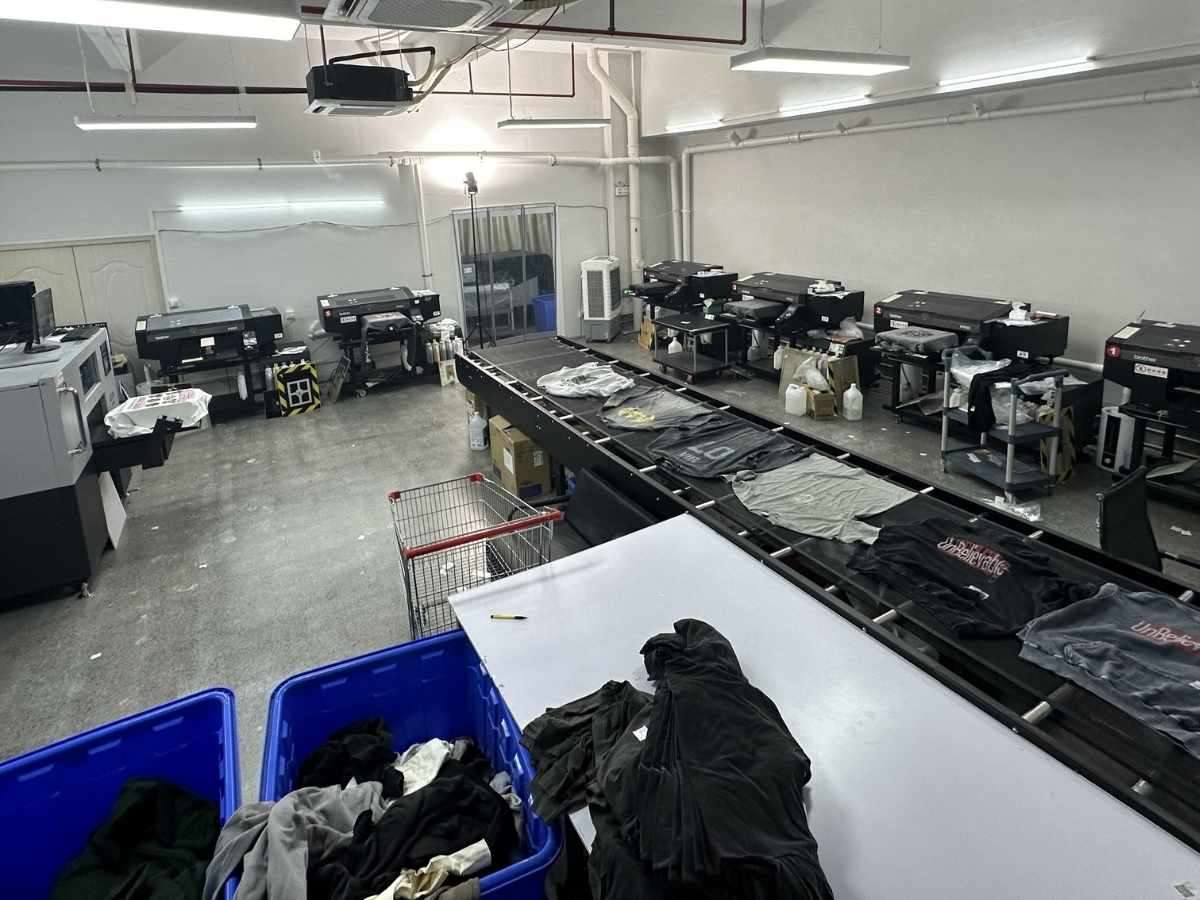
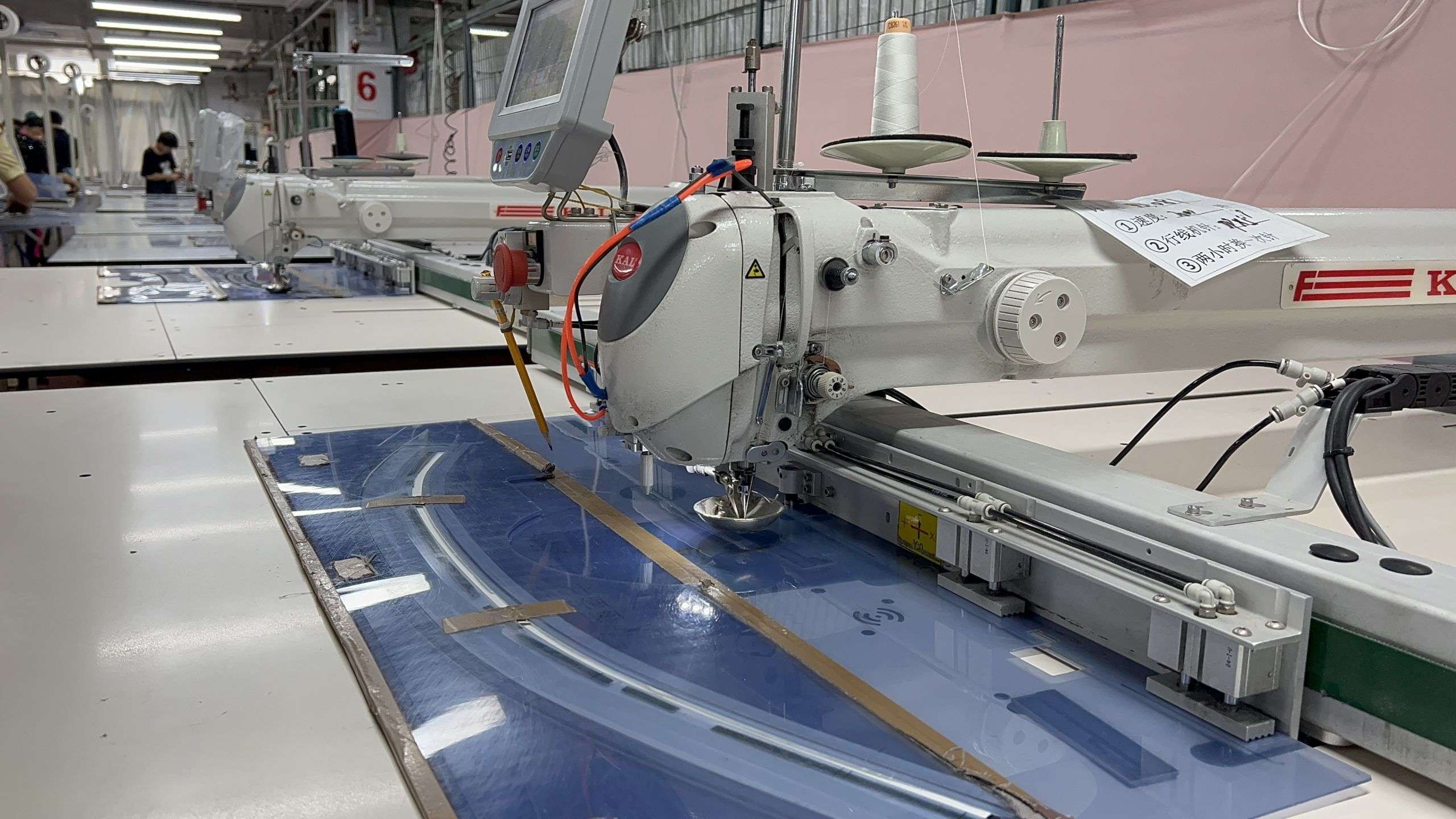
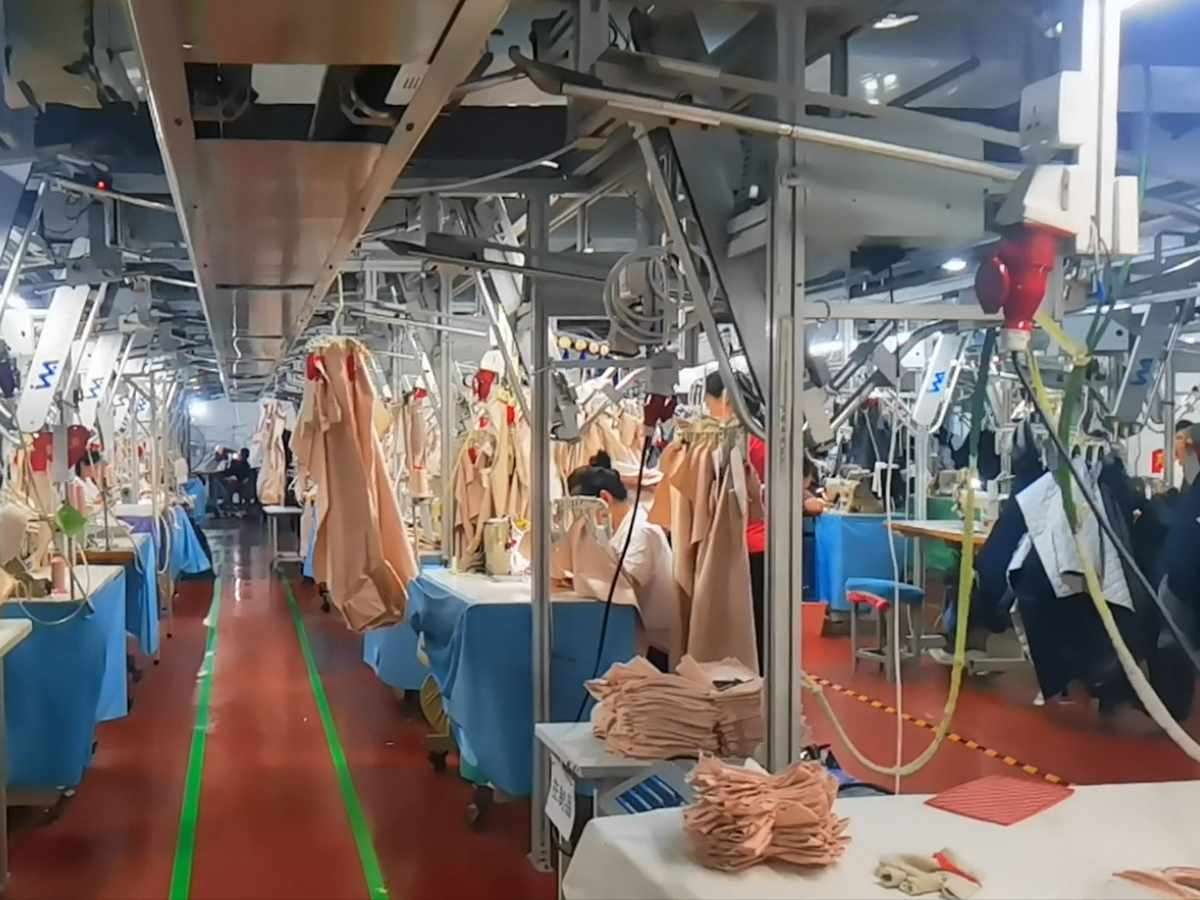

A reliable hoodie program depends on controlling fabric behavior, hood balance, rib recovery, zipper or pocket construction, decoration and bulk consistency as one connected product system.
A dedicated fabric testing center supports applicable fabric evaluation before the selected material moves into the approved production route.
In-house printing and embroidery support applicable branded hoodie programs without separating decoration from the manufacturing workflow.
Hood shape, neckline balance, rib recovery, zipper alignment and after-wash behavior are reviewed as connected construction decisions.
Order-planning and workshop-management systems support the transition from the approved sample to controlled bulk manufacturing.
Existing-style customization, custom hoodies, garment-dyed products and selected in-stock styles follow different MOQ routes instead of one universal minimum.
Once fabric, fit, hood construction, artwork, hardware, labels and packing are approved, those references can support more consistent repeat-order execution.
Use the resources below to move from fabric and construction decisions into decoration, commercial planning, the right production route or broader supplier evaluation.
Review composition, weight, loopback or brushed directions and dimensional behavior before approving the fabric.
Control silhouette, hood balance, rib recovery and the construction details that define the finished shape.
Use product-specific modules to plan zip-up construction, pockets, printing and embroidery.
Use the washed-program section when shade, shrinkage, rib behavior, zipper alignment or vintage finishing becomes the main issue.
Continue to the route that matches how much of the hoodie is already defined.
Buyer-Defined OEM Production
ODM Product Development
Private Label Production
Use broader supplier pages when the question becomes first-order risk, factory depth or sourcing strategy.
Startup Manufacturing Guide
China Apparel Sourcing Guide
Manufacturing Capabilities
Custom hoodies typically start from 100 pieces per color. Final requirements still depend on fabric, color count, decoration, hardware and construction.
Yes. Existing styles with customization can start from 50 pieces where the selected style and customization route support it.
Selected in-stock styles have no MOQ. This applies only to eligible ready-stock products, not to all custom hoodie manufacturing.
Eligible garment-dyed products typically start from 150 pieces per color.
Sampling typically takes 5–10 days after key fabric, fit, hood, construction and decoration inputs are confirmed.
Bulk production typically takes 15–30 days after sample approval and material readiness. Complex hardware, custom fabrics, wash processes or additional finishing can affect the full project calendar.
Choose fabric according to composition, GSM, inside surface, hand feel, shrinkage, intended fit, climate, wash route and retail positioning.
Loopback fabrics have a visible loop structure on the inside, while brushed fleece has a softer brushed inner surface. The correct choice depends on warmth, hand feel, structure, season and finishing requirements.
There is no single best GSM. Fabric weight should be evaluated together with composition, inside surface, fit, hood construction, climate and the desired hand feel.
Heavyweight hoodie programs can be reviewed according to target GSM, inside surface, fit, hood construction, rib, decoration and quantity requirements.
Hood depth, opening, panel shape, layer, seam construction, neckline dimensions and fabric weight should be reviewed together on the approved sample and again after the applicable wash or finish.
Zipper waviness can occur when body-fabric shrinkage, zipper tape stability, sewing tension or front-edge construction are not well balanced. Zip hoodies should be evaluated after the relevant wash or finishing process.
Depending on fabric, artwork and order requirements, projects may use screen printing, embroidery, puff or other specialty effects, appliqué, patches or heat transfer. Final availability should be confirmed for the actual project.
Send the starting point, fabric composition, GSM, inside surface, fit, hood details, closure, zipper or hardware, pocket, rib, decoration, finish, branding, quantity per color, size range, target market and timeline. Upload reference photos, artwork or a tech pack where available.
Repeat production should start from the approved sample, final measurements, fabric specification, hood and rib details, hardware, decoration artwork, labels, packing requirements and QC findings from the previous order.
Send your product reference, fabric direction, target fit, hood details, decoration, branding, quantity per color and timeline.
We will review the appropriate production route, MOQ, sample requirements and next step toward a production-ready hoodie.