

Silhouette · Length · Bodice · Waist · Closure · Wash
Denim Dress Development for Fashion & Private Label Brands
Develop denim dresses around the finished silhouette, dress length, bodice fit, waist shaping, closure, fabric behavior, wash and grading requirements that matter in repeatable bulk production.
Denim dresses combine apparel fit with the structural behavior of woven denim. Small changes in bust shape, waist position, total length, stretch recovery or wash shrinkage can change both comfort and silhouette, so the finished sample should define the product more clearly than a style name alone.
Product Discovery
Start With the Closest Dress Silhouette
Use the live product collection to identify the closest development base, then define the exact length, bodice, waist, neckline, fabric, wash and construction needed for your brand.
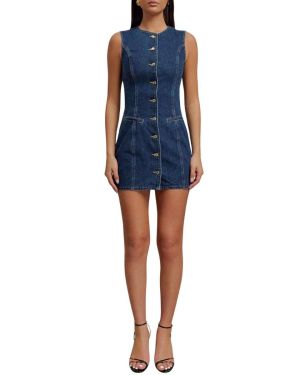
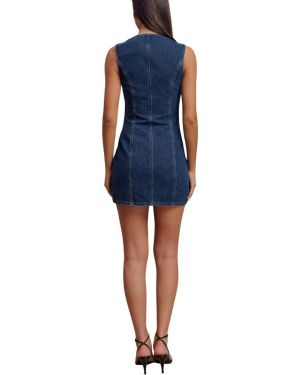
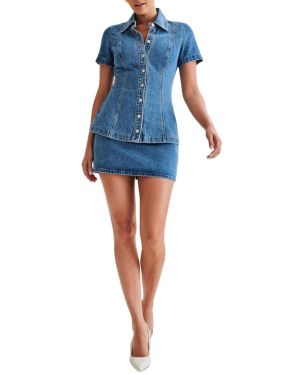
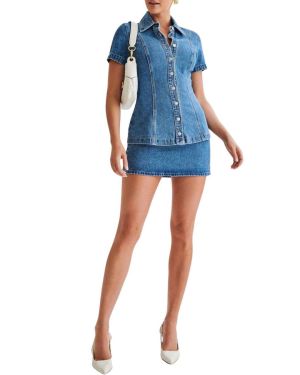
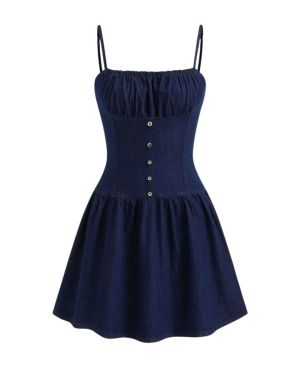
Mini Dresses
Review total length, waist position, seat coverage, neckline and hem shape after the intended wash.
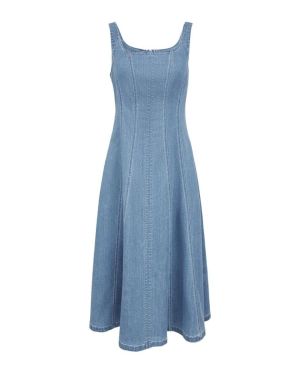
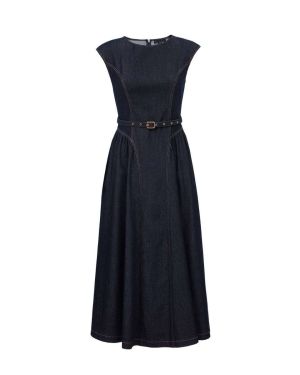
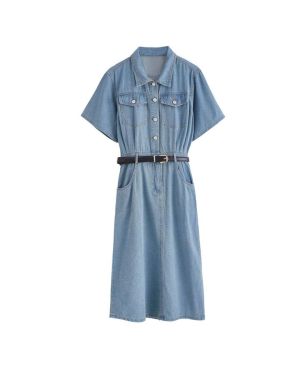
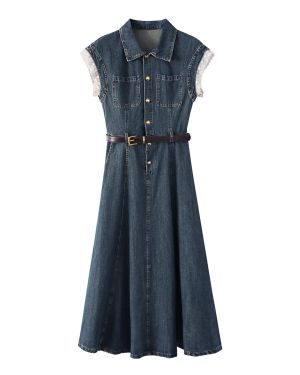
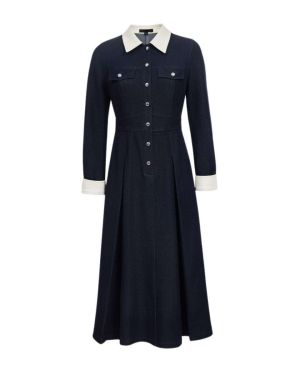
Midi Dresses
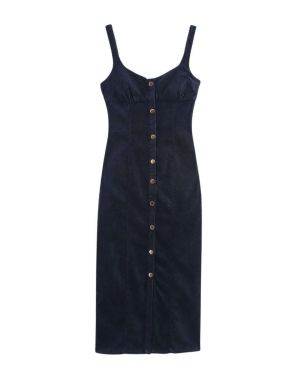
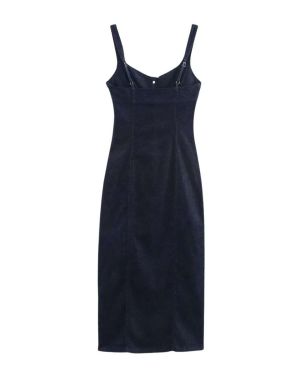
Balance bodice fit, waist shaping, hip ease and skirt proportion for a controlled mid-length silhouette.
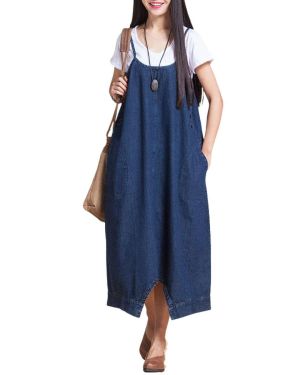
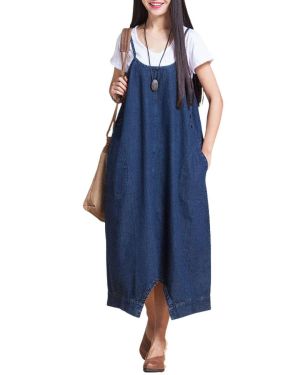
Maxi Dresses
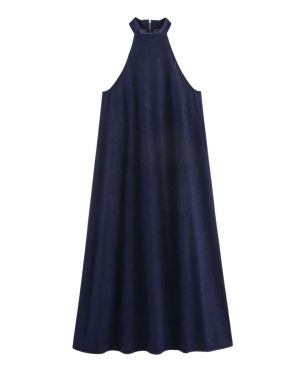
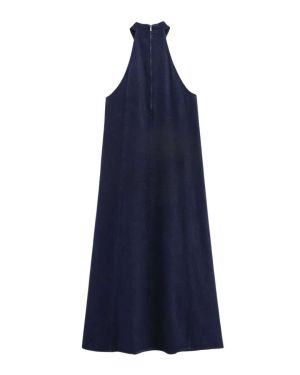
Longer silhouettes need attention to drape, body length, walking ease, hem sweep and fabric weight.
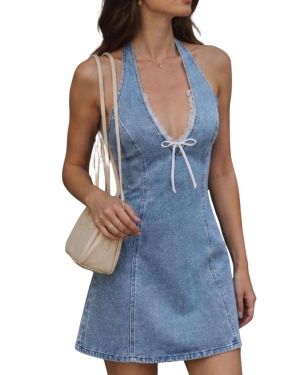
Bodycon & Fashion Dresses
Closer fits, halter necks, cut-outs, belts, patchwork and decorative details require more precise fit and placement approval.
Buyer Specification
What Should Be Defined Before Sampling?
A production-ready denim dress brief should define the finished garment, not just a general description such as “bodycon midi” or “A-line maxi.”
| Decision | What to Define | Why It Matters |
|---|---|---|
| Silhouette & Length | Mini, midi, maxi, A-line, straight, bodycon, flared; finished total length | Controls overall proportion, fabric consumption and movement. |
| Bodice & Neckline | Bust fit, neckline, straps, sleeves, armhole and upper-body shaping | Determines comfort, coverage and the visual balance of the upper garment. |
| Waist & Hip | Waist position, shaping, darts / seams, hip ease and finished measurements | Defines whether the dress feels fitted, regular, relaxed or structured. |
| Closure | Button front, zipper, side / back opening, belt, buckle or other closure | Affects wearing ease, front appearance and construction sequence. |
| Fabric & Wash | Denim weight, rigid / stretch direction, recovery, shrinkage, shade and finish | Changes drape, comfort and post-wash measurements. |
| Details | Pockets, belts, cut-outs, patchwork, embroidery, trims, labels and packaging | Requires repeatable placement and attachment standards. |
Fit & Fabric
Match Dress Construction to Denim Behavior
Bodice & Waist Shaping
Confirm bust, waist, neckline, armhole and upper-body measurements on the approved sample. Darts, panel seams, belts or shaped waistlines should support the intended silhouette rather than create tension after washing.
Rigid vs Stretch Denim
Rigid denim supports more structured A-line, shirt-dress and relaxed silhouettes. Stretch denim is more suitable where bodycon fit, movement or closer body shaping is required.
Length, Drape & Movement
Midi and maxi dresses need enough ease and hem sweep for movement. Fabric weight and wash softness influence how the finished skirt portion hangs and moves.
Customization & Quality
Control Wash, Details and Finished-Garment Consistency
Denim dresses can combine washed finishes, belts, branded hardware, embroidery, patchwork, cut-outs and other fashion details where the selected product and production route support them. Each visible feature should have an approved placement and construction standard before bulk production.
Wash & Shade
Approve target shade, fade and hand feel together with the finished garment measurements. Lot-color control supports consistency against the approved direction.
Closure & Details
Buttons, zippers, belts, buckles, straps and decorative elements should be reviewed for position, operation and repeatability.
Finished-Garment QC
Check bust, waist, hip, total length, neckline, seam balance, closure, hem, decoration and wash according to the buyer specification and agreed QC plan.
For deeper denim fabric, shrinkage, wash and finishing information, use the Denim Manufacturing Hub. This category page stays focused on denim-dress product development and commercial sourcing decisions.
Project Review
What to Send for a Denim Dress Quote
You do not need a perfect tech pack for an initial review, but the project should be specific enough to identify the intended fit, fabric and production route.
Product Reference
Tech pack, physical sample, sketch, product URL or the closest New Asia denim dress style.
Product Requirements
Silhouette, total length, neckline, bodice fit, waist / hip, fabric, wash, closure, decoration and branding.
Commercial Requirements
Estimated quantity, size range, target market, sample target and required timing.
Buyer FAQ
Common Denim Dress Manufacturing Questions
What is the MOQ for custom denim dresses?
The current planning point for many custom denim and other fashion-garment projects is from 300 pieces per style. Existing-style customization may start from 50 pieces where the selected product and requested changes support that route.
How long does sampling usually take?
Sampling is typically 5–10 days after the core fit, material and finishing requirements are confirmed. Complex construction, decoration, specialty materials or revision rounds can extend the schedule.
Can you develop mini, midi, maxi, A-line and bodycon denim dresses?
These are valid development directions where the selected fabric, pattern, construction and quantity fit the project. Final production should be based on approved finished measurements and a physical reference or sample.
Should I use rigid or stretch denim for a dress?
Rigid denim is better suited to more structured silhouettes, while stretch denim can support closer fits and greater wearing comfort. The final choice should be reviewed together with wash behavior, recovery and target measurements.
Next Step
Develop a Denim Dress That Can Be Repeated in Bulk
Send the closest dress reference, target silhouette, length, fabric, wash, construction, branding and estimated quantity for an initial production review.