
Introduction
Maintaining consistent quality is a make-or-break factor in maxi dress manufacturing. Brands that overlook detailed inspections often face costly returns, sizing complaints, and fabric defects that damage their reputation. On the other hand, companies that implement structured quality control processes consistently deliver products that meet customer expectations and build long-term trust.
To ensure every maxi dress meets design specifications and buyer standards before shipment, using a comprehensive QC checklist during inspections is essential. Most maxi dress quality issues come down to three things: uneven hems, twisted side seams, and poor fabric alignment. Before approving any bulk order, pull at least 10% of the pieces. Hang each dress and check the hem sits level all the way around. Lay it flat and make sure side seams run straight down without twisting. If either is off, reject that batch.
Also check the zipper glides smoothly, buttons are secure, and for printed dresses, the pattern matches at the side seams. Stretch the fabric gently near the armhole—if you hear ripping or see threads pulling apart, that’s weak construction. And don’t overlook care labels and size tags. Sounds basic, but I’ve seen tags sewn in upside down.
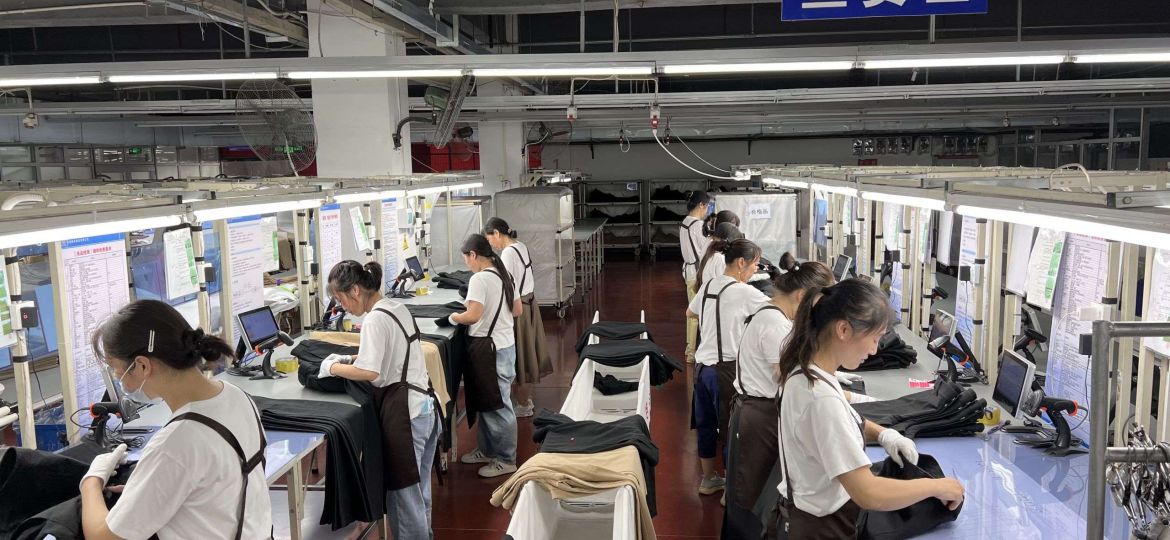
At Newasia Garment Co., Ltd. , we do multi-point quality inspection on every maxi dress order before shipping. Seam strength, zipper function, print alignment, hem leveling—we check it all and send you a report. Ready to skip the QC headache? Send over your specs.
We are also a partner of brands such asAmerican Eagle Outfitters, Uniqlo, Zara, Gap, Levi’s, and Lee, ensuring consistent quality and reliable production capacity.
What is an maxi dress quality control checklist?
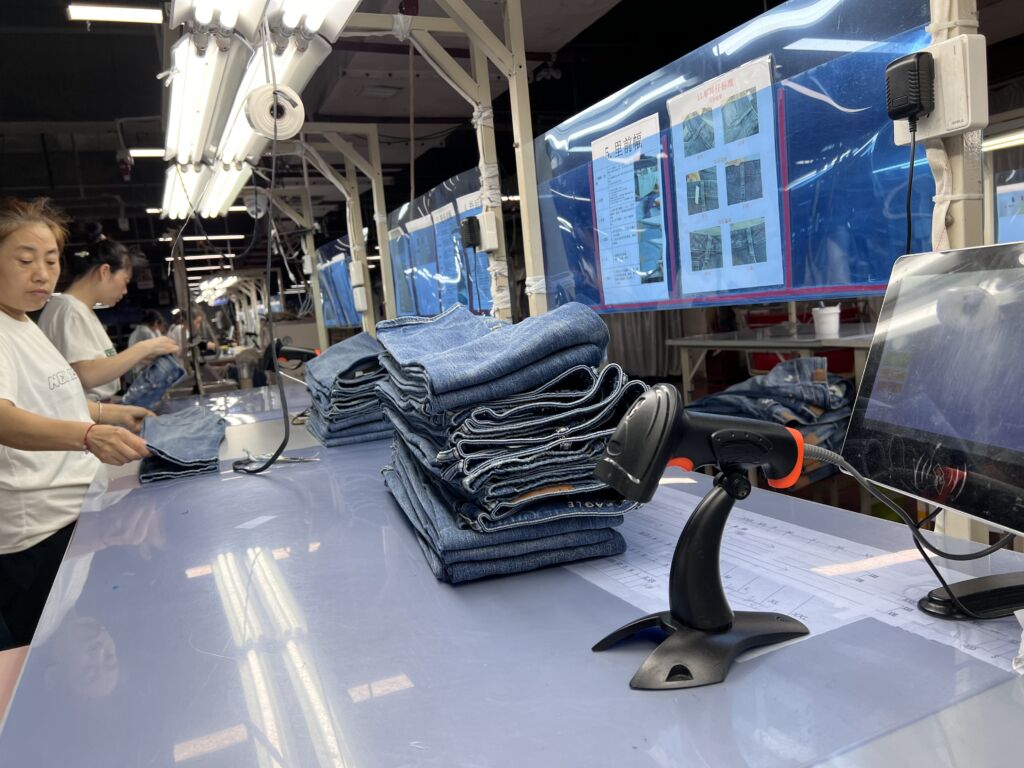
An maxi dress quality control checklist—also known as a QC checklist or inspection criteria sheet (ICS)—is a document that outlines all the specific requirements, product details, and quality checks needed during the inspection of clothing items. This checklist guides suppliers and quality control teams to ensure that each garment is produced to the brand’s exact standards.
The checklist typically includes:
- Product Specifications: This section details everything from the fabric, stitching, and sizing to colors and any accessories like buttons or zippers.
- Packaging and Labeling Requirements: It defines how the product should be packaged and labeled to meet both legal and brand-specific guidelines.
- On-Site Inspection Procedures: This part outlines the tests and checks that need to be performed during production, including instructions on what passes or fails based on an apparel buyer’s requirements.
Clothing Buyers can either create their own QC checklists or work with a quality control provider to customize one based on pre-existing templates. A structured checklist helps ensure everyone involved in the production and inspection process is clear on expectations, reducing the risk of defects and miscommunication.
Why Quality Control Is Important for Maxi Dresses
Quality control plays a key role in ensuring maxi dresses meet both functional and aesthetic expectations:
- Customer Satisfaction: Proper fit, flow, and comfort lead to fewer returns and higher satisfaction
- Brand Reputation: Consistent quality builds trust and repeat purchases
- Cost Efficiency: Early defect detection reduces rework and waste
- Compliance: Ensures garments meet safety and labeling standards
Pre-Production Quality Control for Maxi Dresses
Pre-production QC ensures all materials and designs are ready for bulk production:
- Fabric Inspection: Check for defects like holes, uneven dyeing, transparency issues, or poor drape
- Pattern & Length Verification: Ensure patterns match design specs, especially maxi length and silhouette
- Trim Inspection: Check zippers, buttons, elastic, straps, and linings
- Sample Evaluation: Confirm fit, length, and movement (walking/flow test)
Why You Need a Maxi Dress Quality Control Checklist for Textile and Clothing Inspections
Maxi dresses are often more complex than basic garments because they involve flowing fabrics, longer seams, lining options, and detailed construction (such as pleats, gathers, or elastic waistbands). A quality control (QC) checklist ensures every piece meets your brand’s expectations before it reaches customers.
A QC checklist helps by:
- Clearly communicating design and quality requirements to the supplier, reducing production errors.
- Giving inspectors a structured guide to identify defects during in-line and final inspections.
- Ensuring consistency across batches, especially when using multiple factories or fabric types.
What Goes into a Maxi Dress QC Checklist?
A typical QC checklist for a maxi dress includes:
Product Requirements
- Measurements & Tolerances: Bust, waist, hip, length (including full hem length accuracy for floor/ankle grazing styles)
- Fabric Specification: Type (chiffon, cotton, rayon, silk, polyester blends), GSM, stretch level, transparency requirements
- Color Standards: Pantone references, shade band consistency, dye lot matching
- Stitching & Construction: Stitch density, seam alignment, reinforcement at stress points (shoulders, waist seams, straps)
- Design Details: Pleats, ruffles, slits, buttons, zippers, smocking, lining alignment
- Labeling: Brand label, size label, care label, fiber content compliance, country of origin
Packaging Requirements
- Individual Packaging: Polybags, tissue wrapping, hangtags protection
- Carton Specifications: Carton strength, size, weight limits, carton marking accuracy
- Folding Method: Prevent creasing or distortion of long skirt sections
- Barcode & SKU Labels: Correct placement and scannability
- Shipping Labels: Destination info, handling warnings (e.g., “Do Not Fold Excessively” for delicate fabrics)
On-Site Testing (Inspection Checks)
- Measurement Verification: Full-length drop, hem symmetry, side seam balance
- Fabric Inspection: Defect checks (holes, stains, weaving flaws, shading issues)
- Colorfastness Test: Wet/dry rubbing to check dye bleeding or fading
- Seam Strength Test: Pull tests on side seams, shoulder straps, and waist joins
- Zipper/Button Function Test: Smooth operation, secure fastening, no breakage
- Elasticity Test (if applicable): Waistbands and smocked areas return to shape properly
- Drape & Flow Check: Ensures garment hangs evenly and maintains intended silhouette
- Transparency Check: Especially for light-colored or lightweight fabrics under lighting conditions
Key Benefits of a Maxi Dress QC Checklist
- Prevents miscommunication on design details like length, drape, and fabric behavior
- Identifies construction issues early, especially in long seams prone to defects
- Ensures consistency across sizes and production batches
- Reduces returns caused by fit, transparency, or stitching problems
- Protects brand reputation by maintaining premium appearance and quality standards
By using a structured QC checklist tailored to maxi dresses, you ensure every garment not only looks good on a hanger but also performs well in real-world wear—supporting customer satisfaction and brand trust.
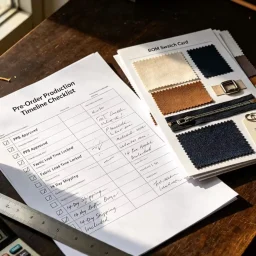
Pre-Production Checklist (Before Bulk Starts)
Strong quality starts before cutting begins.
1. Fabric Approval
- Confirm fabric composition, GSM, and hand feel
- Check color consistency against approved swatch
- Perform shrinkage and colorfastness tests
- Review drape suitability for maxi length
2. Trim & Accessories
- Zippers: smooth operation, correct length
- Buttons: secure stitching, color matching
- Labels: correct branding, wash care accuracy
3. Size Spec & Fit Sample
- Verify measurements across all sizes
- Fit test on real model or mannequin
- Confirm length proportion (critical for maxi dresses)
Inline Production Inspection (During Sewing)
Catching issues early saves the most cost.
1. Cutting Accuracy
- Panels aligned with grainline
- Print placement consistent (especially for floral or geometric designs)
- No fabric damage or oil stains
2. Stitching Quality
- Even stitch density (typically 8–12 stitches per inch)
- No skipped stitches or loose threads
- Reinforcement at stress points (waist, straps, zipper areas)
3. Assembly Consistency
- Symmetry between left and right panels
- Proper seam alignment
- Correct attachment of sleeves or straps
Final Inspection Checklist (Pre-Shipment)
This is your last line of defense.
1. Measurement Check
- Bust, waist, hip, and total length within tolerance
- Consistent grading across sizes
2. Appearance Inspection
- No visible stains, holes, or fabric defects
- Print alignment straight and centered
- Color shading consistent across batch
3. Functionality Test
- Zippers glide smoothly
- Buttons secure and aligned
- Elastic (if any) has proper recovery
4. Finishing Quality
- Threads trimmed cleanly
- Seams properly pressed
- No puckering or distortion
5. Packaging Check
Packaging matches buyer requirements
Correct folding method
Size labels and hang tags accurate
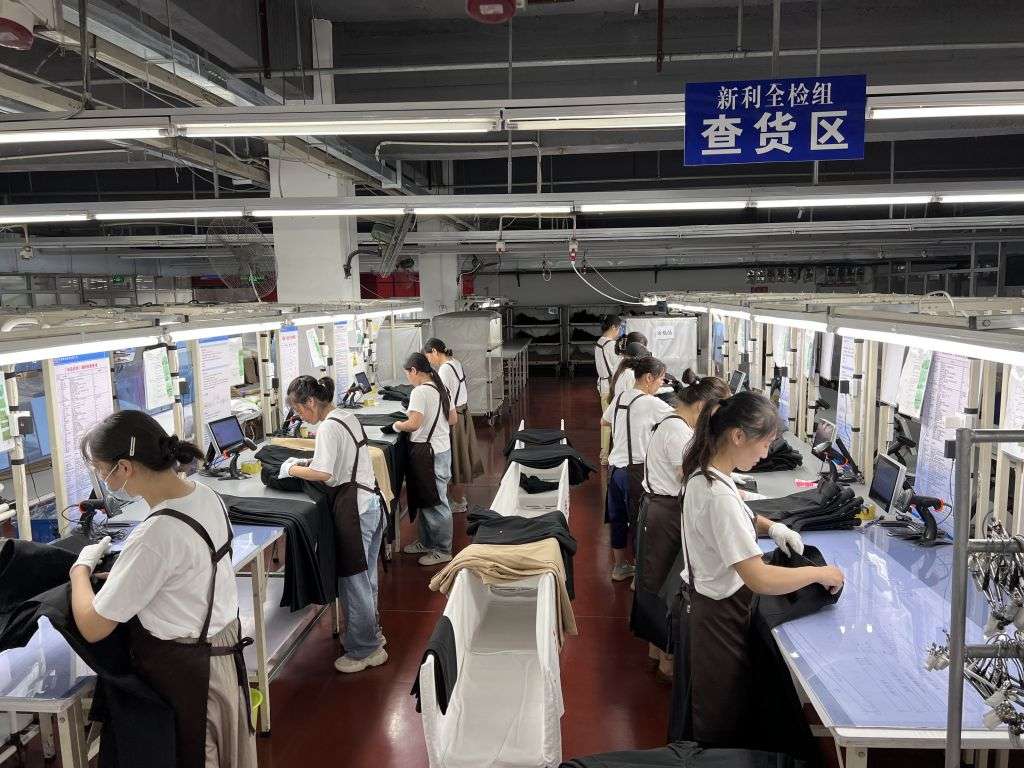
How to Check the Quality of a Maxi Dress
Key areas to evaluate include:
- Stitching & Seams: Even, secure, and aligned stitching
- Fabric Quality: Smooth texture, no visible defects, appropriate weight
- Fit & Length: Accurate sizing and correct floor-length proportion
- Color Consistency: No shading differences between panels
- Finishing Details: Clean hems, functional zippers, secure trims
Standard Tests for Maxi Dresses
- Shrinkage Test: Ensures length and fit remain stable after washing
- Colorfastness Test: Prevents fading or dye transfer
- Seam Strength Test: Ensures durability under stress
- Pilling Test: Evaluates fabric surface durability
- Drape Test: Assesses how well the fabric flows
Maxi Dress Quality Control Checklist following the same practical structure:
- Fabric compliance — correct fabric type (e.g., chiffon, cotton, satin), colour match to approved lab dip, fabric weight within tolerance, proper drape and hand-feel, no weaving defects or shading issues
- Measurements — all key points of measure within agreed tolerance (typically ±1–2 cm), including dress length (critical for maxi dresses), bust, waist, hip, hem sweep, sleeve length (if applicable), strap length, and neckline depth
- Construction & stitching — secure seam strength, consistent stitch density, clean seam finishes (no puckering or skipped stitches), accurate seam alignment (especially side seams and princess seams), correct gathering or shirring execution if designed
- Trims & accessories — correct and approved buttons, zippers, hooks, elastic, cords, or embellishments as per BOM; secure attachment; functional zipper smoothness; decorative trims evenly applied and aligned
- Finishing — no loose threads, fabric stains, oil marks, snags, or pilling; proper pressing/ironing without shine marks or heat damage; hem even and level across full sweep; no twisting in straps or bodice
- Labelling & compliance — accurate care labels, fibre composition, size labels, brand labels, and country of origin; labels correctly positioned and securely stitched or heat-transferred; compliance with target market regulations
- Packaging & packing — correct folding method suitable for long-length garments; protective poly-bagging without creasing the hem; correct hangtags and barcode placement; size and style consistency in cartons; carton markings accurate and scannable
Benefits of Strong Maxi Dress QC Standards
- Higher customer satisfaction and fewer returns
- Reduced production costs and material waste
- Improved brand image and market competitiveness
- Consistent sizing and fit reliability
Step-by-Step Maxi Dress QC Process
- Material Inspection: Check fabric and trims before production
- Pre-production Sampling: Approve fit, length, and design
- In-line Inspection: Monitor stitching and assembly during production
- Final Inspection: Evaluate finished garments thoroughly
- Packaging Check: Confirm labeling and packing accuracy
Key Components of a Maxi Dress QC Checklist
A comprehensive checklist should include:
- Fabric Inspection: Quality, defects, transparency, and drape
- Measurement Check: Length, bust, waist, hips, strap length
- Stitching Quality: Strength, uniformity, and neatness
- Seam Alignment: Straight and symmetrical seams
- Color Consistency: Uniform shade across the garment
- Fit & Silhouette: Proper flow and proportion
- Finishing Quality: Clean hems, no loose threads, secure trims
- Labeling & Packaging: Accurate labels and proper packaging
- Visual Inspection: No stains, damage, or visible defects
Common QC Challenges in Maxi Dress Manufacturing
- Length inconsistency due to fabric stretch or cutting errors
- Fabric variation between batches
- Manual inspection errors
- Production delays from rework
- Complex designs (layers, pleats, prints) increasing defect risk
Tools and Technologies for QC
- Fabric inspection machines for detecting defects
- Digital measuring tools for precise length checks
- 3D fitting technology for size consistency
- Barcode systems for production tracking
Best Practices for Maxi Dress Quality Control
- Train workers to focus on fit, length, and finishing details
- Use standardized QC checklists across all production stages
- Conduct regular inspections and audits
- Maintain strict supplier quality control
- Invest in technology to improve accuracy and efficiency
Quality control is essential for delivering high-quality maxi dresses that meet customer expectations. By focusing on fit, fabric, length, and finishing, manufacturers can reduce defects, improve consistency, and strengthen their position in the competitive apparel market.
Why Select Newasia Garment Co., Ltd.
With extensive experience in the apparel manufacturing industry, Newasia Garment Co., Ltd. has established a strong reputation for delivering high-quality garment production and reliable quality control support. Specializing in a wide range of apparel categories, including maxi dresses, fashion wear, and casual clothing, the company ensures consistent product standards from fabric sourcing to final shipment.
Newasia Garment Co., Ltd. operates with a well-structured production and inspection system, supported by skilled technicians and quality control teams across key manufacturing stages. This allows the company to identify and prevent common issues such as stitching defects, fabric inconsistencies, incorrect sizing, and finishing errors before products reach customers.
The company places strong emphasis on meeting international quality standards and buyer requirements, ensuring that every garment is properly checked for measurement accuracy, material quality, color consistency, and packaging compliance. This commitment helps clients reduce risks, minimize returns, and maintain strong brand reputation in competitive markets.
At Newasia Garment Co., Ltd., customer satisfaction is a core priority. With responsive communication, efficient production management, and strict quality assurance processes, the company provides reliable support to global buyers seeking stable supply, consistent quality, and on-time delivery.
5 STEPS OF QUALITY INSPECTIONS

RAW MATERIAL INSPECTION:
Such as customized size chart, collar length, sleeves and pants width/length, which crucial as they are determine the comfort and fit of the clothing.

Sewing Methods and Craft
Providing instruction on sewing method and Craft,like stitching and sewing thread use,which are important to ensure the product quality.

Fabric &Quantity Required
Tech pack guide with the details of fabric and weight will be uesed, the factory can select correct fabric according to the requirements, to ensuring the sample or bulk products are meets the needs.

Quality Standrad
Tech pack also need to include quality requirements, such as yarn quality standard, sewing density,ironing,and packaging ect. Which help supplier understand client’s requirements and standard of whole process, ensuring the products meets the needs during the production.

Clothes Accessories
The Product will include all accessories like logo, label, tags, zipper, packaging ect., which will make sure to Calculate accurate quotation and production delivery time.
Why Choose Our OEM & ODM Clothing Services?

Our designers and manufacturing Team have years of experience in the clothing industry.
We work with you to create clothing that fits your brand’s unique look.

We use only the best fabrics for your products.


Our Process Setup is Optimized for Mass Production

Handle Customer’s Inquiry
Send us an inquiry and share more details about your projects, and our dedicated team will handle it.

Make Quotation
If your project is suitable for our standard MOQ and production, then we offer an initial quotation based on the techpack, selected fabric quality, and quantity.

Sample Development
After the customer’s approval of the quotation, we proceed with sample development to confirm quality before starting bulk production.

Bulk Production
Following order confirmation and a deposit, we initiate bulk production with all specifications carefully followed.

Quality Control
We follow strictly our QC procedures, ensuring 100% end-line inspections. We also apply AQL 2.5 for final inspections. Third-party QC is always welcome.
Packaging & Shipping
Once the quality is confirmed, the finished products are carefully packaged and shipped in bulk to your warehouse.
Fast Sampling & Flexible MOQ for Your Custom Maxi Dress Project
We are a China-based manufacturer focusing on custom maxi dress production for fashion brands worldwide. Our OEM/ODM services include style development, fabric sourcing, sample making, and bulk manufacturing—tailored to meet the sourcing needs of private labels, retailers, and e-commerce businesses.
With over three decades of industry experience, we offer flexible MOQs (300pieces), fast sampling (within 5–10 days), and support for a wide range of dress categories such as evening, vacation, maternity, and casual styles.
All orders are managed with attention to sizing consistency, quality standards, and delivery timelines. We support both small-batch production and scalable volume manufacturing based on your brand’s market requirements.
Our Services
As your dedicated partner, Newasia Garment Co.,Ltd. tailors its services to align with the distinct requirements of your fashion enterprise,
ensuring a perfect fit for various buyer types.
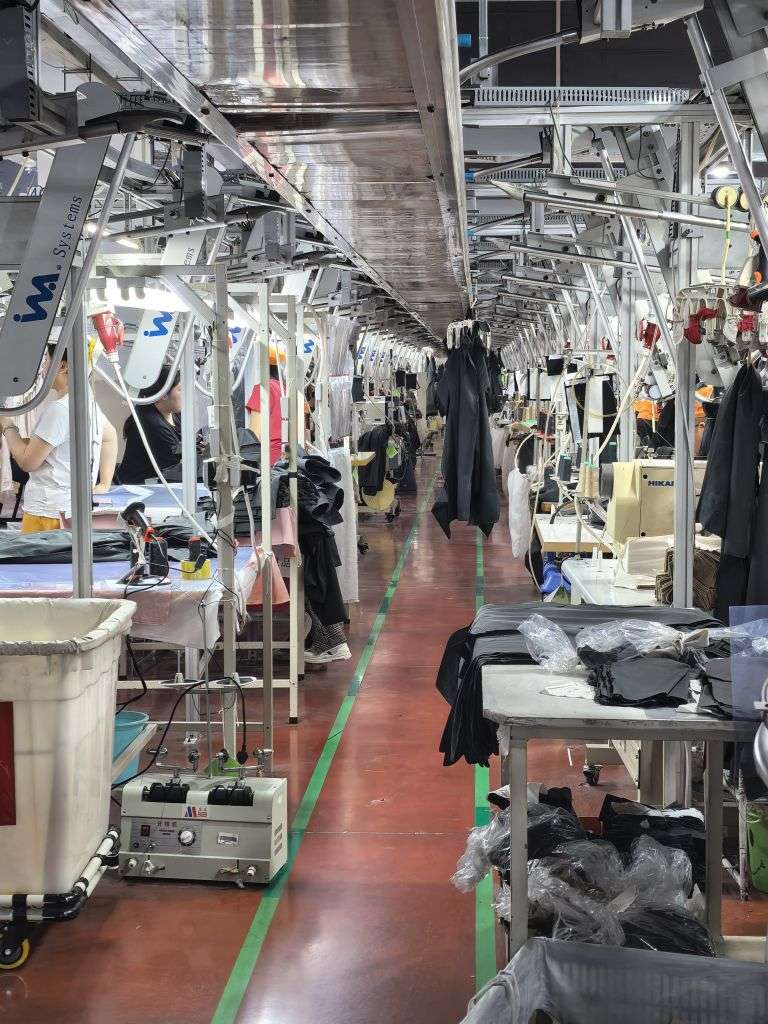
OEM/ODM Manufacturing
From sketches to samples to bulk—bring your unique designs to life with our complete OEM/ODM service.
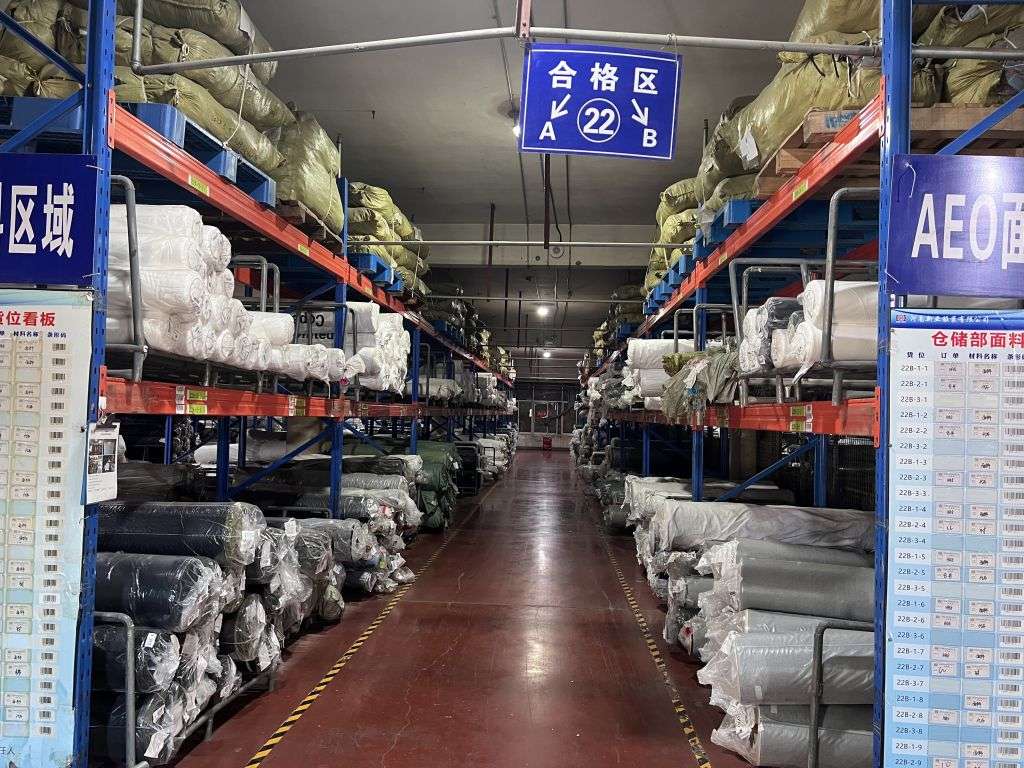
Fabric Sourcing
Wide selection of eco-friendly, premium fabrics to match every brand’s needs. Sustainable, reliable, and always on trend.
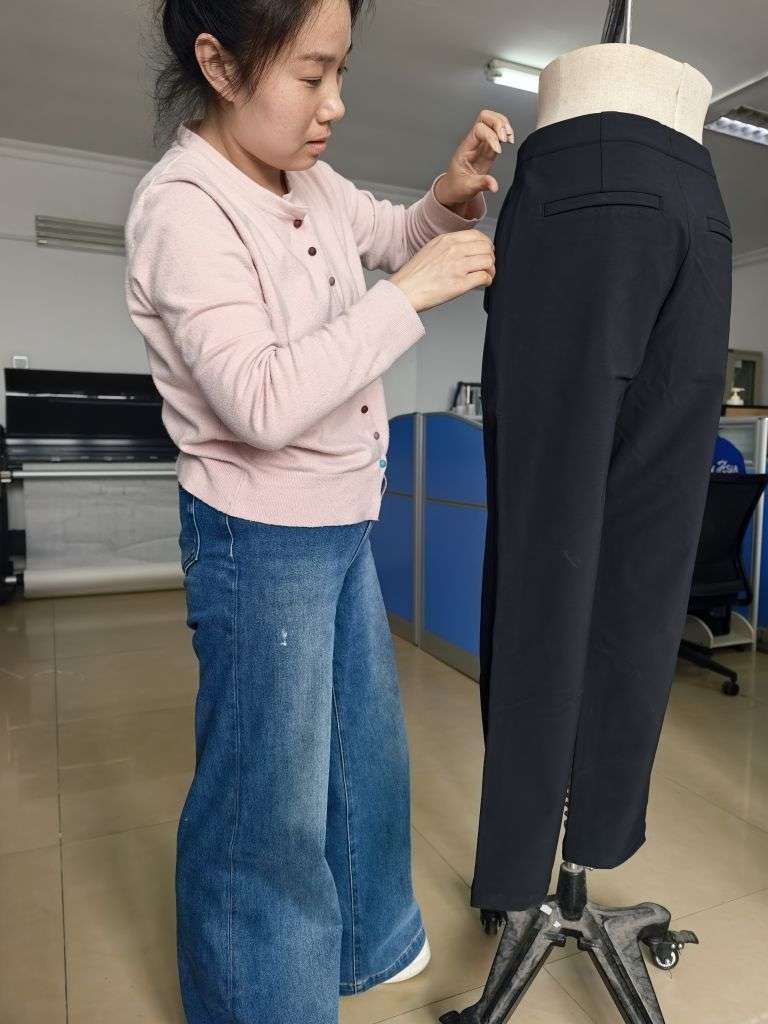
Rapid Sampling
5–10 day turnaround for custom samples, so you can test and confirm your ideas fast.
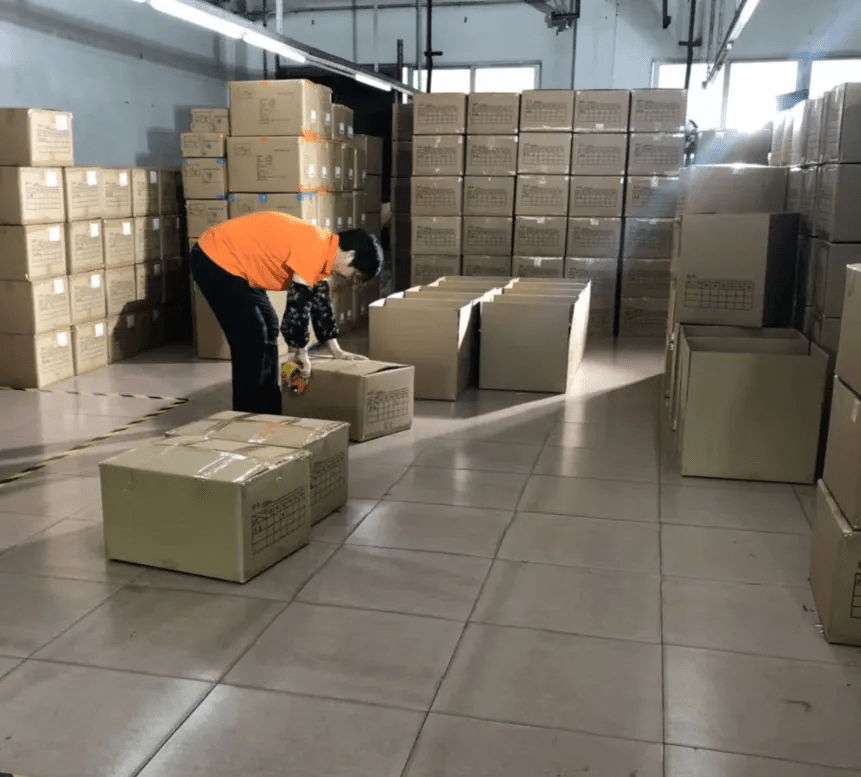
Packaging & Delivery
Secure, branded packaging and flexible shipping options to meet global business timelines.
Certified Professional Clothing Producer
We are very proud of these certificates! They represent Newasia Garment Co.,Ltd. ’s amazing achievements and accreditations. They show how much we care about quality, safety, and professionalism.
We’re proud to say that we have obtained BSCI and ISO 90001 certificates, and inspection certificates for filling materials such as down and cotton. We follow international standards throughout our production process and take responsibility for the quality of our products.
As one of China’s leading clothing manufacturers, we are pleased to be recognized by respected organizations. These certifications underscore our reliability as a trusted supplier to the global apparel industry.
Trusted Certificates:
Trusted by Global Clients

How Do We Guarantee the Quality
Our quality assurance begins with designing and planning, then continues through every step of the production and post-production inspections. Delivery is not an ending. We still offer money-back guarantee for quality issues.
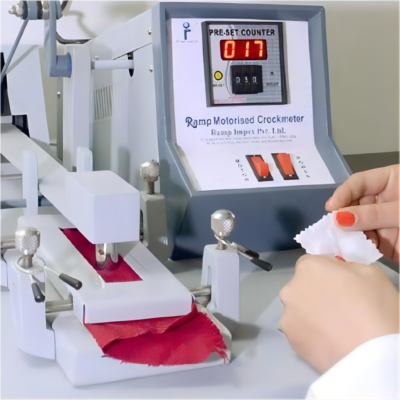
When sourcing fabrics, we will check all related fabric certificates from our suppliers.
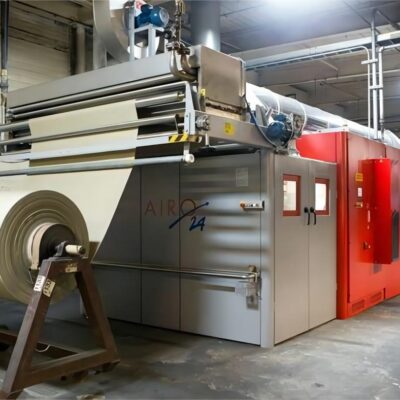
We make sure the fabric is well pre-washed to meet the standards before cutting.
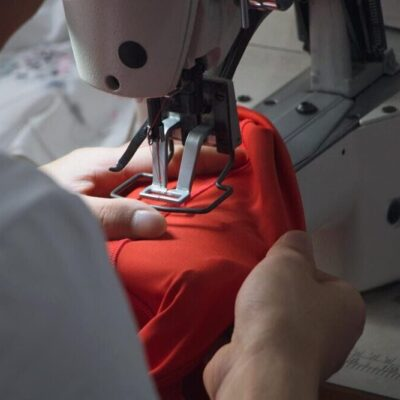
All our workers are well-trained and have many years of experience in the garment industry. They are all local workers with high stability.
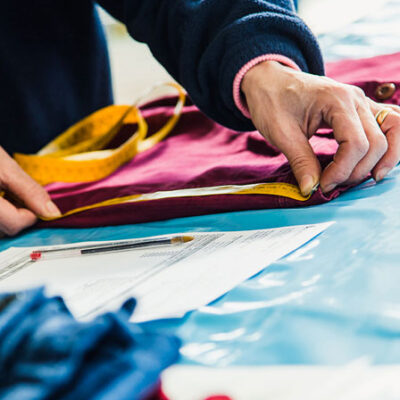
Our quality team will follow SOPs to conduct five times of quality checks before shipping.
Frequently Asked Questions
Q1: What is your Minimum Order Quantity (MOQ)?
We specialize in flexible production solutions to support emerging brands and growing businesses.
You can mix colors and sizes within the same style and fabric for greater flexibility.
For highly customised or technical garments (such as specialised denim washes or intricate embroidery), MOQ requirements may range from 200 to 300 units.
Our standard MOQ ranges from 100 to 300 units per design, depending on fabric availability and production complexity.
For best pricing efficiency, MOQ is typically based on 300 per style per colour.
Q2: What Services Do You Offer?
We provide full-cycle fashion support, including:
Sustainability Consulting: Eco-fabric sourcing, ethical production planning.
Sourcing: Local and global raw material, fabric R&D, and procurement (trims) with cost optimization.
Manufacturing: Custom manufacturing with quality control checkpoints.
Design & Development: Assistance with tech packs, trend research, and collection building.
Logistics: Shipping coordination to your warehouse or 3PL.
Q3: Can I Customize My Designs Fully?
We work with both OEM (your design, our production) and ODM (our templates customized for you) models. Customization options include:
Labels, hangtags, branded packaging
Fabric type and color
Fit and sizing
Printing (screen, DTG, sublimation, embroidery)
Accessories (zippers, buttons, cords)
Q4: What are your sustainability practices?
We’re committed to responsible manufacturing through:
Energy-efficient production technology
Waste reduction programs and ethical labor practices (BSCI certified)
GOTS-certified organic cotton and recycled material options
OEKO-TEX® certified dyes and processing
Q5: What Are Your Lead Times?
For in-stock items: ships worldwide within 3–7 days For custom orders: production lead time 15–30 days Urgent / Express Options: Available at a premium. Timing can vary depending on fabric development, approval cycles, and order complexity.
Q6: What is your production capacity?
Our facility employs 12,000 skilled employees, daily production capacity exceeds 100,000 pieces. We handle orders from 100 pieces to 50,000+ units across:
Technical apparel
Activewear and sportswear
Denim and casual wear
Children’s clothing
Q7: Where are your garments produced?
Our headquarters are based in China, where we operate our own vertically integrated factory. Our infrastructure and strategically placed worldwide manufacturing facilities allow us to offer extremely competitive pricing for fully custom clothing. offer flexible production options tailored to your needs. All manufacturing is supervised by our quality control team to ensure consistent standards
Conclusion
A reliable maxi dress quality control checklist is more than a document—it’s a system that aligns your supplier, your expectations, and your end customer experience.
For growing brands and bulk buyers, investing in structured QC pays off quickly: fewer complaints, better reviews, and stronger long-term partnerships.
If you’re currently sourcing maxi dresses or planning a new collection, it’s worth reviewing your existing QC process. Small improvements at the production stage can prevent major issues after delivery.👉 Looking for a reliable maxi dress manufacturer?
Contact Newasia Garment Co., Ltd. today to get a professional quotation and sample support.
Read more: Maxi Dress Quality Control Checklist: What Brands Need to Check